Introduction
As the world faces pressing environmental challenges, education has emerged as a critical driver of sustainability. From reducing carbon footprints to incorporating environmental awareness into curricula, schools and universities worldwide are adopting green strategies to combat climate change. Sustainable education is not just about teaching environmental science—it’s about transforming how institutions operate, design infrastructure, and inspire future generations to live responsibly.
The Concept of Sustainable Education
Sustainable education integrates environmental stewardship, social responsibility, and economic sustainability into the learning process. It goes beyond traditional academics to create eco-conscious citizens who understand the interdependence between people, planet, and prosperity. Green campuses exemplify this shift by combining energy efficiency, waste reduction, and biodiversity preservation with innovative educational practices.
Why Sustainability Matters in Education
Educational institutions are microcosms of society. Their practices influence how students think, behave, and contribute to global sustainability goals. With over 220 million students enrolled in higher education globally, universities play a pivotal role in achieving the United Nations Sustainable Development Goals (SDGs), particularly SDG 4 (Quality Education) and SDG 13 (Climate Action).
Key Benefits of Sustainable Education:
1. Promotes environmental literacy and responsible citizenship.
2. Reduces institutional carbon footprints through energy efficiency.
3. Prepares students for green jobs and sustainable industries.
4. Fosters innovation in renewable energy, recycling, and green design.
5. Strengthens community engagement through sustainable initiatives.
Green Campuses: The Future of Learning Spaces
A green campus is an educational institution that consciously minimizes its environmental impact. This includes eco-friendly infrastructure, renewable energy, waste management, and sustainable transportation. These initiatives create healthier, more productive environments for students and faculty.
Core Principles of Green Campuses:
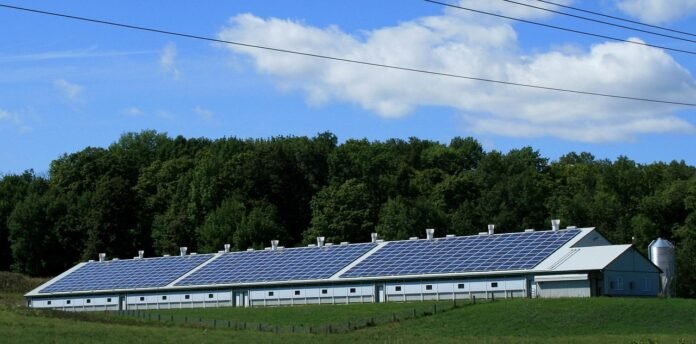
– Energy Efficiency: Solar panels, LED lighting, and smart building systems reduce energy consumption.
– Water Conservation: Rainwater harvesting and low-flow fixtures minimize waste.
– Waste Management: Composting, recycling, and zero-waste initiatives reduce landfill dependency.
– Sustainable Architecture: Use of eco-friendly materials, natural ventilation, and green roofs.
– Transportation: Encouraging bicycles, electric vehicles, and pedestrian-friendly designs.
Global Examples of Sustainable Universities
– Stanford University (USA): Operates one of the largest campus solar plants in the world, reducing its greenhouse gas emissions by 68%.
– University of British Columbia (Canada): Recognized for its sustainable building designs and green energy research initiatives.
– University of Gothenburg (Sweden): Integrates sustainability across its curriculum and operates a carbon-neutral campus.
– National University of Singapore: Features vertical gardens, smart energy systems, and water recycling facilities.
– IIT Delhi (India): Promotes zero-waste policies and renewable energy through solar installations.
Integrating Sustainability into the Curriculum
Sustainability education extends beyond infrastructure—it’s a mindset woven into every subject. Institutions are incorporating climate studies, green technology, and circular economy principles into their courses. Experiential learning models, where students participate in real-world sustainability projects, help bridge the gap between theory and practice.
Examples of Sustainable Curriculum Approaches:
1. Project-based learning focused on community sustainability challenges.
2. Partnerships with NGOs and industries for hands-on green internships.
3. Research on renewable energy, sustainable agriculture, and urban ecology.
4. Climate action clubs and student-led sustainability campaigns.
Technology and Innovation for Eco-Learning
Digital transformation is also driving sustainability in education. Smart classrooms and paperless systems reduce resource consumption, while online learning minimizes commuting emissions. AI and IoT are optimizing campus energy use, and virtual reality (VR) tools help students explore environmental phenomena interactively.
Key Technologies Supporting Eco-Learning:
– Smart grids and AI-driven energy management systems.
– Cloud-based e-learning platforms reducing paper waste.
– Virtual labs for environmental experiments.
– Data analytics for sustainability monitoring and reporting.
Community and Global Partnerships
Sustainable education thrives on collaboration. Universities are forming global alliances to share resources, research, and best practices. Initiatives like the Global Universities Partnership on Environment for Sustainability (GUPES) and The Green Campus Network connect thousands of institutions committed to sustainable operations.
Challenges in Implementing Sustainable Education
Despite growing interest, several barriers slow progress:
– Funding Constraints: Green infrastructure requires significant upfront investment.
– Awareness Gaps: Limited understanding of sustainability among administrators.
– Resistance to Change: Traditional systems often resist curriculum transformation.
– Regional Inequality: Developing nations struggle with affordability and access to green technologies.
The Future of Sustainable Education
By 2030, sustainability will become an integral part of all educational systems. Campuses will be carbon-neutral, powered by renewable energy, and designed for climate resilience. Green education will prepare students for new-age careers in sustainability, renewable energy, and environmental innovation. Governments and private sectors must work together to finance sustainable education initiatives globally.
Sustainable Education: Building Green Campuses and Eco-Learning Environments