Introduction
The 21st century is witnessing one of humanity’s most ambitious transformations—the global transition from fossil fuels to renewable energy. As nations race to combat climate change and reduce greenhouse gas emissions, the renewable energy sector has become a cornerstone of sustainable development. From solar farms in the Middle East to offshore wind parks in Europe and hydropower innovations in Asia, clean energy is redefining how the world powers itself.
The Urgency for Change
For decades, the global economy has depended on oil, coal, and natural gas to fuel growth. However, these sources have come at a steep environmental cost. Carbon emissions from energy production account for nearly 75% of global greenhouse gases, making decarbonization essential to achieving the Paris Agreement goals. The urgency to limit global warming to 1.5°C has accelerated investment in renewable technologies, transforming energy systems across continents.
The Growth of Renewables Worldwide
According to the International Energy Agency (IEA), renewable energy accounted for nearly 30% of global electricity generation in 2024—up from just 20% in 2015. Solar and wind energy lead the charge, supported by rapid cost reductions and technological advancements. Solar power is now the cheapest source of electricity in history, while wind power continues to expand across both onshore and offshore markets.
Regional Highlights:
– Europe: The European Union has pledged to reach net-zero emissions by 2050. Nations like Denmark, Germany, and Spain are pioneers in wind energy.
– Asia: China leads the world in solar capacity, followed by India’s ambitious National Solar Mission.
– North America: The U.S. Inflation Reduction Act of 2022 has catalyzed renewable investment, targeting 100% clean electricity by 2035.
– Middle East: Countries like the UAE and Saudi Arabia are diversifying from oil with mega solar projects such as Noor Abu Dhabi and NEOM’s hydrogen initiatives.
– Africa: Solar mini-grids are electrifying rural communities and driving sustainable growth.
Key Renewable Energy Sources Driving the Transition
1. Solar Power
Solar energy is the fastest-growing renewable source globally. Innovations in photovoltaic (PV) efficiency, floating solar farms, and large-scale battery storage have made solar power accessible and scalable. Emerging economies are embracing solar not only for environmental reasons but also for energy independence and economic empowerment.
2. Wind Energy
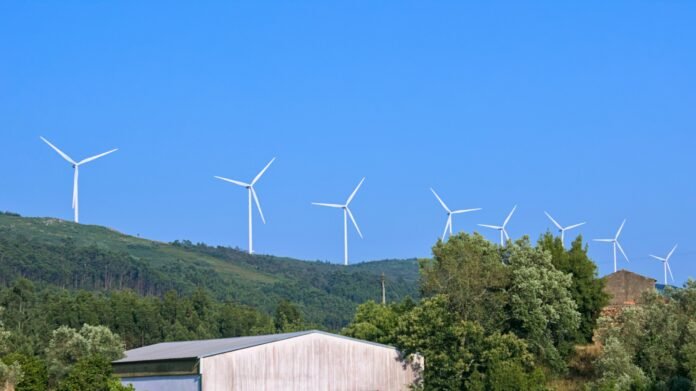
Wind power, both onshore and offshore, continues to gain momentum. Offshore wind capacity is expected to triple by 2030, with floating wind farms enabling deployment in deeper waters. Turbine efficiency improvements and hybrid systems combining wind and solar are enhancing grid reliability.
3. Hydropower and Geothermal
Hydropower remains a major renewable source, supplying around 16% of global electricity. Meanwhile, geothermal energy offers constant, base-load power and is expanding rapidly in regions like East Africa, Iceland, and the Philippines.
4. Hydrogen: The New Frontier
Green hydrogen, produced from renewable electricity, is emerging as a game-changer in sectors that are hard to decarbonize, such as steel, cement, and transport. The Hydrogen Council projects that hydrogen could meet 18% of global energy demand by 2050, creating millions of jobs worldwide.
Economic and Social Benefits of the Energy Transition
The renewable energy revolution is not only an environmental imperative but also an economic opportunity. The IRENA (International Renewable Energy Agency) reports that renewables employed over 13 million people globally in 2023—a number expected to double by 2030.
Key Benefits Include:
– Job Creation: Manufacturing, installation, and maintenance of clean technologies are generating millions of green jobs.
– Energy Security: Diversifying energy sources reduces dependency on volatile fossil fuel markets.
– Lower Costs: The cost of renewable energy technologies has dropped by over 80% for solar and 60% for wind in the last decade.
– Public Health: Cleaner air and reduced emissions contribute to healthier communities.
Challenges and Barriers to Overcome
Despite remarkable progress, challenges persist. Energy storage limitations, intermittent power generation, and aging grid infrastructure remain key obstacles. Additionally, fossil fuel subsidies and political resistance in some regions slow the pace of transition.
Addressing these challenges requires innovation in storage (such as advanced lithium-ion and solid-state batteries), smart grid development, and supportive policy frameworks. Public-private partnerships will be critical to ensuring equitable access to clean energy, especially in developing countries.
The Role of Policy and Investment
Government policies and private investment are driving the renewable boom. Subsidies, carbon pricing, and green bonds have accelerated the deployment of renewables. Global investment in clean energy surpassed $1.8 trillion in 2024, led by solar, wind, and grid modernization projects.
Multilateral institutions such as the World Bank and the Green Climate Fund are financing renewable energy initiatives in emerging economies, ensuring an inclusive transition that benefits all.
The Future of Global Energy
The future of global energy is decentralized, digital, and decarbonized. Artificial intelligence (AI), the Internet of Things (IoT), and blockchain technologies are transforming energy management and efficiency. Distributed energy systems—where communities generate their own power—are becoming increasingly common.
By 2050, renewables are expected to supply over 80% of the world’s electricity. The shift will not only mitigate climate change but also create resilient, self-sufficient societies capable of sustaining growth without compromising the planet.
The Global Transition to Renewable Energy: Powering a Sustainable Future