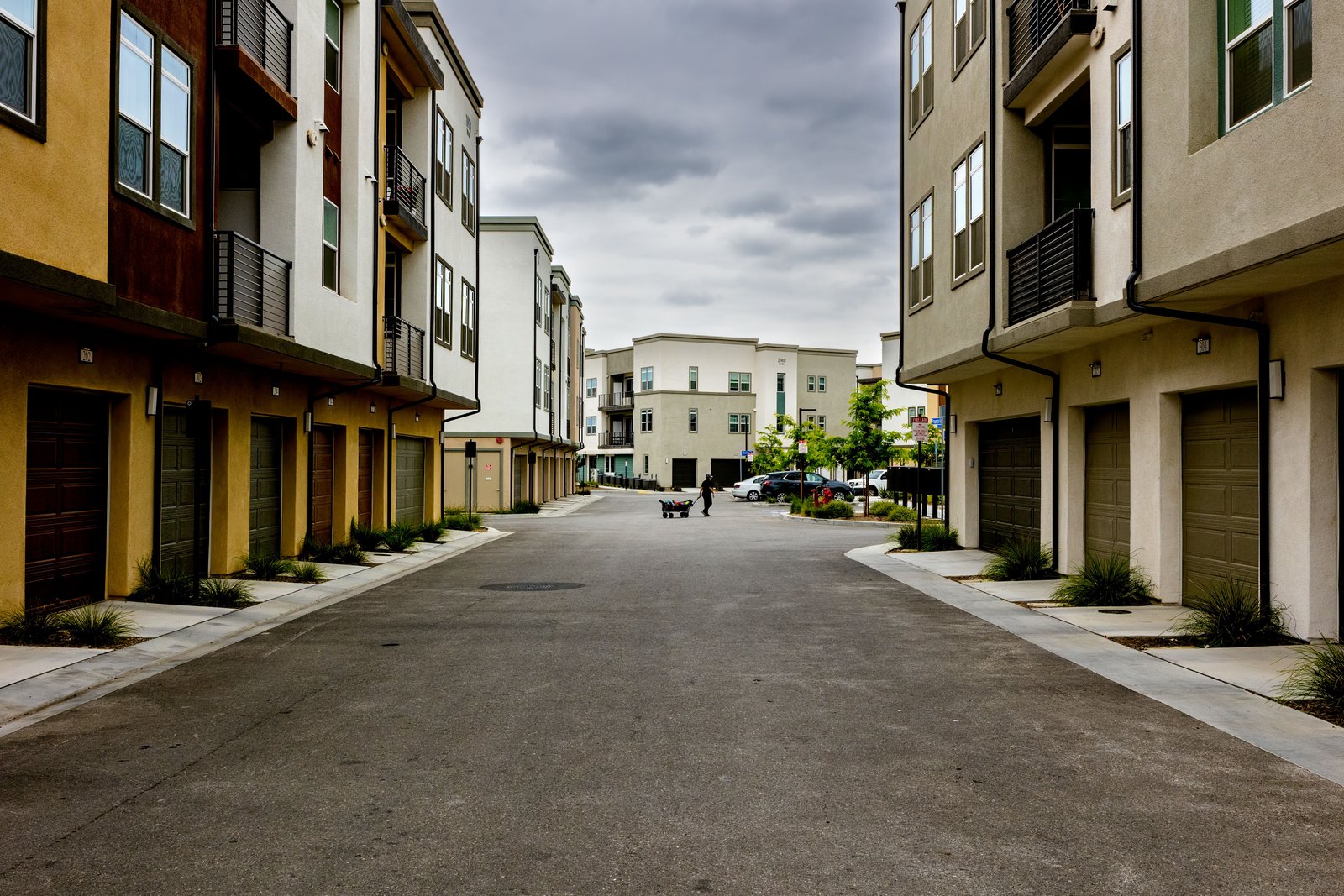
Rising Property Prices, Population Growth, and Urbanization Drive Urgent Demand for Innovative Housing Strategies Worldwide
Affordable housing has become one of the most pressing challenges facing cities and nations across the globe. As property prices continue to rise faster than income levels in many regions, millions of individuals and families are finding it increasingly difficult to access quality housing within their financial means. The issue is affecting both developed and emerging economies, prompting governments, developers, investors, and policymakers to seek new solutions that can address growing housing shortages while supporting long-term economic and social stability.
Rapid urbanization, increasing construction costs, limited land availability, demographic changes, and growing demand for housing have all contributed to affordability concerns. In many metropolitan areas, housing costs now consume a substantial portion of household income, leaving less financial flexibility for healthcare, education, transportation, and other essential needs.
As housing affordability becomes a central political, economic, and social issue, governments are introducing new policies, incentives, and public-private partnerships designed to increase housing supply and improve accessibility for middle- and lower-income households. Industry experts believe affordable housing will remain one of the most important priorities for urban development and real estate policy throughout the coming decade.
Housing Demand Continues to Outpace Supply
One of the primary drivers of affordability challenges is the growing imbalance between housing demand and available supply. Urban populations continue to expand as people migrate toward cities in search of employment opportunities, education, healthcare, and improved living standards. This trend has increased pressure on housing markets worldwide.
Factors contributing to rising demand include:
- Population growth
- Urban migration
- Smaller household sizes
- Economic development
- Expanding middle-class populations
In many cities, new housing construction has struggled to keep pace with demand. The resulting supply shortages have contributed to rising home prices and rental costs, making housing increasingly inaccessible for many residents. Addressing supply constraints remains a critical component of affordable housing strategies.
Rising Construction Costs Create Additional Pressure
Construction costs have increased significantly in recent years, creating challenges for both developers and homebuyers.
Factors influencing project costs include:
- Labor shortages
- Material price inflatio
- Supply chain disruptions
- Land acquisition expenses
- Regulatory compliance requirements
- Infrastructure development costs
Higher construction costs often translate into more expensive housing units, reducing affordability for prospective buyers and renters. Developers face the challenge of balancing project profitability with the need to provide reasonably priced housing options. Many industry participants are exploring innovative construction methods and technologies to improve efficiency and reduce costs.
Governments Expand Affordable Housing Programs
Recognizing the importance of housing accessibility, governments worldwide are implementing a variety of affordable housing initiatives. These programs aim to increase housing supply while supporting homeownership and rental affordability.
Common policy measures include:
- Housing subsidies
- Tax incentives
- Low-interest financing programs
- Public housing development
- Inclusionary zoning regulations
- Land-use reforms
Many governments are also partnering with private developers to accelerate affordable housing construction and improve project viability. Public-sector involvement is often essential because market forces alone may not produce sufficient affordable housing inventory. Policy support continues to play a major role in addressing affordability challenges.
Public-Private Partnerships Gain Momentum
Collaboration between governments and private-sector developers is becoming increasingly important in affordable housing development. Public-private partnerships (PPPs) help combine government resources, regulatory support, and private-sector expertise to deliver housing projects more efficiently.
Benefits of PPP models include:
- Faster project delivery
- Shared financial risk
- Improved access to land
- Greater development capacity
- Enhanced project scalability
Many successful affordable housing projects rely on cooperative frameworks that align public policy objectives with private investment incentives. As housing demand continues growing, PPPs are expected to become an increasingly common development model.
Technology Supports Housing Innovation
Technology is playing a growing role in addressing housing affordability challenges. Developers are adopting digital tools and advanced construction methods designed to improve efficiency and reduce costs.
Innovations include:
- Modular construction
- Prefabricated building systems
- Building Information Modeling (BIM)
- Artificial Intelligence
- Construction automation
- Smart project management platforms
These technologies can help accelerate project timelines while reducing material waste and labor requirements. In some cases, modern construction approaches are enabling developers to deliver housing more quickly and cost-effectively than traditional methods. Technology-driven innovation is becoming an important component of affordable housing strategies.
Rental Housing Becomes Increasingly Important
While homeownership remains a priority for many households, rental housing is gaining greater attention within housing policy discussions. In rapidly growing urban areas, rental housing often provides a more accessible option for individuals and families unable to purchase homes.
Governments and investors are increasingly supporting:
- Build-to-rent developments
- Workforce housing projects
- Mixed-income communities
- Affordable rental programs
Institutional investors are also entering the rental housing market in greater numbers, providing capital for large-scale residential developments. A well-functioning rental market can help address housing needs while supporting labor mobility and economic growth.
Workforce Housing Emerges as a Priority
Housing affordability challenges increasingly affect essential workers such as teachers, healthcare professionals, emergency responders, and service industry employees. In many cities, rising housing costs are forcing workers to live farther from employment centers, increasing commute times and transportation expenses. Workforce housing initiatives aim to provide affordable options for middle-income earners who may not qualify for traditional housing assistance programs.
These efforts help:
- Support economic productivity
- Improve employee retention
- Reduce commuting burdens
- Strengthen local communities
Many municipalities are prioritizing workforce housing development as part of broader urban planning strategies.
Sustainable Affordable Housing Gains Attention
Sustainability is becoming an increasingly important consideration in affordable housing development. Historically, affordability and sustainability were sometimes viewed as competing priorities. Today, developers are demonstrating that environmentally responsible housing can also be cost-effective.
Key features include:
- Energy-efficient building systems
- Renewable energy integration
- Water conservation technologies
- Sustainable materials
- Smart home technologies
Lower utility costs can improve overall affordability for residents while reducing environmental impacts. Sustainable housing solutions are helping address both social and environmental objectives simultaneously.
Mixed-Use Communities Support Accessibility
Urban planners increasingly recognize the value of mixed-use development in improving housing accessibility. Mixed-use communities combine residential, commercial, recreational, and public service facilities within integrated environments.
Benefits include:
- Reduced transportation costs
- Improved walkability
- Greater access to services
- Enhanced quality of life
- Stronger community engagement
By creating more connected and efficient neighborhoods, mixed-use development can contribute to broader affordability goals. These projects are becoming an important part of modern urban development strategies
Challenges Remain Significant
Despite growing efforts, affordable housing remains a complex challenge.
Key obstacles include:
- Limited land availability
- Regulatory barriers
- Financing constraints
- Infrastructure requirements
- Rising construction costs
- Community opposition to development
Addressing these issues requires long-term planning and collaboration among governments, developers, financial institutions, and community stakeholders. No single solution is likely to resolve affordability challenges entirely. A combination of policy reforms, investment, innovation, and partnership will be necessary to achieve meaningful progress.
Economic Implications of Housing Affordability
Affordable housing is not only a social issue—it also has significant economic implications.
Housing shortages and rising costs can affect:
- Labor market mobility
- Consumer spending
- Economic competitiveness
- Workforce availability
- Business growth
Communities that provide accessible housing options are often better positioned to attract talent and support sustainable economic development. For this reason, housing affordability is increasingly viewed as an important component of broader economic policy.
Future Outlook
The demand for affordable housing is expected to continue growing as urban populations expand and economic conditions evolve. Governments, developers, and investors are likely to increase efforts to create innovative housing solutions that balance affordability, quality, sustainability, and financial viability.
Technology, public-private partnerships, policy reform, and sustainable development practices will all play important roles in addressing future housing needs. While challenges remain substantial, growing awareness and investment are helping drive progress across many markets. The affordable housing sector is entering a period of transformation as stakeholders seek scalable solutions capable of supporting inclusive growth and long-term urban resilience.