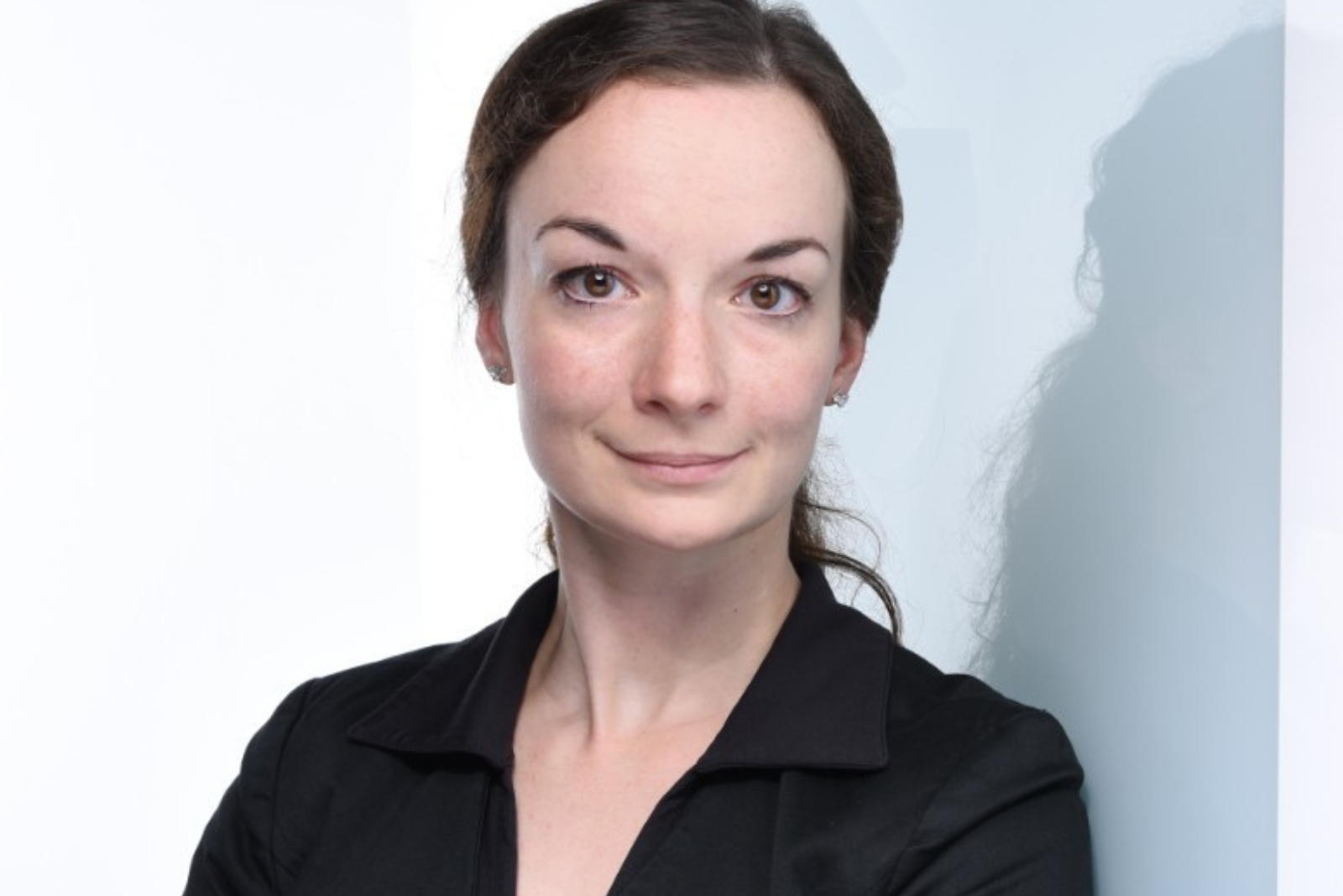
Driven by Purpose, Guided by Science
For Dr. Anna J. Schreiner, the decision to pursue medicine was never accidental it was shaped by a genuine curiosity about human physiology and a strong desire to improve patients’ quality of life. Early in her journey, she found her calling in musculoskeletal healthcare, a field where precision, biomechanics, and visible outcomes come together.
Over time, her approach has evolved alongside the field itself. While traditional orthopaedics often focused on surgical solutions, she has increasingly embraced non-invasive therapies and patient education. For her, the real impact lies in helping patients regain mobility and independence in a sustainable way.
Seeing Healthcare from Multiple Perspectives
What makes Dr. Schreiner’s perspective unique is her diverse experience across clinical practice, research, and the pharmaceutical and medtech industries, both nationally and internationally.
This exposure has shaped a clear belief innovation must be meaningful. It should not only be advanced but also clinically relevant, scientifically validated, and accessible. By working across different areas, she focuses on creating solutions that truly improve patient outcomes rather than simply introducing new technologies.
At the same time, she emphasizes the importance of education for both patients and healthcare professionals as a key driver in improving and rethinking modern healthcare.
Moving Beyond Symptoms: A New Approach
Building on this philosophy, her work with MBST highlights a shift in how musculoskeletal conditions are treated. Instead of focusing only on symptoms, this non-invasive, cell-focused therapy aims to address the underlying biological processes behind pain and degeneration.
By supporting the body’s natural healing mechanisms, the approach offers a more physiological way to improve outcomes. It not only reduces pain but also enhances long-term quality of life, and in some cases, may help reduce the need for surgery.In many ways, this represents a move toward more regenerative and root cause driven care.
Where Orthopaedic Care is Heading
Looking ahead, Dr. Schreiner sees orthopaedic care evolving into a more balanced combination of surgical excellence and non-invasive, regenerative therapies.
There is a growing focus on early intervention, prevention, and personalized treatment strategies. Alongside this, technologies such as AI are beginning to play an important role in supporting both healthcare professionals and patient journeys, improving precision and outcomes.
Insights from Global Healthcare Systems
Her experience working in different healthcare systems, particularly in Germany and the United States, has offered valuable insights into how care is delivered across regions.
Each system has its own strengths whether in efficiency, innovation, or access. Rather than comparing them, she believes in learning from these differences to build more effective and balanced healthcare models.
This global exposure continues to influence her current work, especially in adapting solutions to different markets and patient needs.
Turning Innovation into Real Impact
For Dr. Schreiner, innovation only matters when it translates into real benefits for patients. This requires strong clinical validation, continuous outcome measurement, and alignment with everyday clinical practice.
Collaboration also plays a key role. By bringing together clinicians, researchers, engineers, and patients, she ensures that advancements are practical, effective, and widely applicable.
Recognition that Inspires Responsibility
Receiving the “Excellence in Healthcare Award” is both an honour and a responsibility. It reflects the collective efforts of dedicated teams and reinforces the importance of continuing to push boundaries in patient care.
Rather than seeing it as an endpoint, she views it as motivation to keep contributing to meaningful progress in healthcare.
Balancing Multiple Roles with Clarity
Managing responsibilities across leadership, academia, and clinical practice requires strong prioritization and collaboration. Dr. Schreiner aligns these roles so they support one another, creating a more integrated approach to her work.
She is also passionate about mentoring young professionals, encouraging them to explore new ideas and think beyond traditional career paths.
The Shift Toward Prevention and Regeneration
A key part of her vision is the growing importance of preventive and regenerative medicine. Instead of treating conditions after they develop, the focus is shifting toward maintaining health and restoring function early on.
This approach not only improves long-term patient outcomes but also helps reduce the overall burden on healthcare systems.
Trends Shaping the Future
Several trends are influencing the future of musculoskeletal medicine, including regenerative therapies, non-invasive treatments, digital health integration, and AI-driven diagnostics.
There is also increasing awareness around bone health and long-term mobility areas that have often been overlooked but are now gaining attention.
A Vision for the Future
Dr. Schreiner envisions a healthcare system that is more integrated, personalized, and preventive where technology and biology work together to improve overall well-being.
Her work continues to contribute toward this vision, with a strong focus on enhancing mobility, longevity, and quality of life.
Advice for the Next Generation
Her advice to aspiring medical professionals is simple yet powerful: stay curious, think beyond traditional boundaries, and remain patient-focused.
In a rapidly evolving field, adaptability and a commitment to continuous learning will be key to shaping the future of healthcare.