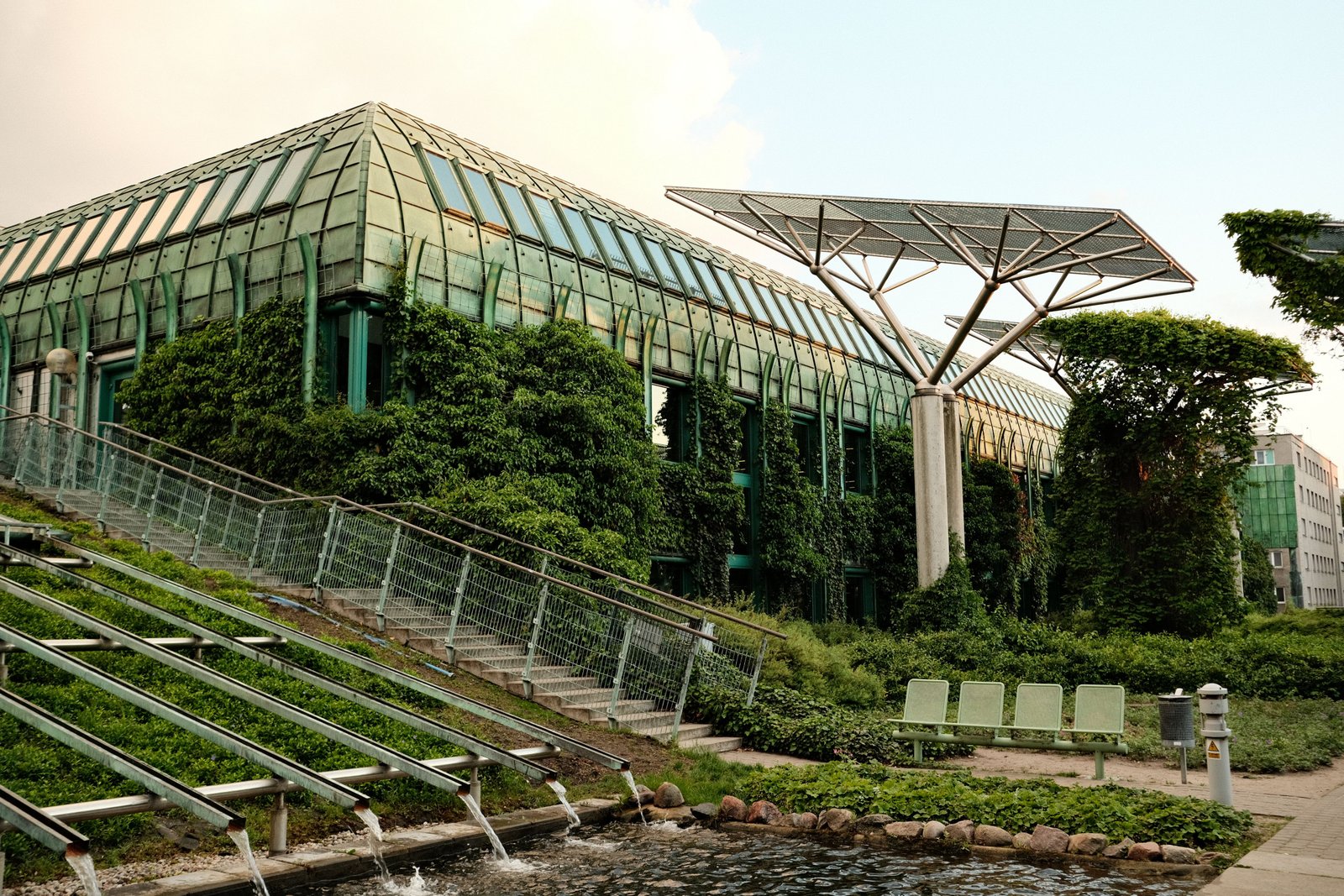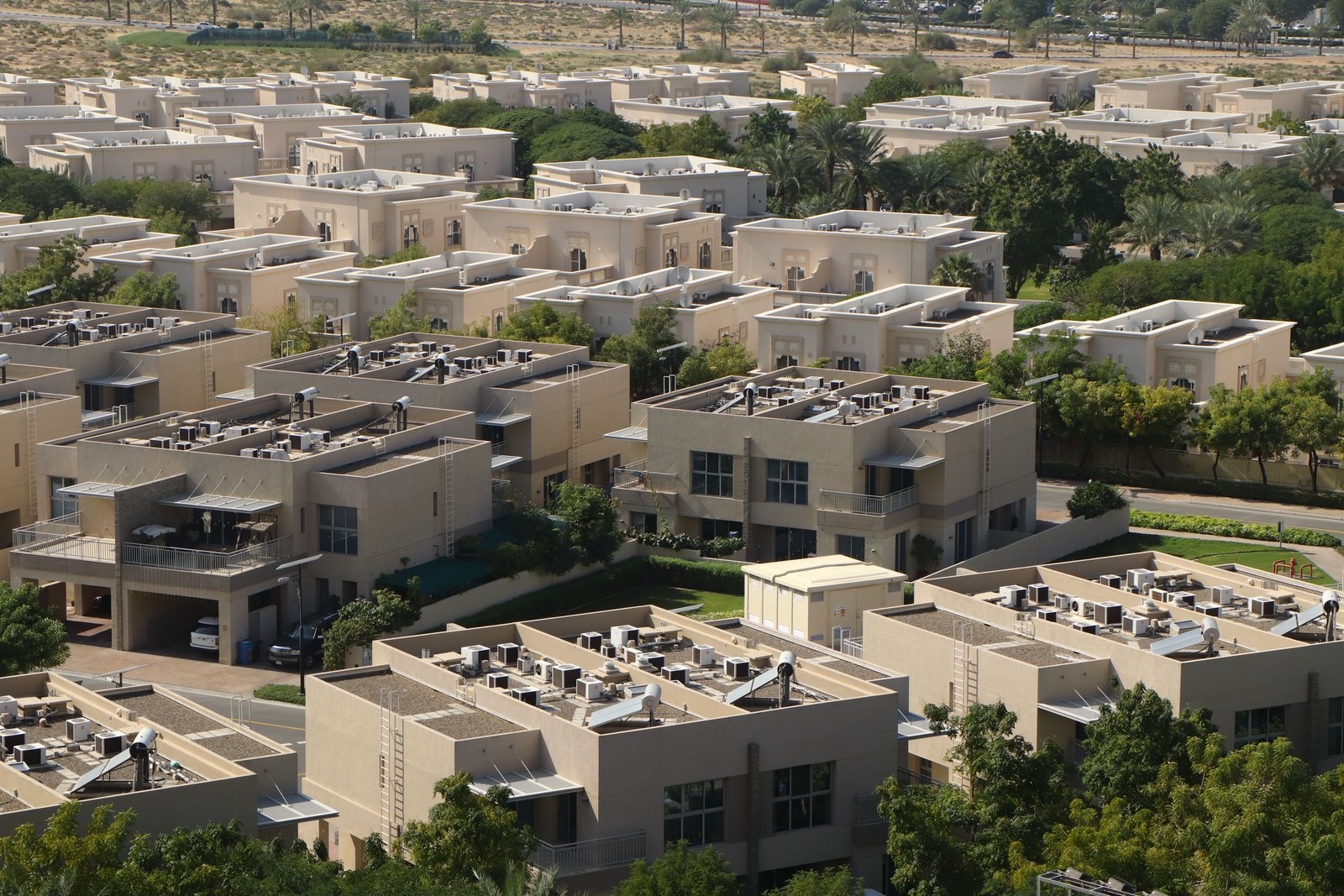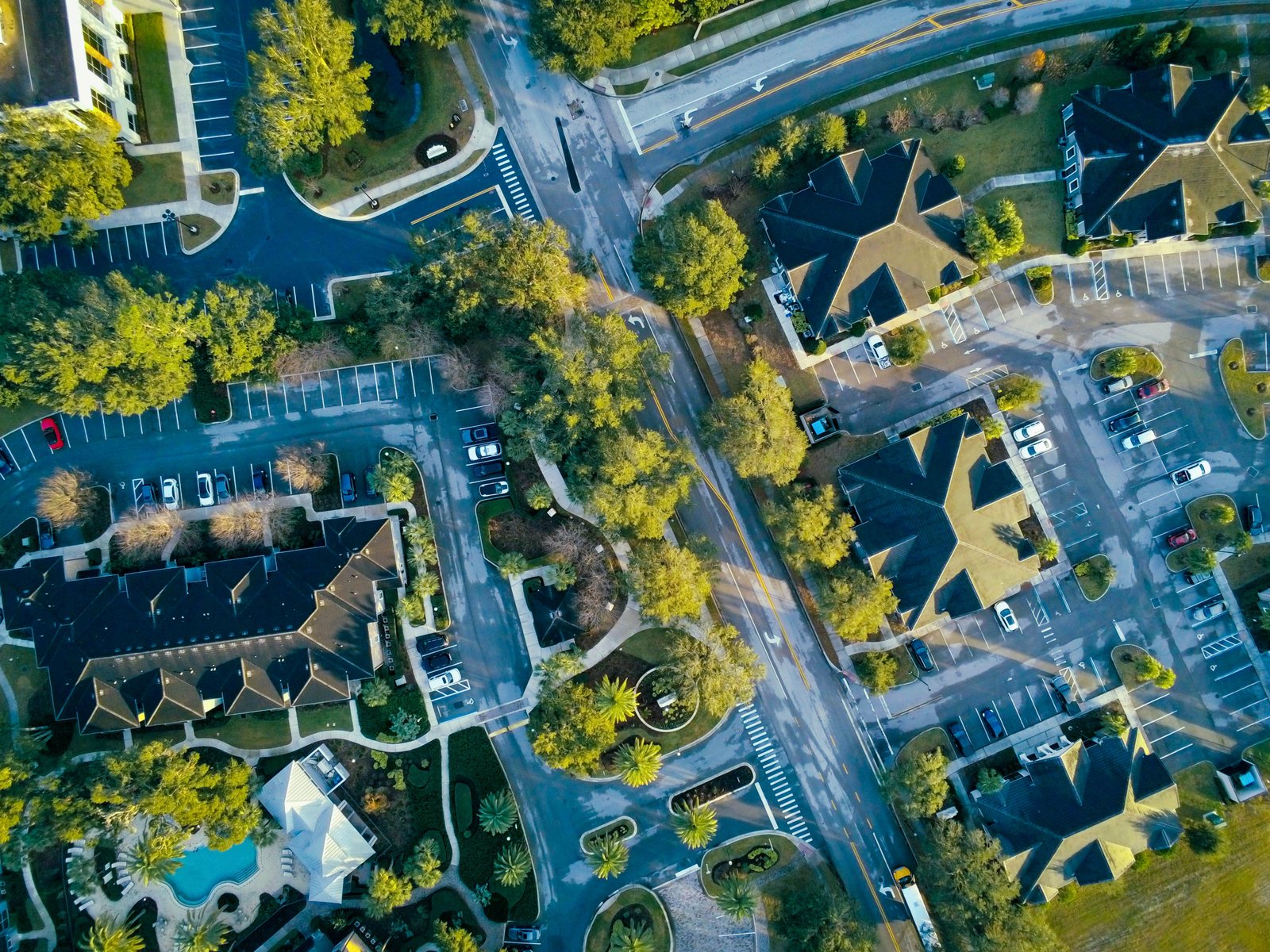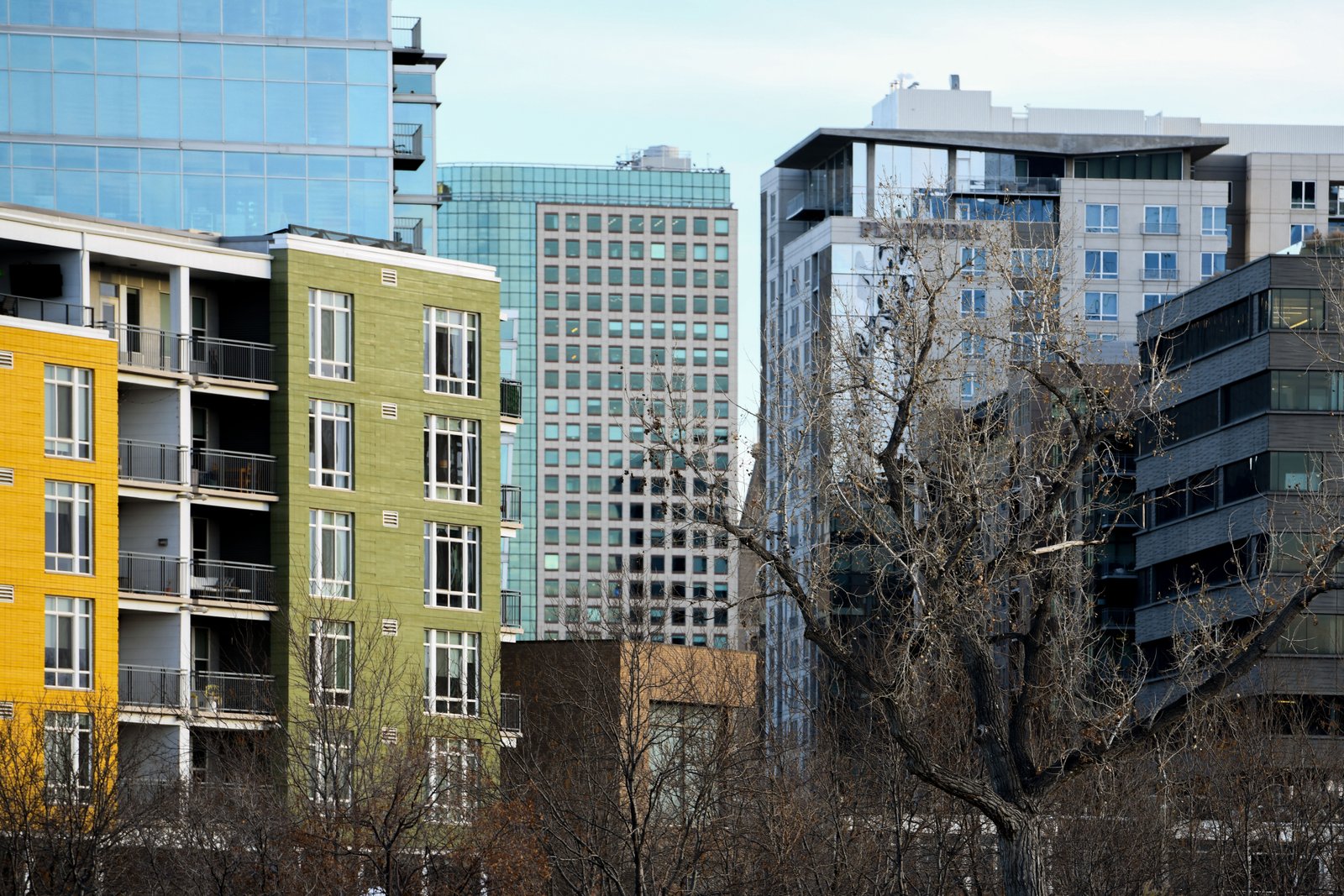
Integrated Communities Combining Residential, Commercial, Retail, and Leisure Spaces Are Redefining Modern Urban Development
The global real estate industry is increasingly embracing mixed-use developments as cities seek innovative solutions to address urbanization, changing lifestyle preferences, and evolving workplace dynamics. By combining residential, commercial, retail, hospitality, entertainment, and recreational spaces within a single integrated environment, mixed-use projects are creating vibrant communities designed to meet the diverse needs of modern residents and businesses.
Once considered a specialized segment of urban planning, mixed-use development has become one of the fastest-growing trends in real estate. Developers, investors, city planners, and policymakers are recognizing the benefits of creating environments where people can live, work, shop, socialize, and access essential services without relying heavily on long commutes.
The concept aligns closely with broader goals related to sustainability, economic development, urban efficiency, and quality of life. As cities continue expanding and populations become increasingly concentrated in urban areas, mixed-use developments are emerging as a key strategy for creating more connected, resilient, and people-centric communities. Industry experts believe mixed-use projects will play a central role in shaping the future of urban real estate over the coming decades.
Changing Urban Lifestyles Drive Demand
Modern urban residents increasingly value convenience, accessibility, and flexibility. Traditional city planning often separated residential neighborhoods from commercial and business districts, creating dependence on transportation and lengthy daily commutes. Today, lifestyle preferences are changing.
Many individuals seek communities that offer:
- Walkable environments
- Nearby workplaces
- Retail accessibility
- Entertainment options
- Healthcare facilities
- Recreational amenities
Mixed-use developments address these needs by integrating multiple functions within a single location. This approach enables residents to access essential services more conveniently while improving overall quality of life. The growing demand for convenience is one of the primary factors fueling the expansion of mixed-use real estate projects.
Urbanization Creates New Development Opportunities
Global urbanization continues to accelerate. As populations migrate toward cities, demand for land and infrastructure is increasing significantly.
Many metropolitan regions face challenges such as:
- Traffic congestion
- Housing shortages
- Infrastructure strain
- Rising transportation costs
- Limited land availability
Mixed-use developments help optimize land utilization by combining multiple property types within a single project. Rather than allocating separate areas for residential, commercial, and recreational uses, developers create integrated communities capable of supporting diverse activities. This efficient use of urban land is becoming increasingly important as cities seek sustainable growth strategies.
The Evolution of the Live-Work-Play Concept
One of the defining characteristics of mixed-use development is the "live-work-play" model.
This concept focuses on creating environments where residents can:
- Live in close proximity to workplaces
- Access retail and dining options
- Enjoy recreational activities
- Participate in community events
The model reduces dependence on automobiles and promotes more active, connected lifestyles. For businesses, proximity to residential populations can increase customer engagement and support commercial activity. For residents, integrated communities offer convenience and improved work-life balance. The live-work-play philosophy has become a major influence on modern urban planning.
Mixed-Use Projects Support Economic Growth
Mixed-use developments often generate significant economic benefits for local communities. By bringing together diverse property types and business activities, these projects create dynamic economic ecosystems.
Potential benefits include:
- Job creation
- Increased consumer spending
- Higher tax revenues
- Business growth opportunities
- Tourism attraction
Retail, hospitality, office, and residential components often complement one another, creating synergies that strengthen overall project performance. The concentration of economic activity can also stimulate investment in surrounding neighborhoods and infrastructure. As a result, many municipalities actively support mixed-use development initiatives as part of broader economic development strategies.
Flexibility Meets Evolving Workplace Trends
The workplace has undergone substantial changes in recent years. Remote work, hybrid work models, and flexible office arrangements are reshaping how people interact with urban environments. Mixed-use developments are particularly well-positioned to accommodate these trends.
Many projects now incorporate:
- Flexible office spaces
- Co-working facilities
- Business lounges
- Meeting centers
- Technology-enabled work environments
Residents can work closer to home while maintaining access to professional facilities and networking opportunities. This flexibility supports changing workforce expectations while reducing commuting requirements. Developers increasingly view workplace integration as a key component of successful mixed-use projects.
Retail Experiences Become More Integrated
Retail remains an important element of mixed-use communities. However, the role of retail is evolving. Rather than serving solely as shopping destinations, retail spaces are becoming experiential environments designed to encourage engagement and community interaction.
Popular retail features include:
- Restaurants and cafés
- Entertainment venues
- Wellness centers
- Boutique stores
- Cultural attractions
- Community gathering spaces
The integration of retail within residential and office environments creates a built-in customer base that supports long-term commercial viability. This model benefits both retailers and property owners while enhancing community vibrancy.
Sustainability Strengthens the Appeal
Sustainability is becoming an increasingly important advantage of mixed-use developments. By reducing travel distances and promoting walkability, integrated communities can contribute to lower transportation-related emissions.
Additional sustainability benefits include:
- Efficient land use
- Shared infrastructure
- Reduced energy consumption
- Improved public transportation access
- Enhanced resource utilization
Many mixed-use projects also incorporate green building technologies, renewable energy systems, and environmentally responsible design practices. These features align with growing investor, tenant, and regulatory expectations regarding sustainability performance. Environmental considerations are becoming a key factor in project planning and market positioning.
Public Spaces Foster Community Engagement
Successful mixed-use developments often prioritize public spaces that encourage social interaction and community building.
Examples include:
- Parks
- Plazas
- Walking trails
- Outdoor gathering areas
- Cultural venues
- Recreational facilities
These amenities contribute to a sense of place and help create stronger community connections. Residents increasingly value environments that offer opportunities for social engagement and outdoor activities. Developers recognize that high-quality public spaces can significantly enhance project attractiveness and long-term success. Community-focused design is becoming a defining characteristic of modern mixed-use developments.
Technology Enhances Operational Efficiency
Technology is playing an increasingly important role in mixed-use project management. Smart infrastructure solutions help improve efficiency, convenience, and sustainability.
Common technologies include:
- Smart access systems
- Building automation platforms
- Energy management solutions
- Digital tenant services
- Intelligent parking systems
These tools enhance user experiences while supporting more efficient property operations. As smart city initiatives expand, mixed-use developments are increasingly incorporating advanced digital capabilities. Technology integration is helping create more connected and responsive urban environments.
Investors Show Strong Interest
Mixed-use developments are attracting growing interest from investors due to their diversification benefits
Unlike single-use properties, mixed-use projects generate revenue from multiple sources, including:
- Residential leasing
- Office occupancy
- Retail operations
- Hospitality services
This diversification can improve resilience during market fluctuations. Investors often view mixed-use assets as attractive long-term opportunities capable of generating stable income while benefiting from urban growth trends. Institutional capital continues flowing into mixed-use development projects across major global markets.
Challenges Require Careful Planning
Despite their advantages, mixed-use developments present unique challenges.
Developers must manage:
- Complex project design
- Higher development costs
- Diverse tenant requirements
- Regulatory approvals
- Long development timelines
Successfully integrating multiple property types requires extensive planning and coordination. However, many industry participants believe the long-term benefits justify the additional complexity. Experienced developers increasingly view mixed-use projects as strategic investments capable of delivering sustainable value.
Future Outlook
The future of urban development is becoming increasingly integrated. As cities continue evolving, mixed-use developments are expected to play a growing role in creating more efficient, sustainable, and livable communities. Changing lifestyle preferences, workplace transformation, sustainability objectives, and urbanization trends will continue supporting demand for integrated real estate projects.
Developers are likely to focus on creating flexible, technology-enabled environments that accommodate evolving resident and business needs. For investors, mixed-use developments offer opportunities to participate in long-term urban growth while benefiting from diversified income streams. As modern cities seek solutions that balance economic development, environmental responsibility, and quality of life, mixed-use developments are emerging as one of the most influential forces shaping the future of real estate. The transformation of urban living and workspaces is already underway, and mixed-use communities are positioned at the center of this evolution.