Retailers Leverage First-Party Customer Data to Build High-Growth Advertising Businesses and Strengthen Brand Partnerships
The global retail industry is experiencing a major transformation as Retail Media Networks (RMNs) emerge as one of the fastest-growing revenue opportunities for retailers. Traditionally, retailers generated income primarily through product sales, but today many are expanding into digital advertising by offering brands access to their websites, mobile applications, and in-store digital platforms.
Retail Media Networks allow consumer brands to advertise directly to shoppers at the point of purchase using retailers' first-party customer data. By combining shopping insights with targeted digital advertising, retailers are creating highly personalized marketing opportunities while opening an entirely new source of revenue beyond traditional retail operations.
The rapid growth of e-commerce, changing digital privacy regulations, and the increasing importance of first-party data have accelerated investments in retail media platforms worldwide. Supermarkets, department stores, marketplaces, pharmacy chains, electronics retailers, and fashion brands are all building sophisticated advertising ecosystems designed to connect brands with high-intent shoppers.
Industry experts now consider retail media to be one of the most important developments in digital commerce, transforming retailers from product sellers into media businesses capable of generating significant advertising revenue.
The Rise of First-Party Data
One of the biggest drivers behind Retail Media Networks is the growing value of first-party customer data. Unlike third-party data collected through external sources, first-party data comes directly from customer interactions with retailers.
This information may include:
- Purchase history
- Browsing behavior
- Search activity
- Shopping frequency
- Product preferences
- Loyalty program participation
Because this data reflects actual shopping behavior, it enables highly accurate audience targeting. As digital privacy regulations limit the availability of third-party tracking methods, retailers are becoming increasingly valuable partners for brands seeking reliable consumer insights. First-party data has become one of retail's most valuable strategic assets.
Retailers Become Advertising Platforms
Retailers are expanding beyond traditional merchandising by creating advertising platforms that allow brands to promote products throughout the shopping journey.
Advertising opportunities include:
- Sponsored product listings
- Homepage banners
- Search advertisements
- Category promotions
- Personalized recommendations
- In-store digital displays
These advertisements appear when consumers are actively searching for products, increasing the likelihood of engagement and purchase. Unlike traditional advertising channels, retail media reaches consumers at the moment they are making buying decisions. This unique advantage is attracting significant marketing investment from consumer brands.
Brands Increase Retail Media Spending
Consumer goods manufacturers are shifting larger portions of their advertising budgets toward retail media. Brands recognize that retail platforms provide direct access to shoppers with clear purchase intent.
Retail media offers several advantages:
- Highly targeted audiences
- Measurable campaign performance
- Improved return on advertising investment
- Increased sales visibility
- Real-time optimization
Advertisers can evaluate campaign effectiveness using detailed performance metrics such as impressions, clicks, conversions, and sales attribution. The ability to measure advertising outcomes more accurately is making retail media increasingly attractive. Marketing strategies are evolving as brands prioritize performance-driven advertising channels.
E-Commerce Accelerates Retail Media Growth
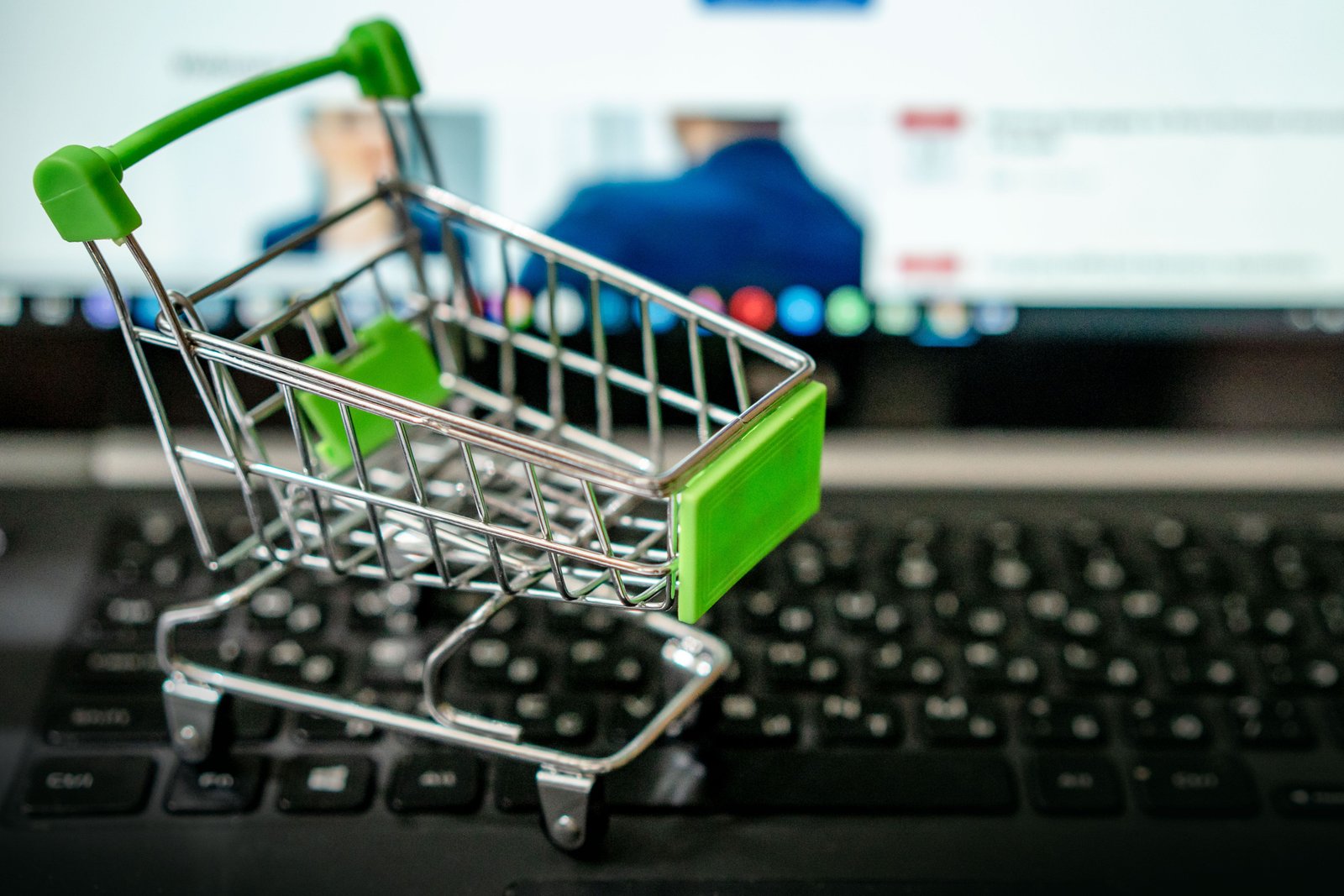
The expansion of online shopping has created ideal conditions for retail media development. E-commerce platforms naturally generate valuable customer data while offering multiple advertising placements throughout the digital shopping experience.
Retailers can display advertisements on:
- Product search pages
- Product detail pages
- Checkout screens
- Recommendation sections
- Mobile applications
Digital commerce allows advertising campaigns to be adjusted in real time based on customer behavior and market conditions. As online retail continues growing, digital advertising opportunities are expanding alongside it. Retail media has become closely linked with the broader evolution of e-commerce.
Artificial Intelligence Improves Campaign Performance
Artificial intelligence is playing an increasingly important role within Retail Media Networks. AI helps retailers optimize advertising campaigns by analyzing customer behavior and predicting purchasing patterns.
Applications include:
- Audience segmentation
- Personalized advertisements
- Automated bidding
- Campaign optimization
- Performance forecasting
Machine learning enables retailers to deliver more relevant advertisements while improving marketing efficiency. Advertisers benefit from greater targeting precision, while consumers receive promotions that better match their interests. Artificial intelligence is becoming a critical competitive advantage within retail media operations.
In-Store Digital Advertising Expands
Retail media is no longer limited to online channels.
Physical retail locations are increasingly incorporating digital advertising technologies such as:
- Digital shelf displays
- Smart shopping carts
- Interactive kiosks
- Electronic shelf labels
- Digital signage
These technologies allow brands to engage shoppers while they browse store aisles. Retailers are combining online customer insights with in-store experiences to create integrated advertising ecosystems. The convergence of physical and digital retail is creating new opportunities for customer engagement.
Loyalty Programs Strengthen Retail Media
Retail loyalty programs provide valuable customer information that enhances advertising effectiveness. Members often share purchasing preferences through regular shopping activity.
Retailers use this information to deliver:
- Personalized offers
- Product recommendations
- Exclusive promotions
- Targeted marketing campaigns
Brands benefit from reaching highly relevant audiences based on actual consumer purchasing behavior. Loyalty programs therefore serve as an important foundation for successful Retail Media Networks. The stronger the customer relationship, the more valuable the advertising platform becomes.
Measurement and Analytics Improve Transparency
One of retail media's greatest advantages is its ability to measure advertising performance with precision.
Retailers provide brands with detailed reporting regarding:
- Customer engagement
- Product sales
- Conversion rates
- Campaign effectiveness
- Return on investment
These insights help advertisers optimize marketing strategies and allocate budgets more effectively. Performance transparency is becoming increasingly important as companies seek measurable business outcomes from advertising investments. Advanced analytics continue strengthening retailer-brand partnerships.
Smaller Retailers Enter the Market
Although large retailers currently dominate the retail media landscape, smaller retailers are also beginning to develop advertising capabilities. Cloud-based technology platforms now make it easier for mid-sized retailers to launch retail media programs without building complex infrastructure from scratch. This democratization of technology is expanding opportunities across the retail sector. As more retailers participate, competition is expected to encourage innovation and improve advertising solutions. Retail media is evolving into an increasingly accessible business model.
Challenges Facing Retail Media Networks
Despite rapid growth, retailers face several challenges when expanding advertising operations.
These include:
- Data privacy compliance
- Technology investment
- Advertising measurement standards
- Customer trust
- Platform integration
Retailers must ensure that advertising enhances rather than disrupts the customer shopping experience. Maintaining transparency and protecting customer data remain essential for long-term success. Organizations must balance commercial opportunities with responsible data management practices.
Retail Media Strengthens Business Diversification
Retail Media Networks represent more than simply an advertising opportunity. They enable retailers to diversify revenue streams beyond product sales while strengthening relationships with suppliers and consumer brands.
Additional revenue generated through advertising can support investments in:
- Digital transformation
- Customer experience
- Supply chain improvements
- Technology infrastructure
Diversification helps retailers improve financial resilience while adapting to changing market conditions. Retail media is increasingly viewed as a strategic growth engine rather than a supplementary business activity.
Conclusion
Retail Media Networks are transforming the retail industry by creating powerful new opportunities at the intersection of commerce, technology, and advertising. By leveraging first-party customer data, advanced analytics, and digital platforms, retailers are building sophisticated advertising ecosystems that benefit both brands and consumers. As marketing budgets continue shifting toward measurable, performance-driven channels, retail media is emerging as one of the fastest-growing segments within digital advertising.
Retailers that successfully develop strong media capabilities will not only generate new revenue streams but also strengthen customer engagement, enhance supplier partnerships, and improve long-term competitiveness. The continued evolution of Retail Media Networks reflects the broader digital transformation of retail, where data, technology, and personalized customer experiences are becoming central to business success.