
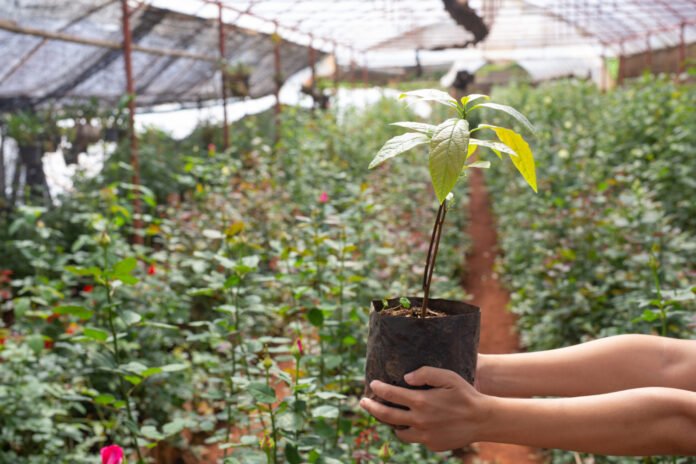

The agriculture and food industry is undergoing a profound transformation, moving beyond traditional farming methods to embrace precision agriculture, sustainable practices, and innovative food technologies. From AI-powered crop monitoring and robotic harvesting to vertical farms and blockchain-backed food traceability, technology is reshaping how we grow, process, and consume food. In 2025, farmers, food producers, and agricultural innovators are facing both unprecedented opportunities and formidable challenges.
With a growing global population, increasing pressure on natural resources, and a demand for sustainable and healthy food, the agriculture and food market is expected to experience significant growth, driven by AgriTech and FoodTech innovations.
📈 Market Snapshot
The global precision agriculture market is projected to reach over $18 billion by 2027, with a strong CAGR. Investment in AI and robotics for agriculture and food processing is rapidly increasing. Over 40% of farms are adopting IoT devices for soil monitoring and crop management. Agriculture and food companies are increasing cybersecurity budgets to protect smart farm systems and supply chain data.
🔮 Top Trends Shaping the Industry
- Precision Agriculture with AI and IoT AI and IoT sensors are enabling hyper-localized monitoring of soil conditions, crop health, and weather patterns, leading to optimized irrigation, fertilization, and pest control, increasing yields and reducing waste.
- Vertical Farming and Controlled Environment Agriculture (CEA) Indoor vertical farms and CEA technologies are gaining prominence, allowing for year-round crop production in urban areas with significantly less land and water, enhancing food security and freshness.
- Robotics and Automation in Harvesting and Processing Advanced robotics are automating tasks like harvesting delicate crops, precise spraying, and food processing, improving efficiency, reducing labor costs, and enhancing food safety.
- Sustainable and Regenerative Agriculture Practices There’s a growing emphasis on environmentally friendly farming methods, including regenerative agriculture, reduced chemical use, and carbon sequestration, to enhance soil health and biodiversity.
- Blockchain for Food Traceability and Supply Chain Transparency Blockchain technology is being adopted to provide end-to-end traceability of food products, ensuring transparency from farm to fork, enhancing food safety, and combating fraud.
📰 Recent Press Releases (August 2025)
🔹 John Deere Unveils Autonomous Tractor with AI-Powered Planting John Deere announced its new fully autonomous tractor, equipped with AI for precision planting and intelligent navigation, significantly increasing farming efficiency.
🔹 AppHarvest Opens New Robotics-Powered Vertical Farm in Kentucky AppHarvest opened its largest-to-date robotics-powered vertical farm in Kentucky, capable of producing millions of pounds of leafy greens annually with minimal water.
🔹 IBM Food Trust Expands to Include Smallholder Farmers in Africa IBM Food Trust, its blockchain-based food traceability platform, announced an expansion to onboard smallholder farmers in Africa, enhancing their market access and supply chain transparency.
🔹 Beyond Meat Announces Breakthrough in Lab-Grown Protein Production Scale Beyond Meat revealed a significant breakthrough in scaling up its lab-grown protein production, aiming for cost parity with traditional meat within five years.
🔹 Taranis AI Secures $100M for Aerial Crop Intelligence Taranis AI, a leading agricultural AI company, secured $100 million in funding to expand its aerial imagery and AI-powered crop intelligence platform for large-scale farms.
📊 Future Outlook: The Decade Ahead
By 2030, agriculture will be highly automated, sustainable, and capable of feeding a growing global population with fewer resources. Key predictions include:
Over 70% of global GDP will be driven by digitally transformed companies.
AI copilots will be standard in every productivity suite, assisting with tasks from crop management to inventory forecasting.
Quantum supremacy could redefine materials science for new fertilizers or plant genetics.
Edge computing is reducing latency, while 5G is enabling real-time applications in IoT.
✅ Why It Matters for Business Leaders
Whether you’re a farmer, food producer, agricultural tech innovator, or food retailer, understanding trends in agriculture and food is crucial to ensuring food security, sustainability, and market competitiveness. The businesses that thrive in the coming years will be those who:
Invest in precision agriculture and smart farming technologies. Embrace sustainable and regenerative farming practices. Leverage AI and data analytics for optimized production and resource management. Prioritize transparency and traceability in the food supply chain.