Introduction
In an era of growing environmental awareness and consumer demand for healthier food, organic farming has transitioned from a niche market to a global movement. The organic agriculture industry now represents a critical pillar of sustainable food systems, addressing climate change, biodiversity loss, and soil degradation. As more countries adopt eco-friendly policies, the future of organic farming looks promising, driven by innovation, investment, and global collaboration.
What Is Organic Farming?
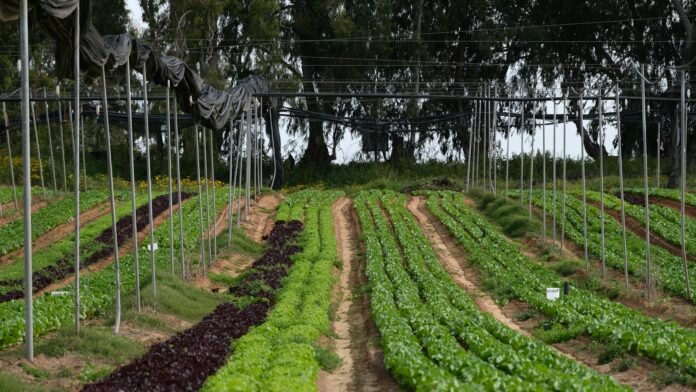
Organic farming is a holistic approach to agriculture that emphasizes the use of natural processes and inputs instead of synthetic fertilizers, pesticides, and genetically modified organisms (GMOs). It focuses on soil health, ecological balance, and biodiversity. Certification standards such as USDA Organic, EU Organic, and IFOAM International define what qualifies as organic farming practices worldwide.
Global Growth and Market Trends
The global organic food and beverage market exceeded $250 billion in 2024 and is expected to surpass $400 billion by 2030. Europe and North America remain the largest markets, while Asia-Pacific, particularly India and China, is witnessing rapid expansion. Consumers are increasingly willing to pay premiums for food that is sustainably grown and free from harmful chemicals.
Key Drivers of Organic Farming Growth
1. Health and Wellness Awareness
The rise in chronic diseases and chemical sensitivities has led consumers to prefer organic produce for its perceived nutritional benefits and safety.
2. Environmental Sustainability
Organic farming supports biodiversity, enhances soil carbon sequestration, and reduces pollution from chemical fertilizers and pesticides.
3. Government Incentives and Policies
Nations like Germany, Denmark, and India offer subsidies, training, and market incentives to promote organic transitions.
4. Corporate and Retail Demand
Global retailers like Walmart, Carrefour, and Whole Foods are increasing organic product offerings, boosting supply chain growth.
5. Export Opportunities
Developing nations are expanding exports to meet the rising demand for organic produce in Europe and the U.S.
Technological Advancements in Organic Farming
While organic farming avoids synthetic chemicals, it increasingly embraces modern technology for efficiency and scalability:
Digital Soil Health Monitoring: IoT sensors and AI analytics track soil conditions without chemical interventions.
– Compost and Biofertilizer Innovations: Microbial formulations improve nutrient cycles naturally.
– Blockchain Traceability: Ensures transparency in supply chains from farm to consumer.
– Drone Surveillance: Helps farmers monitor pest infestations and crop growth organically.
– Renewable Energy Integration: Solar and biogas systems reduce emissions from farm operations.
Challenges in the Global Organic Sector
Despite robust growth, the organic farming industry faces significant challenges:
– High Certification Costs: Small farmers struggle to afford certification and compliance procedures.
– Lower Yields: Organic systems often produce slightly lower yields than conventional farming in the short term.
– Supply Chain Gaps: Logistics and cold-chain limitations reduce export potential in developing countries.
– Misinformation and Greenwashing: Inconsistent labeling and false claims erode consumer trust.
– Market Access: Many small producers lack digital tools to connect with international buyers.
Case Studies and Success Stories
– India: Sikkim became the world’s first 100% organic state, inspiring similar initiatives across Asia.
– Europe: Denmark leads global organic consumption, with over 12% of its total food sales organic.
– United States: California’s Central Valley hosts thriving organic farms supported by tech-driven soil restoration projects.
– Africa: Uganda’s organic farming movement has boosted rural incomes through international exports of coffee and cocoa.
Economic and Environmental Impact
Organic farming not only contributes to environmental conservation but also creates long-term economic value:
– Reduced dependency on imported agrochemicals.
– Improved soil fertility and water retention.
– Job creation in local communities through diversified crop systems.
– Expansion of eco-tourism and agri-education sectors.
The Future Outlook
The next phase of organic farming will integrate sustainability, technology, and global trade harmonization. Research into biofertilizers, organic pest control, and regenerative agriculture will continue to enhance productivity. Governments are expected to align organic policies with carbon-neutral and circular economy goals.
By 2035, the global organic farming market could double in value as new players enter and traditional farmers convert. Consumer education, transparency, and digital traceability will be central to maintaining trust and ensuring scalability.
Conclusion
Organic farming is no longer an alternative—it is becoming the foundation of a sustainable global food system. With growing consumer awareness, policy support, and technological advancement, organic agriculture holds the key to a healthier planet and population. Its evolution represents not just a farming method but a movement toward ethical, resilient, and climate-conscious food production.
The Future of Organic Farming in the Global Market