Healthcare Leaders Explore New Opportunities as AI Becomes a Clinical Partner Generative artificial intelligence has quickly evolved from an emerging technology into a powerful force reshaping healthcare delivery worldwide. In 2026, hospitals, clinics, pharmaceutical companies, and healthcare technology providers are increasingly adopting generative AI solutions to improve diagnostics, enhance patient engagement, streamline operations, and support medical research.
Unlike traditional AI systems that primarily analyze existing data, generative AI can create new content, summarize complex medical information, generate reports, and assist healthcare professionals in decision-making processes. As adoption expands, industry leaders are evaluating how these capabilities can improve healthcare outcomes while maintaining patient safety and trust.
A New Era for Healthcare Innovation
Healthcare organizations have long sought technologies capable of reducing administrative burdens and supporting clinical excellence. Generative AI is emerging as a valuable tool because of its ability to process large volumes of medical information and produce meaningful insights in real time. Modern healthcare generates enormous amounts of data from electronic health records, laboratory systems, imaging platforms, wearable devices, and patient interactions. Managing and interpreting this information efficiently has become increasingly challenging.
Generative AI addresses this challenge by helping healthcare professionals summarize patient histories, draft clinical notes, generate treatment recommendations, and identify relevant medical research. These capabilities enable providers to access critical information more quickly and make more informed decisions. The technology is becoming an important component of digital transformation strategies across the healthcare sector.
Enhancing Diagnostic Accuracy
One of the most promising applications of generative AI involves diagnostic support. Healthcare professionals often review extensive patient records, imaging studies, laboratory results, and clinical observations before reaching a diagnosis. Generative AI systems can analyze multiple data sources simultaneously and present concise summaries that help clinicians identify important patterns.
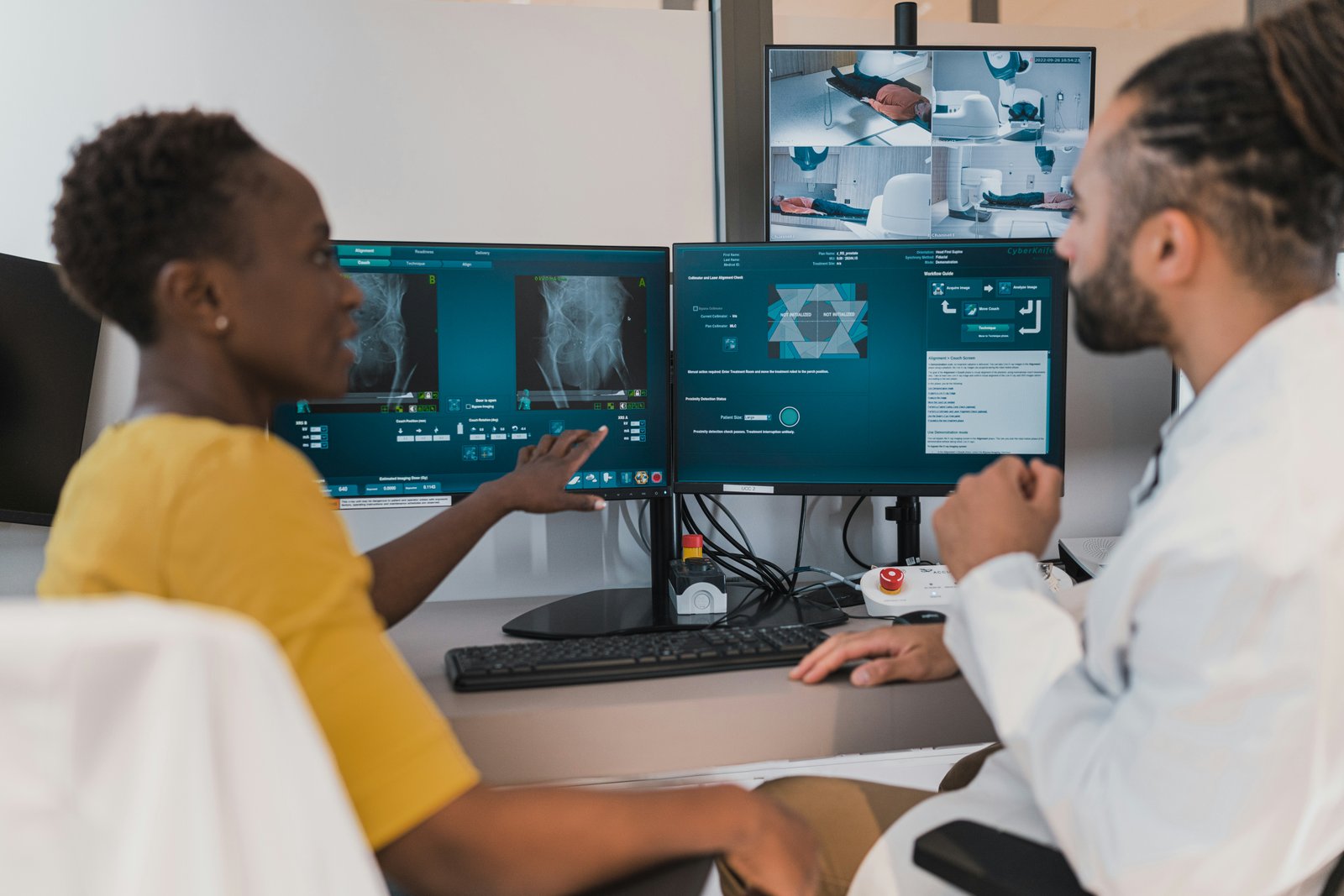
In radiology, AI-powered tools assist physicians by highlighting areas of concern within medical images and generating preliminary interpretations. Similar applications are emerging in pathology, cardiology, and dermatology. These systems are not intended to replace clinical expertise but rather to enhance physician capabilities by providing additional analytical support. As a result, healthcare providers can reduce diagnostic delays and improve patient outcomes. Early detection remains one of the most important factors in successful treatment, making AI-assisted diagnostics a high-priority investment area for healthcare organizations.