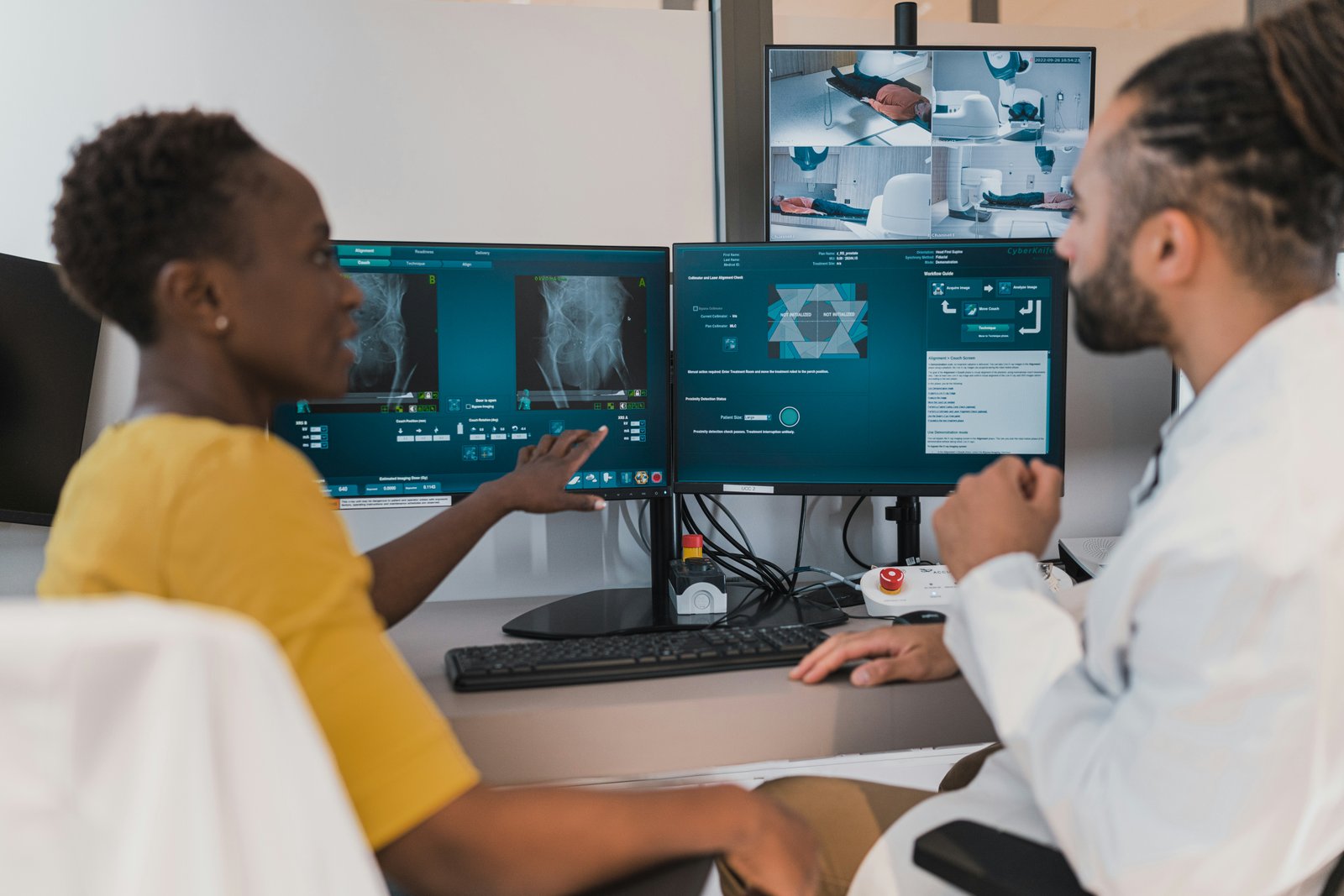
Healthcare Systems Worldwide Embrace Artificial Intelligence to Improve Access, Efficiency, and Patient Outcomes The global healthcare industry is undergoing one of its most significant transformations in decades as artificial intelligence (AI) becomes deeply integrated into medical services, diagnostics, patient management, and hospital operations. In 2026, healthcare organizations across the world are accelerating investments in AI-powered healthcare ecosystems, creating new opportunities for providers, patients, insurers, and technology companies alike.
From predictive diagnostics and personalized treatment plans to virtual health assistants and automated administrative workflows, AI is rapidly becoming a cornerstone of modern healthcare delivery. Industry analysts estimate that healthcare AI spending will continue growing at double-digit rates over the coming years as healthcare systems seek solutions to rising patient volumes, workforce shortages, and increasing operational costs.
The Rise of AI Healthcare Ecosystems
Healthcare providers are moving beyond isolated AI applications and adopting comprehensive AI ecosystems that connect hospitals, clinics, laboratories, pharmacies, and insurance providers through intelligent platforms. These ecosystems leverage machine learning, cloud computing, and advanced analytics to collect and process vast amounts of patient data in real time. The goal is to create a more connected healthcare environment where medical professionals can make faster and more informed decisions while improving patient experiences.
Several healthcare networks have already reported improvements in patient scheduling efficiency, diagnostic accuracy, and treatment planning through AI-enabled systems. By reducing manual administrative work, healthcare professionals are able to dedicate more time to patient care and complex clinical decision-making.
The development of AI healthcare hubs is also encouraging collaboration among healthcare providers, technology companies, academic institutions, and government agencies. Such partnerships are accelerating innovation and creating new models for delivering healthcare services.
Transforming Diagnostics Through Artificial Intelligence
One of the most impactful applications of AI in healthcare is medical diagnostics. Advanced AI systems are now capable of analyzing medical images, laboratory reports, pathology slides, and patient histories with remarkable speed and precision. In fields such as radiology, cardiology, dermatology, and oncology, AI-powered tools are assisting physicians in identifying potential abnormalities earlier than ever before.
Medical imaging has emerged as a particularly promising area. AI algorithms can review thousands of images within minutes, helping radiologists detect signs of disease that might otherwise be overlooked. This capability is improving diagnostic accuracy while reducing the time required to deliver results. In oncology, AI is helping physicians analyze tumor characteristics, predict treatment responses, and identify personalized therapeutic options. Similarly, cardiovascular specialists are using AI-driven systems to assess patient risk factors and detect heart conditions before symptoms become severe.
Healthcare experts believe that AI will increasingly function as a clinical support tool rather than a replacement for physicians. By combining machine intelligence with human expertise, providers can achieve better outcomes while maintaining high standards of patient care.
Personalized Medicine Gains Momentum
The healthcare industry is also witnessing rapid growth in personalized medicine, supported by AI-driven data analysis. Traditional treatment approaches often rely on generalized clinical guidelines that may not fully account for individual patient differences. AI systems can process genetic information, medical histories, lifestyle factors, and environmental data to recommend more tailored treatment strategies.
This personalized approach is particularly valuable in managing chronic diseases such as diabetes, cardiovascular disorders, and cancer. Healthcare providers can use predictive analytics to anticipate disease progression and adjust treatment plans accordingly. Pharmaceutical companies are also leveraging AI to accelerate drug discovery and identify patient populations most likely to benefit from specific therapies. These capabilities have the potential to reduce research costs while improving treatment effectiveness.
As genomic sequencing becomes more accessible and affordable, personalized medicine is expected to play an increasingly important role in healthcare delivery over the next decade.
Addressing Workforce Challenges
Healthcare systems worldwide continue to face workforce shortages, particularly among nurses, physicians, and administrative staff. AI technologies are helping organizations address these challenges by automating repetitive tasks and improving operational efficiency. Virtual assistants can manage appointment scheduling, patient communications, insurance verification, and medical record documentation.
Clinical documentation has long been a major burden for healthcare professionals. AI-powered transcription and documentation tools are now reducing the time physicians spend on paperwork, allowing them to focus more on patient interactions. Hospitals are also utilizing predictive analytics to optimize staffing levels and resource allocation. By forecasting patient admissions and identifying peak demand periods, administrators can improve workforce planning and reduce operational bottlenecks.
These advancements are contributing to better employee satisfaction while helping healthcare organizations manage costs more effectively.
Expanding Access Through Virtual Care
Telehealth experienced rapid growth during the COVID-19 pandemic, and AI is now enhancing virtual care services in new ways. AI-powered virtual assistants can conduct preliminary patient assessments, answer common health questions, and direct individuals to appropriate care resources. This capability improves access to healthcare services while reducing pressure on emergency departments and primary care providers.
Remote patient monitoring has also become increasingly sophisticated. Wearable devices and connected health technologies can continuously collect health data, enabling providers to monitor patients outside traditional clinical settings. For patients living in rural or underserved regions, these innovations can significantly improve access to medical expertise. Healthcare providers can identify potential health issues earlier and intervene before conditions become more severe.
The expansion of virtual care is expected to remain a major trend as healthcare organizations seek scalable solutions for growing patient populations.
Data Security and Ethical Considerations
While AI offers substantial benefits, its growing role in healthcare also raises important questions regarding privacy, security, and ethics. Healthcare organizations manage highly sensitive patient information, making data protection a top priority. Providers must ensure that AI systems comply with regulatory requirements and maintain robust cybersecurity standards.
Transparency is another critical issue. Healthcare professionals and patients need confidence that AI-generated recommendations are accurate, explainable, and free from unintended biases. Industry leaders are emphasizing the importance of responsible AI governance frameworks that promote fairness, accountability, and patient trust. Regulatory agencies worldwide are also developing guidelines to ensure safe and ethical deployment of healthcare AI technologies.
As adoption increases, balancing innovation with responsible oversight will remain essential.
Investment Activity Accelerates
Investor interest in healthcare AI continues to grow as organizations recognize the technology's transformative potential. Venture capital firms, private equity investors, and major technology companies are directing significant funding toward healthcare startups focused on diagnostics, predictive analytics, virtual care, and operational automation.
Healthcare systems are similarly increasing technology budgets to support digital transformation initiatives. Many organizations view AI not only as a tool for improving patient outcomes but also as a strategic investment that can drive long-term efficiency and competitiveness. Industry observers expect mergers, acquisitions, and strategic partnerships to increase as companies seek to expand capabilities and strengthen their positions in the rapidly evolving healthcare technology landscape
Future Outlook
The healthcare industry is entering a new era defined by data-driven decision-making, intelligent automation, and personalized patient care. While challenges related to regulation, privacy, and implementation remain, the momentum behind AI adoption continues to accelerate. Organizations that successfully integrate AI into their operations are likely to achieve meaningful improvements in efficiency, quality, and patient satisfaction.
As healthcare systems face growing demand and increasing complexity, AI-powered healthcare hubs are emerging as a critical component of future healthcare delivery models. Over the coming years, the integration of artificial intelligence across the healthcare ecosystem is expected to reshape how care is delivered, accessed, and managed—creating new possibilities for better health outcomes and a more sustainable healthcare industry.