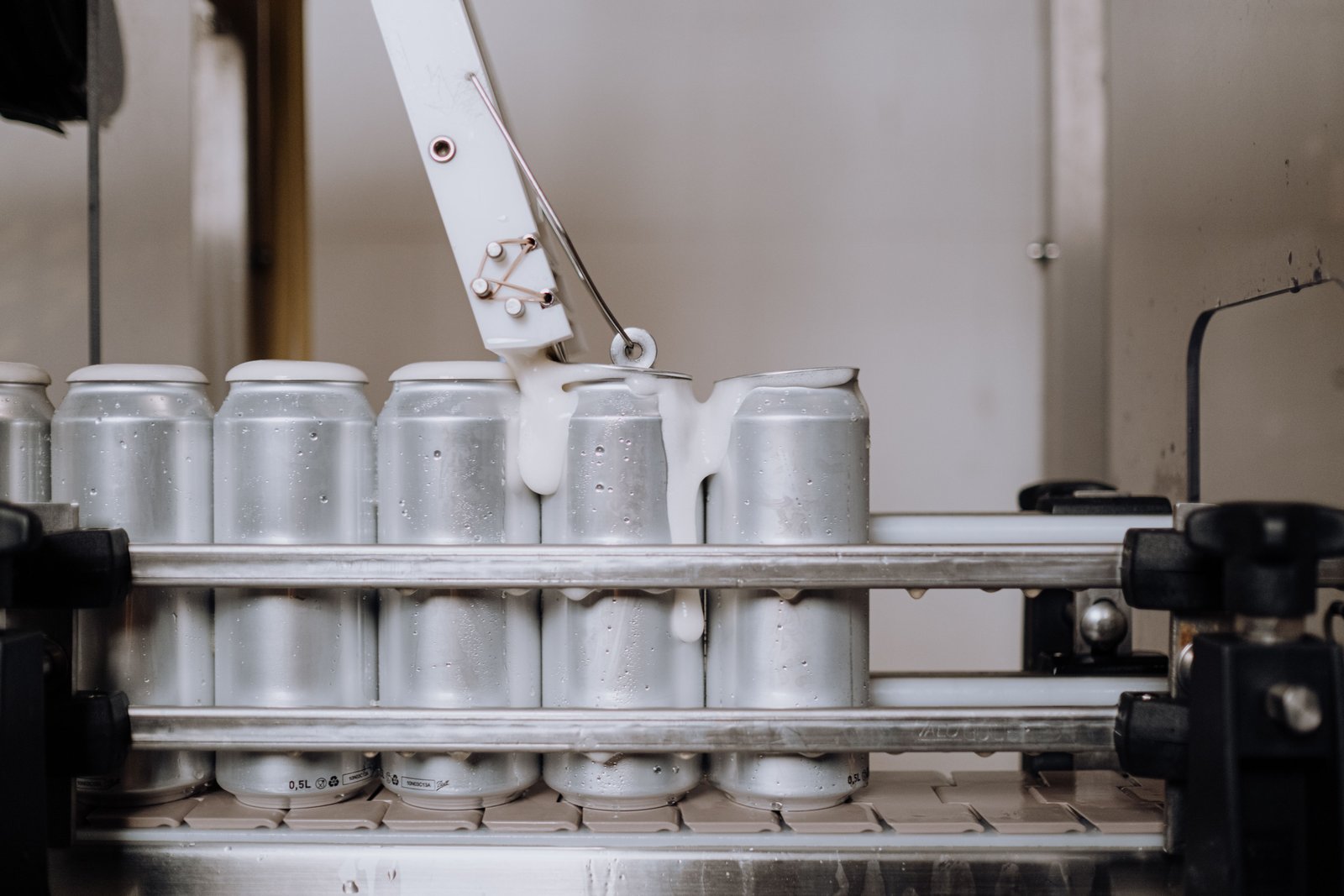
Artificial Intelligence Is Revolutionizing Food Manufacturing Through Smarter Operations, Improved Quality Control, and Greater Production Efficiency
The food and beverage industry is experiencing a significant technological transformation as artificial intelligence (AI) becomes increasingly integrated into food production and manufacturing processes. Faced with rising operational costs, labor shortages, supply chain disruptions, and growing consumer demand for quality and consistency, food manufacturers are investing heavily in AI-powered solutions to improve productivity and competitiveness.
For decades, food production relied heavily on manual processes, traditional machinery, and human supervision. While these systems supported large-scale manufacturing, they often struggled to provide the speed, accuracy, and flexibility required by modern markets. Today, AI technologies are helping manufacturers optimize operations, reduce waste, improve food safety, and enhance product quality throughout the production cycle.
From predictive maintenance and automated quality inspection to demand forecasting and intelligent supply chain management, artificial intelligence is becoming one of the most influential technologies shaping the future of food production. Industry leaders believe AI-driven manufacturing can help food companies navigate increasingly complex market conditions while improving efficiency and profitability.
Rising Production Costs Encourage Innovation
Food manufacturers around the world are facing increasing cost pressures.
Several factors are contributing to higher operating expenses, including:
- Raw material price fluctuations
- Labor shortages
- Energy costs
- Transportation expenses
- Regulatory compliance requirements
Maintaining profitability while meeting consumer expectations has become increasingly challenging. Artificial intelligence provides manufacturers with tools that help identify inefficiencies and optimize production processes. By improving operational performance, AI enables companies to reduce costs while maintaining product quality and output levels. As competitive pressures intensify, technology investment is becoming a strategic necessity rather than an optional enhancement.
Predictive Maintenance Reduces Equipment Downtime
Equipment reliability is critical in food manufacturing environments.
Unexpected machinery failures can result in:
- Production interruptions
- Product losses
- Increased maintenance costs
- Delivery delays
AI-powered predictive maintenance systems help manufacturers identify potential equipment issues before failures occur. Using data collected from sensors and connected devices, intelligent systems continuously monitor machinery performance and detect early warning signs of problems.
Benefits include:
- Reduced downtime
- Lower repair costs
- Improved production efficiency
- Extended equipment lifespan
Predictive maintenance is becoming one of the most widely adopted applications of artificial intelligence within food manufacturing facilities.
Quality Control Becomes More Accurate
Maintaining consistent product quality is essential for food manufacturers. Consumers expect products to meet strict standards regarding appearance, taste, texture, packaging, and safety. Artificial intelligence is helping improve quality assurance through advanced inspection technologies.
AI-powered systems can analyze products using:
- High-resolution cameras
- Computer vision technology
- Machine learning algorithms
These systems can detect:
- Packaging defects
- Product inconsistencies
- Labeling errors
- Contamination risks
Automated inspections often provide greater accuracy and consistency than manual quality control processes. As food safety requirements continue increasing, AI-driven quality assurance is becoming a valuable operational tool.
Demand Forecasting Improves Planning
Accurately predicting consumer demand has always been a challenge within the food industry. Overproduction can lead to waste and higher storage costs, while underproduction may result in shortages and lost sales opportunities.
Artificial intelligence helps manufacturers improve forecasting accuracy by analyzing:
- Historical sales data
- Consumer purchasing patterns
- Seasonal trends
- Market conditions
- Promotional activities
Better demand forecasts enable organizations to optimize inventory levels and production schedules. Improved planning reduces waste while ensuring products remain available when consumers need them. Data-driven forecasting is becoming increasingly important in dynamic food markets.
Food Waste Reduction Gains Attention
Food waste remains a major challenge throughout global supply chains. Manufacturers are under increasing pressure to improve sustainability and reduce resource losses.
AI technologies contribute to waste reduction by improving:
- Production planning
- Inventory management
- Supply chain visibility
- Quality monitoring
Intelligent systems help companies identify inefficiencies that may contribute to spoilage or product loss. Reducing waste benefits both environmental sustainability and financial performance. Many food manufacturers view waste reduction as one of the strongest business cases for AI adoption.
Smart Production Lines Increase Efficiency
Modern food production facilities are becoming increasingly automated and connected. AI-powered production lines can monitor and optimize operations in real time.
Applications include:
- Process control
- Equipment coordination
- Resource allocation
- Performance monitoring
- Production scheduling
Smart manufacturing systems continuously analyze operational data and recommend adjustments that improve efficiency. These capabilities enable organizations to maximize output while minimizing resource consumption. As production environments become more complex, intelligent automation is playing a larger role in operational management.
Supply Chain Management Becomes More Resilient
Food supply chains are often highly complex and sensitive to disruptions. Factors such as weather events, transportation delays, supplier challenges, and market fluctuations can affect production operations.
Artificial intelligence helps organizations improve supply chain resilience through:
- Risk monitoring
- Demand forecasting
- Inventory optimization
- Logistics planning
- Supplier performance analysis
Enhanced visibility enables manufacturers to respond more quickly to changing conditions and potential disruptions. Resilient supply chains are becoming increasingly important in today's global food industry.
Labor Challenges Accelerate Automation
Labor shortages continue affecting food manufacturing facilities in many regions. Recruiting and retaining workers for production roles has become increasingly difficult.
AI-powered automation helps address these challenges by supporting tasks such as:
- Sorting
- Inspection
- Packaging
- Monitoring
- Production management
Rather than completely replacing workers, many AI systems are designed to enhance workforce productivity and improve operational efficiency. The combination of human expertise and intelligent technology is helping manufacturers manage labor constraints more effectively.
Food Safety Monitoring Improves
Food safety remains one of the industry's highest priorities. Consumers, regulators, and retailers expect manufacturers to maintain strict safety standards throughout production processes.
Artificial intelligence supports food safety efforts by monitoring:
- Production conditions
- Equipment performance
- Temperature controls
- Contamination risks
- Compliance requirements
Real-time monitoring allows manufacturers to identify and address potential issues before they affect products. Enhanced food safety capabilities help protect consumers while reducing operational risks. As regulatory expectations continue evolving, AI is becoming an important component of food safety management systems.
Data-Driven Decision Making Gains Importance
Modern food manufacturing generates vast amounts of operational data. Artificial intelligence enables organizations to convert this information into actionable insights.
Decision-makers can access data regarding:
- Production efficiency
- Equipment performance
- Inventory levels
- Product quality
- Supply chain activities
Improved visibility supports faster and more informed decision-making. Companies that effectively utilize data often achieve stronger operational performance and competitive advantages. Data analytics is becoming a foundational capability within advanced food manufacturing environments.
Investment in Food Technology Continues Growing
The food and beverage sector is attracting increasing investment in digital transformation initiatives.
Manufacturers recognize the potential benefits of AI-powered technologies and are allocating resources toward:
- Automation systems
- Data analytics platforms
- Smart manufacturing solutions
- Quality control technologies
- Supply chain optimization tools
Technology providers are also developing specialized AI applications tailored to the unique requirements of food production environments. Growing investment activity is accelerating innovation throughout the industry.
Challenges Remain
Despite its benefits, AI implementation presents several challenges.
Organizations must address issues such as:
- Technology integration
- Data quality
- Employee training
- Cybersecurity concerns
- Implementation costs
Successful adoption requires careful planning and strong organizational support. Manufacturers must ensure that technology investments align with business objectives and operational needs.
Conclusion
Artificial intelligence is rapidly transforming food production and manufacturing operations worldwide. By improving efficiency, enhancing quality control, reducing waste, strengthening supply chains, and supporting better decision-making, AI is helping food manufacturers address many of the industry's most pressing challenges.
As consumer expectations continue evolving and operational pressures increase, intelligent technologies are becoming essential tools for maintaining competitiveness and achieving sustainable growth. The integration of AI into food manufacturing represents a major step forward for the industry, creating smarter, safer, and more efficient production systems capable of meeting the demands of a rapidly changing global marketplace.