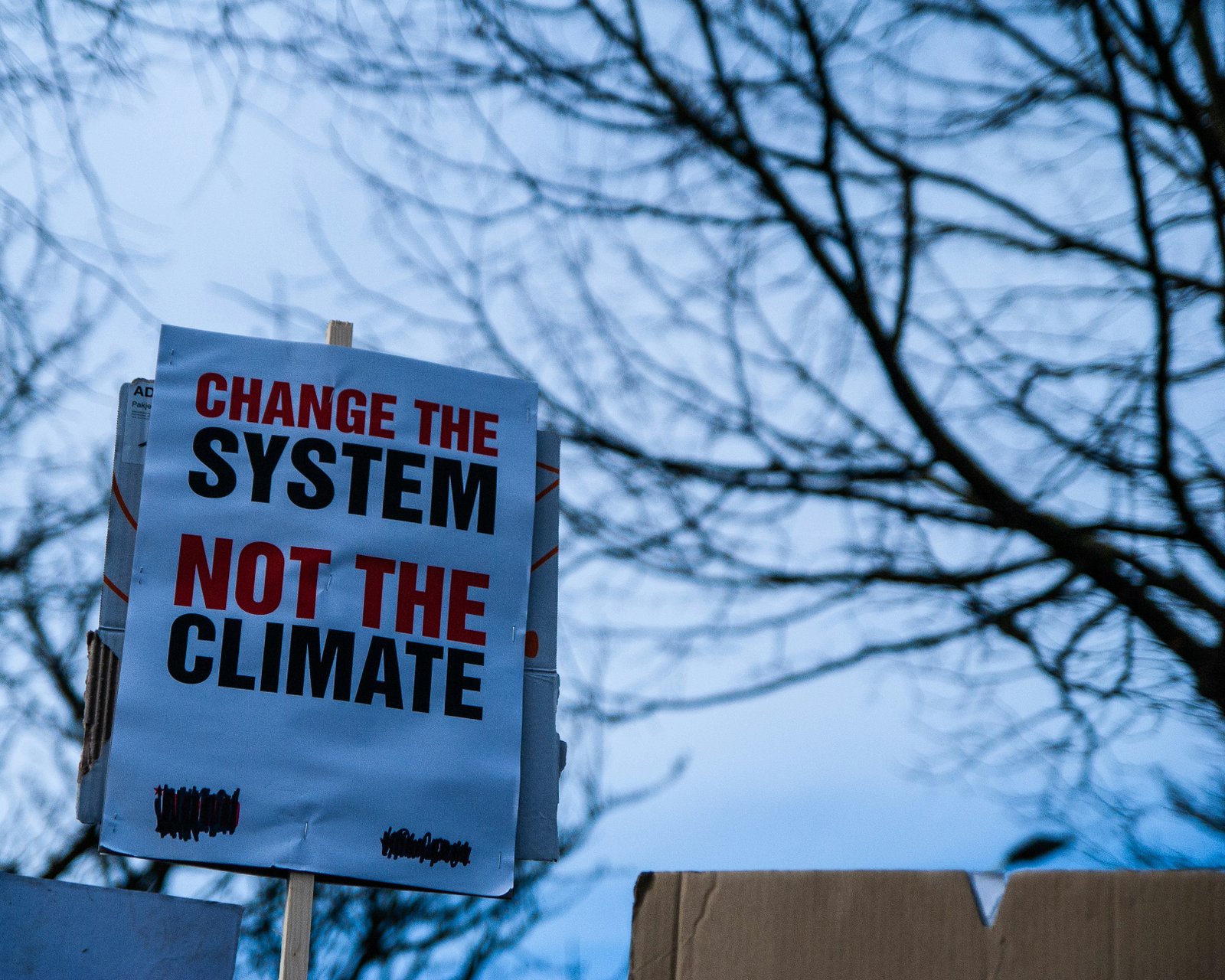
Climate-related challenges are becoming a defining factor in business decision-making as organizations across the globe adapt to an increasingly unpredictable environmental landscape. From extreme weather events and supply chain disruptions to sustainability regulations and investor expectations, climate risks are influencing how companies plan for the future.
In recent years, businesses have faced growing pressure to address environmental concerns while maintaining operational efficiency and profitability. Severe storms, droughts, floods, and heatwaves have demonstrated the vulnerability of global supply chains, prompting organizations to reassess risk management strategies.
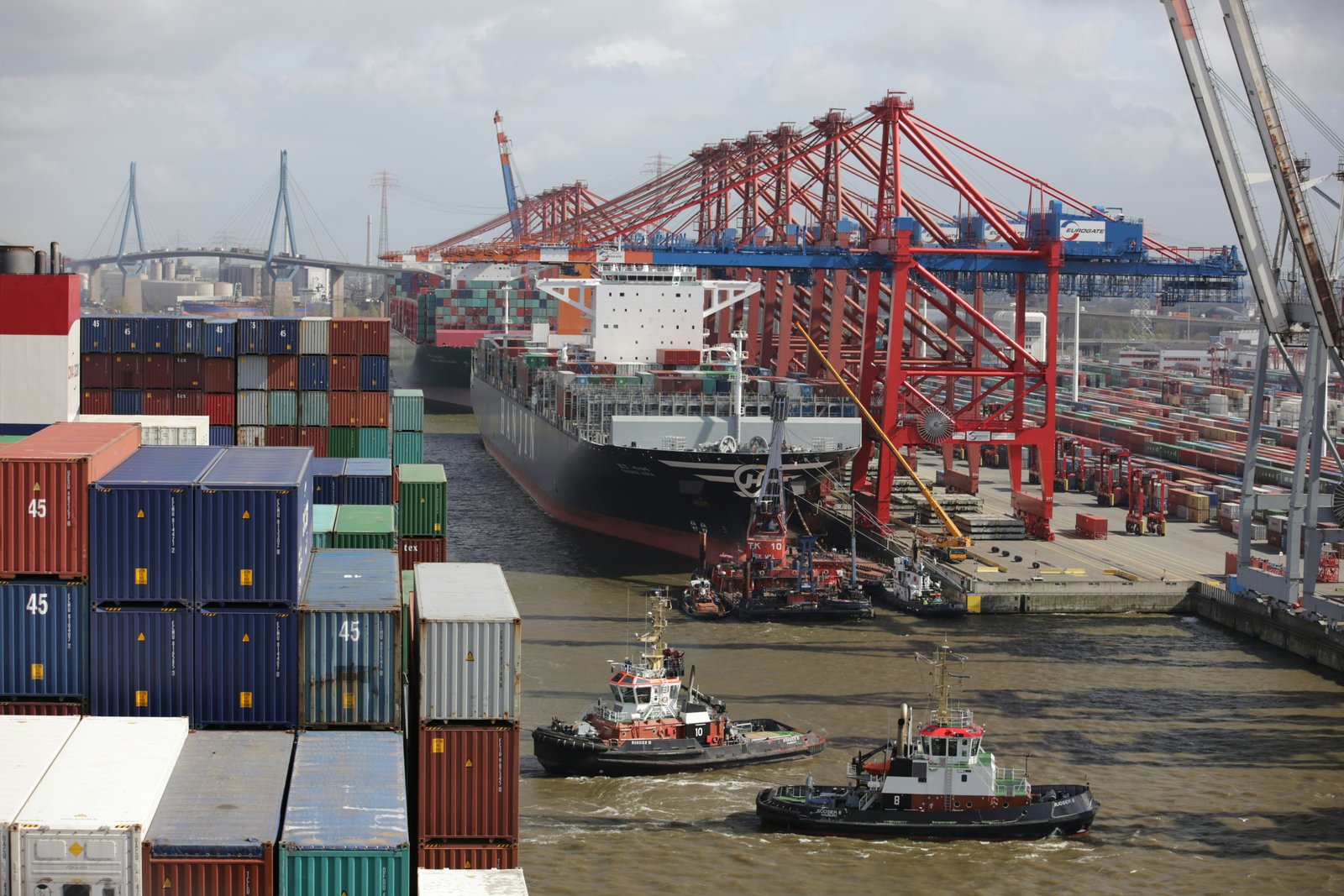
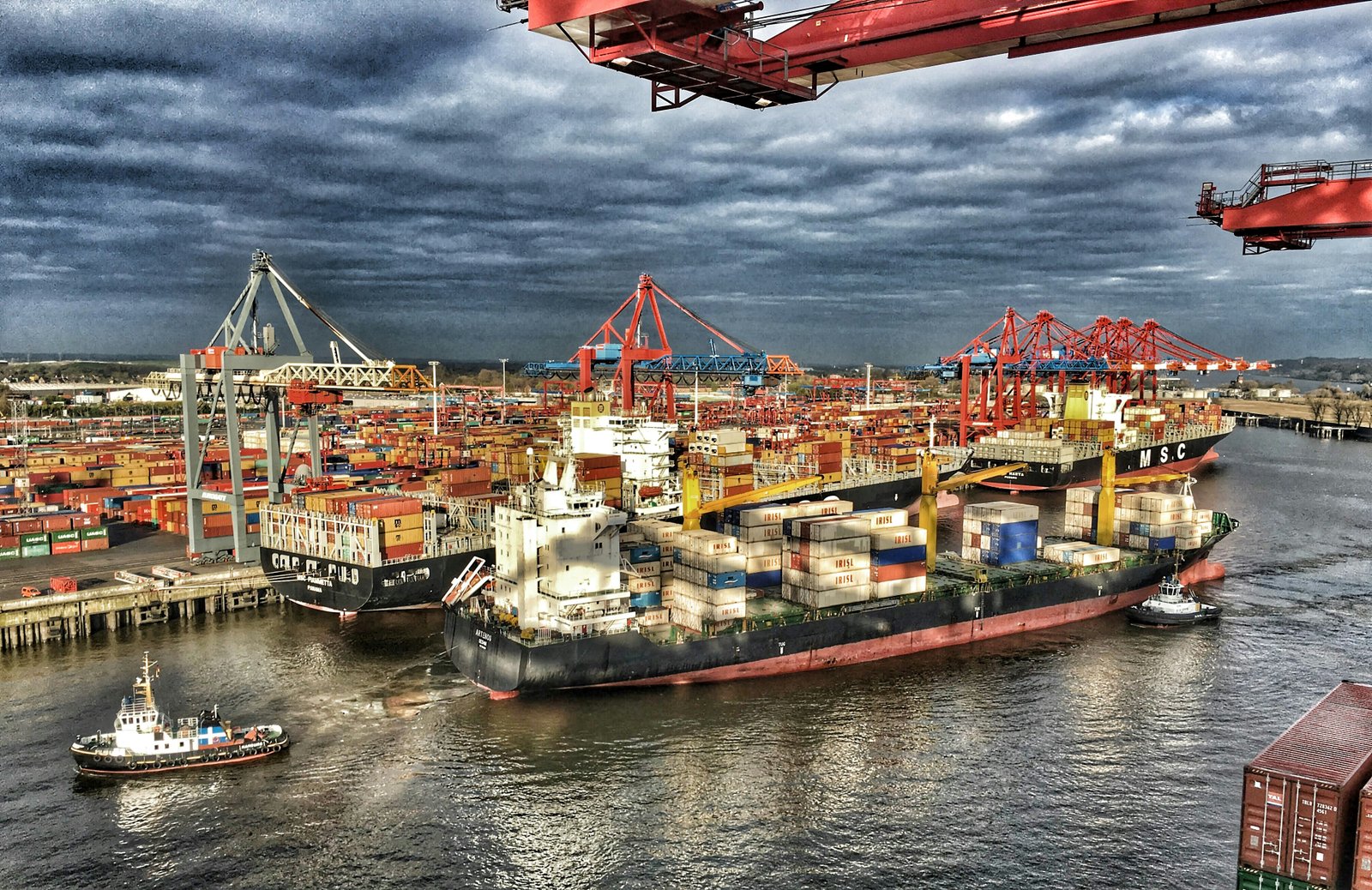
Supply chain resilience has become a key focus area. Companies are diversifying suppliers, investing in regional sourcing networks, and implementing technology solutions that provide greater visibility into supply chain operations. These measures are designed to reduce disruptions and improve business continuity during climate-related events.
Investors are also paying closer attention to sustainability performance. Environmental, Social, and Governance (ESG) considerations increasingly influence investment decisions, encouraging organizations to improve transparency and demonstrate long-term commitment to sustainable business practices. Businesses that effectively manage climate risks are often viewed as more resilient and attractive to stakeholders.
The transition toward cleaner energy sources is accelerating across industries. Many organizations have announced ambitious goals to reduce carbon emissions, increase renewable energy usage, and improve resource efficiency. Investments in solar energy, wind power, sustainable manufacturing, and energy-efficient technologies continue to grow as businesses seek to align with global sustainability objectives.
Regulatory developments are further shaping corporate strategies. Governments worldwide are introducing policies designed to encourage environmental responsibility and reduce greenhouse gas emissions. Organizations must stay informed about evolving regulations to ensure compliance while identifying opportunities for innovation and growth.
Technology is playing a crucial role in climate adaptation efforts. Artificial intelligence, predictive analytics, and advanced monitoring systems are helping businesses assess risks, optimize operations, and make data-driven sustainability decisions. These tools provide valuable insights that support both environmental and financial objectives.
Looking ahead, climate resilience is expected to become an increasingly important competitive advantage. Companies that proactively address environmental risks and integrate sustainability into their business models are likely to strengthen stakeholder trust, improve operational stability, and position themselves for long-term success in a rapidly changing world.




.jpg)