Geopolitical developments are increasingly influencing global business decisions, forcing organizations to rethink supply chains, investment strategies, and long-term growth plans. In 2026, rising international tensions and shifting economic alliances continue to create uncertainty for companies operating across multiple markets.
Globalization has enabled businesses to expand operations and access new markets over the past several decades. However, recent geopolitical developments have highlighted the risks associated with highly interconnected global systems. Trade restrictions, economic sanctions, and regional conflicts are prompting organizations to evaluate their exposure to geopolitical uncertainty.
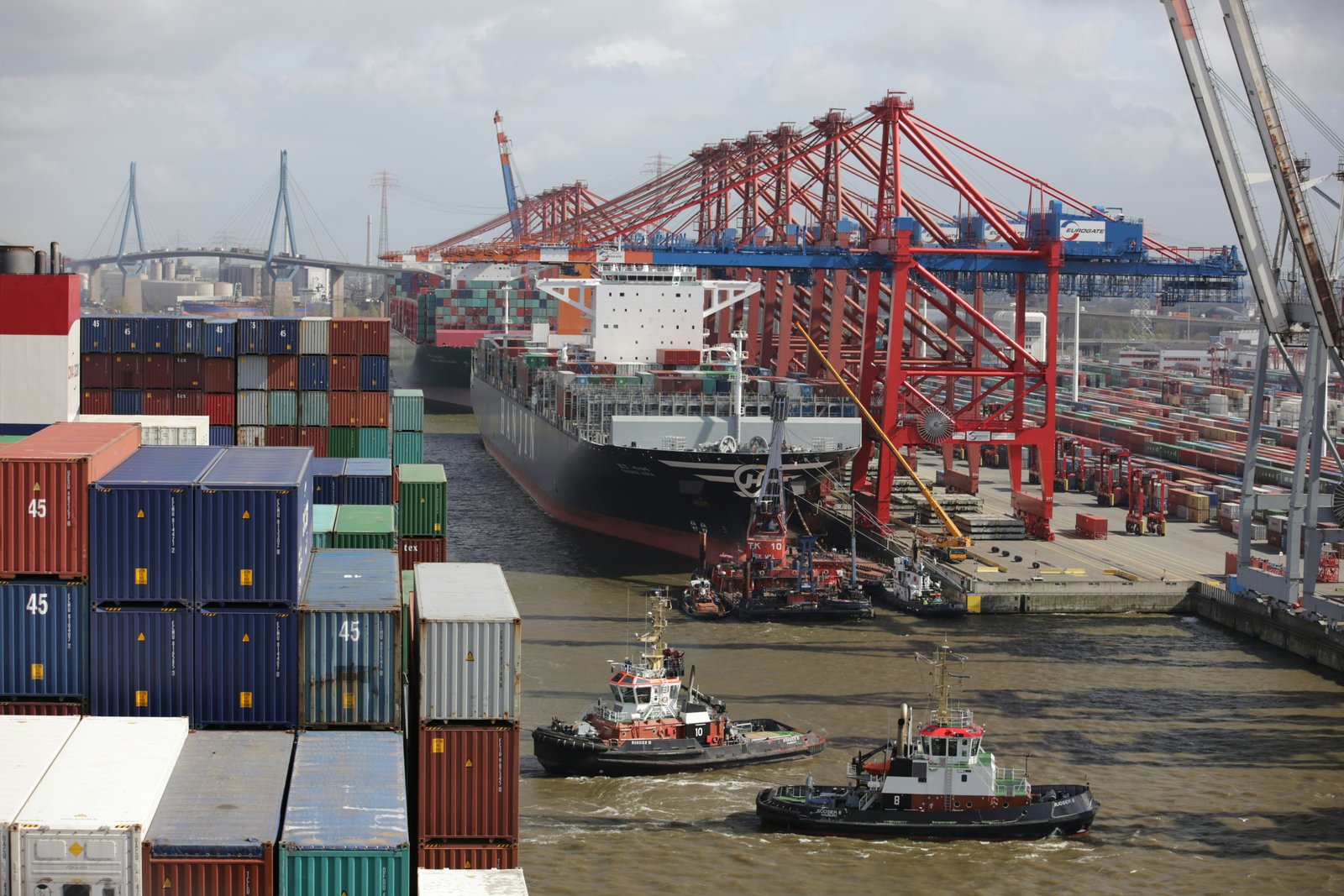
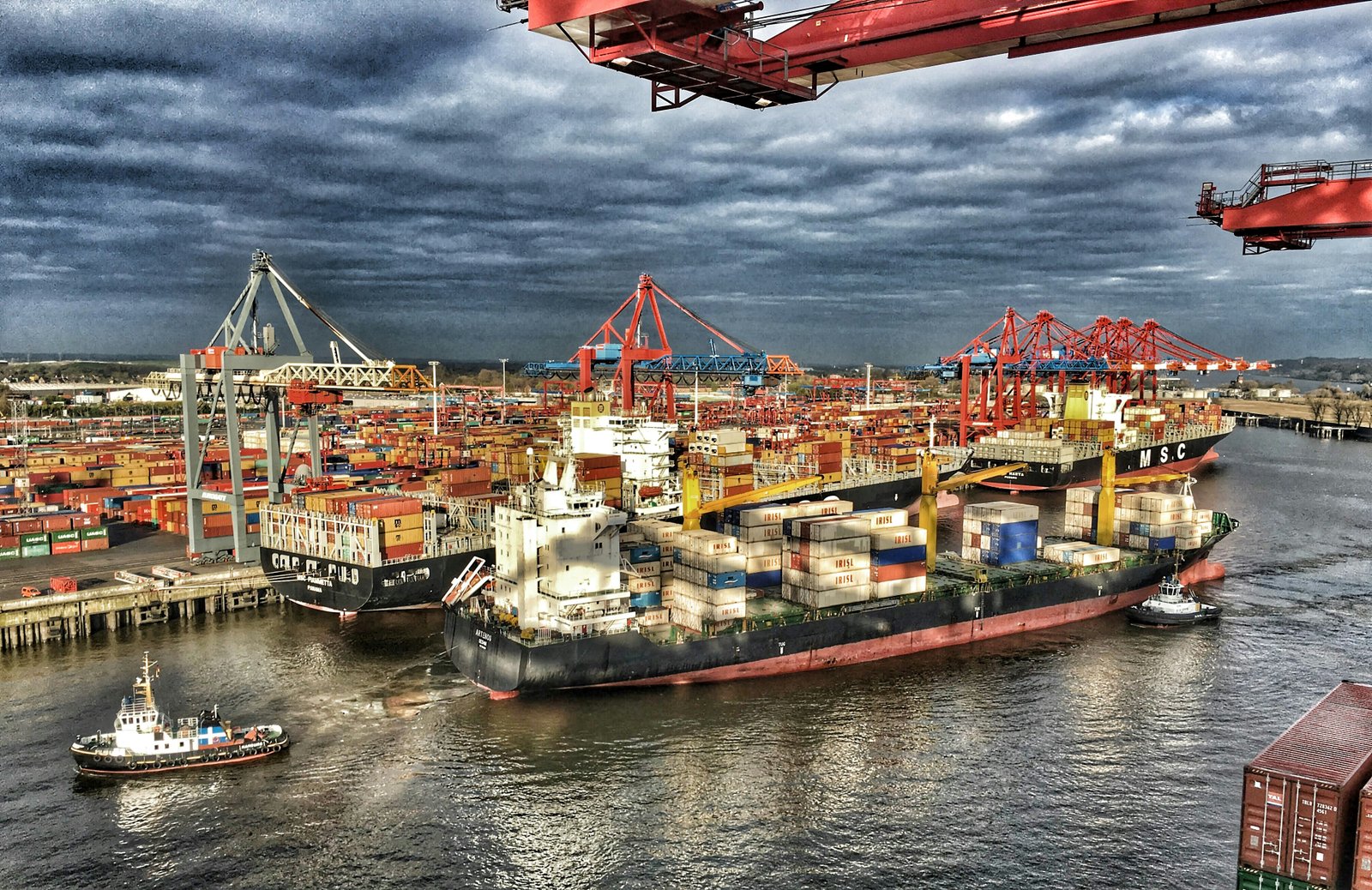
Supply chain resilience has emerged as a major priority for business leaders. Many companies are diversifying suppliers, increasing inventory buffers, and exploring regional manufacturing options to reduce dependency on specific countries or regions. These strategies aim to minimize disruptions while maintaining operational continuity.
Technology has become a central focus of geopolitical competition. Advanced semiconductors, artificial intelligence, telecommunications infrastructure, and cybersecurity capabilities are increasingly viewed as strategic assets. Governments are implementing policies designed to strengthen domestic technology sectors and reduce reliance on foreign suppliers.
The evolving geopolitical environment is also influencing investment decisions. Organizations are conducting more extensive risk assessments before entering new markets or expanding international operations. Factors such as regulatory stability, political relationships, and economic policies are playing a larger role in strategic planning processes.
Energy security remains another significant concern. Fluctuations in energy markets and changing geopolitical dynamics have highlighted the importance of stable and diversified energy sources. Businesses are investing in renewable energy solutions and sustainability initiatives to reduce exposure to market volatility.
For multinational corporations, navigating geopolitical complexity requires a balanced approach. Companies must remain agile while maintaining compliance with changing regulations and trade requirements. Strategic flexibility has become a key competitive advantage in an increasingly unpredictable global environment.
Despite the challenges, opportunities continue to emerge. Businesses that successfully adapt to changing geopolitical conditions may discover new markets, strengthen operational resilience, and enhance long-term growth prospects. Organizations that proactively monitor global developments are better positioned to respond effectively to evolving risks.
Industry experts believe geopolitical considerations will remain a defining factor in business strategy throughout the remainder of the decade. As international relationships continue to evolve, companies will need to balance growth ambitions with risk management, ensuring they remain resilient in an increasingly interconnected yet uncertain world.




.jpg)