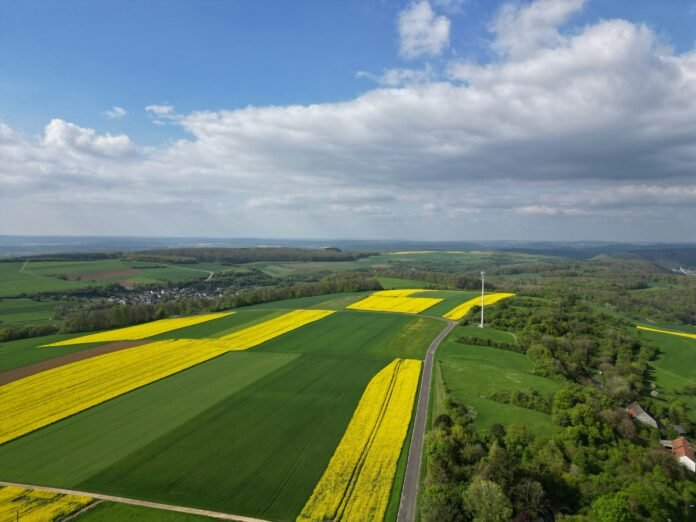
The world’s food system stands at a crossroads. With the global population projected to reach nearly 10 billion by 2050, agriculture must produce more food while drastically reducing its environmental impact. From Europe’s regenerative farms to Africa’s climate-resilient systems, sustainable agriculture is emerging as the solution to feed the planet responsibly.
What Is Sustainable Agriculture?
Sustainable agriculture is an approach that balances productivity with environmental and social well-being. It emphasizes soil health, biodiversity, water conservation, renewable energy, and fair livelihoods for farmers. Unlike industrial farming, which often relies on heavy chemical use, sustainable agriculture promotes natural cycles, renewable inputs, and ecological balance.
Core principles include:
– Resource efficiency: Optimizing water, soil, and energy use.
– Biodiversity preservation: Maintaining natural ecosystems and crop variety.
– Social equity: Supporting smallholder farmers and local communities.
– Economic viability: Ensuring farmers earn fair returns while preserving resources for the future.
Global Drivers Behind the Shift
The move toward sustainable agriculture is driven by multiple global forces:
1. Climate Change – Agriculture contributes nearly 25% of global greenhouse-gas emissions. Reducing emissions through carbon-smart practices is now urgent.
2. Consumer Demand – Shoppers increasingly prefer sustainable, organic, and traceable food products.
3. Government Policies – Many countries, from the EU’s Green Deal to India’s Paramparagat Krishi Vikas Yojana, are incentivizing sustainable farming.
4. Private Investment – Agritech startups and major corporations are investing heavily in green innovations, from vertical farming to soil regeneration.
Sustainable Farming Practices Around the World
1. Regenerative Agriculture (North America & Europe)
Regenerative agriculture restores soil health through cover cropping, no-till farming, crop rotation, and composting. It helps sequester carbon and increase yield resilience. Giants like General Mills and Nestlé have committed to converting millions of hectares to regenerative systems.
2. Agroforestry (Africa & Latin America)
Farmers integrate trees with crops and livestock, improving soil fertility and biodiversity. In Kenya, the Green Belt Movement has restored thousands of hectares while empowering rural women.
3. Precision Agriculture (Asia & Oceania)
Digital tools, IoT sensors, and satellite mapping enable farmers to reduce fertilizer use and water waste. In Australia, smart irrigation has cut water consumption by up to 40% in certain regions.
4. Organic Farming (Global)
Organic farmland now covers over 76 million hectares worldwide. The demand for organic produce continues to grow, especially in North America and Western Europe.
Technological Innovations Supporting Sustainability
– Drones and Sensors: Used to monitor crop health, detect stress, and apply inputs precisely.
– Artificial Intelligence: Predicts weather patterns, pests, and soil moisture.
– Blockchain: Ensures traceability and transparency from farm to table.
– Biotech Seeds: Designed for drought resistance and lower chemical dependency.
– Renewable Energy Integration: Solar-powered irrigation and bioenergy reduce carbon footprints.
Economic and Environmental Benefits
Sustainable agriculture provides dual benefits:
– Environmental gains: Reduced emissions, cleaner water, and richer biodiversity.
– Economic resilience: Farmers save costs on inputs, access premium markets, and improve yields over time.
Challenges in Global Adoption
While the shift is accelerating, obstacles remain:
– High transition costs for small and medium farms.
– Policy inconsistencies between nations.
– Limited awareness and education among rural farmers.
– Infrastructure gaps for renewable energy and data systems.
The Role of Consumers and Corporations
The journey to sustainable agriculture extends beyond farms. Consumers drive change through their purchasing choices, while corporations adopt ESG (Environmental, Social, and Governance) standards. Brands that implement sustainable sourcing and supply-chain transparency are gaining customer loyalty and regulatory benefits.
Looking Ahead
By 2030, the global sustainable agriculture market is projected to exceed $20 billion, as both developing and developed countries integrate green farming into national policies. If the current momentum continues, the next decade could see agriculture evolve into a carbon-neutral, tech-enabled, and socially inclusive sector.
Conclusion
Sustainable agriculture is more than a trend — it’s the backbone of a secure and thriving global food future. Through collaboration, innovation, and conscious consumption, the world can achieve food security without compromising the planet’s health. The transition may be complex, but it is already redefining how we grow, trade, and consume food on a global scale.
The Global Shift to Sustainable Agriculture: Building a Greener Future