San Francisco — October 2025
The healthcare industry is witnessing an unprecedented digital revolution, led not by traditional hospitals or pharmaceutical giants, but by digital health startups. These agile innovators are redefining how patients access, experience, and engage with healthcare — from AI-driven diagnostics to wearable health tracking and virtual consultations.
Fueled by technological advancement and investor enthusiasm, the global digital health market is expected to exceed $650 billion by 2030, according to McKinsey & Company. This explosive growth signals a shift toward a patient-centric, technology-driven model that emphasizes accessibility, personalization, and prevention.
> “We’re entering an era where healthcare is proactive, not reactive,” said Dr. Lina Gomez, Chief Innovation Officer at HealthX Global. “Digital health startups are putting control back into patients’ hands through technology.”
The Digital Health Boom: A Global Phenomenon
Across the world, digital health startups are bridging long-standing gaps in access and affordability. In the United States, platforms like Teladoc Health and Livongo have pioneered remote monitoring and chronic disease management. In India, startups such as Practo and Cure.fit are combining telemedicine, fitness, and preventive healthcare into holistic digital ecosystems.
Meanwhile, Europe is seeing a surge in health data companies like Doctolib (France) and Ada Health (Germany), which provide AI-powered symptom assessments and appointment booking tools. In the Middle East, platforms like Altibbi and Okadoc are making healthcare accessible to remote populations through Arabic-language virtual consultations.
Key Technologies Powering Digital Health
The backbone of digital healthcare innovation lies in four major technologies: AI, IoT, cloud computing, and big data analytics.
1. Artificial Intelligence (AI): Startups are using AI to interpret medical images, predict disease risks, and personalize treatment plans. AI chatbots, such as Babylon Health, offer real-time health assessments using patient inputs and clinical databases.
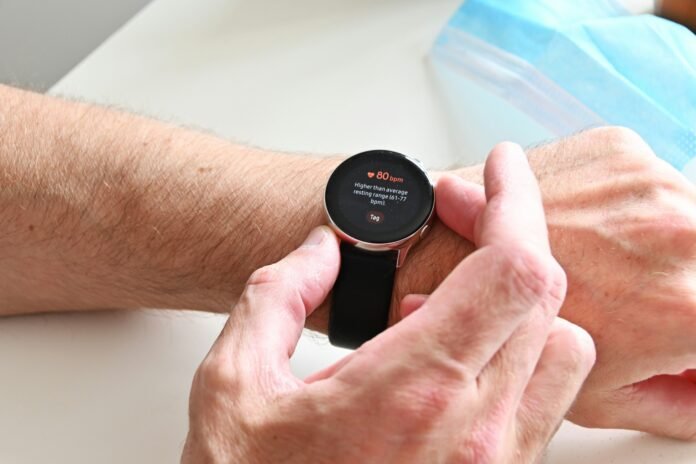
2. Internet of Things (IoT): Connected devices — from smartwatches to glucose monitors — continuously collect patient data, enabling early detection of health anomalies.
3. Cloud and Data Analytics: Digital platforms integrate data from hospitals, pharmacies, and patients to provide seamless care coordination.
4. Blockchain: Ensures data integrity and patient privacy in a sector that’s increasingly digital and decentralized.
> “The fusion of data and empathy is what makes digital health so powerful,” said Raj Mehta, founder of India-based startup Healy.io. “We’re not replacing doctors — we’re amplifying their reach.”
Redefining the Patient Experience
Traditionally, healthcare has been institution-centric. Patients visited hospitals or clinics for treatment, often after symptoms appeared. Digital health flips this model — turning smartphones into personal health hubs.
Patients can now book consultations, receive prescriptions, monitor vitals, and even access AI-based therapy — all through mobile apps. Startups like Calm and Headspace are revolutionizing mental health care, while Zocdoc simplifies appointment scheduling across thousands of providers.
This digital convenience has particularly benefited millennials and Gen Z, who prefer real-time, remote access to healthcare over in-person appointments.
The Investment Landscape: Record Funding and Global Expansion
Venture capital investment in digital health startups reached $30 billion in 2024, according to CB Insights. The U.S. and Asia lead the charge, with a surge of healthtech unicorns emerging across markets like Singapore, Dubai, and Bangalore.
Startups focusing on AI diagnostics, remote patient monitoring, and personalized medicine are attracting the largest funding rounds. For example, Tempus AI raised $1 billion for its precision oncology platform, while HealthifyMe expanded its AI nutrition assistant across Southeast Asia.
> “Healthcare innovation is no longer confined to labs — it’s happening in code,” said Samantha Reid, partner at MedTech Ventures. “Investors are betting on startups that can scale empathy through algorithms.”
The Role of Data: From Insights to Intelligence
Data is the lifeblood of digital healthcare. Startups now leverage billions of health data points to identify trends, predict outbreaks, and personalize care.
AI-driven predictive models can flag potential health crises days or weeks before they occur. For instance, AliveCor’s KardiaMobile uses ECG data from a smartphone attachment to predict atrial fibrillation, helping prevent strokes. Similarly, Apple Health integrates wearable data with EHRs, enabling early diagnosis and continuous care.
However, this data revolution also brings challenges around privacy and cybersecurity. Startups must comply with GDPR, HIPAA, and local data protection laws while ensuring transparency and trust.
Global Collaboration and Partnerships
A growing number of startups are collaborating with hospitals, insurers, and governments to scale their impact. In Africa, Zipline uses drones to deliver medical supplies to remote regions. In the UAE, PureHealth has partnered with digital health firms to build an integrated AI-driven national health platform.
In Europe, the European Innovation Council (EIC) is funding hundreds of healthtech startups focused on personalized medicine and mental health AI, fostering a vibrant ecosystem of innovation.
Barriers to Adoption
Despite rapid progress, digital health still faces barriers. Many developing regions struggle with low digital literacy and limited internet connectivity. Regulatory approval processes can be lengthy, especially for AI-based medical devices.
Furthermore, skepticism among traditional healthcare professionals remains a hurdle. Training, awareness, and collaboration are essential to ensure doctors view digital platforms as allies, not competitors.
The Future: Connected, Predictive, and Preventive Healthcare
The next wave of digital health will move beyond apps and wearables toward fully connected ecosystems powered by 5G, AI, and real-time analytics. Patients will receive predictive insights long before illness develops, and doctors will treat with precision rather than probability.
> “Healthcare 5.0 is not about technology — it’s about transformation,” said Gomez. “Startups are creating a world where prevention becomes the new cure.”
As global healthcare shifts toward personalization and efficiency, digital health startups will remain at the forefront — blending data science, empathy, and innovation to build a healthier, more connected world.
The Rise of Digital Health Startups: How Technology is Redefining Patient Care