Innovative Redevelopment Strategies Are Revitalizing Existing Buildings While Supporting Sustainable Urban Growth
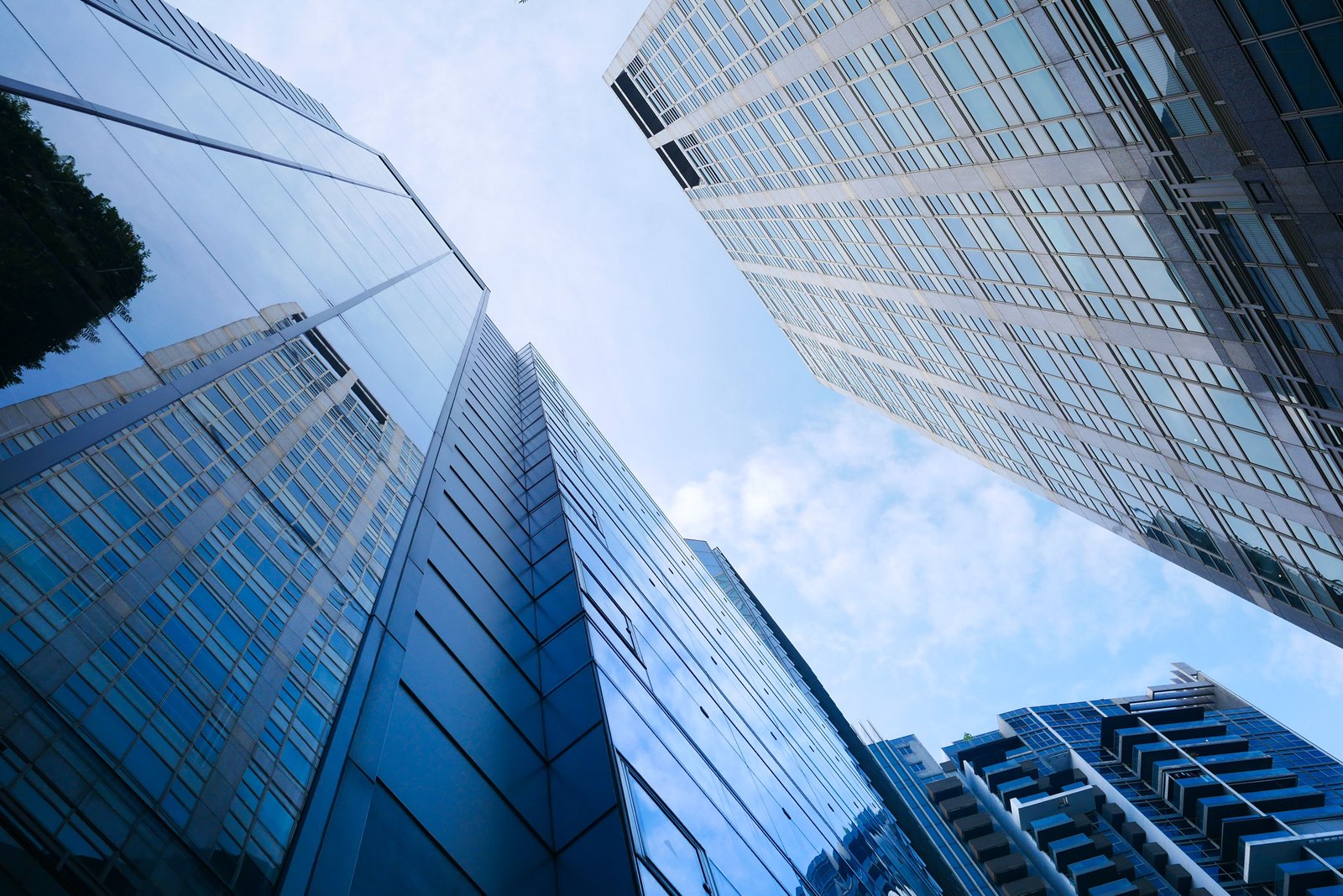
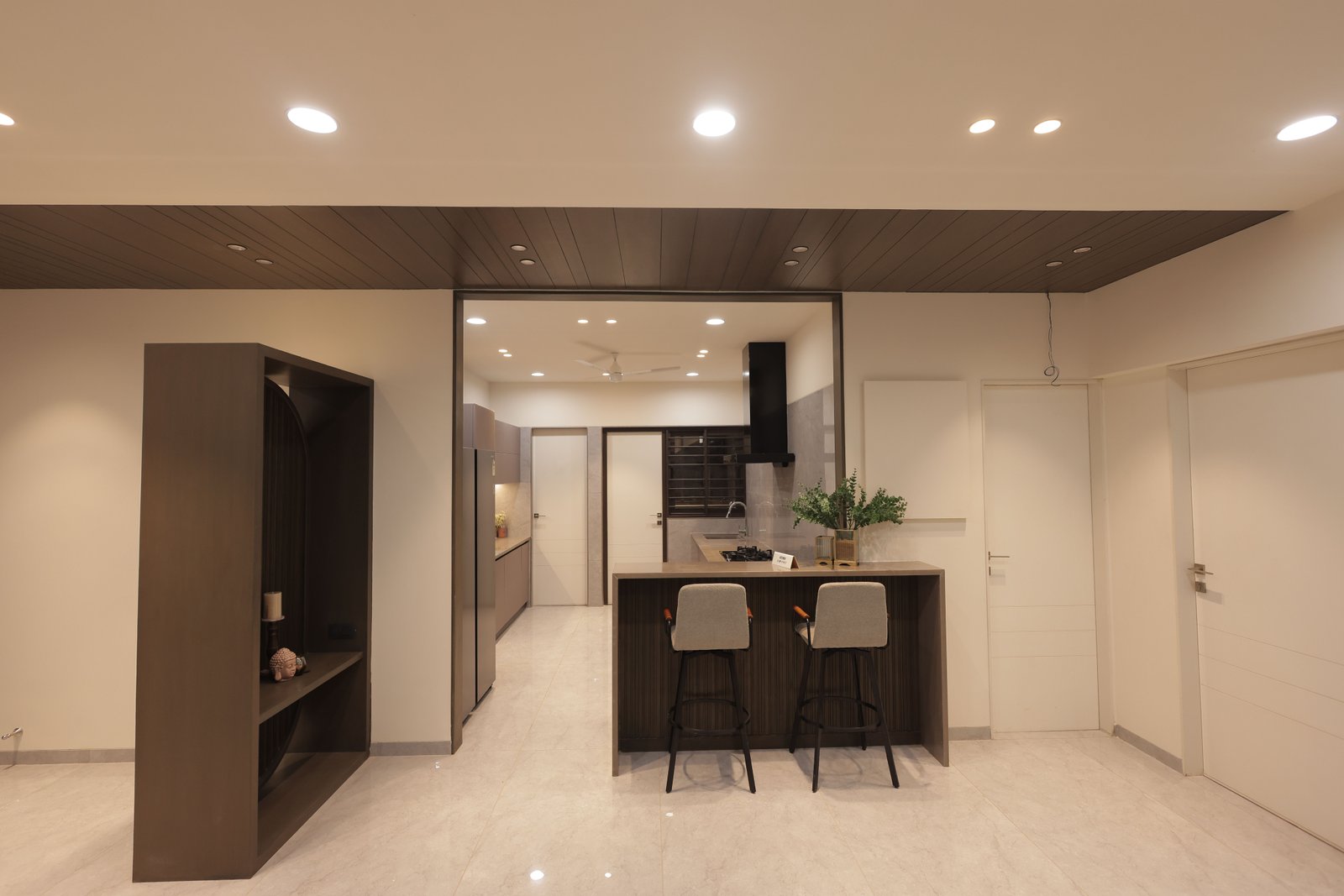
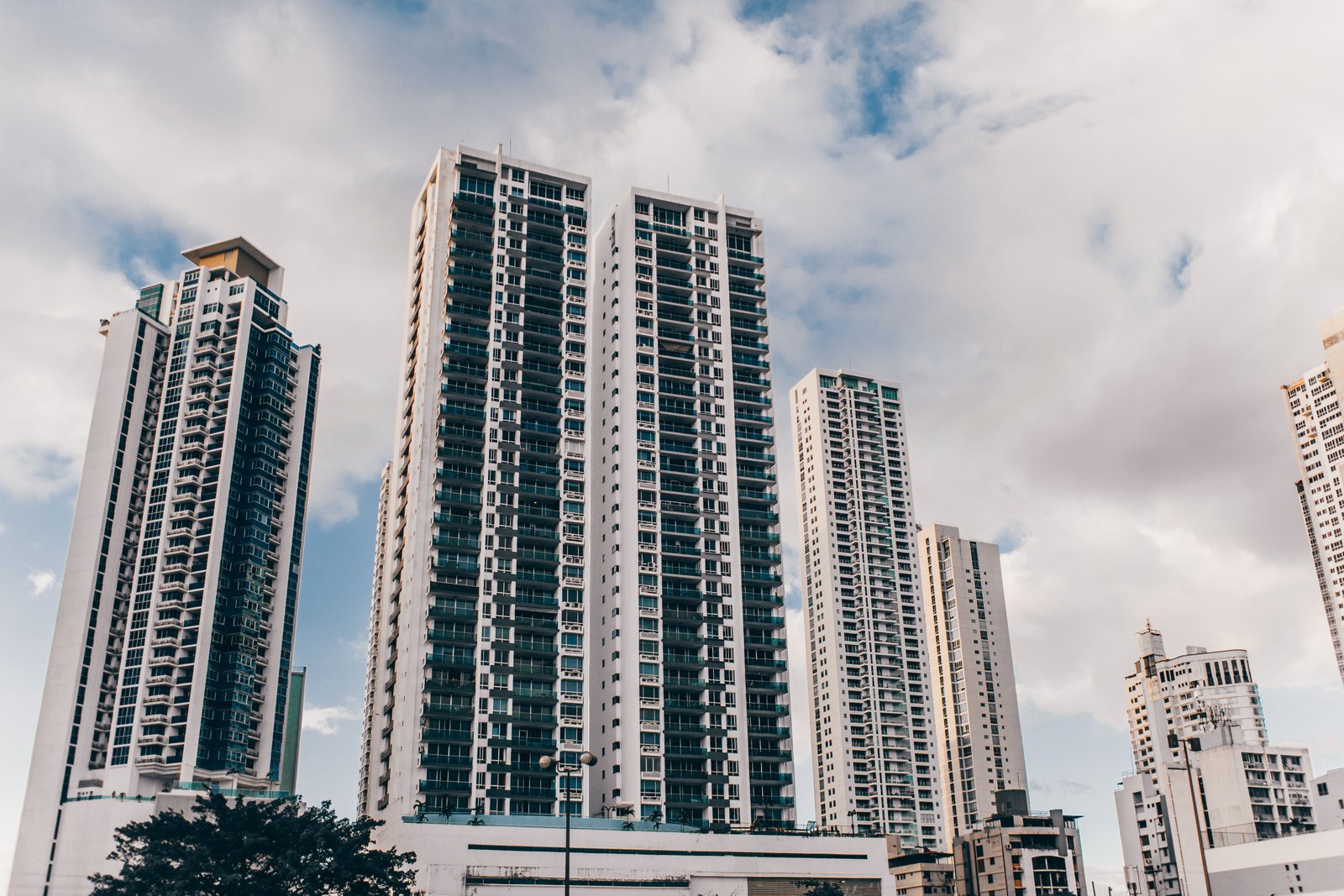
Cities around the world are witnessing a growing shift toward adaptive reuse as developers, investors, and urban planners seek innovative ways to revitalize aging commercial properties. Rather than demolishing outdated buildings and constructing entirely new developments, adaptive reuse involves transforming existing structures into modern residential communities, mixed-use developments, hotels, healthcare facilities, educational campuses, cultural spaces, and innovation hubs.
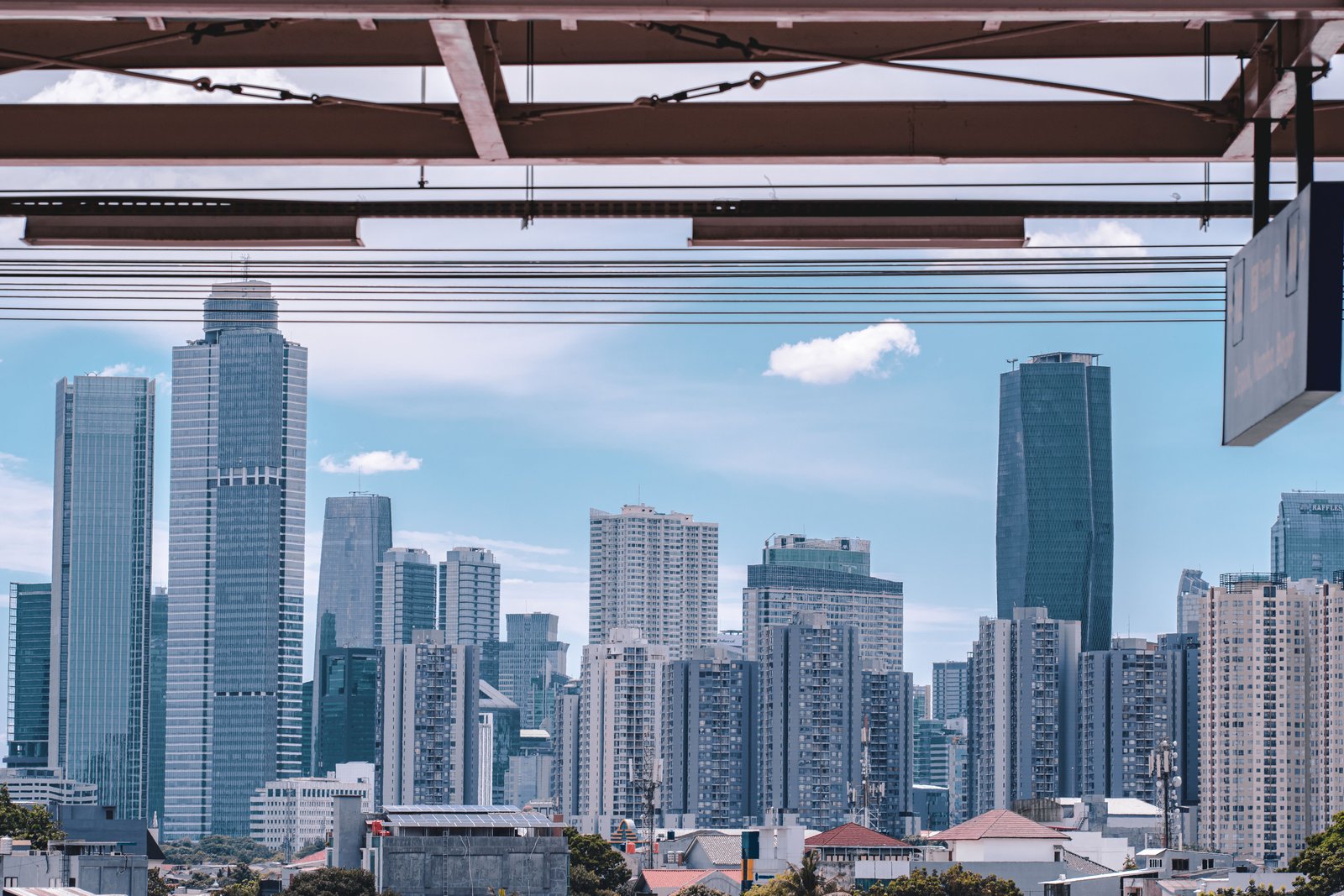
As urban land becomes increasingly scarce and sustainability takes center stage, adaptive reuse has emerged as a practical solution that preserves valuable infrastructure while reducing construction waste, minimizing environmental impact, and accelerating project delivery. Older office buildings, shopping centers, warehouses, factories, and historic properties are finding new purpose through creative redevelopment strategies that align with evolving market demands.
Developers are increasingly combining modern architecture, digital building technologies, energy-efficient systems, and sustainable construction practices to breathe new life into existing properties while preserving their historical and cultural significance. Industry experts believe adaptive reuse will become an increasingly important strategy for urban regeneration, enabling cities to maximize existing assets while creating vibrant communities and supporting long-term economic development.
Existing Buildings Find New Purpose
Many commercial buildings constructed decades ago no longer meet modern business or consumer requirements. Instead of replacing these structures entirely, developers are repurposing them into assets that better reflect changing market needs.
Adaptive reuse projects commonly include:
- Office-to-residential conversions
- Warehouse redevelopments
- Mixed-use communities
- Hotels and hospitality spaces
- Healthcare facilities
- Educational campuses
Reimagining existing buildings extends asset lifecycles while reducing the need for new land development. Urban transformation begins with existing infrastructure.
Sustainability Drives Redevelopment
Adaptive reuse contributes significantly to environmental sustainability. Retaining major structural components reduces the demand for new construction materials while minimizing demolition waste.
Environmental benefits include:
- Lower construction waste
- Reduced embodied carbon
- Resource conservation
- Improved energy efficiency
- Preservation of existing infrastructure
Developers increasingly integrate green building technologies during renovation projects to further improve environmental performance. Sustainable redevelopment supports broader climate objectives.
Urban Regeneration Revitalizes Communities
Redeveloping underutilized properties helps stimulate economic activity in established urban areas.
Adaptive reuse projects contribute to:
- Neighborhood revitalization
- Increased property values
- Local business growth
- Public space improvements
- Community engagement
Transforming vacant or aging buildings into productive assets strengthens surrounding communities while supporting long-term urban development. Regeneration enhances both economic and social value.
Modern Technology Improves Renovation Planning
Digital technologies are helping developers evaluate and manage adaptive reuse projects more efficiently.
Modern planning tools include:
- Building Information Modeling (BIM)
- 3D laser scanning
- Digital twins
- Artificial intelligence
- Structural analysis software
These technologies improve design accuracy while identifying potential engineering challenges before construction begins. Digital innovation reduces project risks and improves planning efficiency.
Mixed-Use Developments Increase Property Value
Many adaptive reuse projects integrate multiple property functions within a single development.
Common combinations include:
- Residential apartments
- Retail spaces
- Office facilities
- Restaurants
- Entertainment venues
- Public gathering areas
Mixed-use environments create vibrant destinations that encourage economic activity throughout the day. Integrated developments maximize property utilization.
Historic Preservation Adds Long-Term Value
Historic buildings often possess architectural features that cannot easily be replicated in modern construction.
Developers increasingly preserve:
- Historic facades
- Original structural elements
- Architectural details
- Cultural landmarks
- Heritage features
Combining historic preservation with contemporary functionality creates unique real estate assets while protecting cultural identity. Preservation enhances community character.
Smart Building Systems Modernize Older Properties
Adaptive reuse projects frequently incorporate advanced building technologies to improve operational performance.
Modern upgrades include:
- Intelligent building management systems
- Energy-efficient lighting
- Smart HVAC controls
- IoT-enabled monitoring
- Digital security systems
These technologies increase building efficiency while improving occupant comfort and reducing operating costs. Smart infrastructure extends building performance.
Investment Opportunities Continue Expanding
Institutional investors increasingly recognize adaptive reuse as an attractive long-term investment strategy.
Investment advantages include:
- Faster project timelines
- Reduced land acquisition costs
- Strong urban locations
- Sustainability benefits
- Long-term asset appreciation
Repurposed properties often attract tenants seeking distinctive spaces in established urban environments. Adaptive reuse supports diversified investment portfolios.
Challenges Remain
Despite growing momentum, adaptive reuse projects continue facing several challenges.
These include:
- Structural limitations
- Regulatory approvals
- Historic preservation requirements
- Construction complexity
- Financing considerations
Successful redevelopment requires collaboration among architects, engineers, developers, local authorities, and community stakeholders. Strategic planning remains essential.
Conclusion
Adaptive reuse is transforming the real estate industry by giving aging commercial properties new purpose while supporting sustainability, urban regeneration, and long-term economic growth. By combining modern technologies, energy-efficient upgrades, historic preservation, and innovative design, developers are creating high-value properties that respond to evolving market demands without requiring entirely new construction.
As cities continue prioritizing sustainable development and efficient land use, adaptive reuse will become an increasingly important strategy for maximizing existing infrastructure while strengthening urban resilience. The continued growth of adaptive reuse reflects a broader transformation in real estate, where innovation, sustainability, and thoughtful redevelopment are helping create more vibrant, efficient, and future-ready communities.