Integrated Mobility, Mixed-Use Communities, and Sustainable Planning Are Redefining the Future of Urban Development
Urbanization, population growth, and increasing demand for efficient transportation are driving the rapid expansion of transit-oriented developments (TODs) across cities worldwide. By integrating residential, commercial, retail, and recreational spaces around public transportation hubs, developers and urban planners are creating connected communities that promote accessibility, reduce traffic congestion, and support sustainable economic growth.
Transit-oriented developments are designed to maximize the benefits of public transportation by placing homes, offices, retail centers, educational institutions, healthcare facilities, and public spaces within walking or cycling distance of metro stations, rail networks, bus terminals, and other mobility hubs. These projects encourage reduced dependence on private vehicles while creating vibrant neighborhoods that support live-work-play lifestyles.
Governments, infrastructure agencies, and private developers are increasingly collaborating on TOD initiatives to improve urban mobility, attract investment, and enhance the long-term value of surrounding real estate assets. Industry experts believe transit-oriented development will play a central role in shaping future cities by combining sustainable transportation, intelligent urban planning, and mixed-use real estate into integrated, people-focused communities.
Transportation Becomes a Catalyst for Development
Public transportation infrastructure is increasingly influencing real estate investment decisions.
Developers are planning projects around:
- Metro stations
- Railway corridors
- Bus rapid transit systems
- Multimodal transport hubs
- Urban mobility centers
Properties located near efficient transit networks often benefit from improved accessibility and stronger long-term demand. Transportation connectivity has become a major competitive advantage.
Mixed-Use Communities Support Modern Lifestyles
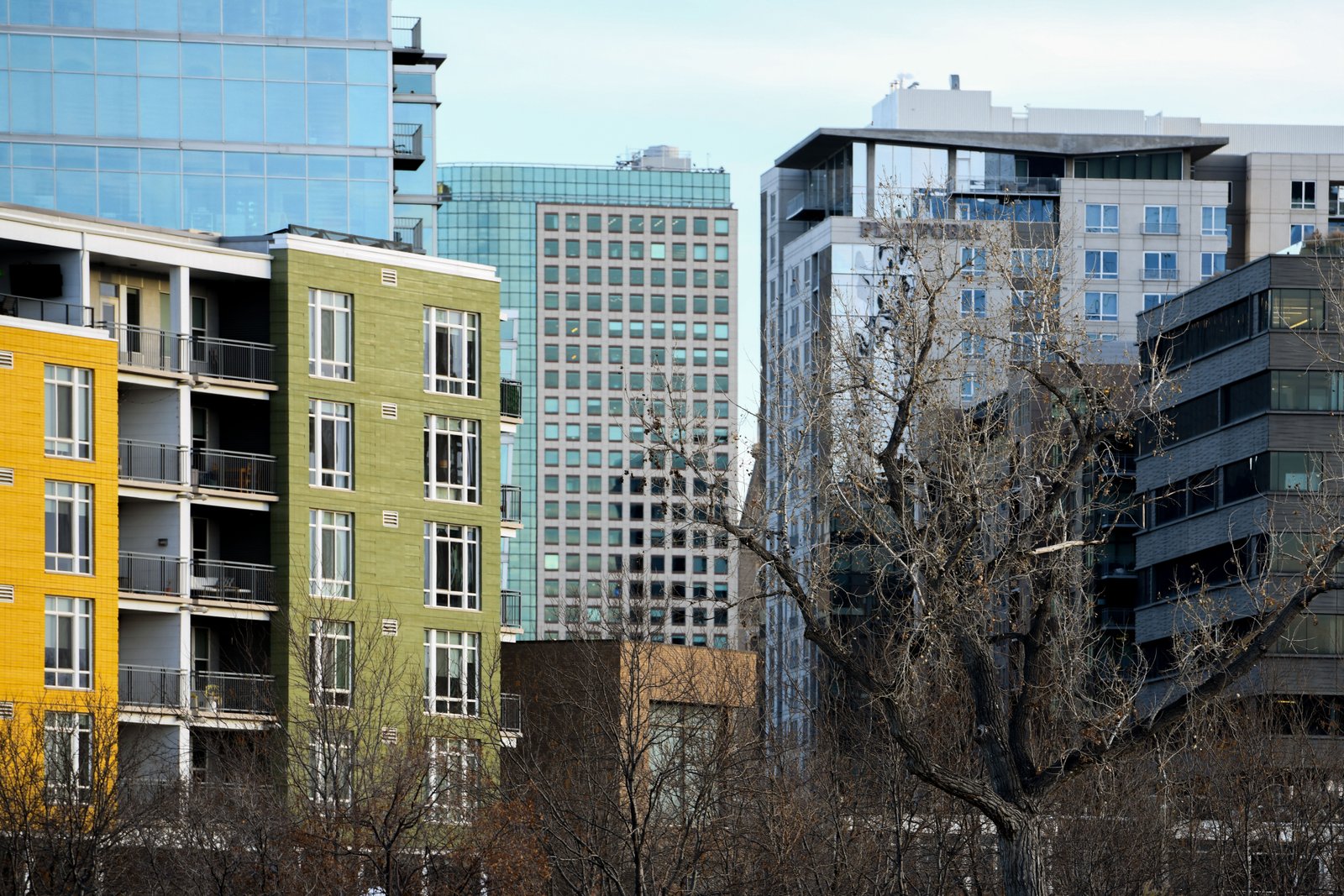
Transit-oriented developments combine multiple property uses within a single integrated district.
Typical developments include:
- Residential housing
- Office buildings
- Retail centers
- Hotels
- Healthcare facilities
- Public parks
These communities enable residents to access essential services within a short distance while reducing commuting time. Mixed-use planning creates more active and economically vibrant neighborhoods.
Walkability Improves Quality of Life
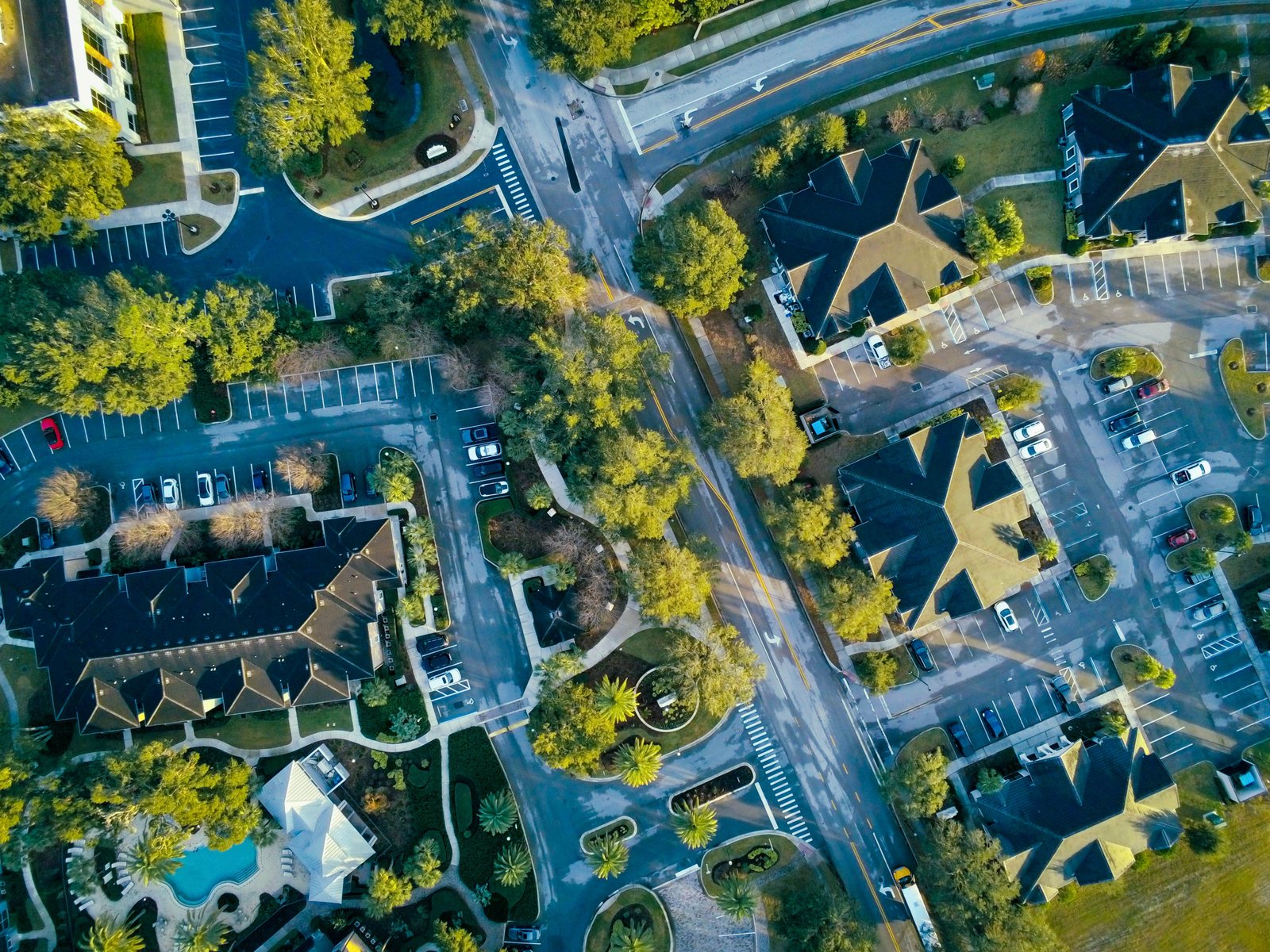
Walkable communities have become a key objective of urban planners.
Transit-oriented developments prioritize:
- Wide pedestrian pathways
- Cycling infrastructure
- Public plazas
- Green open spaces
- Accessible streetscapes
Encouraging walking and cycling supports healthier lifestyles while improving community interaction. Pedestrian-friendly environments strengthen urban appeal.
Sustainable Mobility Reduces Environmental Impact
Transit-oriented planning contributes to environmental sustainability by encouraging greater use of public transportation.
Key sustainability benefits include:
- Lower vehicle emissions
- Reduced traffic congestion
- Improved air quality
- Lower fuel consumption
- Efficient land utilization
Reducing dependence on private vehicles supports broader climate and sustainability objectives. Integrated mobility contributes to greener cities.
Smart Infrastructure Enhances Urban Efficiency
Modern transit-oriented developments increasingly incorporate intelligent infrastructure.
Developers invest in:
- Smart traffic management
- Digital parking systems
- Intelligent lighting
- Public Wi-Fi
- Connected mobility platforms
Digital technologies improve transportation efficiency while enhancing the overall urban experience. Smart infrastructure supports future-ready communities.
Commercial Activity Expands Around Transit Hubs
Businesses increasingly prefer locations with excellent transportation accessibility.
Transit-oriented districts attract:
- Corporate offices
- Restaurants
- Retail stores
- Entertainment venues
- Hospitality businesses
High foot traffic and convenient access create favorable conditions for long-term commercial growth. Transit connectivity strengthens local economies.
Property Values Benefit from Improved Accessibility
Real estate located near reliable public transportation often experiences stronger market demand.
Improved accessibility contributes to:
- Higher occupancy rates
- Increased investment interest
- Enhanced rental demand
- Long-term property appreciation
- Stronger commercial performance
Transportation infrastructure continues to influence investment strategies across residential and commercial markets. Location remains a critical factor in property value.
Public-Private Partnerships Accelerate Development
Successful transit-oriented developments require collaboration among multiple stakeholders.
Projects often involve:
- Government agencies
- Transit authorities
- Real estate developers
- Infrastructure companies
- Community organizations
Coordinated planning ensures transportation investments align with broader urban development objectives. Partnerships improve project delivery and long-term success.
Technology Supports Urban Planning
Advanced digital tools help planners design more efficient transit-oriented communities.
Technologies include:
- Geographic information systems (GIS)
- Building Information Modeling (BIM)
- Traffic simulation software
- Data analytics
- Digital planning platforms
These technologies improve planning accuracy while supporting informed investment decisions. Technology strengthens urban development strategies.
Challenges Continue
Despite growing adoption, transit-oriented developments continue facing several challenges.
These include:
- Land acquisition
- Infrastructure funding
- Regulatory approvals
- Coordinated planning
- Long project timelines
Continued collaboration between governments, developers, transportation agencies, and investors will remain essential for successful implementation. Strategic urban planning supports sustainable growth.
Conclusion
Transit-oriented developments are transforming urban real estate by integrating transportation infrastructure, mixed-use communities, smart technologies, and sustainable planning into connected environments that improve accessibility and enhance quality of life. By creating neighborhoods where people can live, work, shop, and access public transportation within close proximity, developers are supporting more efficient land use while reducing environmental impact and strengthening long-term economic development.
As cities continue expanding and mobility needs evolve, transit-oriented development will remain a cornerstone of future urban planning and real estate investment. The continued growth of transit-oriented developments reflects a broader transformation in the real estate industry, where integrated mobility, sustainable infrastructure, and community-focused design are shaping smarter, more connected, and more resilient cities.