Environmental Resilience, Data-Driven Risk Analysis, and Sustainable Planning Are Reshaping Property Investment Strategies
Climate-related risks are becoming a major consideration in real estate investment as developers, institutional investors, lenders, insurers, and asset managers increasingly evaluate how environmental factors may influence long-term property performance. Beyond traditional metrics such as location, occupancy, and financial returns, investors are incorporating climate risk assessments into due diligence processes to better understand potential exposure to flooding, heatwaves, water scarcity, wildfires, coastal erosion, and other environmental challenges.
The growing emphasis on climate resilience reflects a broader shift toward sustainable investment strategies that prioritize long-term asset protection and operational continuity. Modern climate risk assessment combines geospatial data, predictive analytics, environmental modeling, satellite imagery, and digital mapping technologies to provide more comprehensive insights into current and future environmental conditions.
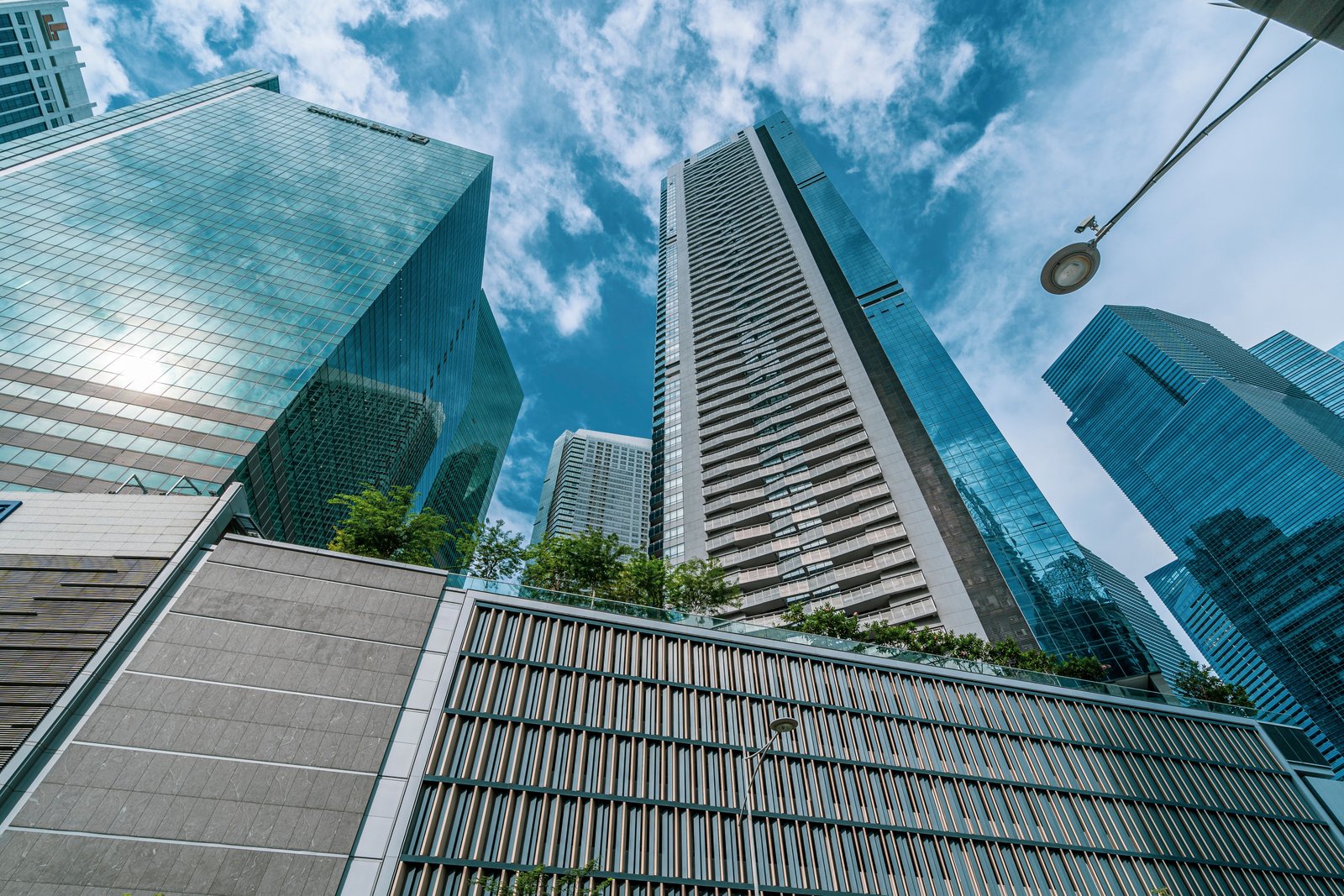
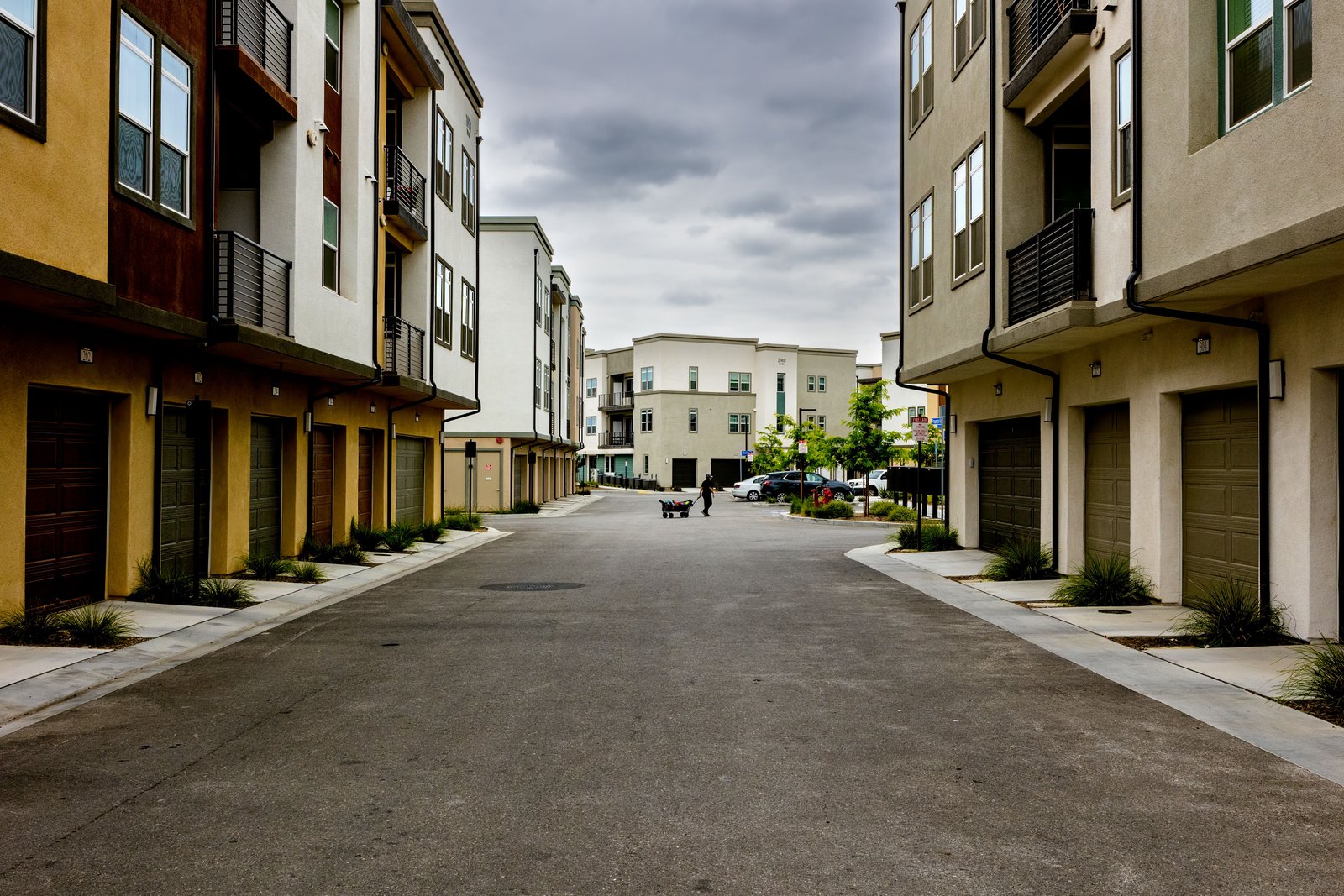
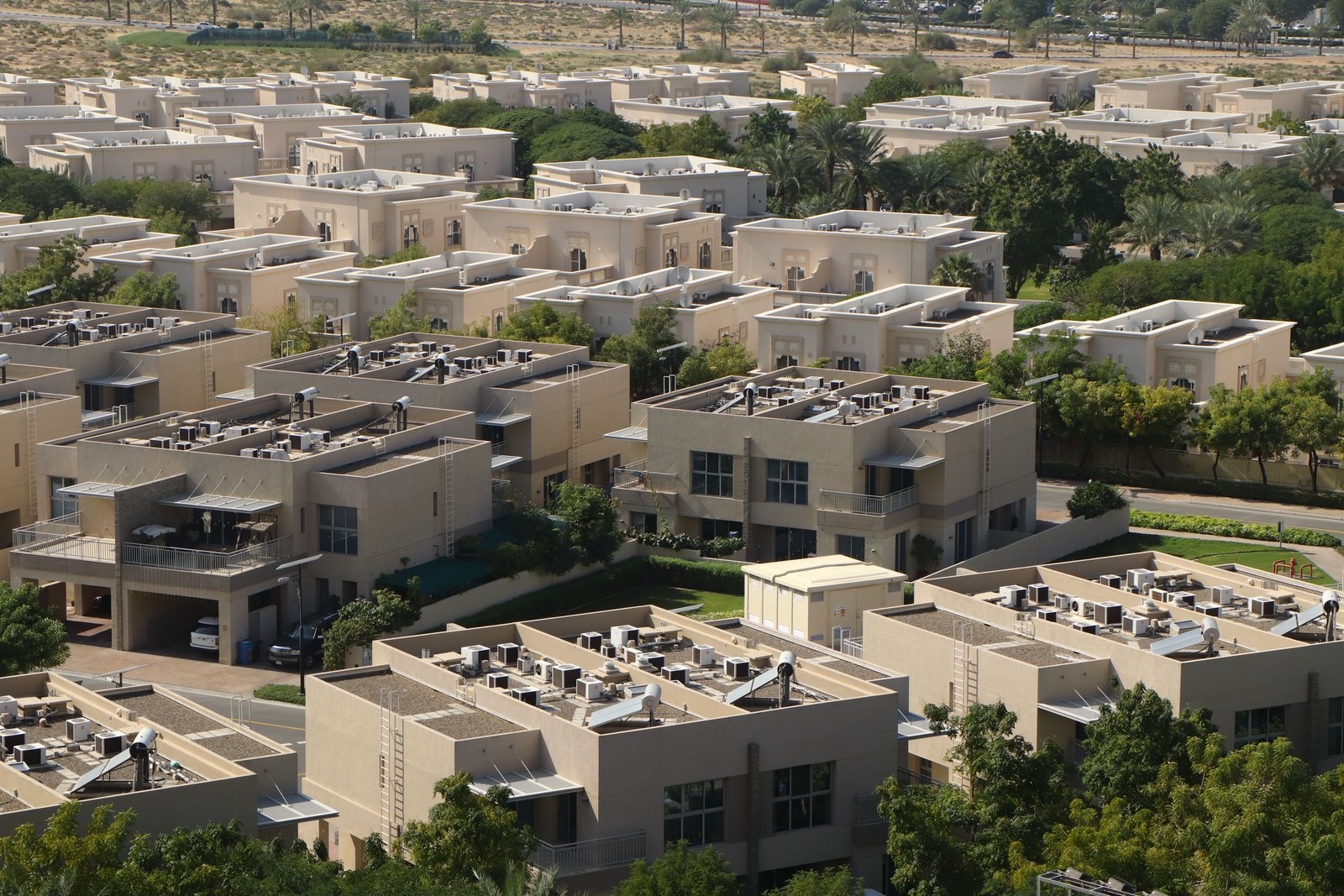
Commercial office developments, residential communities, industrial facilities, logistics parks, hospitality projects, and mixed-use developments are increasingly designed with resilience measures that strengthen their ability to adapt to changing climate conditions while maintaining long-term value. Industry experts believe climate risk assessment will become a standard component of property investment and development, helping create more resilient real estate portfolios while supporting sustainable urban growth.
Environmental Risk Influences Investment Decisions
Climate-related considerations are becoming integral to property evaluation.
Investors increasingly assess risks associated with:
- Flood exposure
- Heat stress
- Coastal erosion
- Wildfire vulnerability
- Water availability
- Severe weather events
Understanding these factors helps organizations make more informed long-term investment decisions. Environmental resilience strengthens asset quality.
Data-Driven Assessments Improve Planning
Modern climate analysis relies on advanced digital technologies.
Assessment tools include:
- Geographic Information Systems (GIS)
- Satellite imagery
- Environmental modeling
- Artificial intelligence
- Predictive analytics
These technologies provide detailed insights into environmental conditions and future risk scenarios. Data-driven planning improves investment confidence.
Resilient Design Enhances Property Performance
Developers are integrating resilience features into new projects and major renovations.
Common design strategies include:
- Elevated building foundations
- Flood-resistant materials
- Stormwater management systems
- Heat-resistant construction
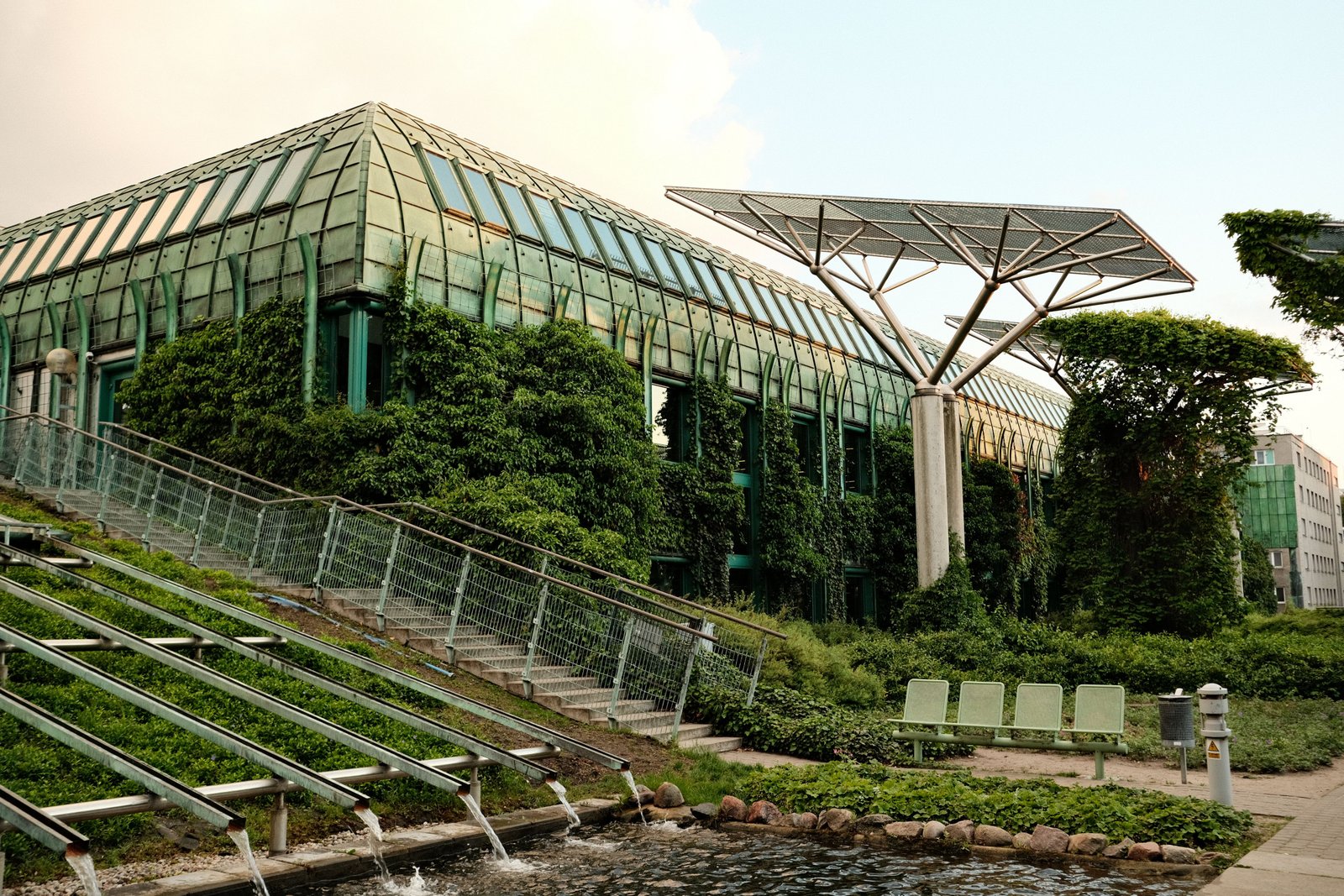
- Green infrastructure
Resilient buildings are better prepared to withstand environmental challenges while maintaining operational continuity. Adaptive design supports long-term value.
Sustainable Infrastructure Reduces Environmental Impact
Climate resilience and sustainability increasingly work together in modern developments.
Developers invest in:
- Renewable energy systems
- Energy-efficient building technologies
- Water conservation infrastructure
- Green roofs
- Sustainable landscaping
These initiatives improve operational efficiency while supporting broader environmental objectives. Sustainable infrastructure enhances resilience.
hInsurance and Financing Considerations Evolve
Climate risk assessments increasingly influence financing and insurance decisions.
Financial institutions evaluate:
- Property resilience
- Environmental exposure
- Long-term operational risks
- Infrastructure quality
- Risk mitigation strategies
Comprehensive climate planning can strengthen investor confidence and support more informed financial decisions. Risk awareness improves investment stability.
Technology Supports Continuous Monitoring
Digital technologies enable ongoing evaluation of environmental conditions throughout a property's lifecycle.
Smart monitoring systems track:
- Weather patterns
- Water levels
- Energy performance
- Structural conditions
- Environmental indicators
Continuous monitoring allows property managers to respond proactively to emerging risks. Technology strengthens operational resilience.
Community Planning Becomes More Resilient
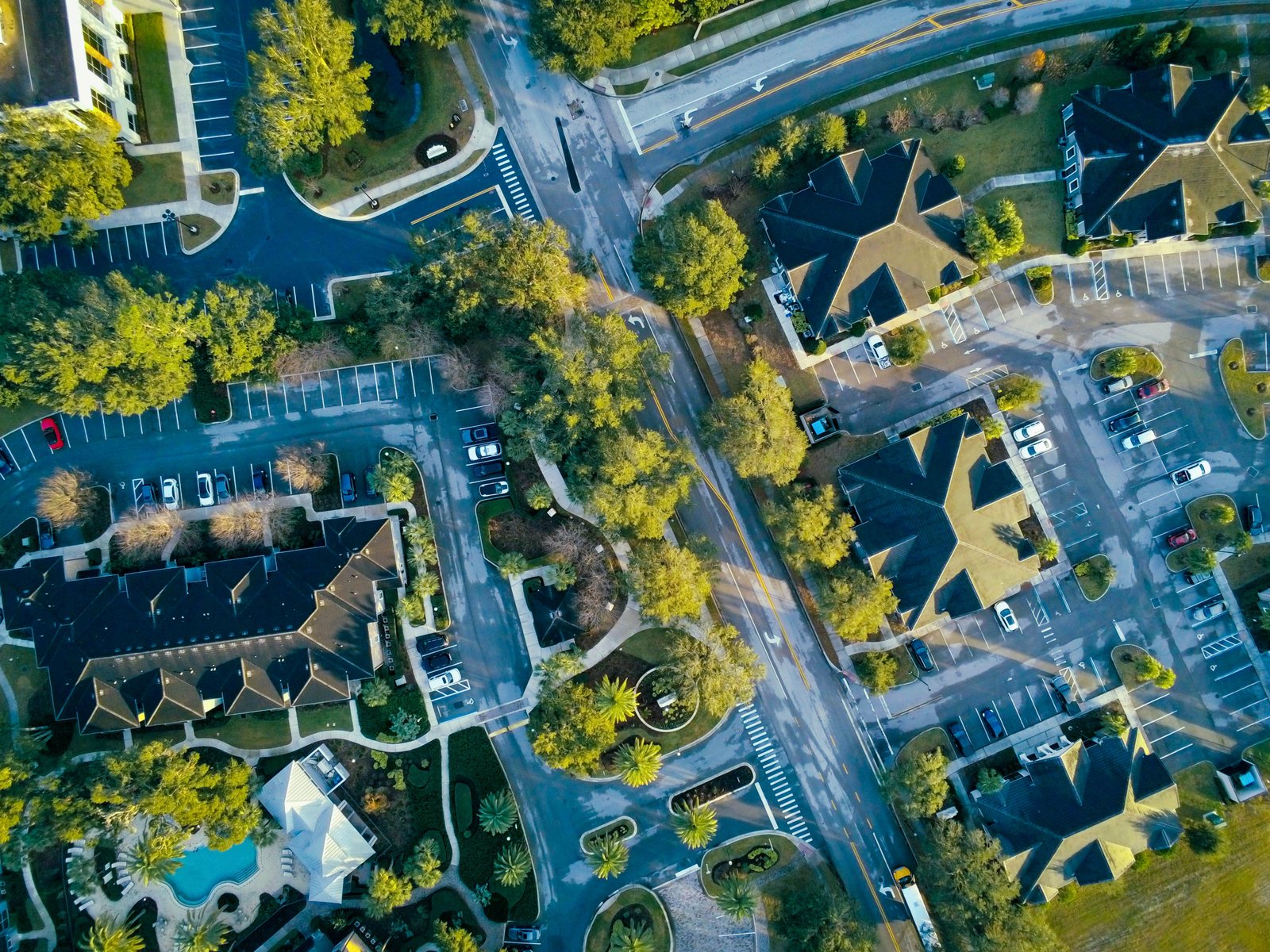
Climate-conscious development extends beyond individual buildings.
- Green spaces
- Flood mitigation infrastructure
- Efficient drainage systems
- Urban tree coverage
- Climate-adaptive public spaces
Integrated planning strengthens community resilience while improving overall quality of life. Resilient cities support sustainable growth.
Investors Focus on Long-Term Asset Value
Institutional investors increasingly recognize that climate resilience contributes to long-term portfolio performance.
Climate-informed investment strategies support:
- Asset preservation
- Operational continuity
- Occupancy stability
- Reduced maintenance risks
- Sustainable value creation
Resilient properties are often better positioned to adapt to changing environmental and market conditions. Long-term thinking strengthens investment performance.
Collaboration Strengthens Climate Preparedness
Successful climate resilience requires cooperation among multiple stakeholders.
Key participants include:
- Developers
- Government agencies
- Urban planners
- Environmental experts
- Infrastructure providers
Collaborative planning ensures resilience measures are effectively integrated into development strategies.Partnerships improve long-term outcomes.
Challenges Continue
Despite growing awareness, organizations continue facing several challenges.
These include:
- Data availability
Continued research, technological innovation, and policy development will help strengthen climate resilience across the real estate sector. Strategic planning remains essential.
Conclusion
Climate risk assessment is becoming an essential component of modern real estate investment by enabling organizations to better understand environmental challenges while improving long-term asset resilience. Through advanced analytics, resilient design, sustainable infrastructure, and collaborative planning, developers and investors are creating properties that are better prepared for evolving climate conditions while supporting responsible urban development.
As climate considerations continue influencing investment strategies worldwide, resilient real estate will play an increasingly important role in protecting assets, supporting communities, and creating sustainable long-term value. The continued integration of climate risk assessment into real estate reflects a broader transformation across the industry, where environmental resilience, digital innovation, and forward-looking planning are shaping the future of property development and investment.