Artificial intelligence is rapidly reshaping modern healthcare by accelerating the development of precision medicine, an approach that tailors prevention, diagnosis, and treatment to the unique characteristics of each individual. Rather than relying on generalized treatment protocols, precision medicine combines clinical information, genetic data, medical history, lifestyle factors, and advanced analytics to deliver more personalized healthcare decisions.
As healthcare systems generate enormous volumes of medical data, artificial intelligence has become an essential tool for identifying complex patterns that would be difficult or impossible to detect through conventional analysis alone. AI-powered platforms assist clinicians in diagnosing diseases, predicting treatment outcomes, identifying suitable therapies, and supporting medical research, ultimately improving patient care while enhancing healthcare efficiency.
Hospitals, pharmaceutical companies, biotechnology firms, research institutions, and healthcare technology providers are increasingly investing in AI-driven precision medicine solutions. These innovations are accelerating drug discovery, improving diagnostic accuracy, and enabling physicians to make more informed clinical decisions based on comprehensive patient data.
Industry experts believe the convergence of artificial intelligence, genomics, digital health technologies, and advanced computing will define the next generation of personalized healthcare and significantly improve medical outcomes across a wide range of diseases.
Precision Medicine Shifts Healthcare Toward Personalization
Traditional healthcare often applies standardized treatment approaches to patients with similar medical conditions. Precision medicine introduces a more individualized model by considering each patient's unique biological and clinical characteristics.
Healthcare professionals evaluate factors such as:
- Genetic information
- Medical history
- Lifestyle habits
- Environmental influences
- Diagnostic results
- Biomarker profiles
This personalized approach helps clinicians select therapies that are more likely to achieve successful outcomes while minimizing unnecessary treatments. Precision medicine represents a significant shift from reactive care toward proactive and individualized healthcare management.
Artificial Intelligence Enhances Clinical Decision-Making
Modern healthcare generates vast amounts of structured and unstructured information. Artificial intelligence enables clinicians to analyze complex medical datasets more efficiently.
AI systems assist with:
- Disease prediction
- Diagnostic support
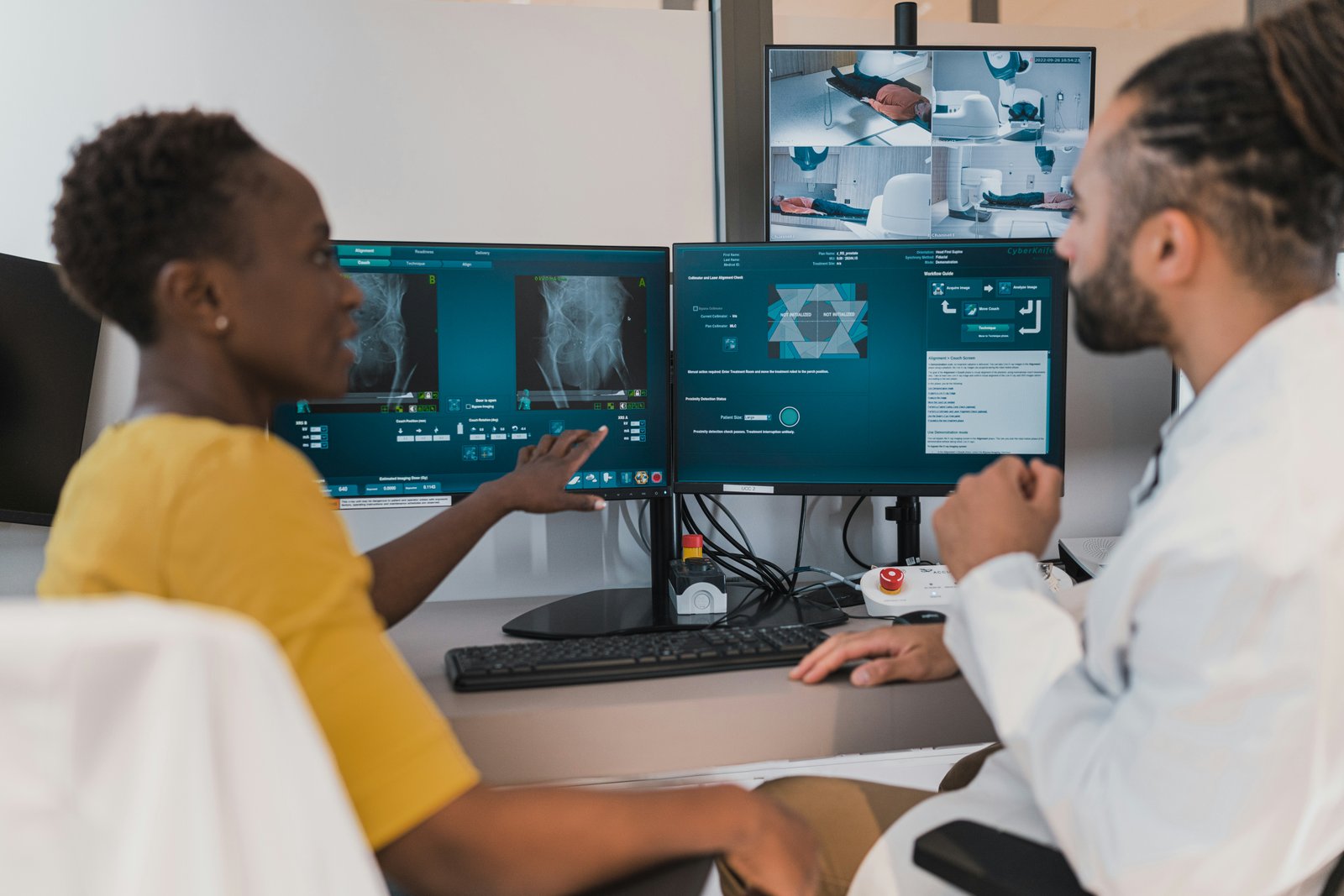
- Medical image analysis
- Treatment recommendations
- Clinical risk assessment
Rather than replacing physicians, AI serves as an intelligent decision-support tool that complements clinical expertise. Healthcare professionals retain responsibility for patient care while benefiting from faster access to data-driven insights. This collaboration improves both diagnostic accuracy and treatment planning.
Genomic Research Drives Personalized Treatments
Advances in genomic science have significantly expanded the possibilities of precision medicine. Genomic sequencing enables researchers to identify genetic variations associated with specific diseases and treatment responses. Artificial intelligence accelerates genomic analysis by processing complex genetic information at scale.
Applications include:
- Cancer research
- Rare disease diagnosis
- Inherited disorder identification
- Drug response prediction
- Genetic risk assessment
These capabilities allow healthcare providers to develop treatment strategies that better align with each patient's genetic profile. Genomics continues to play a central role in personalized medicine.
Earlier Disease Detection Improves Outcomes
Early diagnosis remains one of the most effective ways to improve patient outcomes. AI-powered analytical systems help identify subtle clinical indicators that may suggest disease development before symptoms become severe.
Healthcare organizations are applying AI to support early detection of conditions such as:
- Cardiovascular disease
- Diabetes
- Neurological disorders
- Cancer
- Respiratory illnesses
Earlier identification enables faster intervention, improving treatment effectiveness while reducing long-term healthcare costs. Preventive care continues gaining importance within modern healthcare systems.
Medical Imaging Benefits from AI
Medical imaging has become one of the fastest-growing applications of artificial intelligence.
AI supports healthcare professionals by analyzing:
- X-rays
- CT scans
- MRI images
- Ultrasound examinations
- Pathology slides
Intelligent image analysis helps identify abnormalities with greater speed and consistency. Radiologists use AI as an additional layer of clinical support to improve diagnostic confidence. Advanced imaging technologies contribute to more accurate diagnoses and earlier treatment decisions.
Drug Discovery Accelerates Through Intelligent Analytics
Developing new medicines traditionally requires significant time, investment, and scientific research. Artificial intelligence is helping pharmaceutical companies accelerate drug discovery by analyzing biological data and identifying promising therapeutic candidates.
AI supports:
- Molecular analysis
- Target identification
- Clinical trial optimization
- Drug repurposing
- Safety evaluation
Researchers can evaluate potential treatments more efficiently while reducing development timelines. The integration of AI into pharmaceutical research continues expanding globally.
Personalized Cancer Care Advances
Oncology remains one of the leading areas benefiting from precision medicine. Cancer treatments increasingly consider individual tumor characteristics rather than relying solely on disease location.
Artificial intelligence assists oncologists by analyzing:
- Genetic mutations
- Tumor biomarkers
- Treatment response patterns
- Medical imaging
- Clinical research data
These insights help clinicians recommend therapies that are more closely aligned with each patient's condition. Personalized oncology continues improving treatment precision and patient outcomes.
Electronic Health Records Support Better Insights
Electronic health records provide valuable clinical information for precision medicine initiatives.
AI systems analyze healthcare records to identify:
- Disease progression
- Medication effectiveness
- Patient risk factors
- Care patterns
- Population health trends
Integrating clinical records with genomic and diagnostic information enables more comprehensive healthcare decision-making. Healthcare providers benefit from a broader understanding of patient health over time. Digital health records remain essential to data-driven medicine.
Collaboration Across Healthcare Ecosystems
Precision medicine requires collaboration among multiple stakeholders.
These include:
- Hospitals
- Research institutions
- Pharmaceutical companies
- Biotechnology firms
- Diagnostic laboratories
- Healthcare technology providers
Collaborative research accelerates scientific discovery while expanding access to innovative treatments. Data sharing, interdisciplinary expertise, and technological integration strengthen healthcare innovation. Partnerships continue driving progress throughout the life sciences sector.
Ethical Governance and Data Privacy Remain Critical
Precision medicine depends on responsible management of sensitive health information.
Organizations must maintain strong standards for:
- Patient privacy
- Data security
- Ethical AI use
- Regulatory compliance
- Informed consent
Transparent governance frameworks help maintain public trust while supporting responsible innovation. Healthcare organizations continue strengthening policies that protect patient information throughout AI-driven medical research and clinical practice.
Challenges Continue
Despite remarkable progress, precision medicine still faces several implementation challenges.
These include:
- High technology costs
- Data integration complexity
- Limited access to genomic testing
- Workforce training requirements
- Regulatory considerations
Healthcare systems must continue investing in digital infrastructure, research capabilities, and clinical education to expand the availability of personalized care. Balanced implementation remains essential for long-term success.
Conclusion
Artificial intelligence is accelerating the evolution of precision medicine by enabling more personalized, data-driven approaches to disease prevention, diagnosis, and treatment. Through advanced analytics, genomic research, intelligent diagnostics, medical imaging, and drug discovery, AI is helping healthcare professionals deliver more targeted and effective patient care while improving clinical decision-making and operational efficiency.
As healthcare organizations continue integrating artificial intelligence with genomics, digital health technologies, and collaborative research, precision medicine is expected to become an increasingly important component of modern healthcare. The continued advancement of AI-powered precision medicine represents a major step toward a future where treatments are tailored to individual patient needs, improving outcomes, enhancing healthcare quality, and supporting a more proactive and personalized approach to medicine.