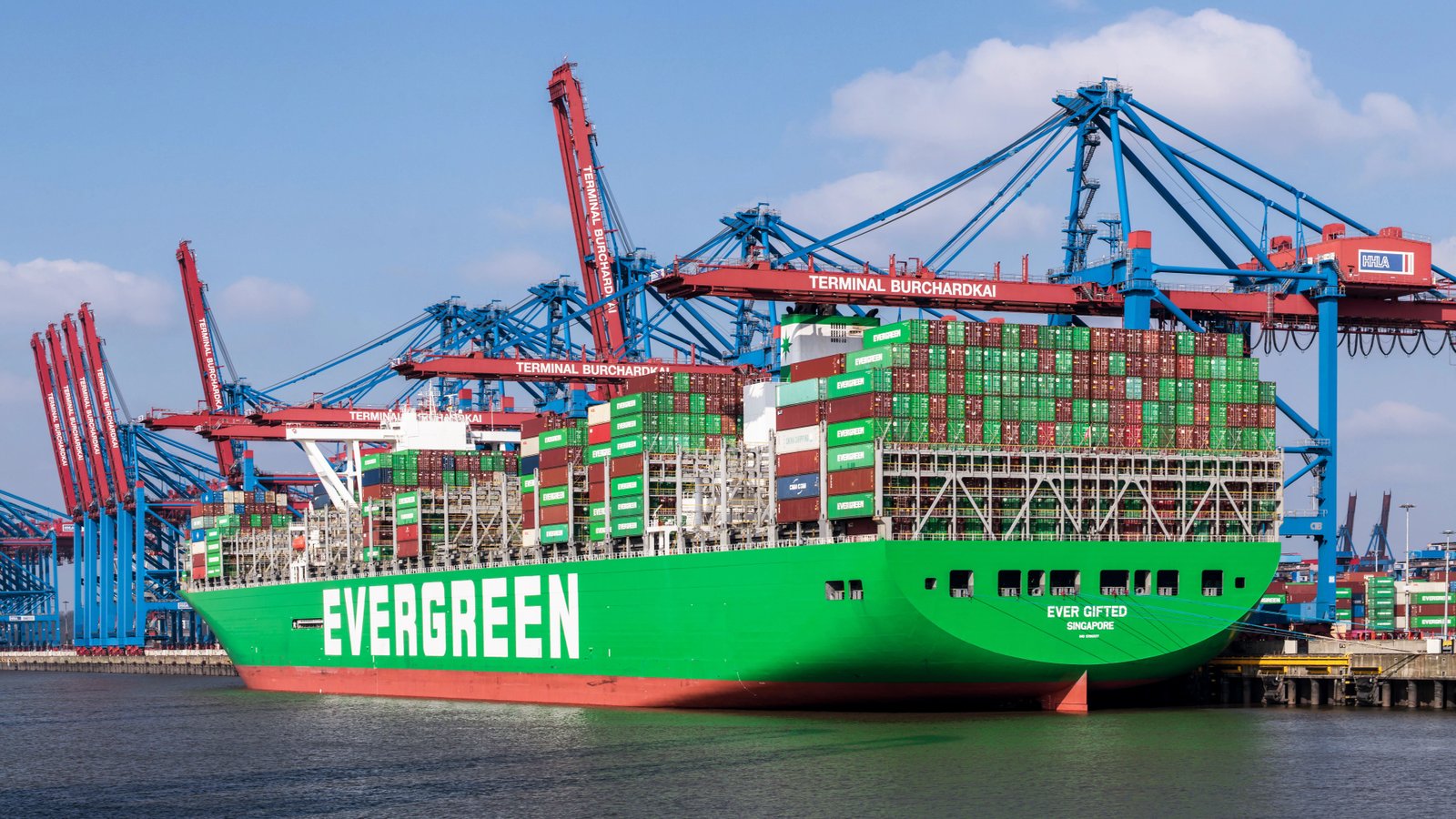
Sustainability Initiatives, Carbon Reduction Goals, and Cleaner Transportation Technologies Are Reshaping the Future of Logistics
The global logistics industry is undergoing a significant transformation as sustainability becomes a central business priority for freight companies, transportation providers, supply chain operators, and logistics investors. Faced with increasing regulatory pressure, growing customer expectations, and ambitious corporate environmental commitments, organizations are accelerating efforts to reduce carbon emissions and build more sustainable logistics networks.
Historically, logistics operations have been heavily dependent on fossil fuels and energy-intensive transportation systems. However, concerns about climate change and environmental impact are driving companies to rethink traditional operating models. From electric delivery fleets and alternative fuels to energy-efficient warehouses and AI-powered route optimization, sustainability initiatives are becoming deeply integrated into logistics strategies worldwide.
Green logistics is no longer viewed solely as a corporate responsibility initiative. It is increasingly recognized as a competitive advantage capable of improving efficiency, reducing operating costs, attracting environmentally conscious customers, and supporting long-term business growth. Industry experts believe sustainability will remain one of the most influential forces shaping the logistics sector throughout the coming decade.
Logistics Sector Faces Growing Environmental Pressure
The logistics industry plays a critical role in global commerce, enabling the movement of goods across countries and continents. However, transportation and freight operations are also significant contributors to greenhouse gas emissions.
Key sources of environmental impact include:
- Road transportation
- Air freight
- Maritime shipping
- Warehouse operations
- Packaging waste
- Fuel consumption
As governments strengthen climate policies and establish emissions reduction targets, logistics companies are facing increasing pressure to improve environmental performance. Investors, customers, and regulators are demanding greater transparency regarding sustainability efforts. The need to balance economic growth with environmental responsibility is becoming a defining challenge for the industry.
Corporate Sustainability Goals Accelerate Change
Many organizations have established ambitious Environmental, Social, and Governance (ESG) objectives aimed at reducing carbon emissions and improving sustainability performance. Because logistics activities often represent a significant portion of corporate emissions, supply chain optimization has become a major focus area.
Companies are implementing initiatives such as:
- Carbon reduction programs
- Renewable energy investments
- Sustainable sourcing strategies
- Transportation efficiency improvements
- Green fleet transitions
Large multinational corporations increasingly evaluate logistics partners based on sustainability performance. As a result, freight providers are investing heavily in technologies and practices that align with evolving customer expectations. Sustainability credentials are becoming an important competitive differentiator.
Electric Vehicles Gain Momentum
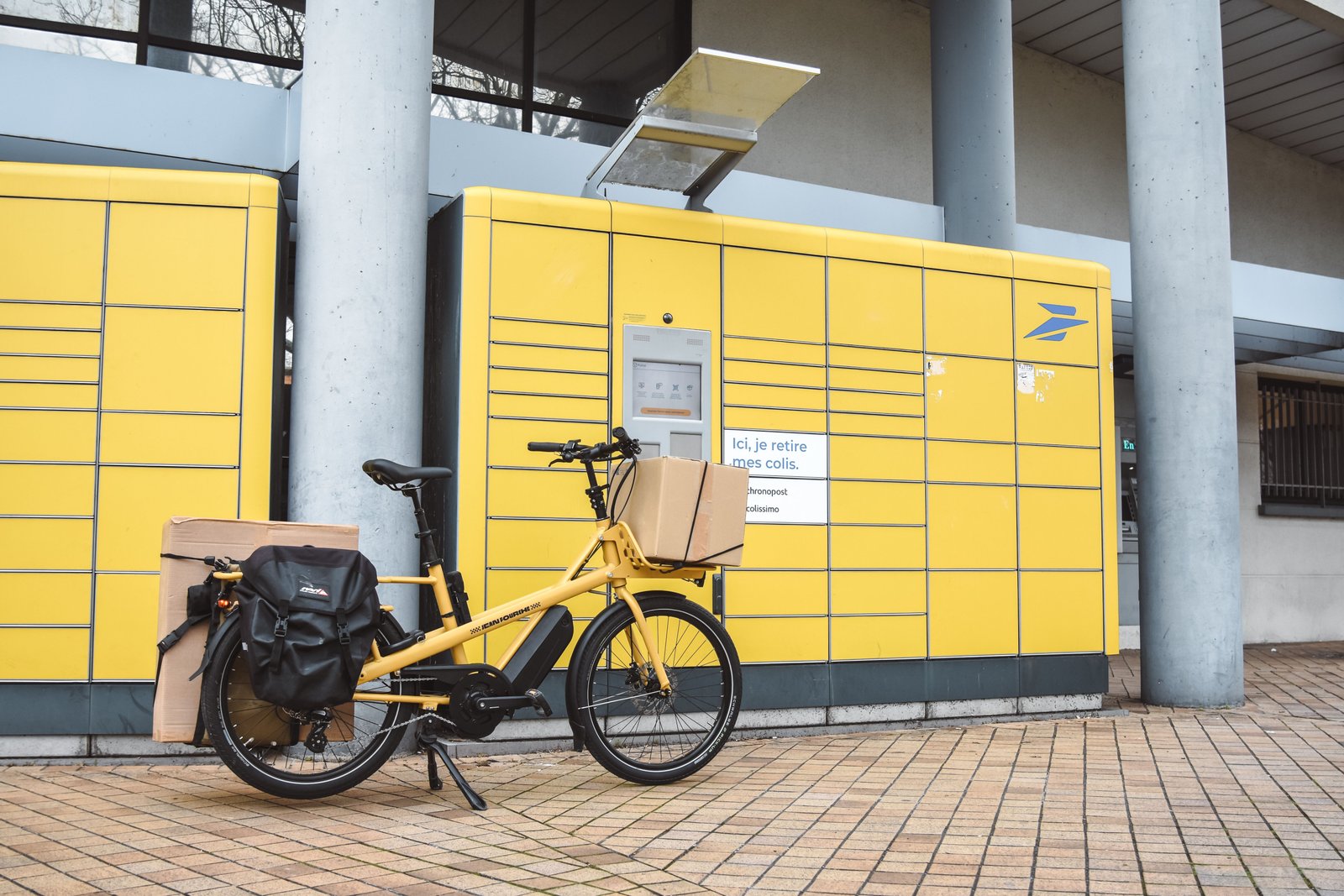
One of the most visible developments in green logistics is the adoption of electric vehicles (EVs). Electric delivery vans, trucks, and urban transportation fleets are becoming increasingly common across logistics networks.
b
Benefits of electric vehicles include:
- Reduced emissions
- Lower fuel costs
- Quieter operations
- Improved urban air quality
- Reduced maintenance requirements
Many logistics companies are deploying EVs for last-mile delivery operations, where predictable routes and shorter distances support efficient vehicle utilization. Advancements in battery technology and charging infrastructure are further accelerating adoption. Although challenges remain, electric transportation is expected to play a major role in the industry's sustainability transition.
Alternative Fuels Expand Transportation Options
In addition to electrification, logistics providers are exploring alternative fuels that can help reduce emissions from long-haul transportation.
Promising options include:
- Hydrogen fuel cells
- Renewable diesel
- Sustainable aviation fuel
- Biofuels
- Renewable natural gas
These solutions are particularly important for sectors where full electrification may be difficult due to operational requirements. Many transportation companies are conducting pilot programs and strategic partnerships to evaluate emerging fuel technologies. Diversified energy strategies are likely to become increasingly important as organizations pursue long-term decarbonization goals.
Route Optimization Improves Efficiency
Technology is playing a critical role in reducing environmental impacts across logistics operations. Artificial intelligence and advanced analytics enable organizations to optimize transportation routes and improve resource utilization.
Benefits of route optimization include:
- Reduced fuel consumption
- Lower emissions
- Faster deliveries
- Improved vehicle utilization
- Reduced operating costs
AI-powered systems analyze factors such as:
- Traffic patterns
- Delivery schedules
- Vehicle capacity
- Weather conditions
- Road restrictions
By identifying the most efficient routes, companies can simultaneously improve sustainability and profitability. Technology-driven efficiency improvements are becoming a cornerstone of green logistics strategies.
Sustainable Warehousing Gains Importance
Warehouses represent another significant opportunity for sustainability improvements. Modern logistics facilities increasingly incorporate environmentally responsible design and operational practices.
Common initiatives include:
- Solar energy installations
- Energy-efficient lighting
- Smart climate control systems
- Water conservation technologies
- Sustainable construction materials
- Waste reduction programs
Many organizations are also pursuing green building certifications to demonstrate environmental performance. Sustainable warehouses help reduce operational costs while supporting broader corporate sustainability objectives. As e-commerce and distribution networks continue expanding, warehouse sustainability is becoming increasingly important.
Packaging Innovation Reduces Waste
Packaging waste remains a major environmental concern throughout global supply chains. Logistics providers and retailers are working together to reduce packaging-related impacts through innovative solutions.
Strategies include:
- Recyclable materials
- Reusable packaging systems
- Lightweight packaging designs
- Biodegradable alternatives
- Packaging optimization technologies
Reducing packaging waste benefits both the environment and operational efficiency. Smaller and lighter packages can lower transportation costs while reducing resource consumption. Consumers are increasingly supportive of sustainable packaging initiatives, further encouraging industry adoption.
Data and Visibility Strengthen Sustainability Efforts
Accurate measurement is essential for achieving sustainability goals. Logistics organizations are investing in digital platforms that provide visibility into environmental performance metrics.
These systems track:
- Carbon emissions
- Fuel consumption
- Energy usage
- Transportation efficiency
- Waste generation
Real-time data enables organizations to identify opportunities for improvement and monitor progress toward sustainability objectives. Enhanced transparency also supports reporting requirements and stakeholder communications. Data-driven sustainability management is becoming an essential component of modern logistics operations.
Investors Focus on ESG Performance
Investor interest in sustainable business practices continues growing. Institutional investors increasingly evaluate logistics companies based on Environmental, Social, and Governance performance indicators.
Strong sustainability performance can contribute to:
- Improved investor confidence
- Access to capital
- Enhanced corporate reputation
- Long-term risk management
As ESG investing expands globally, sustainability initiatives are becoming increasingly important from both operational and financial perspectives. Organizations that demonstrate measurable environmental progress are often viewed more favorably by investors and stakeholders.
Collaboration Drives Industry Progress
Achieving meaningful sustainability improvements requires collaboration across the supply chain ecosystem.
Key stakeholders include:
- Logistics providers
- Manufacturers
- Retailers
- Technology companies
- Governments
- Infrastructure operators
Partnerships are helping accelerate innovation and support the development of industry-wide sustainability standards. Collaborative efforts are particularly important in areas such as alternative fuels, charging infrastructure, emissions reporting, and transportation technology. Industry-wide cooperation will be essential for achieving long-term environmental goals.
Challenges Remain
Despite significant progress, several obstacles continue to affect green logistics initiatives.
Challenges include:
- High implementation costs
- Infrastructure limitations
- Technology maturity
- Regulatory complexity
- Energy availability
- Supply chain coordination requirements
Organizations must balance sustainability objectives with operational efficiency and financial performance. However, ongoing technological advancements and increasing market support are helping address many of these challenges.
Future Outlook
The future of logistics will be increasingly defined by sustainability. Governments, investors, customers, and businesses are all contributing to the momentum behind green logistics initiatives. Electric vehicles, alternative fuels, AI-powered optimization, sustainable warehousing, and environmentally responsible packaging are expected to become increasingly common across global supply chains.
Organizations that embrace sustainability as a strategic priority will likely benefit from improved efficiency, stronger customer relationships, enhanced brand reputation, and greater long-term resilience. As climate considerations continue influencing business decisions, green logistics is evolving from an optional initiative into a fundamental requirement for future competitiveness. The transition toward sustainable logistics networks represents one of the most significant transformations in the industry's history, positioning environmental responsibility at the center of modern freight and supply chain management.