Advanced Technologies, Infrastructure Investments, and Digital Connectivity Are Transforming Global Trade Networks
The global logistics industry is experiencing a major transformation as ports and logistics hubs embrace modernization initiatives designed to improve efficiency, increase capacity, and support the growing demands of international trade. As supply chains become increasingly interconnected and global commerce continues expanding, governments, port authorities, logistics operators, and private investors are investing billions of dollars in smart infrastructure projects aimed at creating faster, more resilient, and technologically advanced trade gateways.
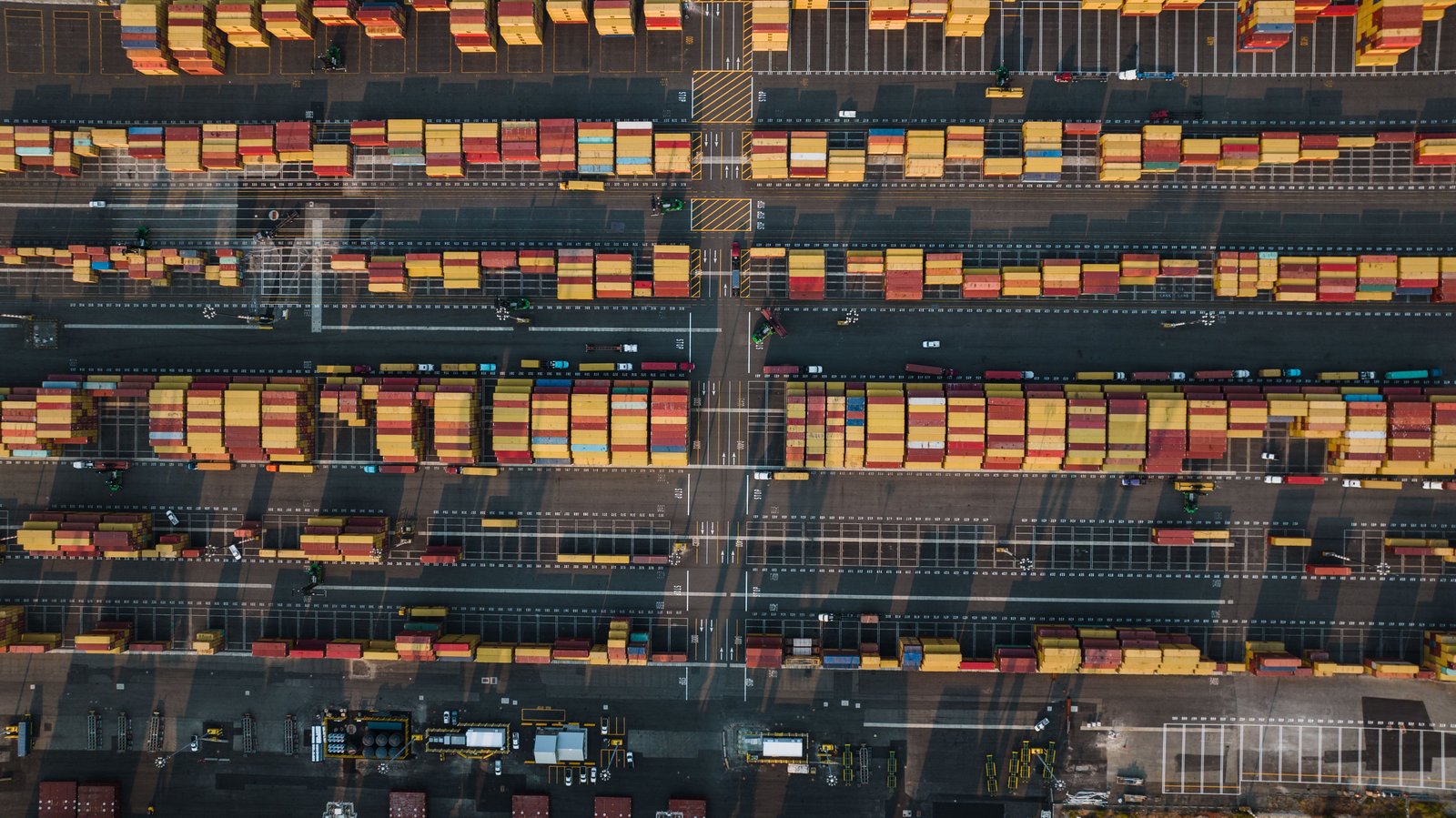
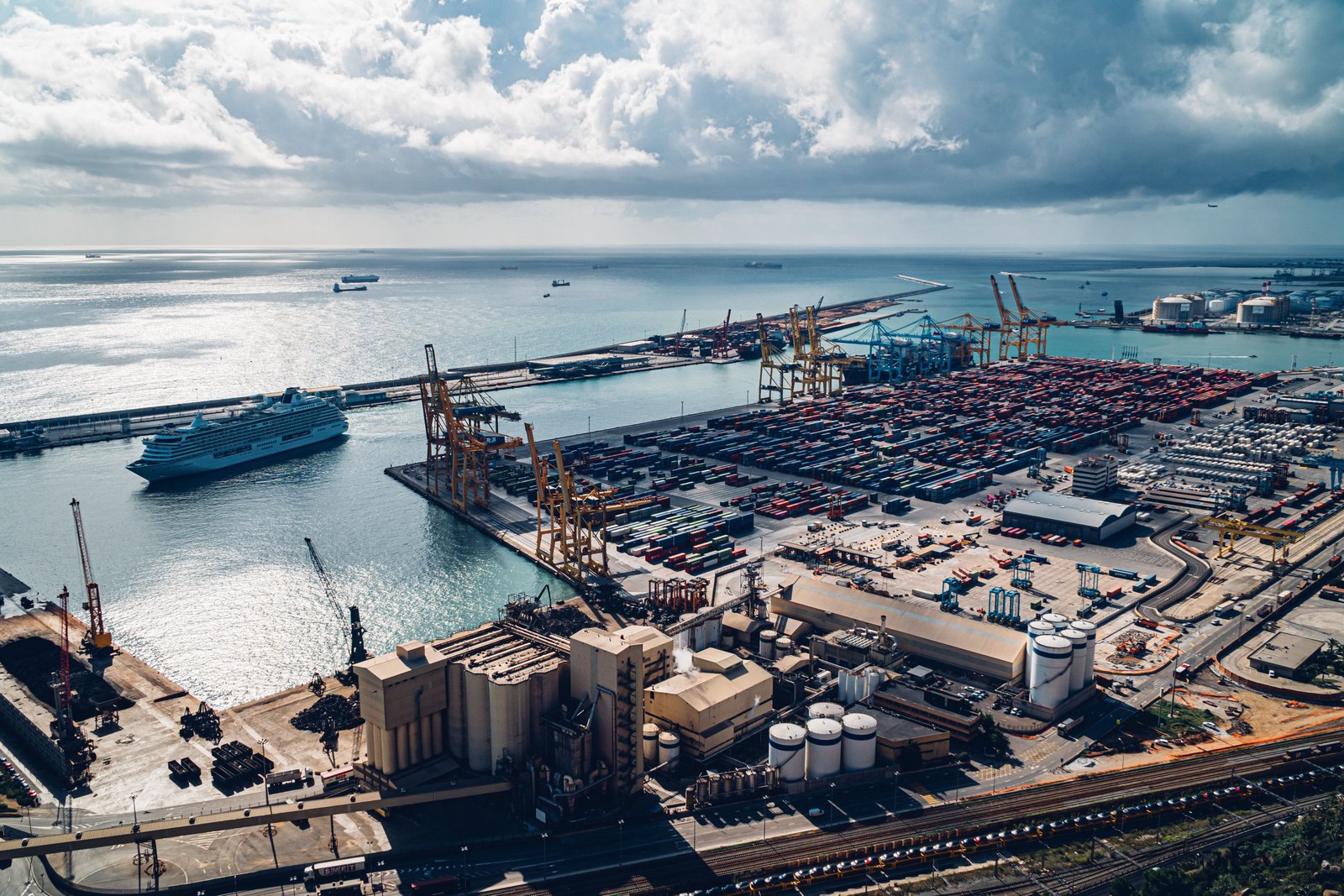
Ports serve as critical links in the global supply chain, handling the movement of raw materials, manufactured goods, consumer products, and industrial equipment across international markets. However, rising trade volumes, larger cargo vessels, growing customer expectations, and increasing operational complexity are placing significant pressure on existing infrastructure.
To address these challenges, ports around the world are adopting automation technologies, artificial intelligence, digital management systems, and smart logistics solutions that improve cargo handling, optimize operations, and strengthen supply chain visibility. Industry experts believe smart ports and modern logistics hubs will become increasingly important as businesses seek more efficient and resilient transportation networks capable of supporting future economic growth.
Global Trade Continues to Expand
International trade remains a fundamental driver of economic development. Businesses rely on efficient logistics networks to move products across borders and connect suppliers with consumers worldwide.
Several factors continue driving trade growth:
- E-commerce expansion
- Manufacturing globalization
- Rising consumer demand
- Infrastructure development
- Economic integration
- Digital commerce growth
As trade volumes increase, ports and logistics facilities must process larger quantities of cargo while maintaining operational efficiency. Many existing facilities were not originally designed to accommodate today's shipping demands. Modernization initiatives are therefore becoming essential for supporting future trade requirements and maintaining global competitiveness.
Ports Remain the Backbone of Global Commerce
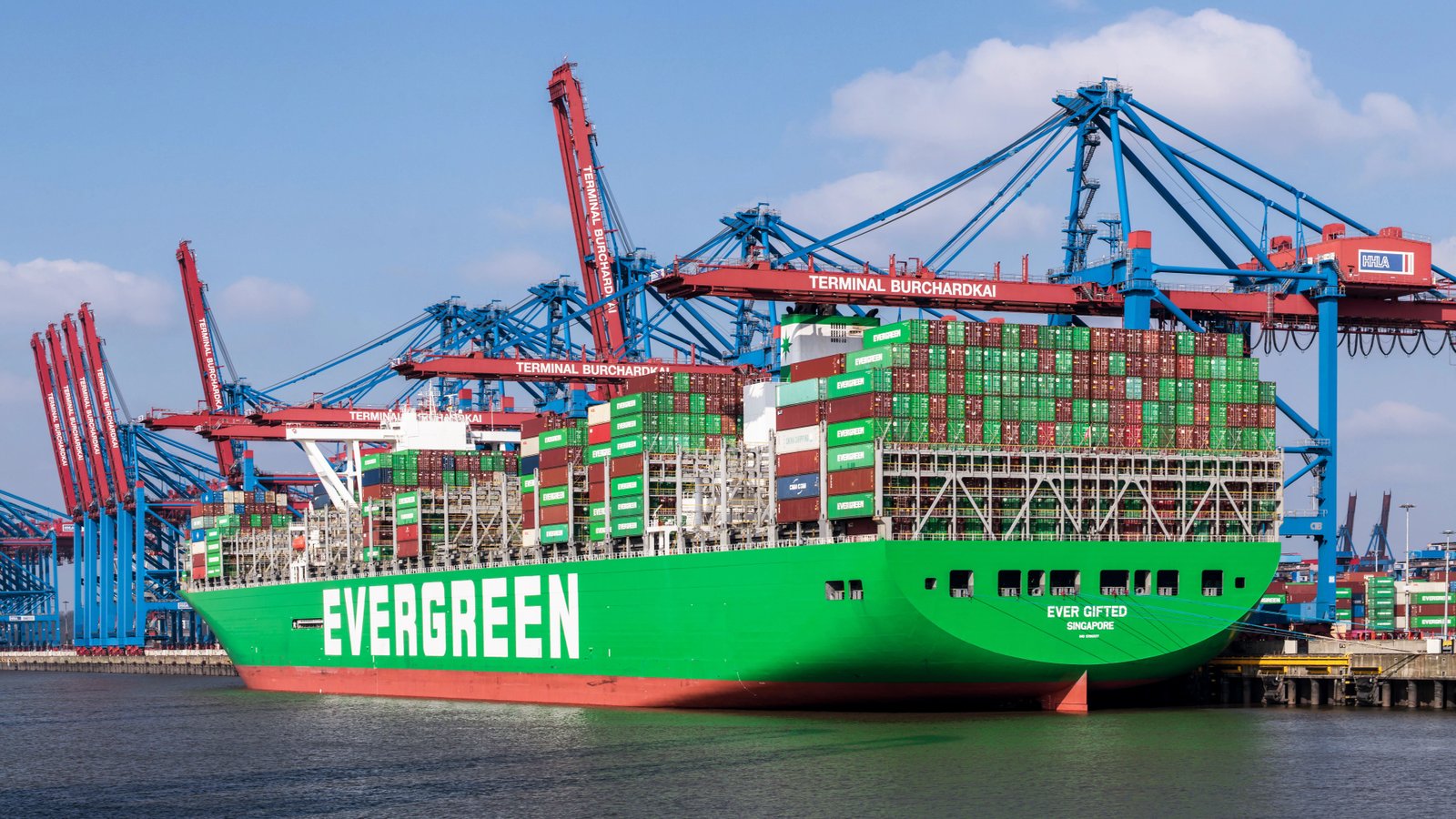
More than ever, ports play a crucial role in facilitating international trade. They serve as gateways connecting maritime transportation with inland logistics networks.
Key port functions include:
- Cargo handling
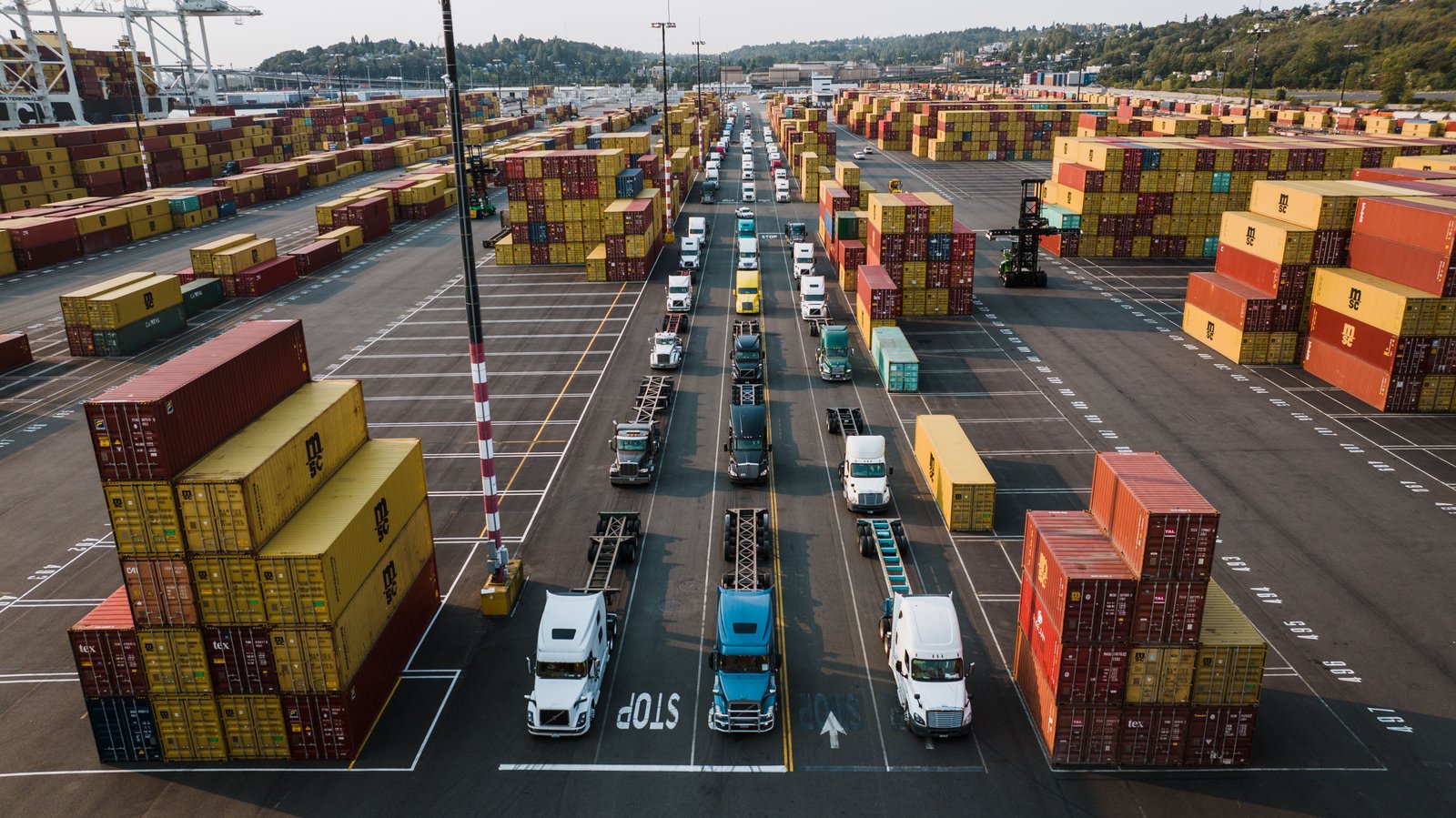
- Container processing
- Customs operations
- Storage and warehousing
- Transportation coordination
- Supply chain integration
Efficient port operations directly influence shipping costs, delivery times, and overall supply chain performance. Delays or inefficiencies at major ports can create disruptions that affect businesses and consumers worldwide. Improving port performance has therefore become a strategic priority for governments and logistics stakeholders.
Automation Revolutionizes Cargo Handling
Automation is one of the most significant developments occurring within modern ports. Advanced technologies are helping operators improve efficiency while reducing operational bottlenecks.
Examples of automation include:
- Automated cranes
- Autonomous vehicles
- Robotic container handling
- Automated gate systems
- Digital cargo management platforms
These technologies can operate with high levels of precision and consistency, enabling faster cargo movement throughout port facilities.
Benefits include:
- Increased productivity
- Reduced turnaround times
- Improved safety
- Lower operating costs
- Enhanced capacity utilization
Automation is rapidly becoming a defining characteristic of next-generation logistics infrastructure.
Artificial Intelligence Enhances Decision-Making
Artificial intelligence is increasingly being integrated into port operations and logistics management systems. AI-powered platforms help analyze large volumes of operational data and provide actionable insights.
Applications include:
- Traffic forecasting
- Cargo flow optimization
- Equipment maintenance prediction
- Resource allocation
- Operational planning
By identifying patterns and predicting potential disruptions, artificial intelligence helps operators make faster and more informed decisions. Improved decision-making contributes to greater efficiency and stronger supply chain resilience. As data availability continues expanding, AI is expected to play an even larger role in logistics operations.
Digitalization Improves Supply Chain Visibility
Supply chain visibility has become a critical priority for logistics organizations. Customers increasingly demand real-time information regarding shipment status and cargo movement. Modern ports are implementing digital platforms that provide greater transparency across logistics networks.
Capabilities include:
- Real-time cargo tracking
- Electronic documentation
- Digital customs processing
- Shipment monitoring
- Operational performance reporting
Enhanced visibility enables businesses to manage inventory more effectively and respond quickly to potential disruptions. Digital transformation initiatives are helping create more connected and responsive supply chain ecosystems.
Smart Logistics Hubs Support Integrated Operations
Beyond ports themselves, logistics hubs are becoming increasingly sophisticated. Modern logistics centers are designed to integrate multiple transportation modes and support efficient cargo movement throughout supply chains.
Smart logistics hubs often combine:
- Warehousing facilities
- Distribution centers
- Transportation terminals
- Customs operations
- Technology platforms
These integrated environments help streamline logistics processes while reducing transportation delays. The ability to coordinate activities across multiple supply chain functions is becoming a major competitive advantage. Governments and private investors are actively supporting the development of strategically located logistics hubs worldwide.
Infrastructure Investments Accelerate
Significant investment is flowing into port modernization and logistics infrastructure projects. Governments recognize that efficient transportation networks are essential for economic growth and international competitiveness.
Investment priorities include:
- Port expansion projects
- Deep-water facilities
- Intermodal transportation networks
- Digital infrastructure
- Automation systems
- Energy-efficient operations
Large-scale modernization initiatives help increase capacity while preparing ports for future trade demands. Infrastructure investment also creates employment opportunities and stimulates regional economic development. Many countries view logistics infrastructure as a strategic national asset.
Sustainability Influences Port Development
Environmental sustainability is becoming an increasingly important consideration in port modernization efforts. Port operators are implementing initiatives designed to reduce environmental impacts while maintaining operational performance.
Examples include:
- Shore power systems
- Renewable energy installations
- Electric cargo handling equipment
- Emissions monitoring technologies
- Sustainable facility design
Many ports have established ambitious sustainability goals aligned with broader climate commitments. Environmental performance is becoming a key factor influencing infrastructure investment decisions. The transition toward greener logistics operations is expected to continue accelerating.
Larger Vessels Require Advanced Infrastructure
The shipping industry continues deploying larger and more efficient vessels. While these ships offer economies of scale, they also require ports capable of accommodating increased size and cargo volumes.
Modernization efforts often focus on:
- Deepening navigation channels
- Expanding terminal capacity
- Upgrading cargo handling equipment
- Strengthening transportation connections
Ports that successfully adapt to changing vessel requirements can attract greater shipping activity and enhance competitiveness. Infrastructure readiness is becoming increasingly important as maritime transportation evolves.
Resilience Becomes a Strategic Priority
Recent global disruptions have highlighted the importance of resilient supply chain infrastructure. Port operators are increasingly focused on strengthening operational continuity and risk management capabilities.
Areas of emphasis include:
- Cybersecurity
- Disaster preparedness
- Infrastructure redundancy
- Digital resilience
- Supply chain diversification
Building resilient logistics networks helps reduce vulnerability to disruptions and supports more reliable trade operations. Resilience planning is becoming a central component of modernization strategies.
Challenges Remain
Despite significant progress, modernization initiatives face several challenges.
These include:
- High capital investment requirements
- Regulatory complexity
- Workforce training needs
- Technology integration challenges
- Cybersecurity risks
Successfully managing these issues requires collaboration among governments, operators, technology providers, and logistics stakeholders. Long-term planning and strategic investment remain essential for achieving modernization objectives.
Future Outlook
The future of global trade will be increasingly shaped by smart ports and advanced logistics hubs. Automation, artificial intelligence, digital connectivity, sustainability initiatives, and infrastructure investments are expected to continue transforming logistics operations worldwide.
Organizations that successfully modernize facilities and embrace innovation will be better positioned to support growing trade volumes while improving efficiency and resilience. As supply chains become more interconnected and customer expectations continue evolving, smart logistics infrastructure will play a critical role in facilitating economic growth and international commerce. The modernization of ports and logistics hubs represents one of the most important developments in global transportation, creating the foundation for a faster, more sustainable, and more efficient future for world trade.