Rising Online Shopping Demand Is Driving Innovation, Investment, and Transformation Across Global Logistics Operations
The rapid growth of e-commerce is fundamentally transforming the logistics industry, with last-mile delivery emerging as one of the most critical and competitive segments of the supply chain. As consumers increasingly expect faster, cheaper, and more convenient delivery services, logistics providers, retailers, technology companies, and transportation operators are investing heavily in solutions designed to optimize final-stage deliveries.
Last-mile delivery refers to the movement of goods from distribution centers or local fulfillment hubs to the customer's doorstep. Although it represents the final step in the supply chain, it is often the most expensive and operationally complex stage of the delivery process. The continued expansion of online shopping has significantly increased delivery volumes worldwide, placing enormous pressure on logistics networks. To meet evolving customer expectations, companies are adopting advanced technologies, expanding fulfillment infrastructure, implementing automation solutions, and redesigning transportation strategies.
Industry analysts believe last-mile delivery innovation will remain one of the most important priorities for logistics organizations as e-commerce continues to reshape global retail and consumer behavior.
E-Commerce Continues Its Global Expansion
Online shopping has become a central component of modern consumer lifestyles. Consumers increasingly prefer digital purchasing channels because of their convenience, product variety, competitive pricing, and accessibility.
Several factors continue driving e-commerce growth:
- Increased internet penetration
- Smartphone adoption
- Digital payment solutions
- Improved online shopping experiences
- Expanding product availability
- Growing consumer confidence in digital commerce
As online retail volumes increase, logistics providers must manage a growing number of smaller, more frequent deliveries. Unlike traditional retail supply chains that focus on bulk shipments to stores, e-commerce logistics require direct delivery to individual consumers. This shift has dramatically increased the importance of efficient last-mile operations.
Last-Mile Delivery Becomes a Strategic Priority
Industry experts often describe last-mile delivery as the most visible component of the customer experience. Consumers may judge an entire shopping experience based on delivery speed, reliability, communication, and convenience. As a result, businesses are investing heavily to improve last-mile performance.
Key customer expectations include:
- Fast delivery
- Accurate tracking
- Flexible delivery options
- Real-time updates
- Convenient returns processes
Meeting these expectations requires sophisticated logistics capabilities and advanced technology platforms. Companies that consistently deliver positive customer experiences often gain significant competitive advantages. Last-mile delivery has therefore evolved from an operational function into a strategic business differentiator.
Same-Day and Next-Day Delivery Drive Competition
Delivery speed has become one of the most important factors influencing purchasing decisions.
Many consumers now expect:
- Same-day delivery
- Next-day delivery
- Scheduled delivery windows
- Express shipping options
To support faster delivery timelines, companies are expanding local fulfillment networks and establishing distribution centers closer to customers. This strategy reduces transportation distances and enables quicker order processing. Retailers and logistics providers increasingly view rapid delivery capabilities as essential for maintaining competitiveness in crowded e-commerce markets. The race to provide faster service continues driving investment across the logistics ecosystem.
Urban Fulfillment Centers Expand Rapidly
One of the most significant trends in last-mile logistics is the growth of urban fulfillment infrastructure. Traditional distribution centers are often located outside major metropolitan areas. However, increasing demand for rapid delivery has encouraged organizations to establish smaller facilities closer to consumers.
Examples include:
- Micro-fulfillment centers
- Urban warehouses
- Local distribution hubs
- Dark stores
- Neighborhood fulfillment facilities
These strategically positioned locations help reduce delivery times while improving operational efficiency. Urban logistics infrastructure is becoming an essential component of modern e-commerce supply chains. As online shopping volumes continue increasing, demand for local fulfillment capacity is expected to grow significantly.
Technology Improves Delivery Efficiency
Technology plays a central role in optimizing last-mile delivery operations. Artificial intelligence, data analytics, and automation are helping logistics providers improve performance while controlling costs.
Advanced systems support:
- Route optimization
- Delivery scheduling
- Driver management
- Demand forecasting
- Customer communication
- Fleet utilization
Real-time data enables organizations to respond quickly to changing conditions and operational challenges. Technology-driven efficiency improvements are particularly important because last-mile delivery remains one of the most expensive stages of the supply chain. Digital transformation initiatives continue accelerating throughout the logistics sector.
Route Optimization Reduces Costs
Transportation expenses represent a major challenge for delivery providers. Urban congestion, fuel prices, labor costs, and delivery density all influence profitability.
AI-powered route optimization systems help companies identify the most efficient delivery paths based on factors such as:
- Traffic conditions
- Delivery locations
- Vehicle capacity
- Weather conditions
- Customer preferences
Improved routing helps reduce fuel consumption, travel time, and operational expenses. At the same time, customers benefit from faster and more reliable deliveries. Route optimization has become a fundamental component of modern last-mile logistics strategies.
Automation Supports Scalability
The growing volume of e-commerce orders is encouraging greater adoption of automation technologies. Organizations are using automation to improve efficiency across various aspects of last-mile operations.
Examples include:
- Automated sorting systems
- Robotic fulfillment solutions
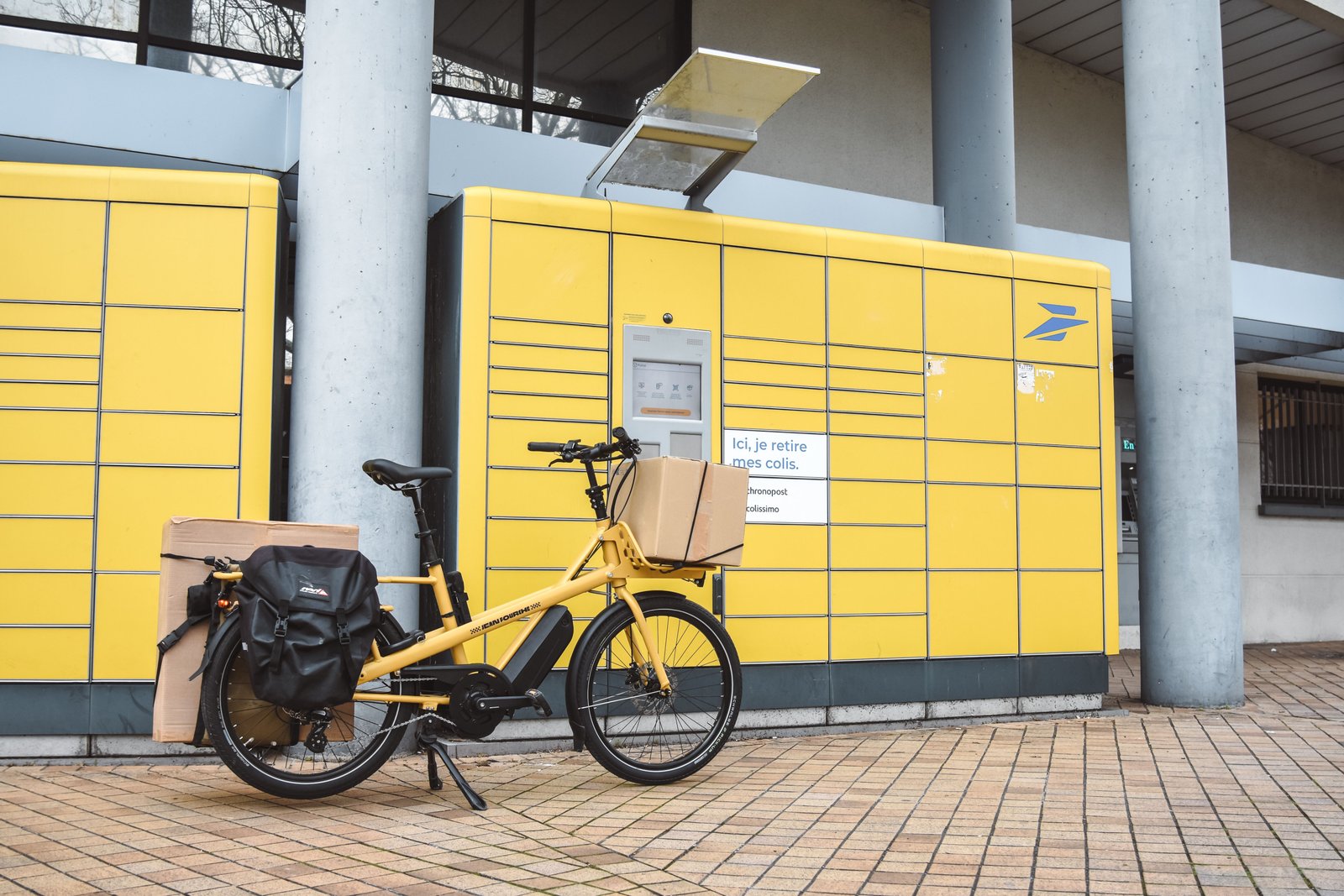
- Smart parcel lockers
- Automated inventory management
- Digital dispatch systems
Automation helps companies manage increasing demand without proportionally increasing labor requirements. As labor shortages continue affecting logistics markets, automation is becoming an increasingly valuable operational tool. Industry experts expect automation investment to remain strong in the coming years.
Sustainability Influences Delivery Strategies
Environmental sustainability has become an important consideration in logistics planning. Consumers, investors, and regulators are placing greater emphasis on reducing transportation-related emissions.
Many organizations are implementing sustainable delivery initiatives such as:
- Electric delivery vehicles
- Bicycle couriers
- Route optimization systems
- Consolidated deliveries
- Renewable energy infrastructure
These efforts help reduce environmental impacts while improving operational efficiency. Sustainability goals are increasingly influencing fleet investment decisions and transportation strategies. Green logistics is becoming a key component of modern last-mile delivery networks.
Smart Lockers and Alternative Delivery Models Grow
Companies are exploring alternative delivery methods designed to improve convenience and reduce costs. One rapidly growing solution is the use of smart parcel lockers. These systems allow customers to collect packages from secure locations at their convenience.
Benefits include:
- Reduced delivery failures
- Lower transportation costs
- Improved customer flexibility
- Enhanced security
Other emerging models include:
- Click-and-collect services
- Pickup points
- Community delivery hubs
Alternative delivery solutions are helping logistics providers improve efficiency while accommodating diverse customer preferences.
Data Visibility Enhances Customer Experiences
Consumers increasingly expect transparency throughout the delivery process. Real-time shipment visibility has become a standard feature within many e-commerce ecosystems.
Modern tracking systems provide information regarding:
- Order status
- Estimated arrival times
- Delivery progress
- Delay notifications
Improved communication helps build customer trust and reduce support inquiries. Data-driven visibility platforms also provide valuable operational insights that support continuous improvement. Enhanced transparency is becoming an essential component of successful last-mile delivery operations.
Challenges Continue to Affect Operations
Despite technological advances, last-mile delivery remains a challenging segment of logistics.
Organizations must manage:
- Rising delivery volumes
- Urban congestion
- Labor shortages
- Fuel price volatility
- Customer expectations
- Sustainability requirements
Balancing speed, cost efficiency, and service quality continues to be a major operational challenge. Successful organizations are investing heavily in technology, infrastructure, and process innovation to overcome these obstacles.
Future Outlook
The future of last-mile delivery will be shaped by continued e-commerce growth, technological innovation, and changing consumer expectations. Artificial intelligence, automation, electric vehicles, smart infrastructure, and alternative delivery models are expected to play increasingly important roles in logistics operations. Companies that successfully adapt to evolving market demands will be better positioned to achieve operational efficiency and customer satisfaction.
As online shopping becomes an even larger part of global retail activity, last-mile delivery networks will continue evolving into highly sophisticated systems capable of supporting faster, more sustainable, and more convenient delivery experiences. The transformation of last-mile logistics represents one of the most significant developments in the modern supply chain, positioning delivery innovation at the center of the future of commerce.