Personalization, Digital Engagement, and Immersive Experiences Are Transforming How Food and Beverage Brands Build Long-Term Customer Relationships
The global food and beverage industry is evolving beyond product quality and pricing as companies increasingly compete through exceptional consumer experiences. Modern consumers expect brands to provide meaningful interactions across physical stores, restaurants, cafés, mobile applications, websites, loyalty programs, and social media platforms. As a result, customer experience has become a strategic differentiator, influencing purchasing decisions, brand perception, and long-term loyalty.
Today's consumers seek more than convenient products—they value personalized recommendations, seamless digital interactions, engaging in-store experiences, transparent communication, and brands that align with their lifestyles and values. To meet these expectations, food manufacturers, restaurant chains, beverage companies, retailers, and hospitality businesses are investing in digital technologies, customer analytics, artificial intelligence (AI), and omnichannel engagement strategies that strengthen relationships throughout the customer journey.
From personalized promotions and interactive loyalty programs to immersive retail environments and digital ordering platforms, organizations are redefining how consumers discover, purchase, and experience food and beverage products. Industry experts believe consumer experience innovation will remain one of the most important competitive advantages as customer expectations continue evolving in an increasingly connected marketplace.
Customer Experience Becomes a Strategic Priority
Businesses increasingly recognize that memorable experiences contribute to long-term commercial success.
Modern customer experience strategies focus on:
- Convenience
- Personalization
- Consistency
- Transparency
- Digital accessibility
- Service quality
Delivering positive experiences strengthens emotional connections while encouraging repeat purchases. Customer satisfaction drives sustainable growth.
Personalization Enhances Consumer Engagement
Organizations are using customer insights to deliver more relevant experiences.
Personalized offerings include:
- Product recommendations
- Customized promotions
- Individual loyalty rewards
- Personalized menus
- Tailored communication
Consumers increasingly appreciate experiences that reflect their unique preferences and purchasing habits. Personalization strengthens brand relationships.
Digital Platforms Expand Customer Interaction
Digital channels have become central to consumer engagement.
Food and beverage companies increasingly invest in:
- Mobile applications
- E-commerce platforms
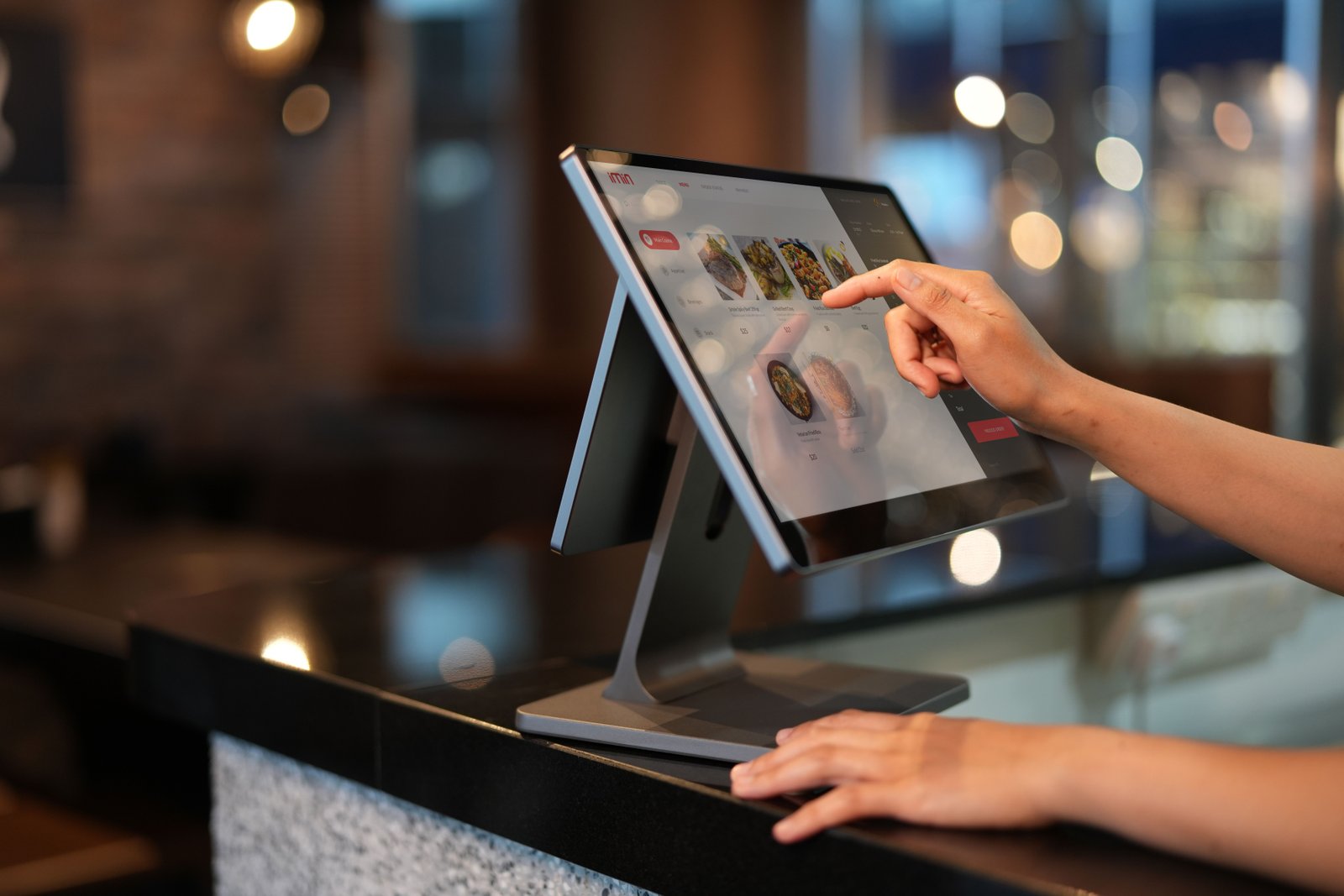
- Digital ordering systems
- Customer portals
- Social media engagement
Integrated digital experiences improve convenience while creating additional opportunities for customer interaction. Technology enhances accessibility.
Artificial Intelligence Supports Smarter Customer Service
Artificial intelligence helps organizations better understand and serve their customers.
AI applications include:
- Customer behavior analysis
- Demand forecasting
- Virtual assistants
- Personalized marketing
- Service optimization
Machine learning enables businesses to deliver faster, more accurate, and highly relevant customer experiences. Intelligent systems improve responsiveness.
Loyalty Programs Continue to Evolve
Modern loyalty programs extend beyond traditional reward points.
Innovative programs offer:
- Exclusive product access
- Personalized incentives
- Digital memberships
- Experience-based rewards
- Community engagement opportunities
Enhanced loyalty initiatives encourage deeper customer relationships while increasing long-term retention. Meaningful rewards strengthen engagement.
Omnichannel Experiences Create Greater Convenience
Consumers increasingly expect seamless experiences across multiple purchasing channels.
Organizations integrate:
- Physical stores
- Online shopping
- Mobile ordering
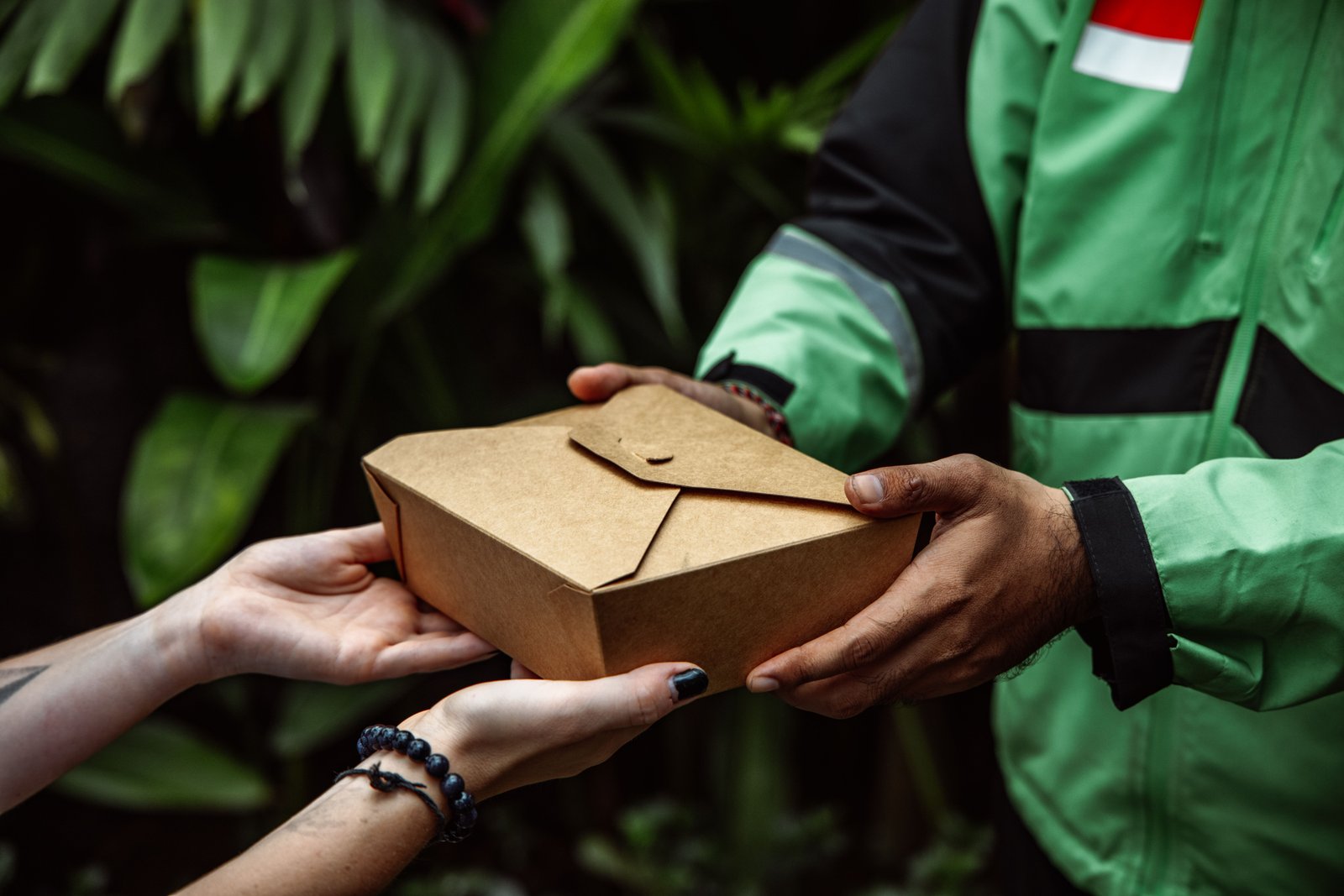
- Delivery services
- Customer support platforms
Connected customer journeys improve convenience while maintaining consistent brand experiences. Integration enhances customer confidence.
Transparency Builds Brand Trust
Consumers increasingly support brands that communicate openly about their products and business practices.
Organizations strengthen transparency through:
- Ingredient information
- Nutritional labeling
- Sustainability reporting
- Responsible sourcing
- Ethical business practices
Clear communication improves consumer confidence while reinforcing long-term brand credibility. Trust remains a valuable business asset.
Experiential Retail Creates Memorable Interactions
Food and beverage brands are investing in immersive experiences that strengthen customer engagement.
Examples include:
- Interactive product demonstrations
- Chef-led tasting events
- Culinary workshops
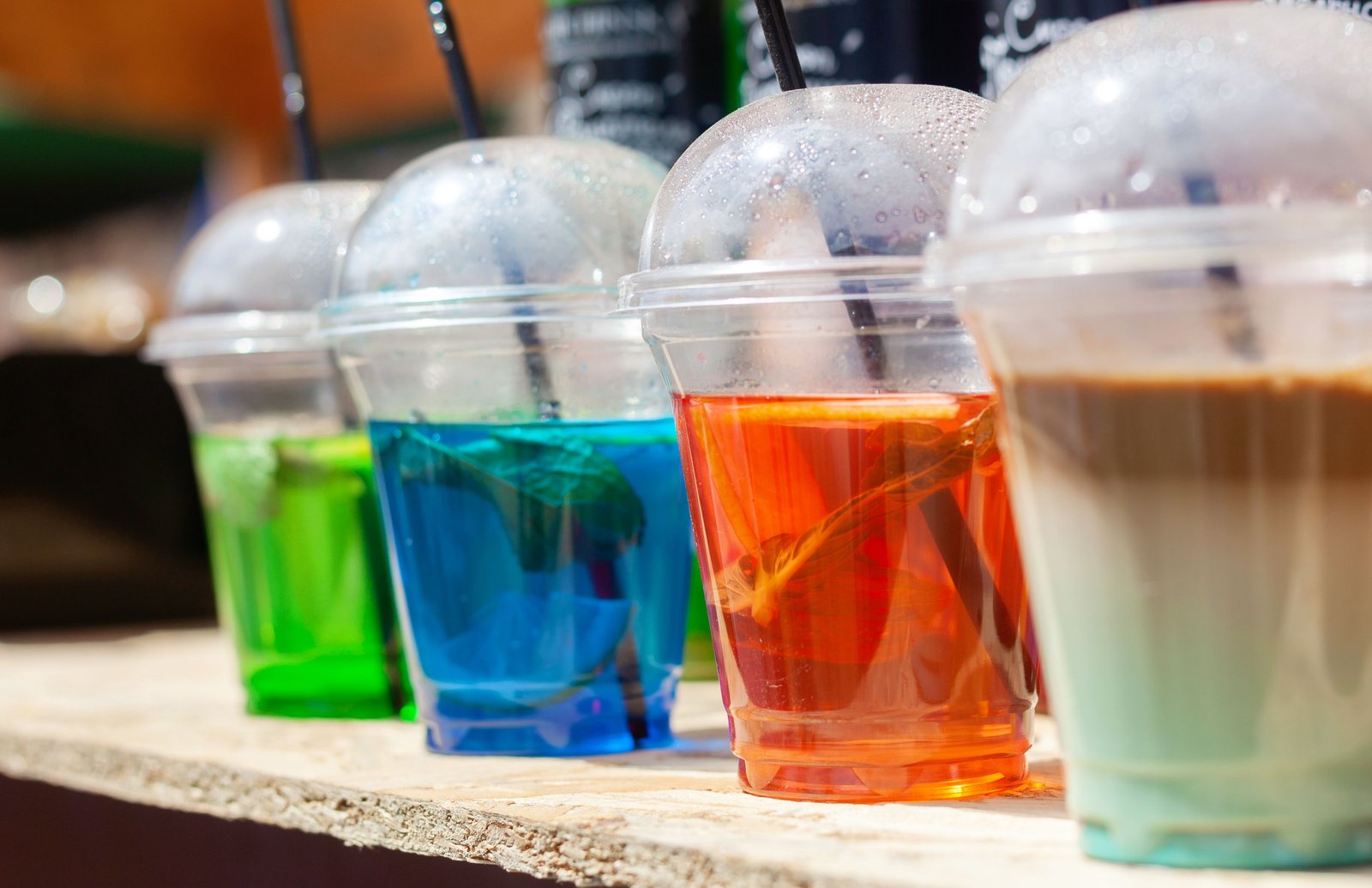
- Live beverage preparation
- Brand experience centers
Experiential marketing transforms purchasing into memorable brand interactions. Experiences encourage lasting loyalty.
Data Analytics Strengthen Customer Understanding
Organizations increasingly rely on advanced analytics to improve consumer engagement strategies.
Businesses monitor:
- Purchasing behavior
- Customer preferences
- Product performance
- Loyalty participation
- Feedback trends
Data-driven insights enable continuous improvement while supporting more effective customer relationship management. Analytics support strategic decision-making.
Challenges Continue
Despite growing investment in customer experience, organizations continue facing several challenges.
These include:
- Protecting customer privacy
- Integrating digital platforms
- Maintaining service consistency
- Managing changing consumer expectations
- Balancing personalization with operational efficiency
Continued investment in digital innovation, employee training, and customer-centric business strategies will remain essential for maintaining competitive advantage. Long-term success depends on continuous adaptation.
Conclusion
Consumer experience innovation is transforming the food and beverage industry by combining personalization, digital engagement, omnichannel convenience, transparency, and experiential marketing to create stronger and more meaningful customer relationships. By investing in artificial intelligence, customer analytics, digital platforms, loyalty ecosystems, and immersive brand experiences, organizations are improving customer satisfaction while strengthening long-term brand loyalty and business growth.
As consumer expectations continue evolving, businesses that consistently deliver exceptional experiences will be better positioned to differentiate themselves, expand market share, and build lasting competitive advantage. The continued evolution of customer experience reflects a broader transformation across the food and beverage industry, where technology, innovation, and customer-centric strategies are redefining how brands connect with consumers in an increasingly dynamic global marketplace.