Connected Factories, Intelligent Systems, and Data-Driven Operations Are Redefining the Future of Manufacturing
The manufacturing industry is experiencing one of the most significant transformations since the advent of industrial automation. Driven by advances in artificial intelligence, industrial internet of things (IIoT), cloud computing, robotics, and advanced analytics, manufacturers worldwide are embracing what has become known as Industry 4.0—a new era of smart, connected, and highly efficient production environments.
Industry 4.0 represents the convergence of digital technologies with traditional manufacturing processes. Unlike previous industrial revolutions that focused primarily on mechanization, electrification, and automation, Industry 4.0 is centered around connectivity, intelligence, and real-time decision-making.
From automotive and aerospace to electronics, pharmaceuticals, and consumer goods, manufacturers are investing heavily in smart factory initiatives designed to improve productivity, reduce costs, enhance product quality, and increase operational flexibility.
As global competition intensifies and customer expectations continue evolving, smart manufacturing is becoming a critical component of long-term business strategy.
Understanding Industry 4.0
The term Industry 4.0 refers to the integration of digital technologies into manufacturing environments. Traditional factories often operate with isolated systems where machines, production lines, and management platforms function independently. Industry 4.0 seeks to connect these systems through advanced communication networks, enabling continuous data exchange and real-time visibility across operations.
Key technologies driving Industry 4.0 include:
- Industrial Internet of Things (IIoT)
- Artificial Intelligence
- Machine Learning
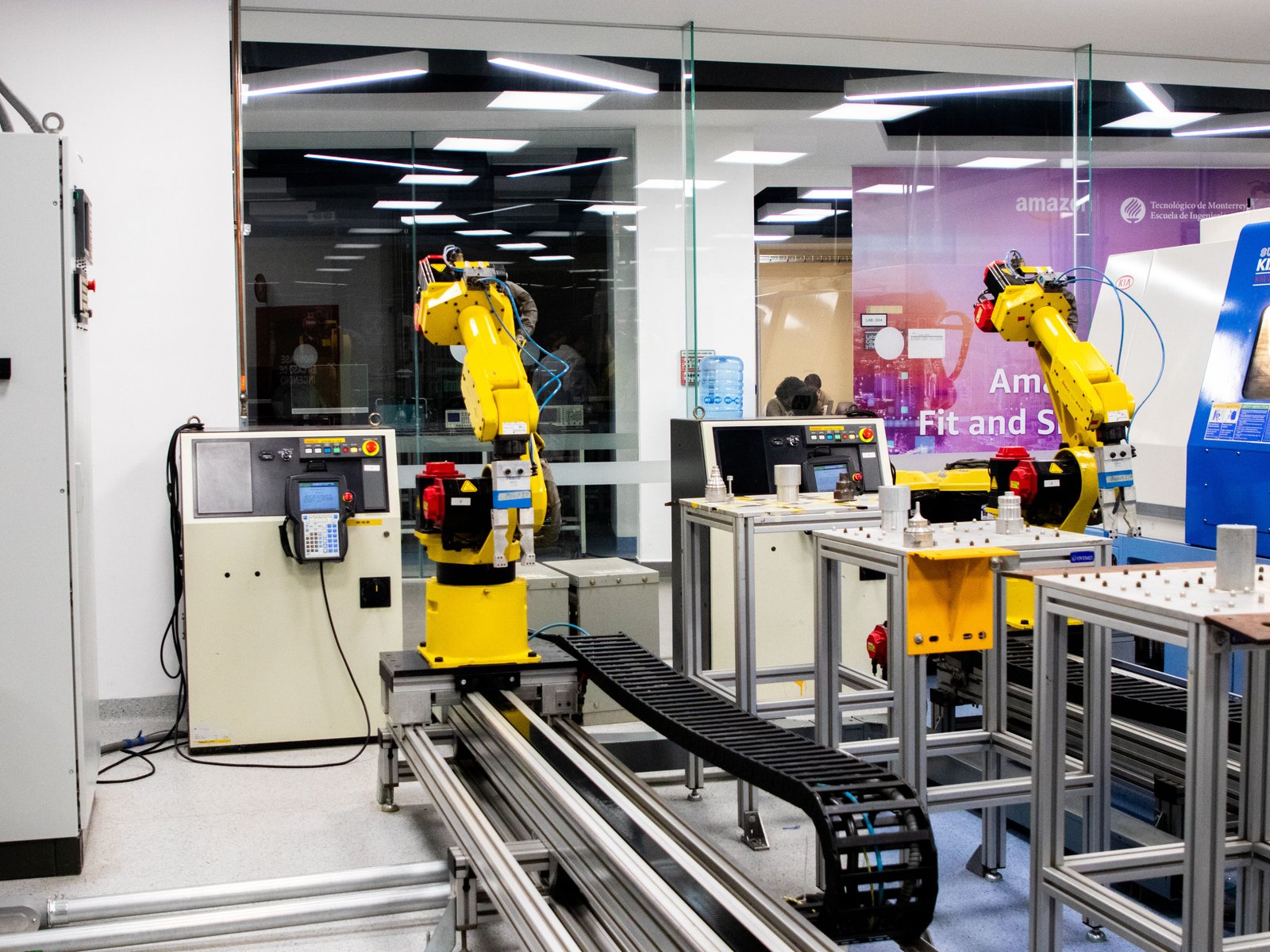
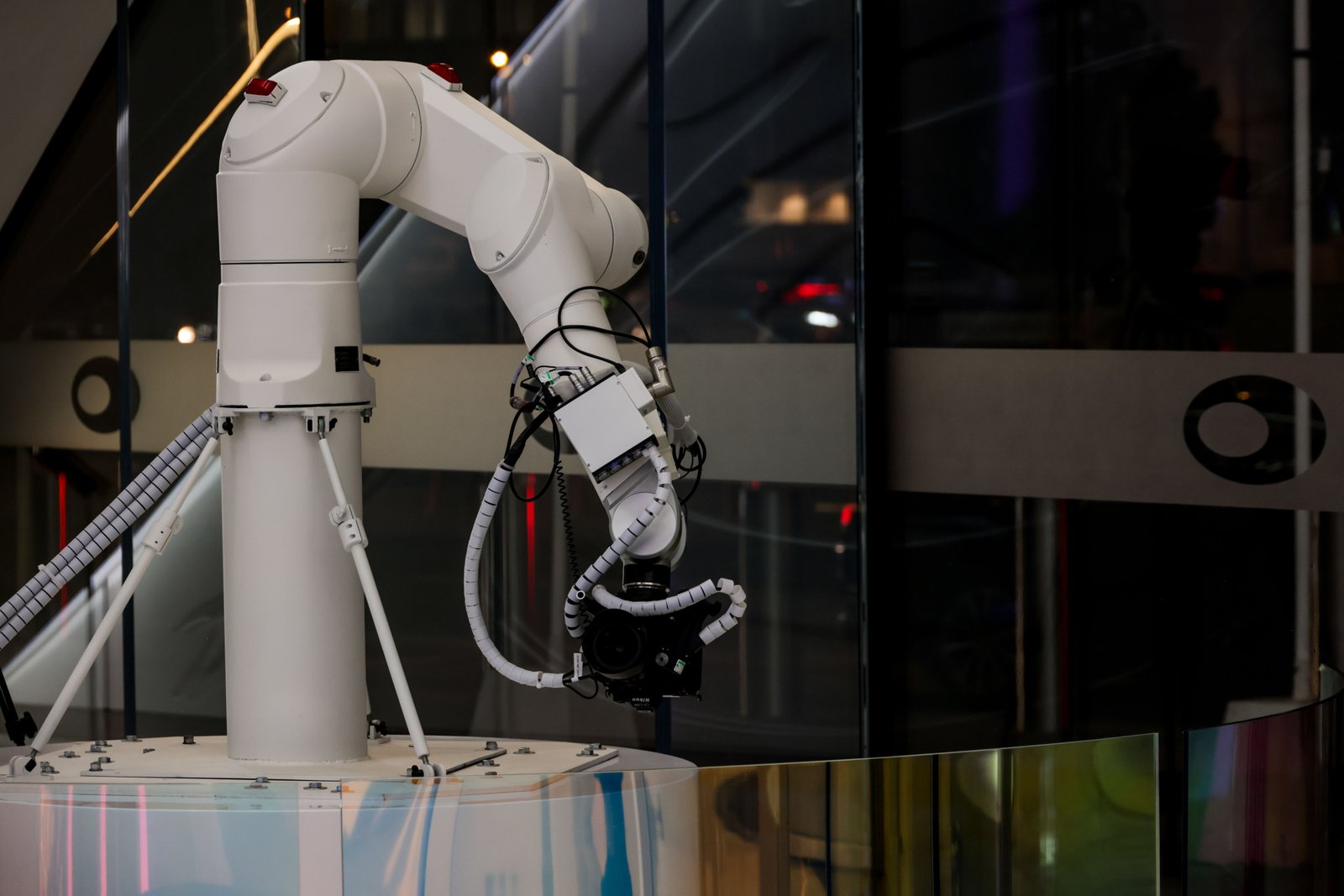
- Robotics
- Cloud Computing
- Digital Twins
- Advanced Analytics
- Edge Computing
- Augmented Reality
Together, these technologies create intelligent manufacturing ecosystems capable of self-monitoring, self-optimizing, and adapting to changing production requirements.
The result is a more agile and responsive manufacturing environment that can deliver higher levels of efficiency and innovation.
The Rise of Smart Factories
Smart factories are at the heart of Industry 4.0. Unlike conventional production facilities, smart factories leverage connected devices and intelligent systems to monitor operations continuously. Sensors installed throughout manufacturing equipment collect real-time data related to performance, energy consumption, production output, and equipment health.
This information is analyzed instantly, allowing managers and automated systems to make informed decisions based on current operating conditions. For example, production schedules can be adjusted automatically in response to equipment performance, customer demand, or supply chain disruptions. Smart factories reduce reliance on manual intervention while improving operational visibility and responsiveness. Many manufacturers view smart factory development as essential for maintaining competitiveness in rapidly changing markets.
Data Becomes a Strategic Asset
Modern manufacturing operations generate enormous amounts of data every day. Historically, much of this information remained underutilized because organizations lacked the tools necessary to analyze it effectively. Industry 4.0 technologies are changing this reality. Advanced analytics platforms allow manufacturers to transform operational data into actionable insights.
Organizations can identify inefficiencies, optimize production processes, monitor quality performance, and forecast future demand more accurately. Data-driven decision-making enables manufacturers to respond quickly to emerging challenges while identifying opportunities for continuous improvement. As a result, data is increasingly viewed as one of the most valuable assets within modern manufacturing enterprises. Companies that successfully leverage manufacturing data often achieve significant competitive advantages.
Improving Production Efficiency
Efficiency remains a primary objective for manufacturers implementing Industry 4.0 initiatives. Connected systems provide unprecedented visibility into production operations, allowing organizations to identify bottlenecks and eliminate inefficiencies. Real-time monitoring enables managers to track production performance continuously rather than relying solely on historical reports.
Automated systems can optimize machine settings, adjust workflows, and allocate resources dynamically based on current operating conditions.
These capabilities help manufacturers:
- Increase throughput
- Reduce downtime
- Improve resource utilization
- Minimize waste
- Lower operating costs
Even small efficiency improvements can generate substantial financial benefits when applied across large-scale manufacturing operations. This is one of the key reasons Industry 4.0 investments continue accelerating worldwide.
Enhanced Quality Control Through Technology
Product quality remains a critical factor in manufacturing success. Traditional quality inspection processes often rely heavily on manual reviews and periodic testing. Industry 4.0 technologies enable more comprehensive and proactive quality management. Artificial intelligence and machine vision systems can inspect products in real time, identifying defects with remarkable speed and accuracy.
Sensors embedded throughout production lines continuously monitor process variables and detect deviations before quality issues occur. Predictive analytics can identify patterns associated with defects, allowing organizations to address root causes proactively. These capabilities help reduce product recalls, improve customer satisfaction, and strengthen brand reputation. Manufacturers increasingly view digital quality management as a strategic investment rather than a compliance requirement.
Supply Chain Integration Strengthens Operations
Manufacturing operations are closely connected to complex global supply chains. Industry 4.0 technologies are helping organizations improve visibility and coordination across supplier networks. Connected systems provide real-time information regarding inventory levels, supplier performance, shipment status, and production schedules. This visibility enables manufacturers to respond more effectively to disruptions and changing market conditions.
Supply chain integration also supports better forecasting and inventory management. Organizations can align production activities more closely with customer demand, reducing excess inventory while maintaining service levels. The ability to manage supply chains intelligently has become increasingly important in today's volatile business environment.
Sustainability Drives Smart Manufacturing Adoption
Environmental sustainability is becoming a major priority for manufacturers worldwide. Industry 4.0 technologies support sustainability objectives by improving resource efficiency and reducing waste. Connected systems can monitor energy consumption, water usage, emissions, and material utilization in real time. Manufacturers can identify opportunities to reduce environmental impacts while improving operational performance.
Examples include:
- Optimizing energy usage
- Reducing material waste
- Improving recycling processes
- Minimizing emissions
- Enhancing resource efficiency
As governments, investors, and consumers place greater emphasis on sustainability, smart manufacturing technologies are helping organizations achieve both environmental and business goals.
Workforce Transformation and Human Collaboration
Despite increasing automation, Industry 4.0 does not eliminate the need for human workers. Instead, it is changing the nature of manufacturing jobs. Employees are increasingly required to work alongside advanced technologies, analyze data, manage automated systems, and support continuous improvement initiatives. Manufacturers are investing in workforce development programs focused on digital skills, data literacy, and advanced technology competencies.
The concept of human-machine collaboration is becoming central to modern manufacturing strategies. Rather than replacing workers entirely, many Industry 4.0 technologies are designed to augment human capabilities and improve productivity. Organizations that successfully combine technological innovation with workforce development are often best positioned for long-term success.
Challenges to Industry 4.0 Adoption
Despite its benefits, implementing Industry 4.0 presents several challenges. Many manufacturers operate legacy systems that were not designed for modern connectivity requirements. Integrating new technologies with existing infrastructure can be complex and costly.
Additional challenges include:
- Cybersecurity risks
- Data management complexity
- Workforce training requirements
- Capital investment costs
- Change management concerns
Small and medium-sized manufacturers may face particular difficulties due to limited resources and technical expertise. However, declining technology costs and increasing availability of cloud-based solutions are making adoption more accessible. Organizations that approach transformation strategically can overcome many of these challenges.
Future Outlook
Industry 4.0 is expected to continue reshaping global manufacturing throughout the coming decade. Advances in artificial intelligence, robotics, digital twins, industrial connectivity, and automation will further expand the capabilities of smart factories. Manufacturers that embrace digital transformation will be better positioned to improve efficiency, enhance quality, strengthen resilience, and respond to evolving customer expectations.
The future factory will be increasingly connected, intelligent, and adaptive—capable of making real-time decisions and continuously optimizing performance. As the manufacturing sector enters this new era, Industry 4.0 is becoming more than a technology initiative. It is emerging as a fundamental business strategy that will define competitiveness and growth in the modern industrial economy.