Manufacturers Invest in Talent Development, Digital Skills, and Workforce Innovation to Meet the Demands of Industry 4.0
As the manufacturing industry undergoes rapid digital transformation, workforce development has emerged as one of the sector’s most pressing priorities. Advances in automation, artificial intelligence, robotics, data analytics, and smart manufacturing technologies are reshaping factory operations worldwide, creating new opportunities while simultaneously transforming the skills required to succeed in modern industrial environments.
While technology continues to drive productivity and operational efficiency, manufacturers across the globe are facing a growing challenge: a widening skills gap. Many organizations report difficulty finding workers with the technical expertise needed to manage advanced manufacturing systems, operate automated equipment, analyze data, and support digital transformation initiatives.
At the same time, demographic shifts, changing workforce expectations, and increased competition for talent are adding further complexity to recruitment and retention efforts.
Industry leaders increasingly recognize that the future of manufacturing depends not only on technological innovation but also on the ability to develop a highly skilled and adaptable workforce capable of thriving in an increasingly digital industrial landscape.
Manufacturing Enters a New Era of Work
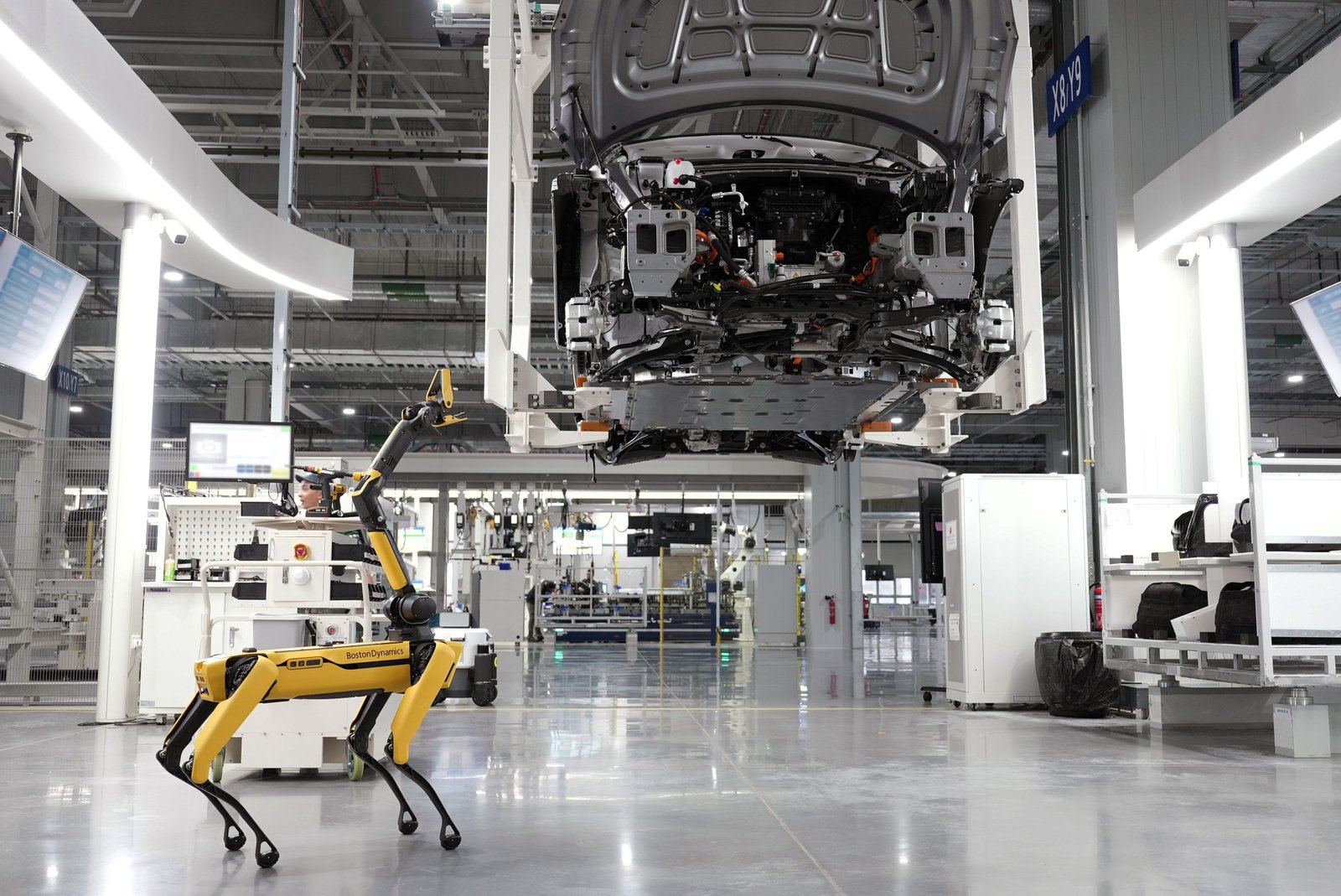
The nature of manufacturing work has changed dramatically over the past several decades. Traditional production environments relied heavily on manual labor and repetitive tasks. Today's manufacturing facilities increasingly incorporate automation, robotics, connected machinery, and intelligent systems.
As a result, many roles that once focused primarily on physical production activities now require technical knowledge, digital literacy, and analytical skills.
Modern manufacturing employees may be responsible for:
- Monitoring automated systems
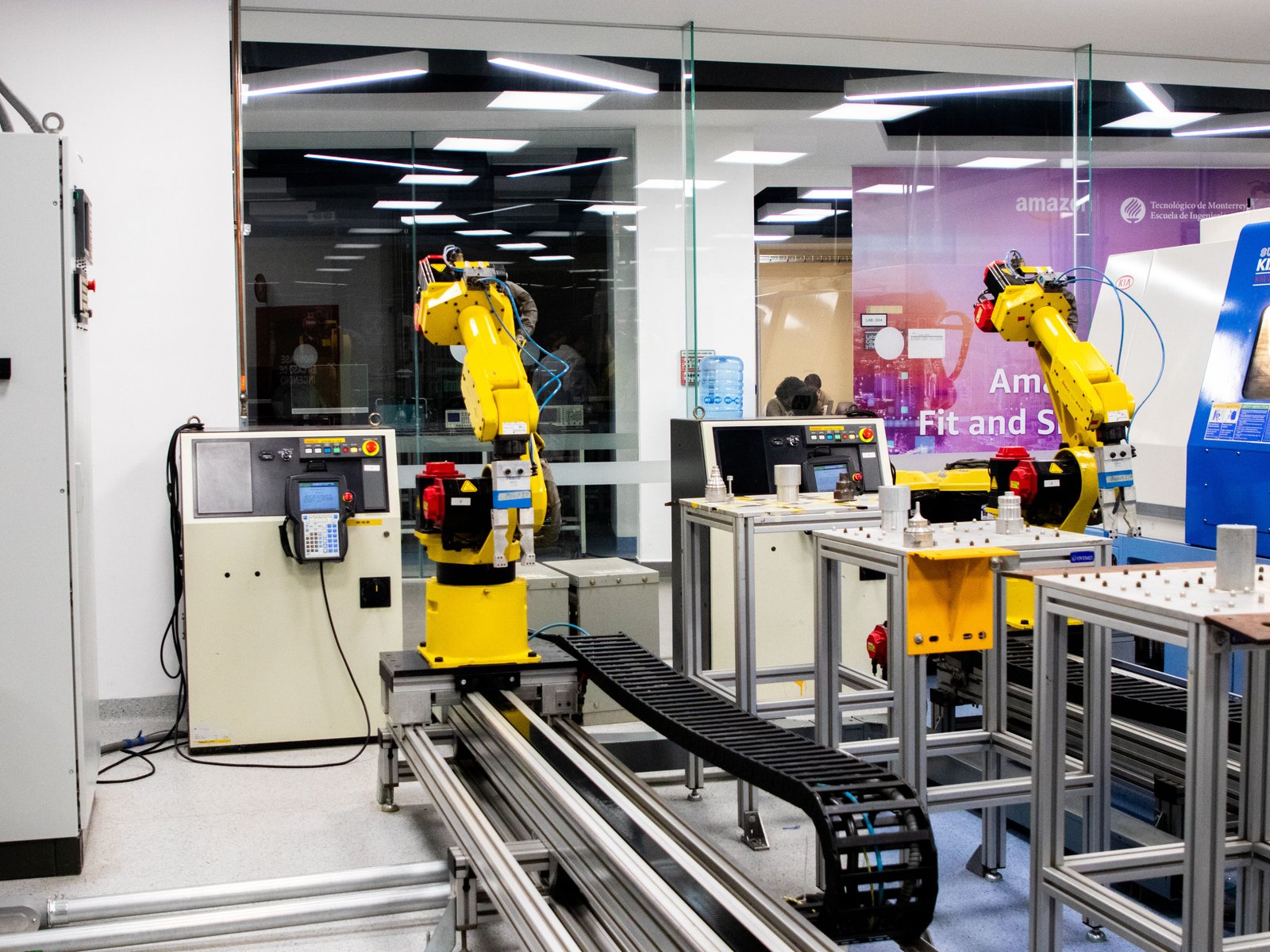
- Managing robotic equipment
- Analyzing production data
- Operating digital platforms
- Supporting predictive maintenance programs
- Collaborating with artificial intelligence tools
The evolution of manufacturing technology is creating demand for new competencies while reducing reliance on certain repetitive manual tasks. Organizations must adapt workforce strategies to align with these changing requirements.
The Growing Skills Gap Challenge
One of the most significant concerns facing manufacturers today is the shortage of qualified workers. Many companies report difficulties filling positions related to engineering, automation, maintenance, information technology, data analytics, and advanced production operations.
Several factors are contributing to the skills gap:
- Aging workforce demographics
- Retirements among experienced employees
- Rapid technological advancement
- Insufficient technical training pipelines
- Changing career preferences among younger generations
As experienced workers leave the industry, organizations risk losing valuable institutional knowledge and technical expertise. At the same time, emerging technologies require capabilities that may not be readily available within existing labor pools. Addressing these workforce challenges has become a strategic priority for manufacturers seeking sustainable growth.
Industry 4.0 Creates New Skill Requirements
The rise of Industry 4.0 is fundamentally reshaping workforce needs. Smart factories rely on interconnected systems that generate large volumes of data and require sophisticated management capabilities.
Employees increasingly need skills related to:
- Artificial Intelligence
- Industrial Automation
- Robotics
- Cybersecurity
- Data Analytics
- Cloud Computing
- Industrial IoT
- Digital Maintenance Systems
Manufacturers are placing greater emphasis on technical competencies that support digital operations. However, technical skills alone are not sufficient. Organizations also value critical thinking, problem-solving, communication, adaptability, and collaboration—qualities that remain essential in technology-driven workplaces. The combination of technical expertise and human capabilities is becoming a defining characteristic of successful manufacturing professionals.
Upskilling and Reskilling Gain Importance
To address workforce shortages and evolving skill requirements, many manufacturers are investing heavily in upskilling and reskilling initiatives. Rather than relying exclusively on external recruitment, organizations are focusing on developing existing employees. Upskilling programs help workers expand their capabilities within current roles, while reskilling initiatives prepare employees for entirely new responsibilities.
Training programs often focus on areas such as:
- Digital technologies
- Robotics operation
- Data interpretation
- Equipment diagnostics
- Automation systems
- Software platforms
Continuous learning is becoming an essential component of workforce strategy. Manufacturers increasingly recognize that employee development not only supports operational objectives but also improves engagement and retention. Organizations that invest in workforce development are often better positioned to adapt to technological change.
Educational Partnerships Support Talent Development
Collaboration between manufacturers and educational institutions is playing an increasingly important role in workforce development. Many organizations are partnering with universities, technical schools, vocational institutions, and training providers to create talent pipelines aligned with industry needs. These partnerships help ensure that students acquire relevant skills before entering the workforce.
Common initiatives include:
- Apprenticeship programs
- Internship opportunities
- Technical certifications
- Industry-sponsored training courses
- Research collaborations
By working closely with educational institutions, manufacturers can influence curriculum development and help prepare future employees for modern industrial environments. These efforts contribute to stronger workforce readiness and support long-term industry growth.
Attracting the Next Generation of Talent
Manufacturing companies are also working to improve perceptions of the industry among younger generations. For many years, manufacturing careers were often associated with repetitive manual labor and physically demanding environments. Modern manufacturing tells a very different story. Today's factories increasingly feature advanced technologies, automation systems, digital tools, and innovative production processes.
Manufacturers are emphasizing opportunities related to:
- Technology innovation
- Sustainability
- Engineering
- Artificial Intelligence
- Robotics
- Digital transformation
By highlighting these aspects, organizations aim to attract students and early-career professionals interested in technology-driven careers. Changing perceptions is considered essential for addressing long-term talent shortages.
Human-Machine Collaboration Defines the Future
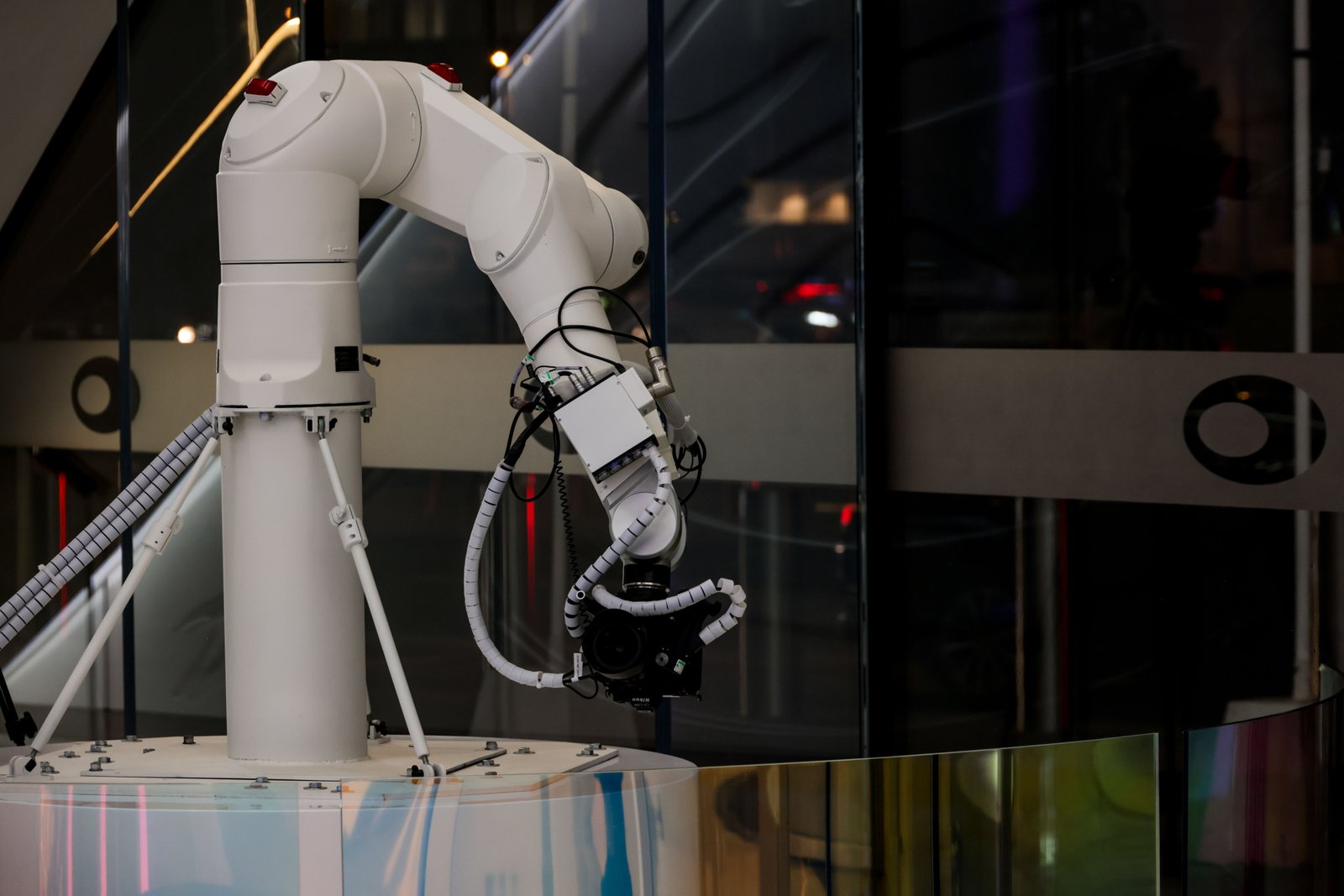
Contrary to concerns that automation will eliminate manufacturing jobs, many industry experts believe the future will be characterized by greater collaboration between humans and machines. Robotics and artificial intelligence are automating routine tasks, but human workers remain essential for activities requiring judgment, creativity, and problem-solving. Collaborative robots, or cobots, are increasingly working alongside employees to improve productivity and safety.
In these environments, workers focus on higher-value activities while automated systems handle repetitive processes. Successful organizations are developing workforce strategies that emphasize human-machine collaboration rather than replacement. The ability to leverage technology while maximizing human potential is becoming a key competitive advantage.
Diversity and Inclusion Strengthen Workforce Resilience
Manufacturers are increasingly recognizing the value of diversity and inclusion in addressing workforce challenges. Broader talent pools provide organizations with access to new perspectives, skills, and ideas.
Efforts to improve diversity often focus on increasing participation among:
- Women in manufacturing
- Underrepresented communities
- Veterans
- Early-career professionals
- Career transition candidates
Inclusive workplace cultures support innovation and improve employee engagement. As competition for talent intensifies, organizations that create welcoming and supportive environments are often better positioned to attract and retain skilled workers. Diversity is becoming an important component of workforce resilience and organizational performance.
Technology Supports Workforce Development
Technology itself is helping manufacturers address workforce development challenges. Digital learning platforms, virtual reality simulations, augmented reality tools, and online training systems are making skill development more accessible and effective.
Examples include:
- Virtual equipment training
- Digital maintenance simulations
- Interactive learning modules
- Remote technical instruction
- AI-powered learning platforms
These technologies allow employees to gain practical experience in controlled environments without disrupting production operations. Manufacturers are increasingly integrating digital learning solutions into broader workforce development strategies. Technology-enabled training is expected to play a growing role in future talent development efforts.
Challenges Remain
Despite substantial progress, workforce transformation remains a complex undertaking.
Manufacturers continue facing challenges such as:
- Talent shortages
- Training costs
- Rapid technology evolution
- Employee retention
- Knowledge transfer from retiring workers
- Competition for technical talent
Successfully addressing these issues requires long-term commitment and strategic planning. Organizations must balance immediate operational needs with future workforce development objectives. Those that view talent as a strategic asset are generally better positioned for long-term success.
Future Outlook
The future of manufacturing will depend heavily on the ability of organizations to develop, attract, and retain skilled talent. As Industry 4.0 technologies continue reshaping production environments, workforce transformation will remain a central business priority. Manufacturers that invest in employee development, educational partnerships, diversity initiatives, and technology-enabled training programs will be better equipped to navigate evolving industry demands.
The factories of the future will not be defined solely by automation and intelligent systems—they will also depend on highly skilled professionals capable of managing, optimizing, and innovating within increasingly digital environments. Bridging the skills gap is therefore more than a workforce challenge; it is a strategic imperative that will shape the competitiveness, resilience, and growth of the manufacturing sector for years to come.