Advanced Robotics Systems Are Enhancing Productivity, Precision, and Flexibility Across Modern Manufacturing Environments
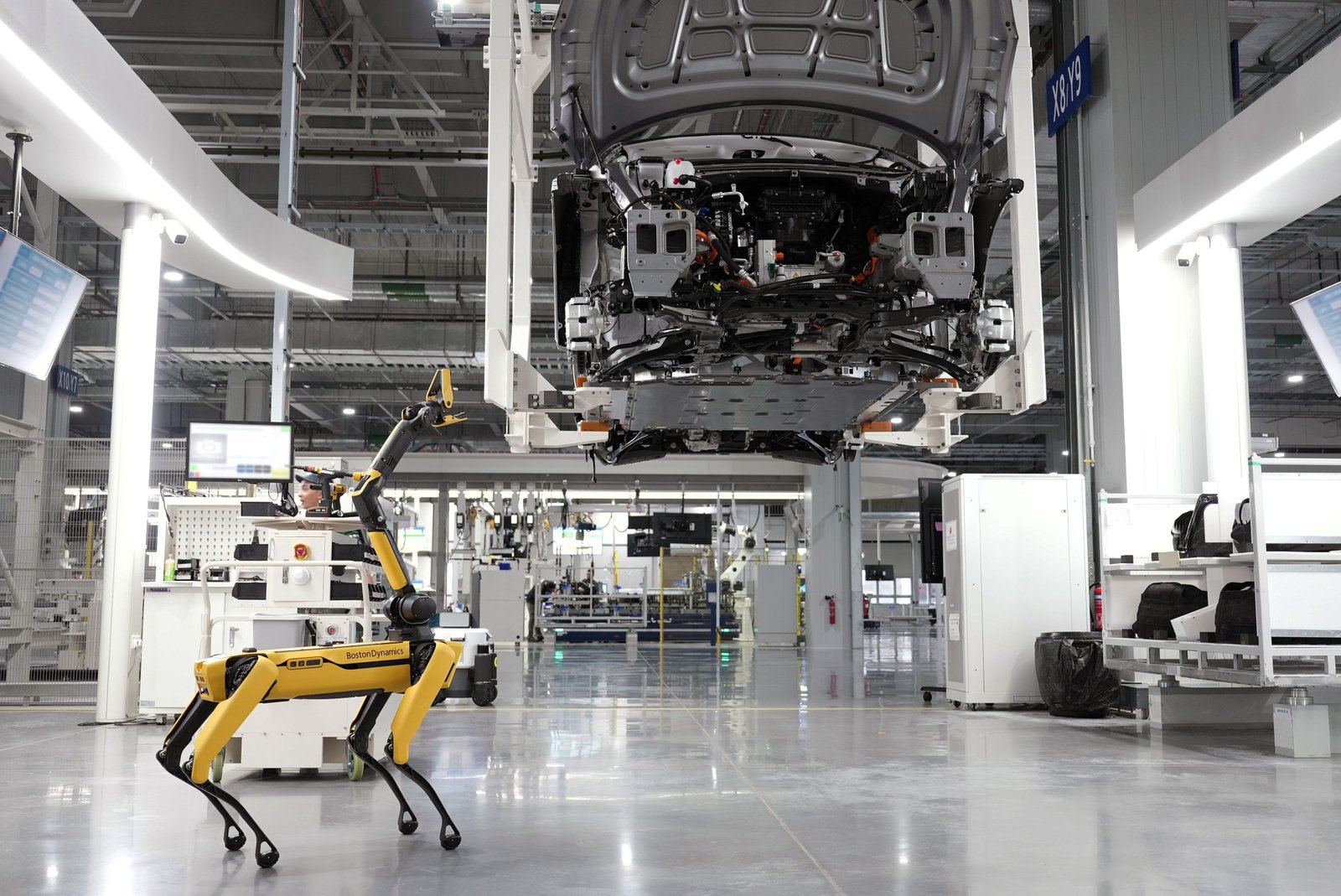
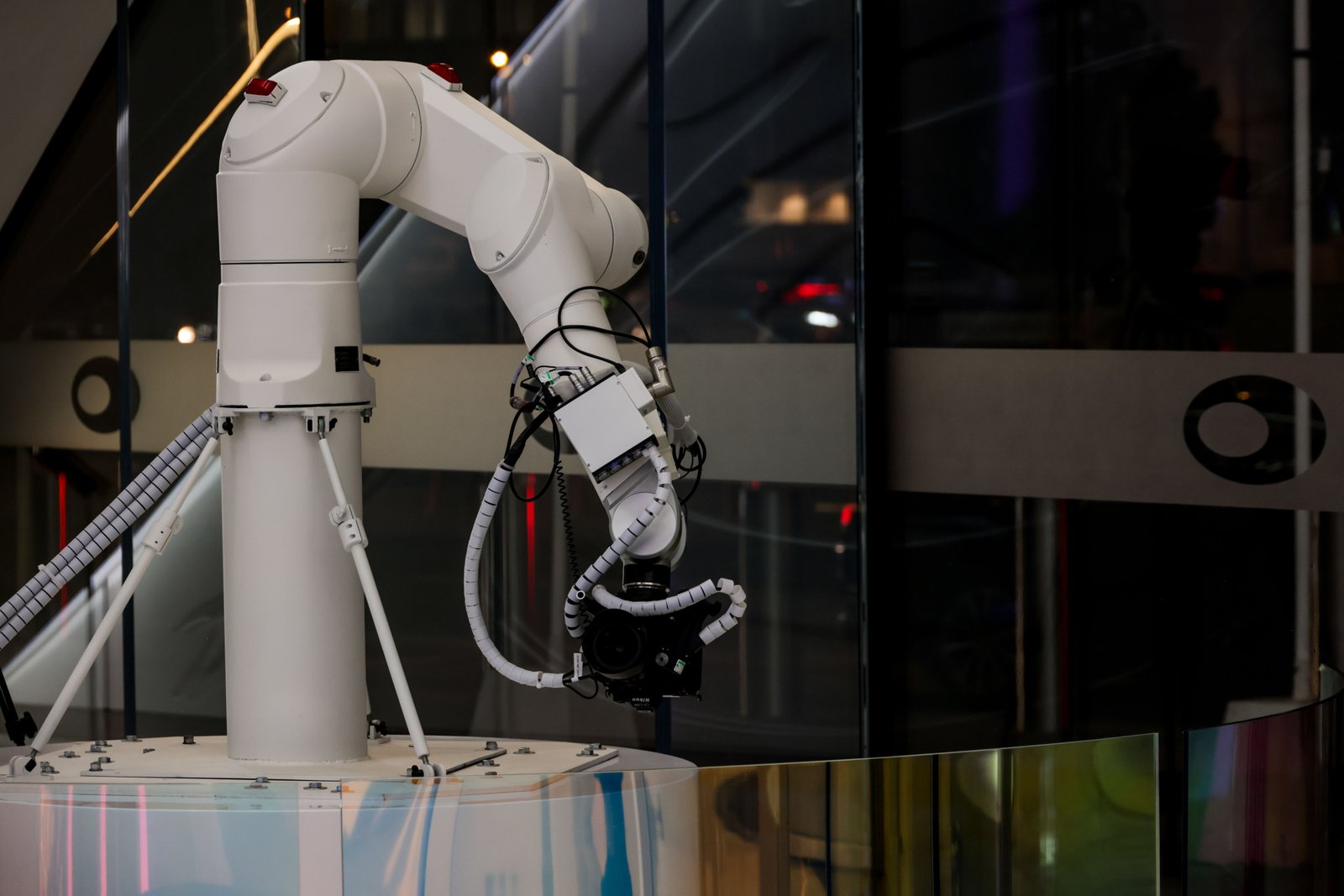
The global manufacturing sector is witnessing a rapid surge in the adoption of industrial robotics as companies seek to improve efficiency, address labor shortages, enhance product quality, and remain competitive in an increasingly demanding market. Once limited to highly specialized automotive assembly lines, robots are now becoming a common feature across a wide range of industries, including electronics, food and beverage, pharmaceuticals, aerospace, consumer goods, logistics, and heavy industrial manufacturing.
Advancements in artificial intelligence, machine vision, sensor technologies, and automation software have significantly expanded the capabilities of industrial robots. Today's robotic systems are smarter, faster, more flexible, and capable of performing increasingly complex tasks with exceptional precision.
As manufacturers face mounting pressure to reduce costs, improve productivity, and respond quickly to changing customer demands, robotics is emerging as one of the most important technologies shaping the future of industrial production. Industry experts predict that robot adoption will continue accelerating throughout the decade as automation becomes a central pillar of modern manufacturing strategy.
The Evolution of Industrial Robotics
Industrial robotics has evolved dramatically over the past several decades. Early robots were primarily designed to perform repetitive and highly structured tasks such as welding, painting, and material handling. While effective, these systems often required extensive programming and operated within tightly controlled environments.
Modern robotic systems are significantly more sophisticated. Advances in computing power, artificial intelligence, machine learning, and sensor technologies have enabled robots to perform tasks that once required human judgment and adaptability.
Today's industrial robots can:
- Recognize objects
- Navigate dynamic environments
- Collaborate with human workers
- Analyze data in real time
- Adapt to changing production requirements
These capabilities are transforming robotics from a specialized automation tool into a versatile manufacturing asset. As technology continues advancing, the range of applications suitable for robotics is expanding rapidly.
Labor Shortages Drive Automation Investment
One of the primary factors driving robotic adoption is the growing challenge of workforce shortages. Manufacturers across many regions are struggling to recruit and retain skilled workers for production roles. Aging populations, changing workforce preferences, and increasing competition for talent have created significant labor challenges within the industrial sector.
Robotics offers manufacturers a practical solution for maintaining production capacity while reducing dependence on hard-to-fill positions. Automated systems can perform repetitive, physically demanding, or hazardous tasks consistently and efficiently. Rather than replacing workers entirely, many organizations use robotics to address labor gaps and allow employees to focus on higher-value activities requiring problem-solving and technical expertise. The ability to maintain productivity despite workforce constraints has become a major advantage for manufacturers investing in automation.
Improving Productivity and Operational Efficiency
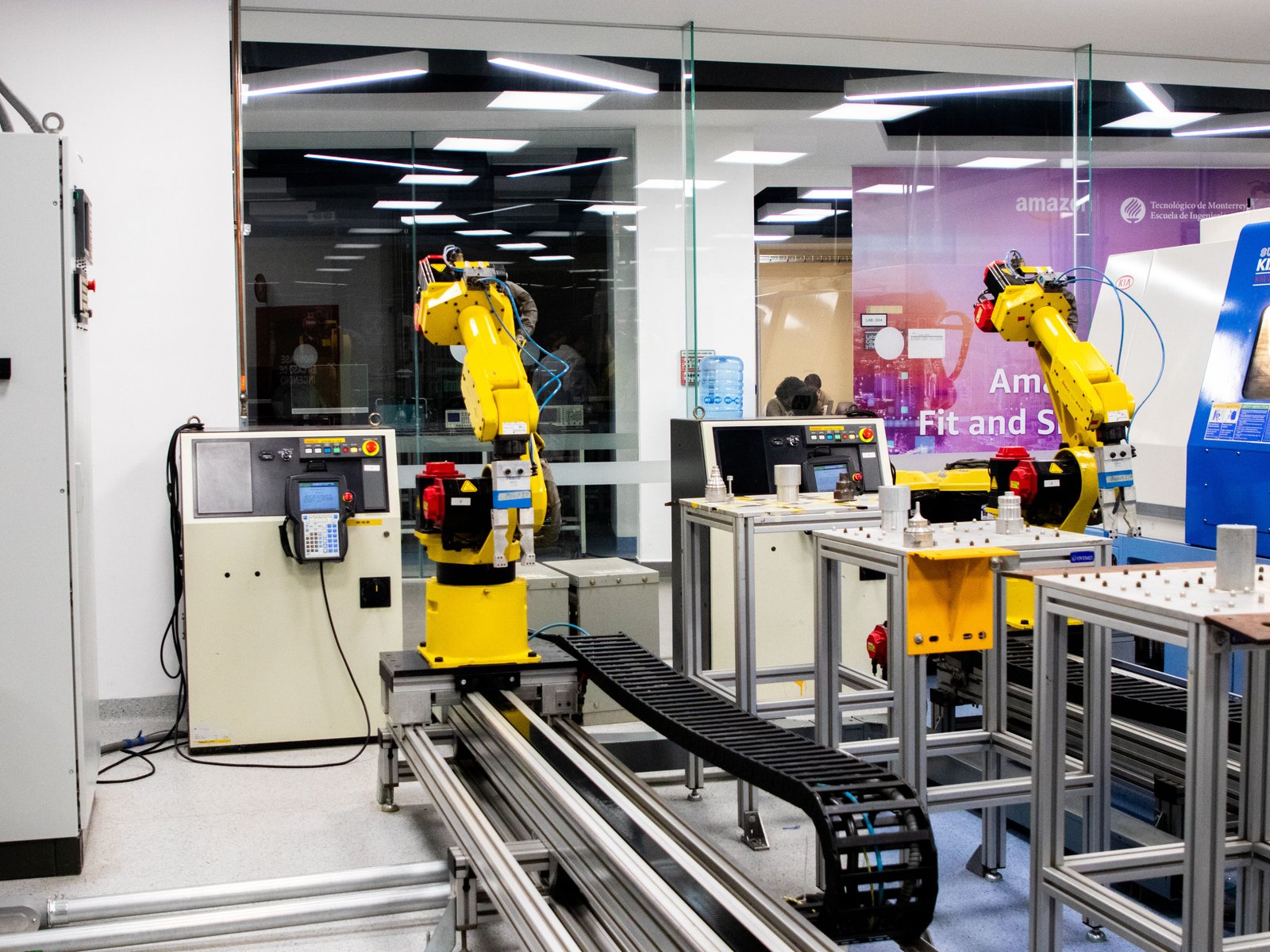
Productivity remains one of the most compelling benefits of industrial robotics. Unlike human workers, robots can operate continuously with minimal interruptions, enabling manufacturers to maximize production output. Robotic systems can perform tasks with high levels of speed, consistency, and accuracy, reducing variability and improving operational performance.
Applications include:
- Assembly operations
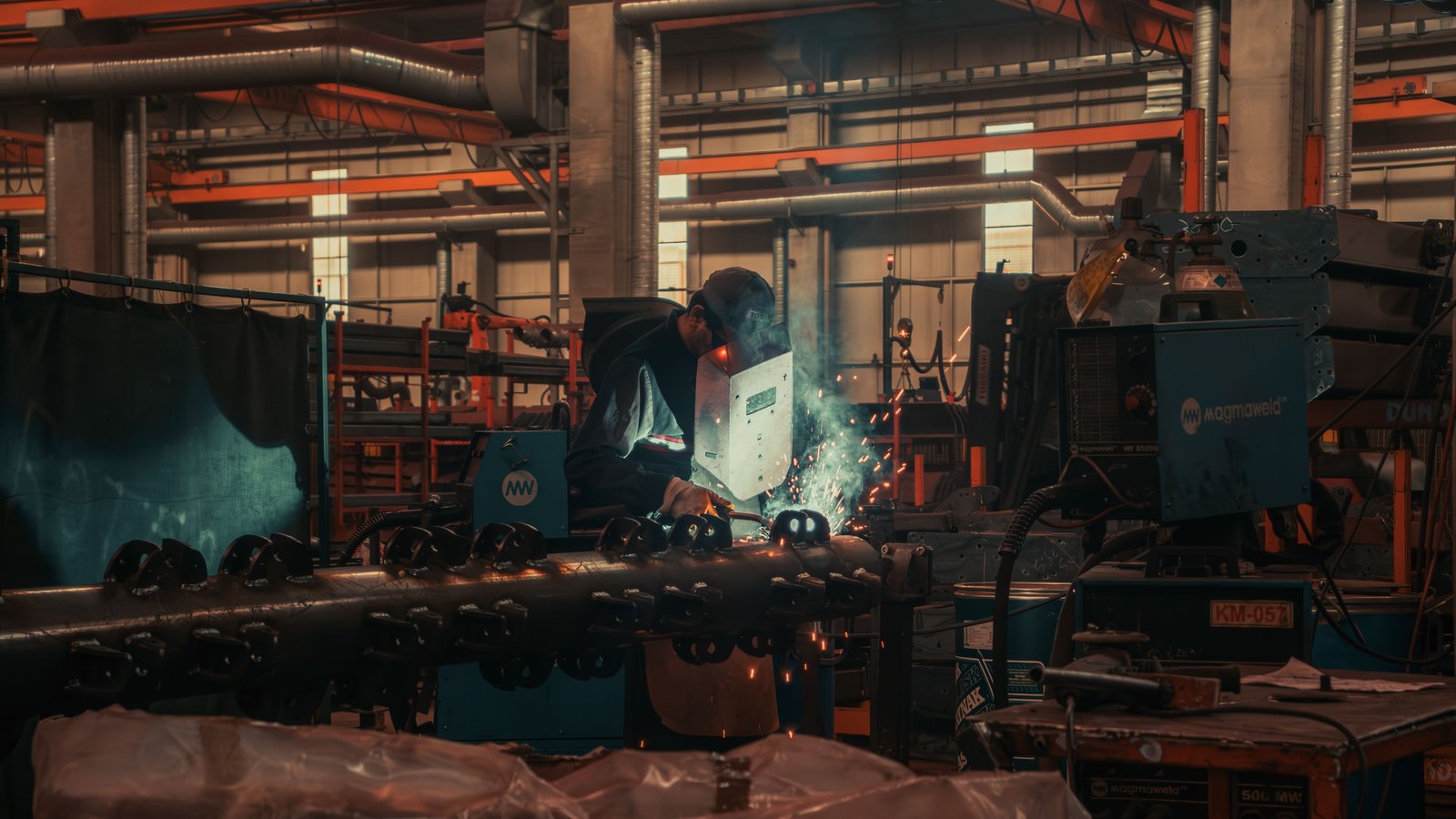
- Welding processes
- Packaging activities
- Material handling
- Machine tending
- Inspection procedures
By automating repetitive tasks, manufacturers can streamline workflows and reduce cycle times. Even modest productivity improvements can generate substantial financial benefits when applied across large-scale production operations. As a result, robotics investments are increasingly viewed as strategic initiatives that support long-term growth and competitiveness.
Precision and Quality Reach New Levels
Product quality is another major driver of robotic adoption. Manufacturers face increasing expectations regarding product consistency, reliability, and performance. Human-operated processes can be affected by fatigue, variability, and environmental factors. Robotic systems, by contrast, can execute tasks with exceptional precision and repeatability.
This capability is particularly valuable in industries where quality standards are extremely stringent, such as:
- Aerospace
- Electronics
- Medical devices
- Automotive manufacturing
- Pharmaceutical production
Robots equipped with advanced sensors and machine vision systems can perform inspections, detect defects, and ensure compliance with quality specifications. The result is improved product quality, reduced waste, and lower costs associated with rework and recalls. Quality improvement remains one of the strongest business cases for automation investments.
Collaborative Robots Expand Opportunities
One of the most significant developments in industrial automation is the rise of collaborative robots, commonly known as cobots. Unlike traditional industrial robots that operate within isolated safety enclosures, cobots are designed to work alongside human employees. These systems incorporate advanced sensors and safety features that allow them to interact safely with people.
Collaborative robots offer several advantages:
- Simplified deployment
- Greater flexibility
- Lower implementation costs
- Improved workforce collaboration
- Adaptability to changing tasks
Cobots are particularly attractive to small and medium-sized manufacturers that may not have the resources required for large-scale automation projects. Their ease of use and versatility have contributed to rapid adoption across various industries. Many experts view collaborative robotics as a key driver of future automation growth.
Artificial intelligence is playing an increasingly important role in robotics innovation. Traditional robots typically follow predefined instructions and perform tasks within structured environments. AI-powered robots can learn from data, adapt to changing conditions, and make decisions based on real-time information. Machine learning algorithms enable robots to improve performance over time and handle more complex tasks.
Applications include:
- Visual recognition
- Predictive maintenance
- Autonomous navigation
- Process optimization
- Dynamic task allocation
AI allows robotic systems to operate more intelligently and respond effectively to unexpected situations. As artificial intelligence technologies continue evolving, the capabilities of industrial robots are expected to expand significantly. The integration of AI and robotics is creating new possibilities for advanced manufacturing environments.
Robotics Strengthens Workplace Safety
Safety remains a critical concern within manufacturing operations. Many industrial environments involve tasks that expose workers to physical hazards, repetitive strain injuries, or dangerous materials. Robotic systems can perform these activities while reducing risks to human employees.
Examples include:
- Heavy lifting
- Hazardous material handling
- High-temperature operations
- Precision cutting
- Repetitive assembly tasks
By automating potentially dangerous processes, manufacturers can improve workplace safety and reduce injury rates. Safer working environments often contribute to improved employee satisfaction and reduced operational disruptions. Robotics is increasingly viewed not only as a productivity tool but also as an important component of occupational health and safety strategies.
Supply Chain Pressures Accelerate Adoption
Global supply chain challenges have further increased interest in factory automation. Manufacturers are under pressure to improve resilience, increase production flexibility, and respond quickly to market fluctuations.
Robotic systems support these objectives by enabling faster production adjustments and reducing dependence on manual labor availability. Automation can help manufacturers maintain output levels during periods of workforce disruption while improving consistency and reliability. Organizations that successfully integrate robotics into production operations often gain greater agility and responsiveness. These capabilities are becoming increasingly valuable in today's rapidly changing business environment.
Sustainability Benefits of Robotics
Industrial robotics can also support sustainability objectives. Automated systems often improve resource efficiency by reducing material waste, optimizing energy usage, and enhancing production accuracy.
Examples include:
- Reduced scrap rates
- Improved material utilization
- Lower energy consumption
- Optimized production scheduling
- Enhanced process efficiency
By minimizing inefficiencies, robotics contributes to both environmental and financial performance improvements. Manufacturers seeking to reduce environmental impacts are increasingly incorporating automation into broader sustainability initiatives. The connection between robotics and sustainable manufacturing is expected to strengthen over time.
Challenges to Widespread Adoption
Despite the benefits, implementing robotics presents several challenges.
Manufacturers must consider:
- Initial investment costs
- Technology integration requirements
- Workforce training needs
- Cybersecurity concerns
- Maintenance requirements
Small and medium-sized enterprises may face particular challenges when evaluating automation investments. However, declining hardware costs, flexible financing models, and advancements in user-friendly robotic systems are making adoption more accessible. Many organizations find that long-term productivity gains and operational improvements justify the initial investment. Careful planning and strategic implementation remain essential for successful deployment.
Future Outlook
The future of manufacturing will be increasingly automated, connected, and intelligent. Industrial robotics will continue expanding beyond traditional applications into new areas driven by artificial intelligence, machine vision, and advanced automation technologies. Collaborative robots, autonomous systems, and AI-powered machines will enable manufacturers to achieve higher levels of efficiency, flexibility, and quality while addressing workforce and supply chain challenges.
Organizations that embrace robotic automation will be better positioned to compete in an environment defined by rising customer expectations, global competition, and rapid technological change. As robotics technology becomes more accessible and capable, it is poised to become a cornerstone of modern manufacturing strategy. The factories of the future will not simply be automated—they will be intelligent production ecosystems where humans and robots work together to drive innovation, productivity, and sustainable growth.