Intelligent Robotics Enter Retail, Healthcare, Logistics, Hospitality, and Service Industries as Businesses Accelerate Automation Strategies The global robotics industry is entering a new phase of growth as autonomous robots move beyond traditional manufacturing environments and become increasingly integrated into everyday business operations. Once primarily associated with automotive assembly lines and industrial production facilities, modern robots are now being deployed across a wide range of sectors including healthcare, logistics, retail, hospitality, agriculture, construction, and public services.
Powered by advances in artificial intelligence, machine learning, computer vision, sensors, and edge computing, today's autonomous robots are capable of navigating complex environments, making decisions, interacting with humans, and performing tasks with minimal supervision. Industry experts believe robotics adoption will accelerate significantly over the next decade as organizations seek solutions to labor shortages, rising operational costs, and increasing demands for efficiency.
The growing capabilities of autonomous systems are transforming how businesses operate, creating new opportunities for productivity while reshaping workforce strategies worldwide. As technology continues to evolve, autonomous robots are becoming an essential part of the digital transformation journey across industries.
The Evolution of Modern Robotics
The robotics industry has undergone remarkable transformation in recent years. Traditional industrial robots were typically designed to perform repetitive tasks within controlled environments. They often required extensive programming and operated within fixed locations.
Today's autonomous robots are fundamentally different.
Equipped with advanced sensors, artificial intelligence algorithms, and real-time data processing capabilities, modern robots can perceive their surroundings, adapt to changing conditions, and make independent decisions. Machine learning enables these systems to improve performance over time, while computer vision technologies allow robots to recognize objects, interpret environments, and interact more effectively with humans.
These advancements have significantly expanded the range of tasks robots can perform and opened new opportunities for deployment across various sectors. The result is a rapidly growing market for intelligent robotics solutions that extend far beyond factory floors.
Logistics Industry Leads Adoption
One of the fastest-growing areas for autonomous robotics is logistics and supply chain management. The rise of e-commerce has created enormous pressure on companies to process orders quickly, accurately, and cost-effectively. Warehouses around the world are increasingly utilizing autonomous mobile robots to transport inventory, sort packages, manage storage systems, and assist workers with order fulfillment.
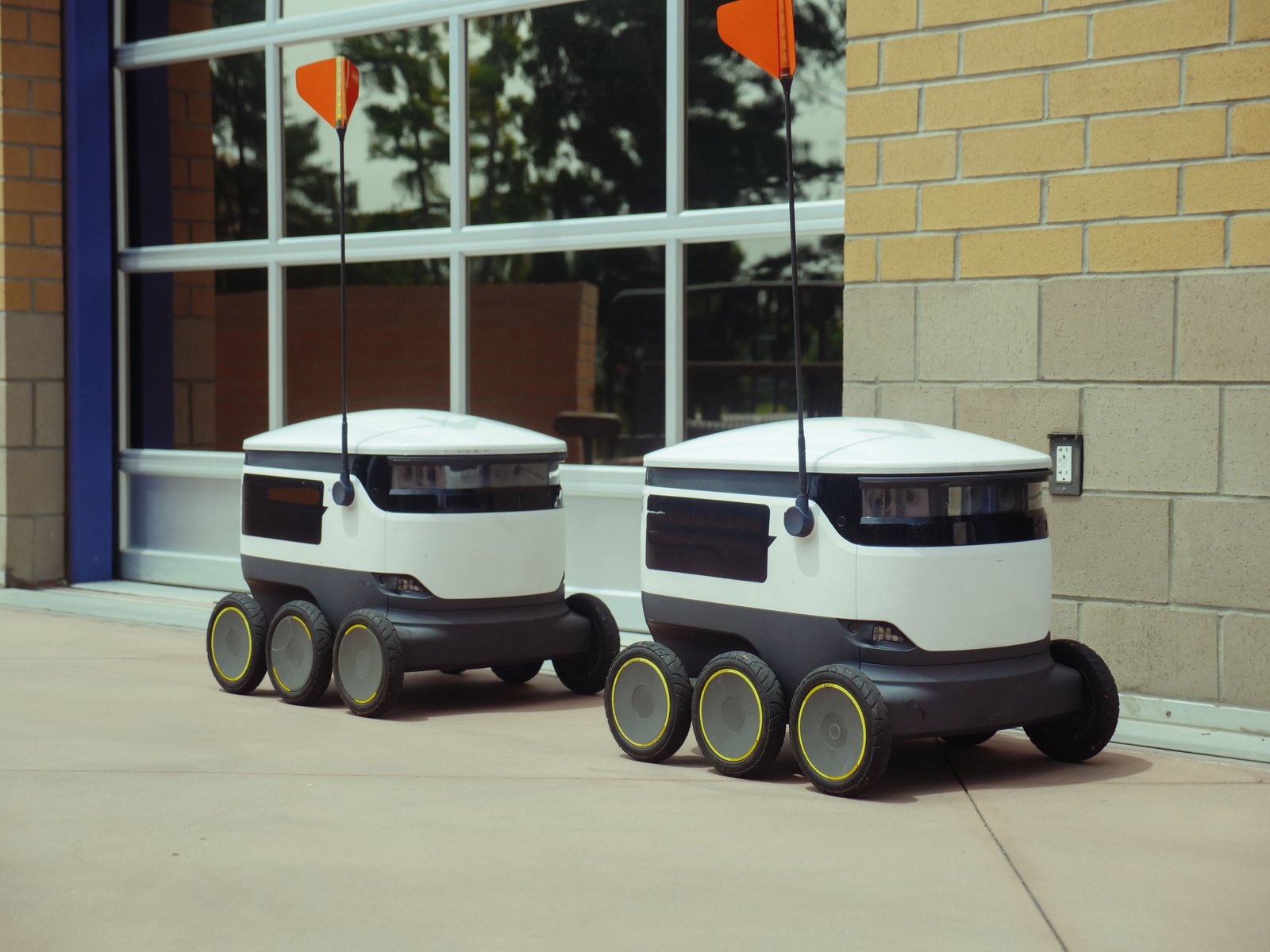
Unlike traditional automation systems that rely on fixed infrastructure, autonomous robots can navigate warehouse environments dynamically, adapting to operational changes in real time. These systems help organizations improve efficiency, reduce errors, and accelerate delivery times. Last-mile delivery is another area experiencing rapid innovation. Companies are testing autonomous delivery robots and drones capable of transporting goods directly to customers.
As consumer expectations for faster deliveries continue to rise, robotics is expected to play an increasingly important role in modern logistics operations.
Healthcare Embraces Robotic Assistance
Healthcare organizations are also expanding the use of autonomous robots to improve patient care and operational efficiency. Hospitals often face challenges related to staffing shortages, increasing patient volumes, and administrative complexity. Robotic systems are helping address these issues by performing routine tasks such as transporting medical supplies, delivering medications, disinfecting facilities, and assisting with inventory management.
Some healthcare providers are deploying robots equipped with artificial intelligence to support patient interactions and provide information services. Advanced robotic technologies are also being integrated into surgical environments where precision and consistency are critical. While healthcare professionals remain central to patient care, robotics is increasingly serving as a valuable support system that enables medical staff to focus on more complex clinical responsibilities. As healthcare systems continue modernizing, robotics adoption is expected to grow substantially.
Retail Industry Explores New Possibilities
Retailers are embracing robotics to enhance customer experiences and improve operational efficiency. Autonomous robots are being used to monitor inventory levels, scan shelves, identify pricing discrepancies, and assist with store maintenance activities. These systems provide real-time insights that help retailers maintain product availability and improve store operations.
Some organizations are experimenting with customer-facing robots capable of answering questions, providing directions, and assisting shoppers with product recommendations. As artificial intelligence continues improving conversational capabilities, robots may become increasingly common within retail environments.
Retail leaders view automation as a way to optimize operations while allowing employees to focus on customer engagement and higher-value activities. The combination of robotics, AI, and data analytics is creating new opportunities for innovation across the retail sector.
Hospitality Industry Adopts Service Robots
Hotels, restaurants, and hospitality providers are also exploring the benefits of autonomous robotics. Service robots are being deployed to deliver room service, transport luggage, provide guest assistance, and support housekeeping operations. For hospitality businesses facing labor shortages and rising operating costs, robotics offers opportunities to improve efficiency while maintaining service quality.
Guests are increasingly encountering robotic systems capable of performing routine service functions while human staff focus on personalized interactions and complex requests. Although widespread adoption remains in the early stages, industry observers expect robotics to become more common as technology matures and customer acceptance grows.
The hospitality sector represents a significant growth opportunity for robotics providers seeking to expand beyond traditional industrial markets.
Agriculture Enters the Robotics Era
Agriculture is another sector experiencing growing interest in autonomous robotics. Farmers face increasing challenges related to labor availability, productivity demands, and sustainability requirements. Robotic systems are being developed to assist with planting, harvesting, crop monitoring, irrigation management, and pest control.
Using artificial intelligence and advanced sensors, agricultural robots can analyze soil conditions, identify plant health issues, and optimize resource utilization. These capabilities help improve productivity while reducing environmental impacts.
As global food demand continues increasing, autonomous agricultural technologies may play an important role in supporting future food production systems. Industry experts believe robotics could significantly transform farming operations over the coming years. Workforce Implications and Human-Robot Collaboration The expansion of robotics inevitably raises questions regarding employment and workforce transformation.
Some observers express concerns that automation could replace certain jobs traditionally performed by humans. However, many industry leaders argue that robotics will primarily augment human capabilities rather than eliminate entire professions. Autonomous robots are particularly effective at handling repetitive, physically demanding, or hazardous tasks.
This allows employees to focus on responsibilities requiring creativity, critical thinking, customer interaction, and strategic decision-making. Organizations are increasingly adopting human-robot collaboration models where robots and workers operate together to achieve higher productivity and improved outcomes. Workforce development and reskilling initiatives will play a critical role in helping employees adapt to evolving workplace environments.
Challenges to Adoption
Despite growing enthusiasm, autonomous robotics adoption faces several challenges. Implementation costs remain a significant consideration for many organizations, particularly small and medium-sized businesses. Integrating robotics into existing operations often requires infrastructure upgrades, employee training, and process redesign.
Safety and regulatory requirements must also be addressed to ensure robots operate effectively in environments shared with humans. Cybersecurity is another emerging concern as connected robotic systems become increasingly dependent on software and network infrastructure. Organizations must develop comprehensive strategies to manage these risks while maximizing the value of robotic investments.
Investment Activity Accelerates
Investor interest in robotics continues to grow as organizations recognize the technology's long-term potential. Venture capital firms are funding startups focused on autonomous mobility, warehouse automation, healthcare robotics, agricultural technology, and AI-powered robotic platforms. Major technology companies are also expanding investments in robotics research and development.
Industry analysts forecast strong market growth throughout the decade as capabilities improve and adoption expands across sectors. The convergence of artificial intelligence, robotics, cloud computing, and advanced sensors is creating one of the most dynamic areas of technological innovation.
Future Outlook
The future of autonomous robotics appears exceptionally promising. As artificial intelligence continues advancing, robots will become increasingly capable, adaptable, and affordable. Organizations across industries are discovering that robotics can deliver meaningful improvements in efficiency, productivity, safety, and customer experiences.
While challenges related to implementation, workforce adaptation, and regulation remain, momentum behind robotics adoption continues to strengthen. The next generation of autonomous robots will likely become deeply integrated into daily business operations, supporting workers and enabling new levels of operational excellence.