How Virtual Replicas of Physical Assets Are Revolutionizing Decision-Making, Efficiency, and Innovation Across Industries As businesses continue to accelerate their digital transformation efforts, one technology is rapidly emerging as a game-changing tool for operational efficiency and strategic decision-making: digital twins.
Once considered a futuristic concept, digital twin technology is now being adopted by organizations across manufacturing, healthcare, logistics, energy, construction, retail, and smart city initiatives. By creating virtual replicas of physical assets, systems, or processes, companies can monitor operations in real time, predict potential issues, optimize performance, and make more informed business decisions.
Industry analysts believe digital twins will become a cornerstone of enterprise technology strategies over the next decade, helping organizations reduce costs, improve productivity, and unlock new opportunities for innovation. As businesses seek ways to gain deeper insights into increasingly complex operations, digital twin technology is proving to be one of the most powerful tools available.
What Is a Digital Twin?
A digital twin is a virtual representation of a physical object, system, process, or environment. Using sensors, Internet of Things (IoT) devices, artificial intelligence, cloud computing, and advanced analytics, a digital twin continuously receives real-world data from its physical counterpart. This real-time connection allows organizations to monitor performance, simulate scenarios, identify inefficiencies, and predict future outcomes.
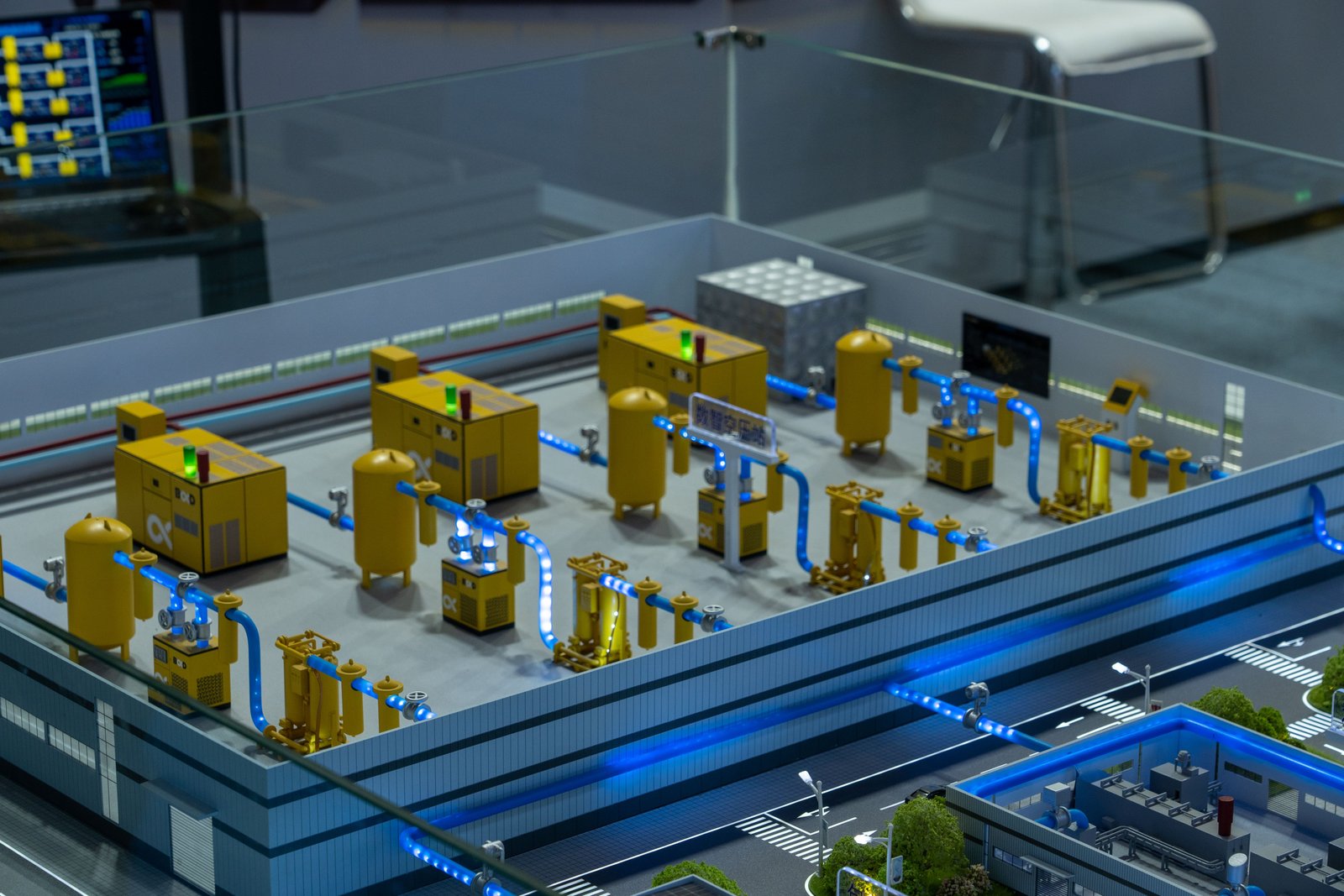
For example, a manufacturing company can create a digital twin of an entire production facility. By analyzing data from machines, equipment, and workflows, managers can visualize operations, detect problems, and test improvements without disrupting actual production. The result is better visibility, faster decision-making, and improved operational performance.
Manufacturing Leads the Way
Manufacturing remains one of the most advanced users of digital twin technology. Modern factories generate enormous volumes of operational data from machinery, robotics, sensors, and production systems. Traditionally, analyzing this information and identifying potential problems required significant manual effort. Digital twins change this process by creating real-time virtual models of production environments.
Manufacturers can monitor equipment performance continuously and detect abnormalities before they lead to costly breakdowns. Predictive maintenance programs powered by digital twins help reduce downtime, extend equipment life, and improve operational efficiency. Companies are also using digital twins to optimize production layouts, test workflow changes, and improve product quality.
As Industry 4.0 initiatives continue expanding worldwide, digital twins are becoming a critical component of smart manufacturing strategies.
Improving Supply Chain Visibility
Supply chain management has become increasingly complex in recent years due to globalization, changing consumer expectations, and ongoing disruptions. Digital twins are helping organizations gain greater visibility into supply chain operations. By creating virtual representations of logistics networks, warehouses, transportation systems, and inventory flows, businesses can better understand how goods move through their supply chains.
This capability allows organizations to identify bottlenecks, forecast disruptions, optimize inventory levels, and improve delivery performance. For example, logistics companies can simulate different transportation routes and evaluate potential impacts before making operational changes.
In an environment where efficiency and resilience are critical, digital twins provide valuable insights that support more informed supply chain decisions.
Healthcare Embraces Digital Twin Innovation
Healthcare organizations are beginning to explore digital twin technology as a way to improve patient outcomes and operational performance. Hospitals can use digital twins to model patient flows, optimize resource allocation, and enhance facility management. More advanced applications involve creating digital representations of individual patients using health records, genetic information, medical imaging, and wearable device data.
These personalized digital twins may eventually allow healthcare providers to simulate treatment options and predict patient responses before implementing clinical interventions. While the technology remains in its early stages within healthcare, experts believe it has significant potential to support precision medicine and personalized treatment strategies.
As healthcare systems continue adopting advanced analytics and AI technologies, digital twins are expected to play an increasingly important role.
Transforming Energy and Utilities
Energy providers are leveraging digital twins to improve infrastructure performance and sustainability initiatives. Power plants, renewable energy facilities, transmission networks, and utility systems are increasingly monitored through virtual models that provide real-time operational insights. Digital twins help organizations optimize energy production, predict maintenance requirements, and improve asset utilization.
For example, wind farm operators can use digital twins to analyze turbine performance under different weather conditions and identify opportunities to maximize energy output. Similarly, utility providers can simulate network changes and evaluate potential impacts before implementing upgrades. As energy systems become more interconnected and complex, digital twin technology is helping organizations improve reliability while supporting sustainability goals.
Smart Cities and Urban Planning
Cities around the world are exploring digital twin technology as a tool for urban planning and infrastructure management. A city-scale digital twin can integrate information from transportation systems, utilities, public services, environmental sensors, and buildings into a unified virtual environment. Urban planners can use these models to simulate traffic patterns, evaluate infrastructure investments, assess environmental impacts, and improve public services. For example, city officials may use digital twins to analyze the effects of new transportation projects before construction begins.
By enabling data-driven planning, digital twins support smarter, more sustainable urban development. As populations continue growing and cities face increasing challenges related to infrastructure and resource management, digital twin technology is expected to become a valuable planning tool.
The Role of Artificial Intelligence
Artificial intelligence is playing a crucial role in the evolution of digital twin technology. While digital twins provide real-time visibility into physical assets and systems, AI enables deeper analysis and predictive capabilities. Machine learning algorithms can identify patterns, forecast future outcomes, and recommend optimization strategies based on data collected from digital twins.
For example, AI-powered digital twins can predict equipment failures, estimate maintenance needs, and suggest operational improvements. This combination of AI and digital twins is creating intelligent systems capable of continuously learning and improving over time. Organizations are increasingly viewing this integration as a key driver of operational excellence and innovation.
Challenges to Adoption
Despite its advantages, implementing digital twin technology can present several challenges. Creating accurate digital representations requires access to high-quality data, reliable sensor networks, and robust integration capabilities. Organizations must also address concerns related to cybersecurity, data privacy, and system interoperability.
The complexity of managing large-scale digital twin environments may require specialized expertise and significant investments in technology infrastructure. Additionally, some businesses face difficulties integrating digital twins with existing enterprise systems and operational processes. However, as technology matures and implementation costs decline, adoption barriers are expected to decrease.
Investment and Market Growth
Investor interest in digital twin technology continues to grow rapidly. Technology companies are developing specialized platforms designed to support digital twin creation, management, and analytics. Major software providers are expanding their digital twin capabilities through acquisitions, partnerships, and product development initiatives.
Industry analysts forecast substantial market growth over the next several years as organizations increasingly recognize the value of real-time operational intelligence. The convergence of digital twins, artificial intelligence, IoT devices, cloud computing, and advanced analytics is creating a powerful ecosystem that supports enterprise transformation.
Future Outlook
The future of digital twin technology appears exceptionally promising. As organizations generate more data and seek greater visibility into complex operations, digital twins will become increasingly important tools for decision-making and optimization. Businesses across industries are discovering that virtual models provide not only operational insights but also strategic advantages.
From manufacturing and healthcare to logistics and smart cities, digital twins are helping organizations improve efficiency, reduce costs, enhance resilience, and accelerate innovation. In the coming years, digital twins are expected to evolve from specialized applications into standard components of enterprise technology infrastructure.