How Businesses Are Leveraging Innovation, Artificial Intelligence, and Green Technologies to Meet Sustainability Goals Sustainability has evolved from a corporate responsibility initiative into a strategic business priority. Across industries, organizations are increasingly investing in sustainable technologies to reduce environmental impact, improve operational efficiency, comply with evolving regulations, and meet growing expectations from consumers, investors, and stakeholders.
From renewable energy systems and energy-efficient data centers to artificial intelligence-powered resource management and sustainable manufacturing practices, businesses are embracing technology as a critical enabler of environmental and economic sustainability. The shift comes at a time when climate change, resource scarcity, and environmental concerns are influencing corporate decision-making more than ever before. Organizations are recognizing that sustainability is not only about reducing carbon emissions—it is also about improving resilience, driving innovation, enhancing brand reputation, and creating long-term business value.
Industry analysts believe sustainable technology will become one of the most influential investment themes of the coming decade as businesses accelerate efforts to balance profitability with environmental responsibility.
Sustainability Moves to the Boardroom
In the past, sustainability initiatives were often managed by specialized departments with limited influence on broader business strategy. Today, sustainability has become a board-level priority. Corporate leaders increasingly recognize that environmental performance can directly impact competitiveness, investor confidence, regulatory compliance, and customer loyalty.
Major investors are paying closer attention to Environmental, Social, and Governance (ESG) metrics when evaluating companies. Consumers are also becoming more conscious of how products are manufactured, packaged, and delivered. As a result, organizations are integrating sustainability goals into core business strategies rather than treating them as standalone initiatives.
Technology is playing a central role in enabling this transition. Digital tools, advanced analytics, and automation systems are helping businesses measure environmental impacts, identify opportunities for improvement, and track progress toward sustainability objectives.
Green Data Centers Gain Momentum
The rapid growth of cloud computing, artificial intelligence, and digital services has dramatically increased demand for data center infrastructure. While these facilities are essential for supporting modern technology ecosystems, they also consume significant amounts of electricity and water. As sustainability concerns grow, technology companies are investing heavily in greener data center operations.
Organizations are adopting energy-efficient hardware, advanced cooling technologies, and renewable energy sources to reduce environmental impacts. Artificial intelligence is being used to optimize energy consumption by analyzing operational patterns and adjusting systems in real time.
Several major technology providers have announced ambitious goals related to carbon neutrality and renewable energy adoption, reflecting broader industry efforts to improve sustainability performance. Green data centers are increasingly viewed as both an environmental necessity and a competitive advantage.
Artificial Intelligence Supports Sustainability Goals
Artificial intelligence is becoming one of the most valuable tools for sustainability management. Organizations generate enormous amounts of operational data, and AI technologies can help analyze this information to identify inefficiencies and opportunities for improvement. AI-powered systems are being used to optimize energy usage, reduce waste, improve supply chain efficiency, and enhance resource management.
For example, manufacturing companies are utilizing machine learning algorithms to monitor equipment performance and minimize energy consumption. Utility providers are leveraging AI to balance electricity demand and improve renewable energy integration.
Agricultural businesses are deploying AI-driven technologies to optimize irrigation, reduce fertilizer use, and improve crop yields while minimizing environmental impacts. As AI capabilities continue to advance, its role in sustainability initiatives is expected to expand significantly.
Renewable Energy Investments Continue to Rise
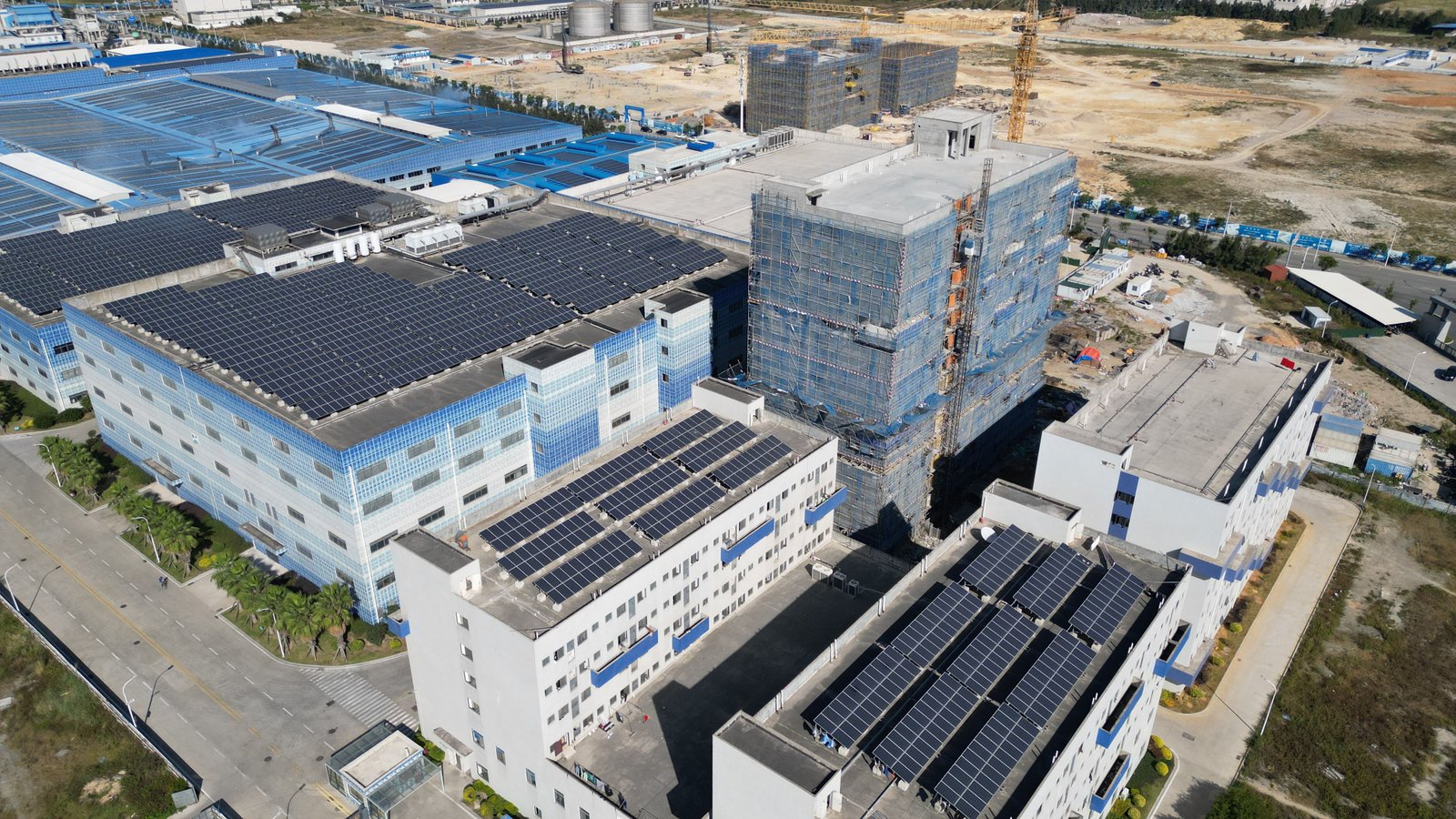
Renewable energy remains one of the most important components of corporate sustainability strategies. Organizations across industries are investing in solar, wind, hydroelectric, and other renewable energy sources to reduce dependence on fossil fuels and lower carbon emissions. Declining technology costs have made renewable energy more accessible and economically attractive for businesses.
Many companies are entering long-term renewable energy agreements to secure clean power while stabilizing energy costs. In addition to environmental benefits, renewable energy investments can enhance energy security and support long-term operational resilience.
Governments worldwide are also encouraging adoption through incentives, funding programs, and regulatory frameworks designed to accelerate clean energy transitions. As global demand for sustainable energy continues growing, renewable technologies are expected to play an increasingly prominent role in business operations.
Sustainable Manufacturing Practices Gain Importance
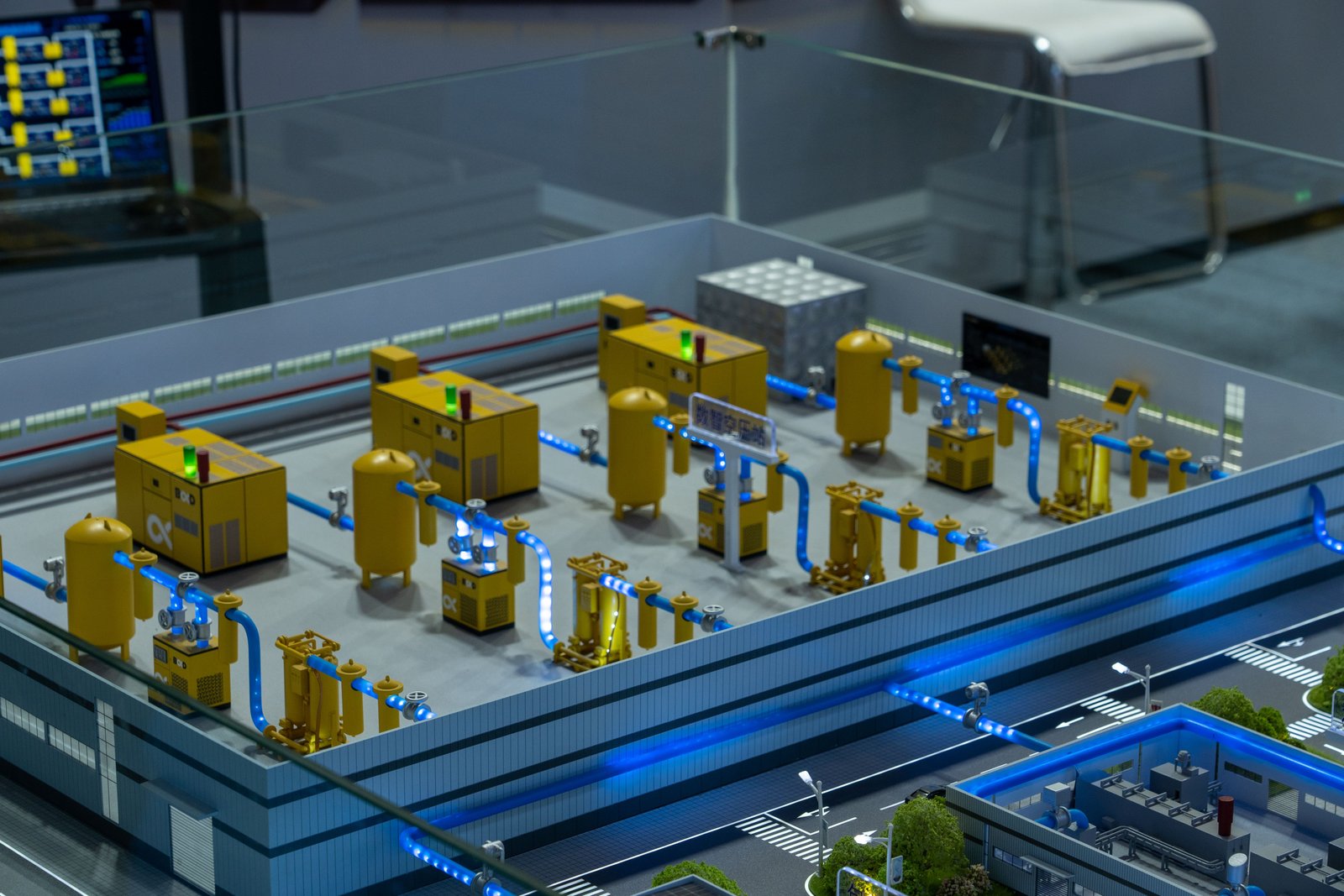
Manufacturing organizations are under increasing pressure to reduce environmental impacts while maintaining productivity and profitability. Technology is helping manufacturers achieve these goals through improved efficiency, waste reduction, and resource optimization. Smart manufacturing systems equipped with sensors, automation technologies, and advanced analytics enable organizations to monitor production processes in real time.
These capabilities help identify inefficiencies, reduce material waste, and improve energy utilization. Circular economy principles are also gaining traction within the manufacturing sector. Rather than following traditional "take-make-dispose" models, companies are exploring ways to reuse materials, extend product lifecycles, and minimize waste generation. Technology solutions that support recycling, remanufacturing, and sustainable product design are becoming increasingly important.
The result is a more resource-efficient approach to industrial production. Sustainable Supply Chains Become a Strategic Focus Supply chain sustainability has emerged as a major priority for businesses seeking to improve environmental performance. Organizations are increasingly evaluating suppliers based on sustainability criteria and seeking greater visibility into supply chain operations.
Digital technologies are enabling businesses to track emissions, monitor resource usage, and assess environmental impacts throughout product lifecycles. Blockchain, IoT sensors, and advanced analytics tools are helping companies improve transparency and accountability across complex supply networks. Consumers and regulators are demanding greater insight into sourcing practices, labor conditions, and environmental performance.
Organizations that successfully implement sustainable supply chain strategies can strengthen brand reputation while reducing operational risks. Technology is proving essential for achieving these objectives. Smart Buildings and Sustainable Infrastructure The construction and real estate sectors are also embracing sustainable technologies.
Smart buildings utilize connected devices, automation systems, and energy management platforms to optimize performance and reduce environmental impacts. These technologies can automatically adjust lighting, heating, cooling, and ventilation based on occupancy and environmental conditions. As a result, organizations can significantly reduce energy consumption while improving occupant comfort.
Urban planners are similarly leveraging technology to support sustainable infrastructure development. Smart city initiatives are integrating sensors, analytics, and intelligent transportation systems to improve resource utilization and reduce emissions. The growing focus on sustainable infrastructure is creating new opportunities for technology providers and construction firms alike.
Challenges Remain
Despite strong momentum, achieving sustainability goals remains challenging for many organizations. Initial investment costs can be substantial, particularly for large-scale infrastructure upgrades and renewable energy projects.
Organizations may also face difficulties measuring environmental impacts accurately and integrating sustainability initiatives across complex operations. Regulatory requirements continue evolving, creating additional compliance considerations. Furthermore, balancing sustainability objectives with short-term financial pressures can be difficult in competitive markets.
However, declining technology costs, growing stakeholder expectations, and increasing regulatory support are helping drive continued progress.
Investment Activity Accelerates
Investor interest in sustainable technology continues to grow rapidly. Venture capital firms, institutional investors, and corporate investment funds are directing significant capital toward clean technology, renewable energy, AI-driven sustainability solutions, and environmental innovation. Many investors view sustainability as a long-term growth opportunity rather than simply a compliance requirement.
Technology companies developing solutions that address environmental challenges are attracting substantial funding and market attention. Industry analysts expect investment activity to remain strong as businesses continue prioritizing sustainability initiatives.
Future Outlook
The future of sustainable technology appears exceptionally promising. Organizations increasingly understand that sustainability and profitability are not mutually exclusive. In many cases, environmentally responsible practices can improve efficiency, reduce costs, strengthen resilience, and enhance competitive positioning. Emerging technologies such as artificial intelligence, digital twins, advanced analytics, renewable energy systems, and smart infrastructure will continue driving innovation in sustainability efforts.
Businesses that embrace sustainable technologies today are likely to be better positioned for future success in an economy that increasingly values environmental responsibility. As stakeholder expectations continue evolving, sustainable technology will move from being a competitive differentiator to becoming a fundamental requirement for long-term business growth. The companies that lead this transformation will not only contribute to a more sustainable future but also create significant value for customers, investors, employees, and society as a whole.