Businesses Turn to Real-Time Data Processing as Demand for Speed, Efficiency, and Intelligent Operations Continues to Rise The global technology landscape is rapidly evolving as organizations seek faster, smarter, and more efficient ways to process data. One technology gaining significant attention across industries is edge computing, a computing model that brings data processing closer to where information is generated rather than relying entirely on centralized cloud infrastructure.
As businesses continue to adopt artificial intelligence, Internet of Things (IoT) devices, automation systems, and connected technologies, the volume of data being created every second is increasing at an unprecedented rate. Traditional cloud computing remains essential for many applications, but organizations are increasingly discovering that sending all data to distant data centers can create latency, bandwidth, and operational challenges.
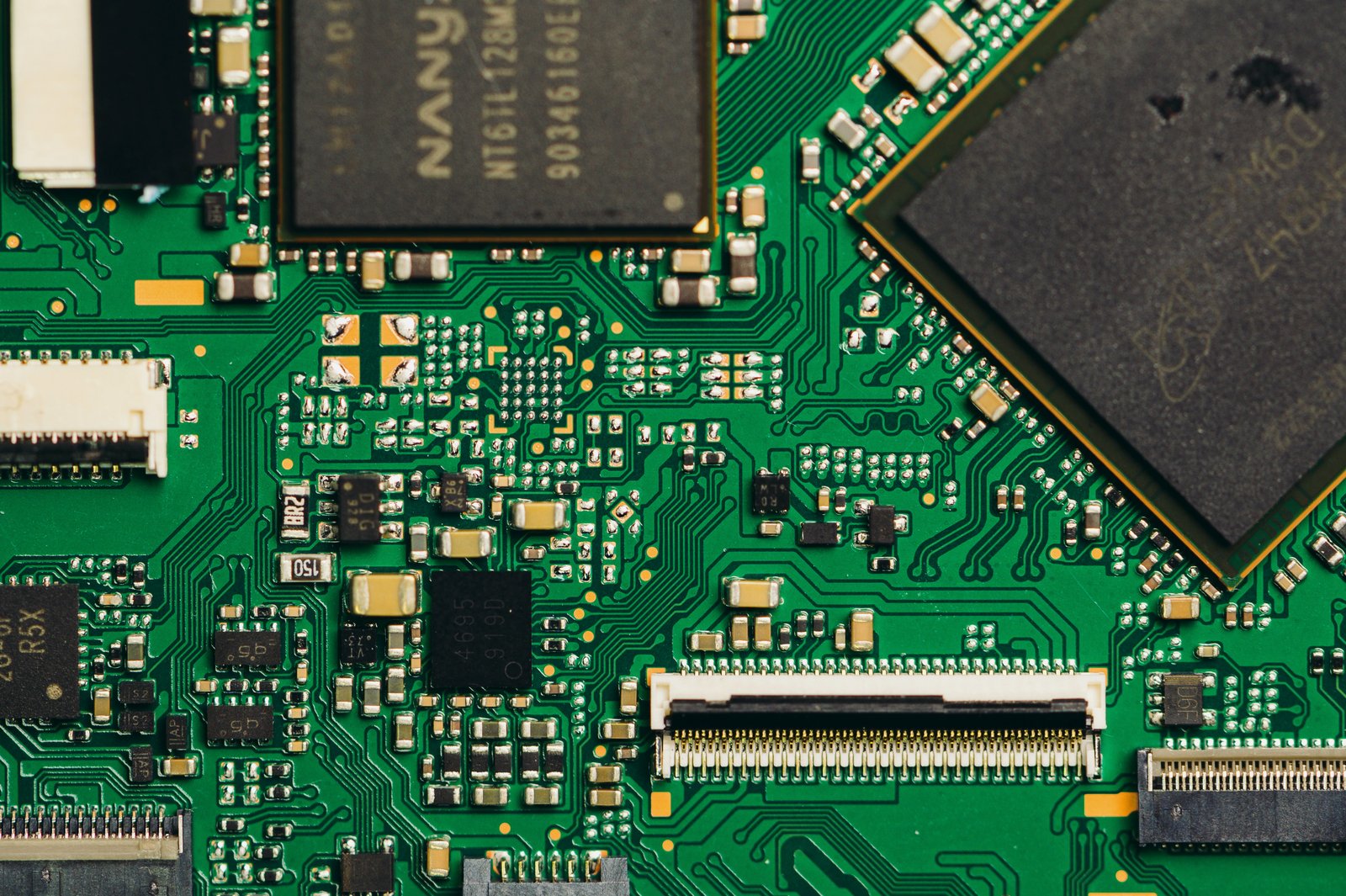
Edge computing addresses these concerns by enabling data to be processed near the source, allowing organizations to make decisions faster, improve operational performance, and unlock new opportunities for innovation. Industry experts predict that edge computing will become a foundational component of digital transformation strategies across sectors ranging from manufacturing and healthcare to logistics, retail, telecommunications, and smart cities.
Understanding Edge Computing
In traditional computing environments, data generated by devices is typically transmitted to centralized cloud servers for processing and analysis. While this approach offers scalability and flexibility, it may introduce delays when immediate responses are required. Edge computing changes this model by placing computing resources closer to devices, sensors, machines, and users.
Instead of sending every piece of information to a distant cloud platform, edge systems process data locally or within nearby facilities, enabling real-time decision-making. This capability is particularly important for applications that require instant responses, such as autonomous vehicles, industrial automation systems, medical monitoring devices, and smart infrastructure networks.
By reducing the distance data must travel, edge computing helps improve speed, reliability, and overall system performance.
The Explosion of Connected Devices
One of the primary drivers behind edge computing adoption is the rapid growth of connected devices. The Internet of Things has transformed how businesses collect and utilize information. Factories, vehicles, warehouses, healthcare facilities, retail stores, and urban infrastructure now generate enormous volumes of data through sensors and connected equipment.
Industry analysts estimate that billions of connected devices are currently operating worldwide, with that number expected to grow significantly over the coming years. Managing such vast amounts of information exclusively through centralized cloud environments can create network congestion and increase operational costs.
Edge computing helps address these challenges by filtering, processing, and analyzing data locally before transmitting only relevant information to cloud systems. This approach improves efficiency while reducing bandwidth requirements and storage demands.
Manufacturing Leads Adoption
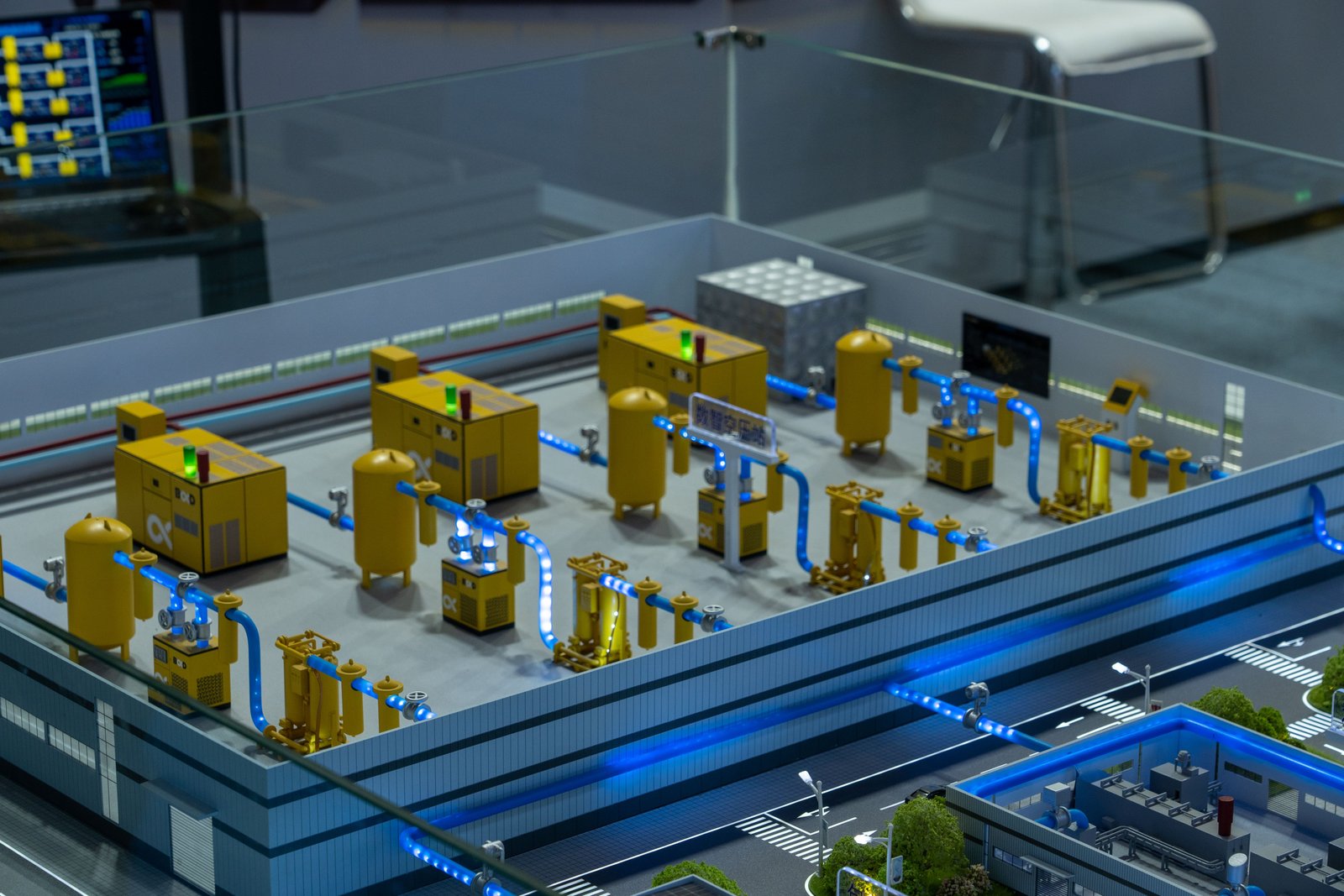
The manufacturing sector has emerged as one of the strongest adopters of edge computing technologies. Modern factories increasingly rely on smart machines, robotics, predictive maintenance systems, and industrial IoT networks to improve productivity and operational efficiency. These systems generate continuous streams of data that must be analyzed in real time.
For example, production equipment equipped with sensors can detect potential performance issues before failures occur. By processing data at the edge, manufacturers can immediately identify anomalies, schedule maintenance, and prevent costly downtime. Edge computing also supports quality control processes by enabling rapid inspection and analysis of products during production.
As manufacturers continue investing in Industry 4.0 initiatives, edge computing is becoming a critical component of intelligent factory operations.
Healthcare Embraces Real-Time Monitoring
Healthcare organizations are also recognizing the value of edge computing. Hospitals, clinics, and healthcare providers increasingly depend on connected medical devices to monitor patient health and deliver timely care. In many situations, delays in data processing can have serious consequences.
Edge computing enables medical devices to analyze patient information locally and generate immediate alerts when critical conditions are detected. This capability improves response times and supports more proactive healthcare interventions.
Wearable health technologies are another growing application area. Devices that monitor heart rate, blood pressure, glucose levels, and other health indicators can process data at the edge and provide real-time feedback to patients and healthcare professionals. As remote healthcare and telemedicine services continue expanding, edge computing is expected to play an increasingly important role in patient care.
Supporting the Future of Autonomous Systems
The rise of autonomous technologies is creating additional demand for edge computing. Self-driving vehicles, delivery robots, drones, and intelligent transportation systems must process large volumes of information instantly to operate safely and effectively. Autonomous vehicles, for example, rely on data from cameras, radar systems, sensors, and navigation tools to make driving decisions in real time.
Sending this information to a distant cloud platform for analysis would introduce unacceptable delays. Edge computing allows these systems to process information locally, enabling rapid decision-making that supports safety and performance. Industry experts view edge computing as essential for the future development of autonomous mobility solutions.
Telecommunications and 5G Drive Growth
The expansion of 5G networks is further accelerating edge computing adoption. 5G technology offers significantly faster speeds, lower latency, and greater network capacity compared to previous generations of wireless connectivity. When combined with edge computing, these capabilities create powerful opportunities for new applications and services.
Telecommunications providers are investing heavily in edge infrastructure to support emerging technologies such as augmented reality, virtual reality, smart cities, connected vehicles, and industrial automation. The combination of 5G and edge computing is expected to enable entirely new categories of digital experiences and business models. As network infrastructure continues evolving, edge computing will become increasingly integrated into telecommunications strategies worldwide.
Benefits Beyond Speed
While reduced latency is often the most discussed advantage of edge computing, organizations are realizing several additional benefits.
Improved reliability is one of the key advantages.
By processing information locally, businesses can continue operating even if cloud connectivity is temporarily disrupted. Enhanced security is another important consideration. Sensitive data can often be processed and analyzed locally without requiring transmission across broader networks, reducing potential exposure risks.
Organizations also benefit from reduced bandwidth costs because less data needs to be transmitted to centralized systems. These advantages make edge computing attractive for industries with strict performance, security, and compliance requirements.
Challenges to Implementation
Despite growing adoption, edge computing presents several implementation challenges. Managing large numbers of distributed computing devices can be complex. Organizations must ensure consistent security policies, software updates, and operational monitoring across multiple locations. Infrastructure investments may also be required to deploy edge systems effectively.
Additionally, integrating edge computing with existing cloud platforms and enterprise applications can present technical challenges that require careful planning and expertise. Organizations must develop comprehensive strategies to maximize the value of edge deployments while minimizing operational complexity.
Investment Activity Continues to Rise
Investor interest in edge computing remains strong as organizations increasingly recognize its strategic importance. Technology providers are developing specialized hardware, software platforms, and services designed to support edge environments.
Venture capital firms are funding startups focused on edge analytics, industrial IoT, cybersecurity, and distributed computing solutions. Major cloud providers are also expanding edge computing offerings to help businesses deploy applications closer to users and devices.
Industry analysts expect continued growth in edge-related investments as adoption expands across global markets.
Future Outlook
The future of edge computing appears exceptionally promising. As organizations continue generating larger volumes of data and demanding faster processing capabilities, edge computing will become an increasingly essential component of digital infrastructure. The convergence of edge computing, artificial intelligence, 5G connectivity, and IoT technologies is expected to drive significant innovation across industries.
Businesses that successfully leverage edge computing can achieve improved efficiency, enhanced customer experiences, reduced operational costs, and stronger competitive positioning. While cloud computing will remain a critical part of the technology ecosystem, the future is increasingly distributed, intelligent, and real-time.