Advanced Refrigeration Technologies, IoT Monitoring, and Intelligent Temperature Control Are Strengthening the Future of Temperature-Sensitive Supply Chains
Cold chain logistics has become one of the fastest-evolving segments of the global logistics industry as demand grows for the safe transportation and storage of pharmaceuticals, vaccines, biotechnology products, fresh food, dairy products, seafood, and temperature-sensitive chemicals. Maintaining consistent temperature conditions throughout the supply chain is essential to preserving product quality, ensuring regulatory compliance, and protecting consumer health.
Modern cold chain operations extend far beyond refrigerated trucks and storage facilities. Organizations are increasingly investing in Internet of Things (IoT) sensors, artificial intelligence (AI), cloud-based monitoring systems, intelligent refrigeration technologies, and predictive analytics to achieve real-time visibility across every stage of product movement.
Manufacturers, healthcare providers, food producers, retailers, logistics companies, and third-party logistics providers are expanding cold chain capabilities to support growing global trade while minimizing spoilage, reducing waste, and improving operational efficiency.
Industry experts believe continuous innovation in cold chain logistics will remain critical as healthcare and food industries become increasingly dependent on reliable, technology-enabled transportation networks.
Temperature Control Remains the Foundation
Maintaining precise temperature conditions is the primary objective of cold chain logistics.
Temperature-sensitive products commonly transported include:
- Vaccines
- Pharmaceutical products
- Fresh fruits and vegetables
- Dairy products
- Seafood
- Frozen foods
Consistent temperature management protects product quality while ensuring safety throughout transportation and storage. Reliable temperature control supports supply chain integrity.
Internet of Things Enables Real-Time Monitoring
IoT technology is transforming how organizations monitor cold chain operations.
Connected sensors continuously track:
- Product temperature
- Humidity levels
- Vehicle location
- Storage conditions
- Equipment performance
- Transit duration
Real-time monitoring allows logistics teams to respond immediately if environmental conditions move outside acceptable ranges. Continuous visibility improves operational reliability.
Artificial Intelligence Improves Cold Chain Management
Artificial intelligence enhances decision-making across temperature-controlled logistics.
AI applications include:
- Route optimization
- Predictive maintenance
- Demand forecasting
- Equipment monitoring
- Inventory planning
Machine learning analyzes operational data to identify inefficiencies and recommend corrective actions before product quality is affected. Intelligent systems improve supply chain performance.
Smart Refrigeration Enhances Energy Efficiency
Modern refrigeration technologies are becoming more efficient and environmentally responsible.
Organizations increasingly deploy:
- Intelligent cooling systems
- Variable-speed compressors
- Automated temperature controls
- Energy monitoring platforms
- Eco-friendly refrigerants
These technologies improve temperature consistency while reducing energy consumption and operating costs. Efficient refrigeration supports sustainable logistics.
Warehouse Infrastructure Continues to Advance
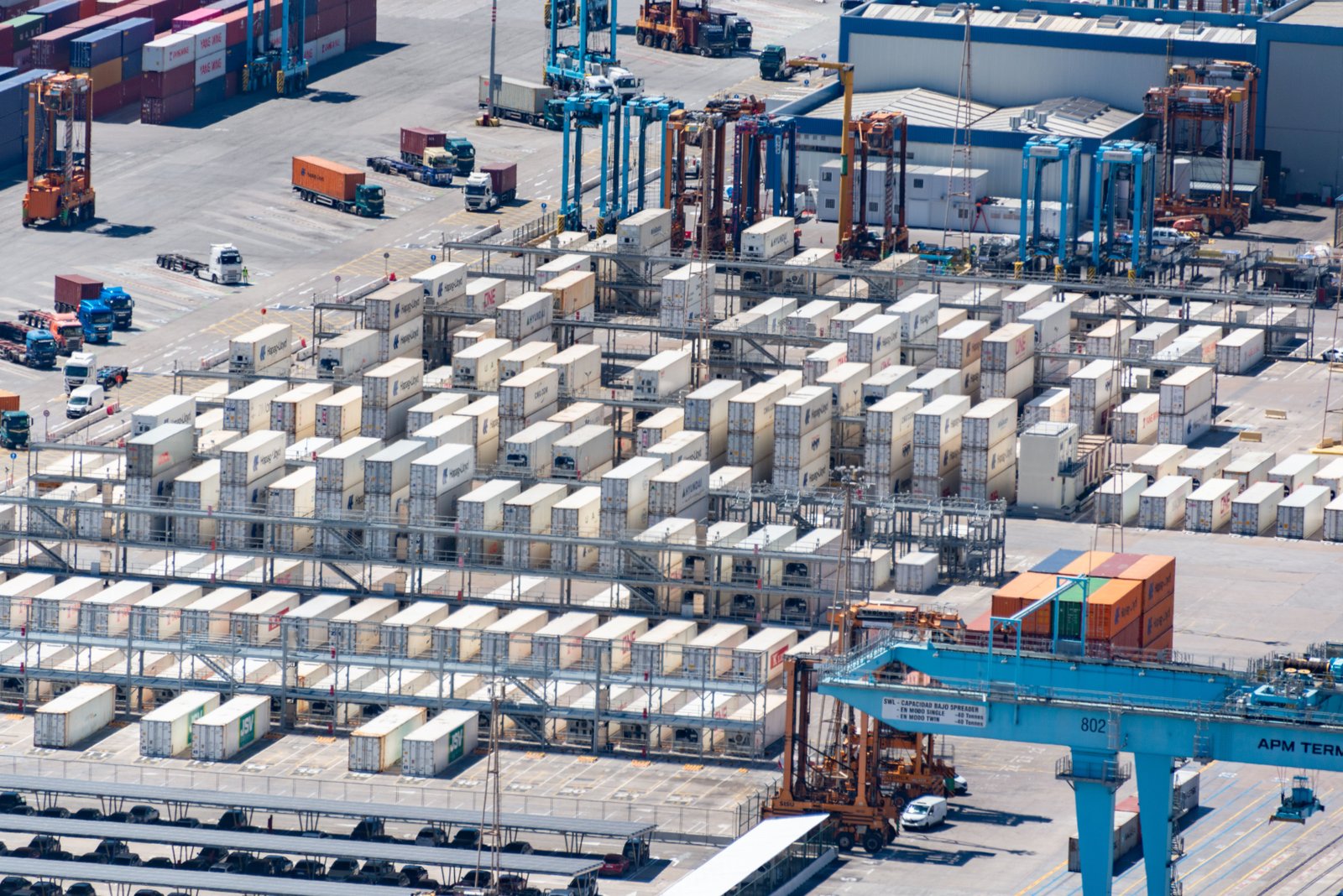
Cold storage facilities are evolving into highly automated logistics centers.
Modern facilities incorporate:
- Automated storage systems
- Robotic handling equipment
- Smart inventory management
- Digital warehouse management systems
- Temperature-zoned storage
Advanced infrastructure improves inventory accuracy while increasing operational efficiency. Technology strengthens warehouse performance.
Data Analytics Support Product Quality
Cold chain operators increasingly rely on analytics to evaluate supply chain performance.
Organizations monitor:
- Temperature compliance
- Equipment utilization
- Delivery performance
- Product integrity
- Inventory movement
Comprehensive reporting helps businesses identify trends while continuously improving operational standards. Data-driven management supports quality assurance.
Regulatory Compliance Remains Essential
Healthcare and food industries operate under strict regulatory requirements for temperature-sensitive products.
Organizations focus on:
- Continuous documentation
- Product traceability
- Temperature verification
- Equipment validation
- Operational audits
Maintaining compliance strengthens consumer confidence while supporting international trade. Reliable documentation protects product integrity.
Sustainability Shapes Cold Chain Innovation
Environmental responsibility is becoming an important priority within cold chain logistics.
Companies invest in:
- Energy-efficient refrigeration
- Renewable energy integration
- Low-emission transportation
- Sustainable packaging
- Waste reduction initiatives
These improvements lower environmental impact while supporting long-term operational efficiency. Sustainability strengthens industry resilience.
Collaboration Strengthens Global Supply Networks
Cold chain logistics depends on close coordination among multiple participants.
Successful operations involve:
- Manufacturers
- Logistics providers
- Warehousing companies
- Healthcare organizations
- Food distributors
- Retailers
Collaborative planning improves product handling while reducing delays across international supply chains. Strong partnerships support reliable distribution.
Challenges Continue
Despite technological progress, cold chain logistics continues facing several operational challenges.
These include:
- Infrastructure investment
- Energy costs
- Equipment maintenance
- Skilled workforce availability
- Cross-border regulatory requirements
Continued investment in digital technologies, workforce development, and sustainable infrastructure will remain essential for future industry growth. Strategic planning supports operational excellence.
Conclusion
Cold chain logistics is becoming increasingly sophisticated through the adoption of intelligent refrigeration systems, IoT monitoring, artificial intelligence, automated warehousing, and advanced analytics that improve the safe transportation of temperature-sensitive products. By strengthening operational visibility, maintaining product quality, supporting regulatory compliance, and improving energy efficiency, organizations are building more resilient supply chains capable of meeting the growing demands of healthcare, food production, and global commerce.
As international trade and consumer expectations continue evolving, cold chain logistics will remain a critical pillar of modern supply chain management, ensuring that sensitive products reach their destinations safely, efficiently, and sustainably. The continued advancement of cold chain logistics reflects a broader transformation across the logistics industry, where technology, sustainability, and real-time intelligence are creating smarter, more reliable, and globally connected supply networks.