hConnected Technologies, Farm-to-Table Transparency, and Real-Time Product Tracking Are Transforming Food Safety and Brand Confidence
As consumers become more conscious about food quality, sourcing, sustainability, and safety, digital traceability is emerging as one of the most significant innovations in the global food and beverage industry. Modern consumers want greater transparency regarding where their food comes from, how it was produced, how it was transported, and whether it meets quality and sustainability standards. In response, food manufacturers, processors, retailers, and distributors are investing in advanced digital traceability solutions that provide complete visibility across the entire food supply chain.
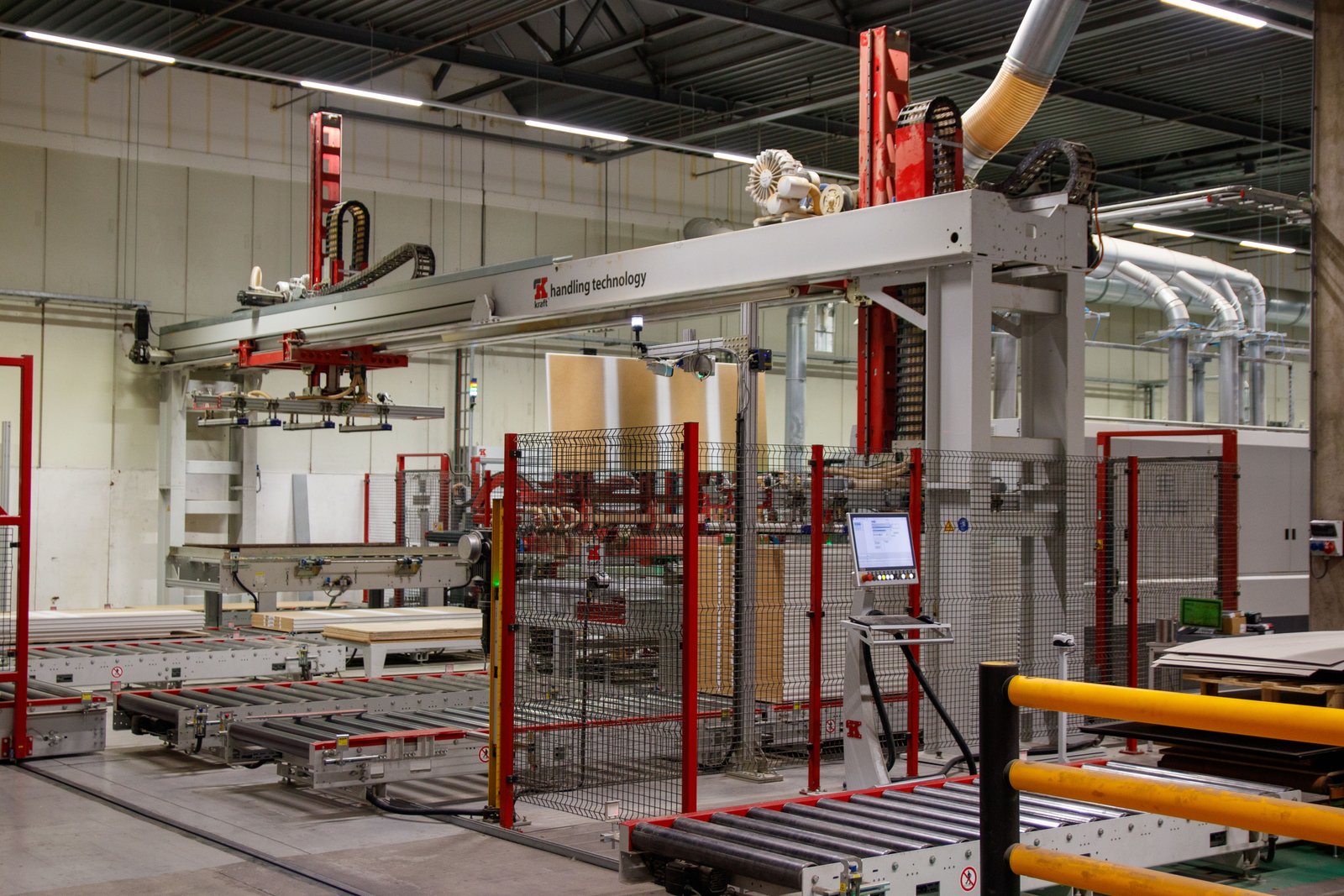
Digital traceability combines technologies such as blockchain, Internet of Things (IoT) sensors, cloud computing, QR codes, RFID tags, artificial intelligence (AI), and advanced analytics to monitor products from farms and processing facilities to warehouses, retail shelves, and consumers. These systems improve operational transparency while supporting food safety, regulatory compliance, inventory management, and rapid response during product recalls.
Governments and regulatory agencies are also encouraging greater supply chain transparency to strengthen food security, reduce fraud, and improve consumer protection in increasingly global food markets. Industry experts believe digital traceability will become a standard feature of modern food production as technology continues strengthening trust, efficiency, and sustainability throughout the food ecosystem.
Consumers Demand Greater Transparency
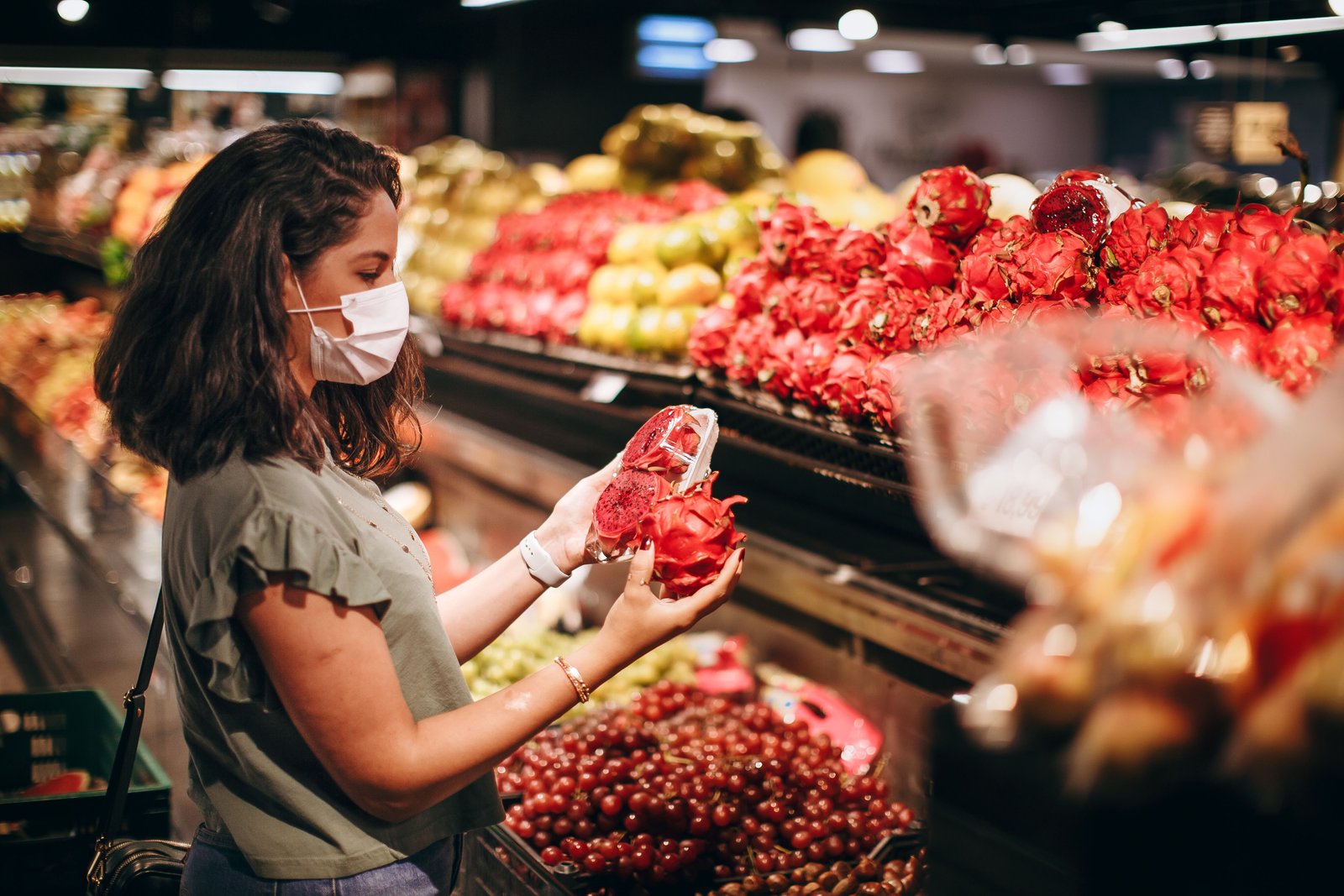
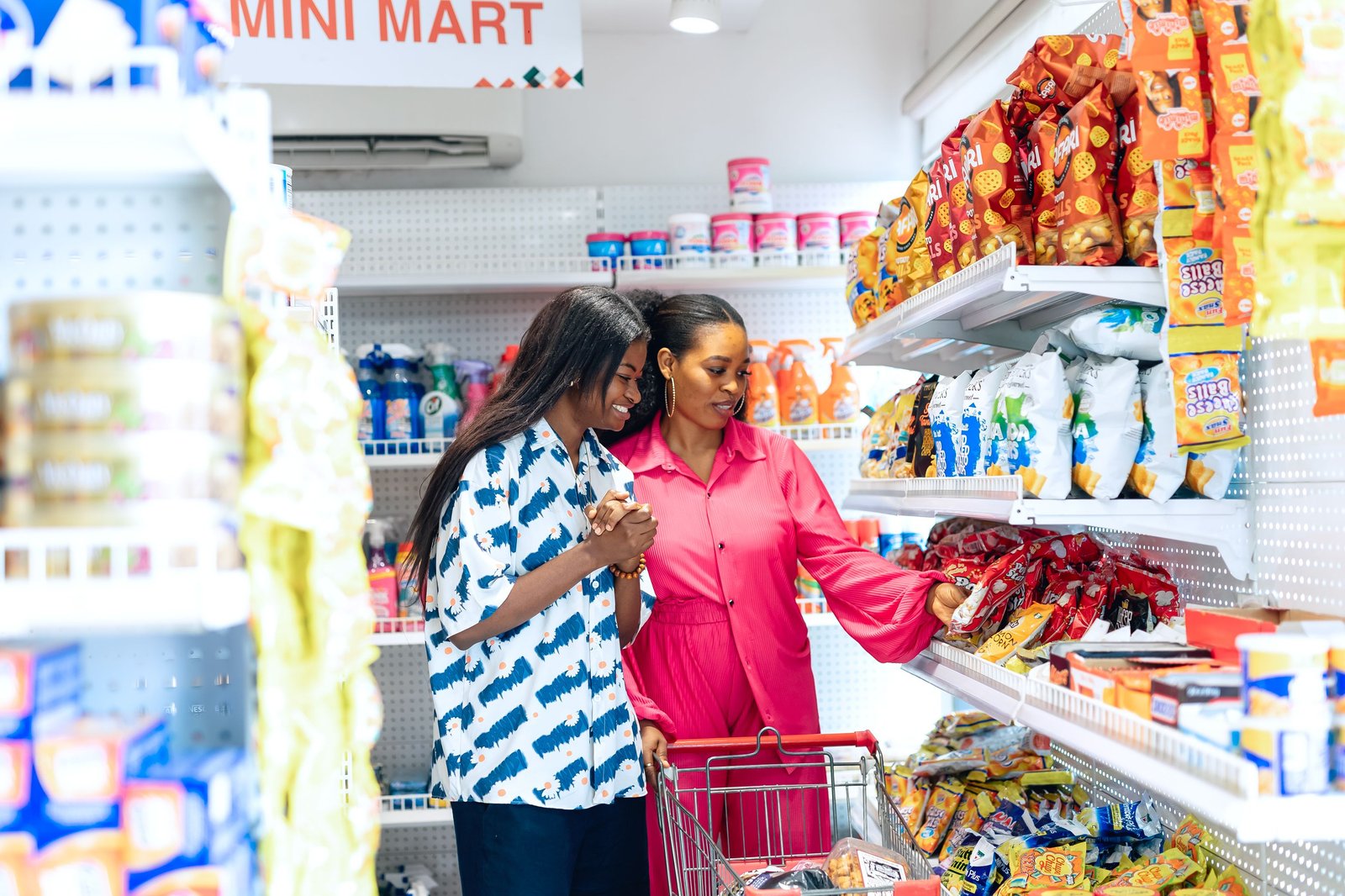
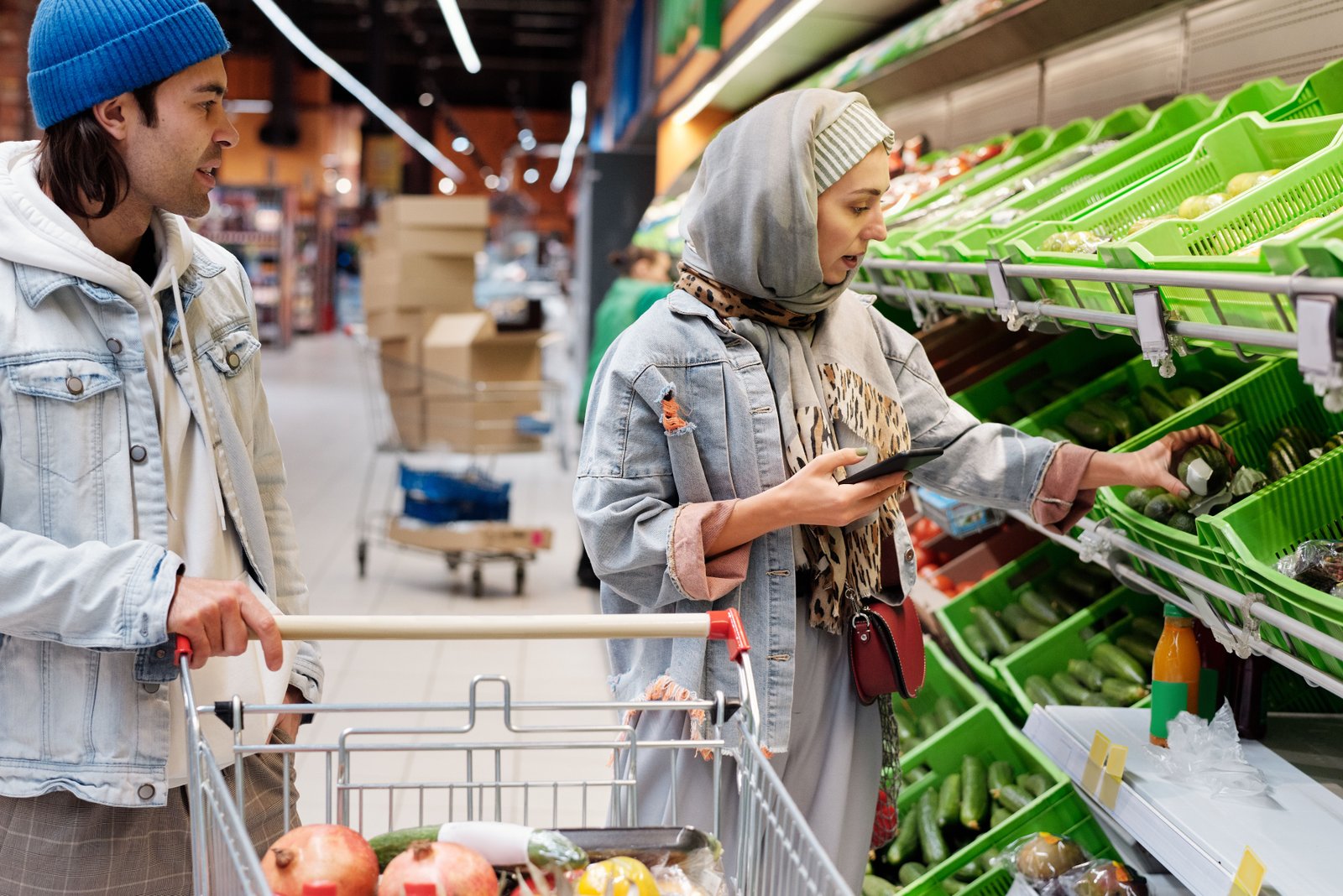
Today's consumers increasingly expect detailed information about the food they purchase.
They want to understand:
- Product origin
- Ingredient sourcing
- Production methods
- Quality certifications
- Sustainability practices
- Transportation history
Greater transparency strengthens consumer confidence while supporting informed purchasing decisions. Trust has become a competitive advantage.
Farm-to-Table Visibility Improves Food Safety
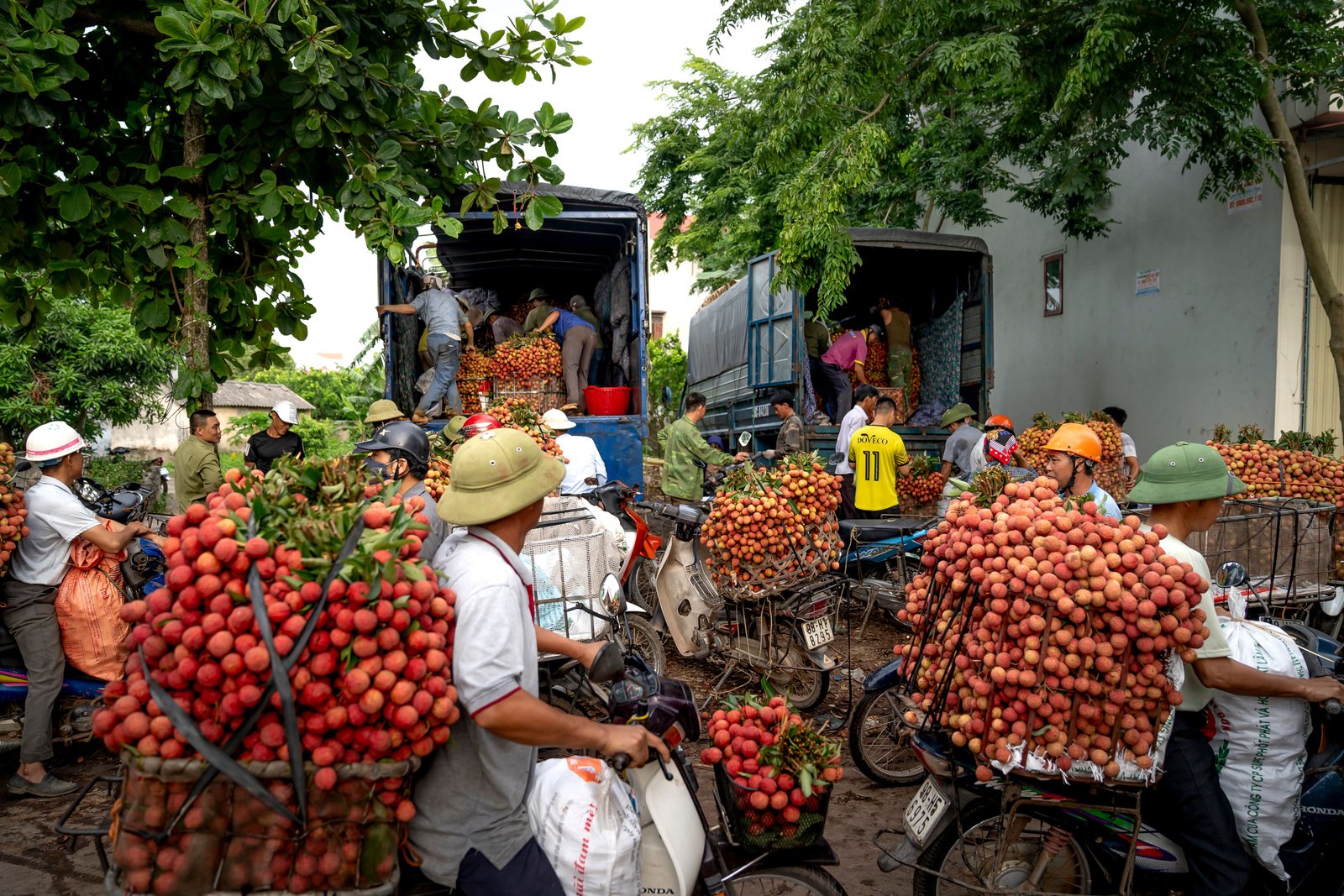
Digital traceability enables organizations to monitor products throughout every stage of the supply chain.
Traceability systems track:
- Agricultural production
- Processing facilities
- Packaging operations
- Warehouse storage
- Transportation
- Retail distribution
Complete visibility improves product accountability while reducing supply chain risks. Continuous monitoring strengthens food safety.
Blockchain Enhances Data Integrity
Blockchain technology is increasingly used to create secure and transparent product records.
Blockchain enables:
- Tamper-resistant documentation
- Supply chain verification
- Product authentication
- Shared data access
- Improved accountability
Secure digital records help strengthen confidence among consumers, retailers, suppliers, and regulators. Trusted information supports stronger business relationships.
Internet of Things Supports Real-Time Monitoring
IoT devices continuously collect operational information throughout food logistics.
Connected sensors monitor:
- Temperature
- Humidity
- Storage conditions
- Transportation status
- Product location
- Environmental quality
Real-time monitoring helps organizations identify issues before product quality is affected. Continuous visibility protects product integrity.
QR Codes Improve Consumer Engagement
Many food companies now provide consumers with direct access to product information through digital labeling.
Scanning QR codes can provide information about:
- Farm location
- Ingredient sourcing
- Nutritional information
- Sustainability initiatives
- Production dates
- Quality certifications
Interactive packaging strengthens consumer engagement while increasing brand transparency. Digital communication builds lasting trust.
Artificial Intelligence Strengthens Supply Chain Management
Artificial intelligence enhances traceability by analyzing operational data across the food ecosystem.
AI supports:
- Demand forecasting
- Inventory management
- Product quality monitoring
- Risk detection
- Supply chain optimization
Machine learning identifies operational improvements while strengthening overall supply chain performance. Intelligent systems improve decision-making.
Product Recalls Become Faster and More Accurate
Digital traceability significantly improves recall management.
Organizations can quickly identify:
- Affected product batches
- Distribution locations
- Supply chain partners
- Production timelines
- Inventory status
Rapid identification minimizes disruption while protecting consumers and reducing financial losses. Efficient recalls improve public confidence.
Sustainability Reporting Gains Importance
Consumers increasingly evaluate brands based on environmental and ethical practices.
Traceability systems help document:
- Responsible sourcing
- Carbon reduction initiatives
- Water conservation
- Sustainable agriculture
- Ethical supplier practices
Transparent sustainability reporting strengthens brand credibility while supporting corporate responsibility goals. Verified information improves accountability.
Collaboration Strengthens the Food Ecosystem
Successful traceability depends on cooperation among all supply chain participants.
Key stakeholders include:
- Farmers
- Food manufacturers
- Distributors
- Logistics providers
- Retailers
- Regulatory agencies
Shared digital platforms improve coordination while supporting consistent product information throughout the supply chain. Collaboration enables greater transparency.
Challenges Continue
Despite growing adoption, organizations continue facing several implementation challenges.
These include:
- Technology integration
- Data standardization
- Implementation costs
- Supplier participation
- Regulatory alignment
Continued investment in digital infrastructure, workforce training, and industry collaboration will remain essential for expanding traceability across global food systems. Strategic planning supports long-term success.
Conclusion
Digital traceability is transforming the food and beverage industry by providing end-to-end transparency, strengthening food safety, improving regulatory compliance, and building greater consumer trust. By integrating blockchain, IoT, artificial intelligence, cloud platforms, and real-time monitoring technologies, organizations are creating more transparent and resilient food supply chains capable of meeting evolving consumer expectations.
As food systems become increasingly global and digitally connected, traceability will play a critical role in ensuring product integrity, supporting sustainability, and enhancing long-term brand value. The continued advancement of digital traceability reflects a broader transformation across the food and beverage industry, where transparency, innovation, and technology are creating safer, smarter, and more trustworthy food ecosystems.