Robotics, Intelligent Manufacturing Systems, and Digital Production Technologies Are Transforming Food Processing Operations
The food processing industry is rapidly adopting automation technologies to improve productivity, strengthen food safety, and enhance operational efficiency across manufacturing facilities. As consumer demand continues to grow and production requirements become increasingly complex, food processors are investing in robotics, artificial intelligence (AI), automated material handling, digital production systems, and advanced analytics to modernize manufacturing operations while maintaining consistent product quality.
Traditional food processing relied heavily on manual labor for repetitive production tasks, equipment monitoring, packaging, and quality inspections. Today, intelligent manufacturing systems integrate connected technologies that automate routine operations, provide real-time production visibility, optimize resource utilization, and improve decision-making throughout the production process.
Food processors, ingredient manufacturers, packaging companies, equipment suppliers, technology providers, and logistics partners are working together to create highly automated manufacturing environments capable of delivering greater efficiency, flexibility, and sustainability. Industry experts believe food processing automation will continue driving operational excellence as organizations accelerate digital transformation and invest in next-generation manufacturing technologies.
Robotics Improve Production Efficiency
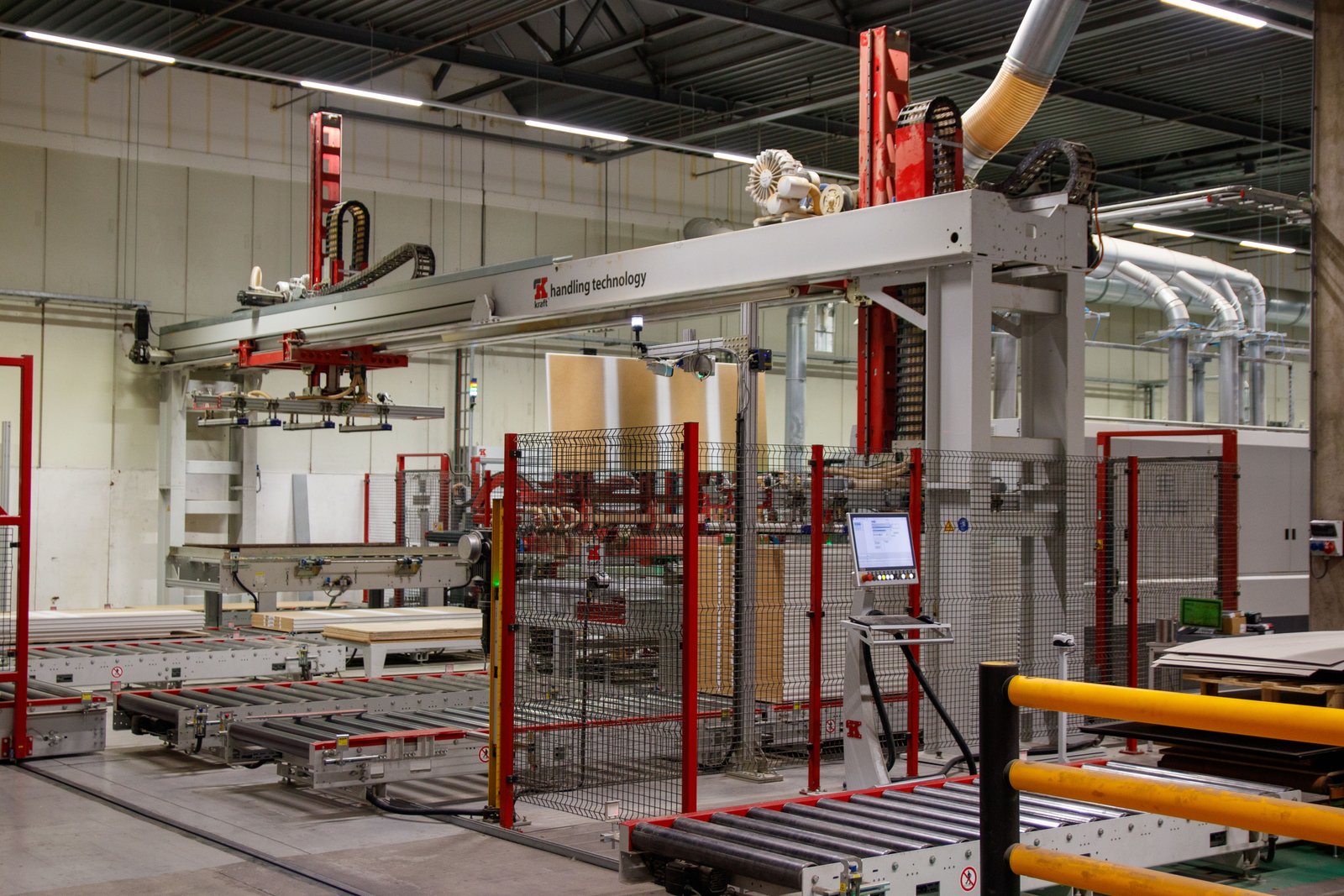
Robotic systems are increasingly performing repetitive and precision-based tasks across food processing facilities.
Automation supports:
- Raw material handling
- Ingredient loading
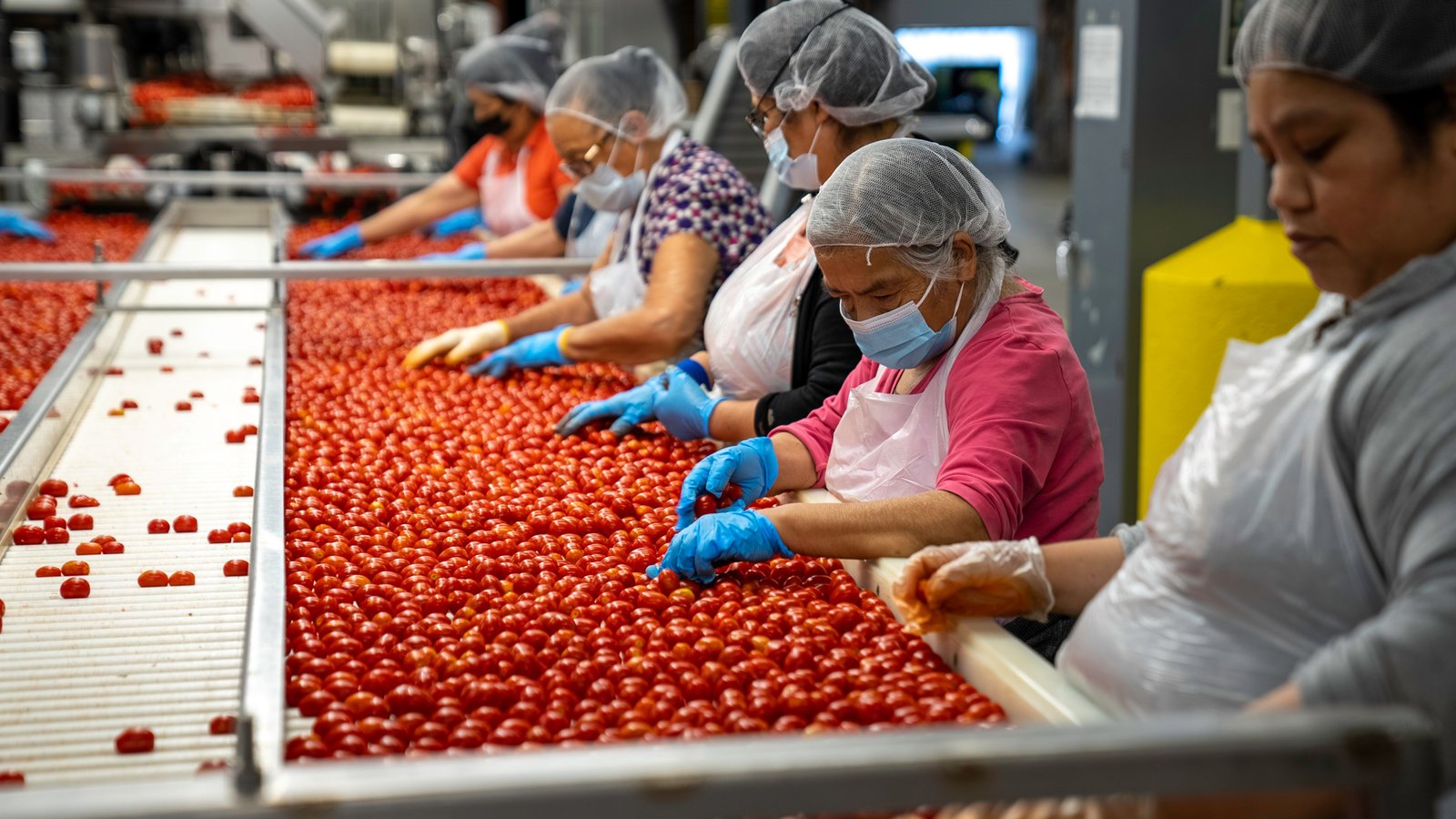
- Product sorting
- Packaging operations
- Palletizing
- Finished goods movement
Robotics improve production speed while maintaining consistent operational performance throughout manufacturing. Automated systems increase productivity.
Intelligent Material Handling Streamlines Operations
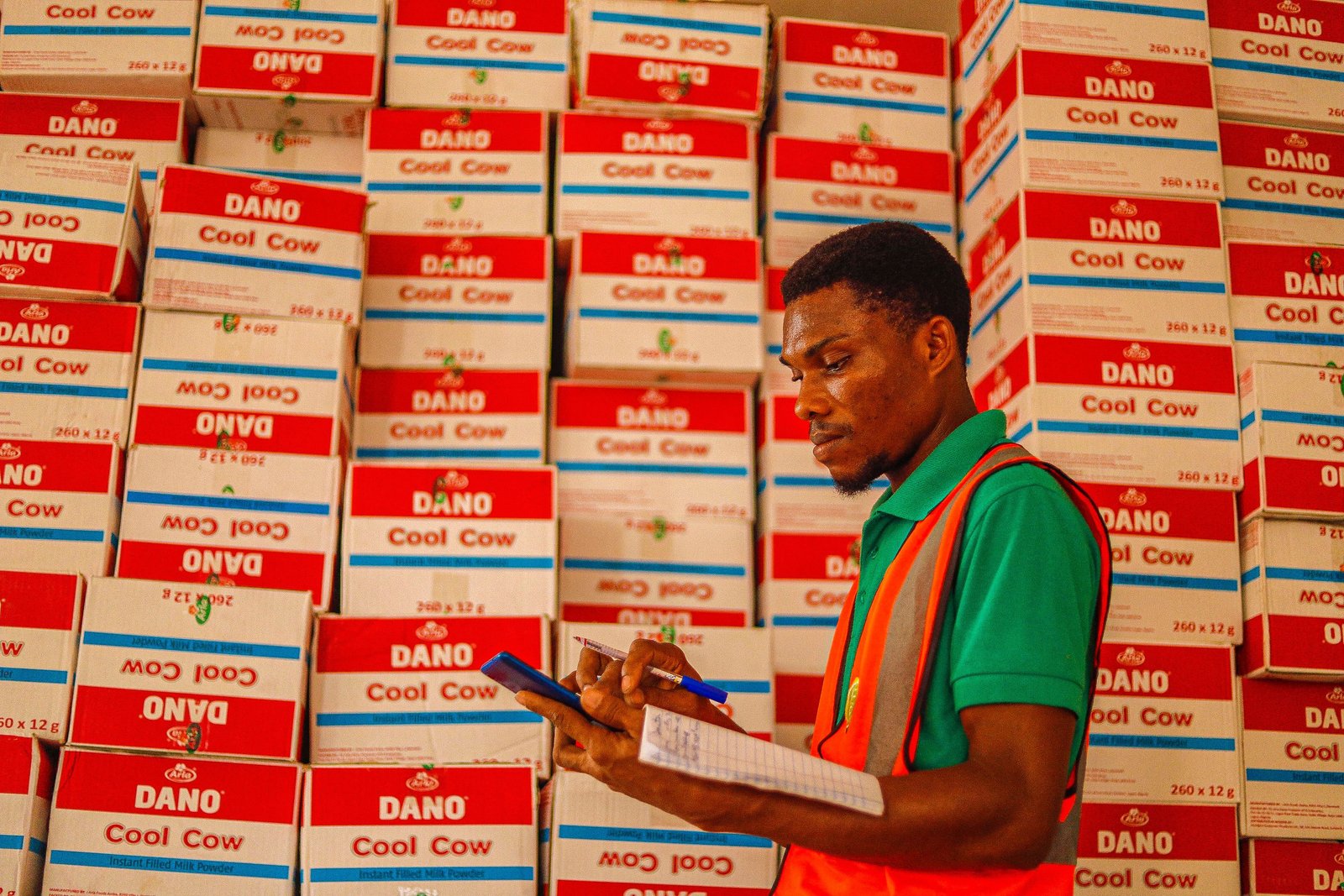
Modern food processing facilities are replacing manual movement of materials with automated handling systems.
Intelligent material handling includes:
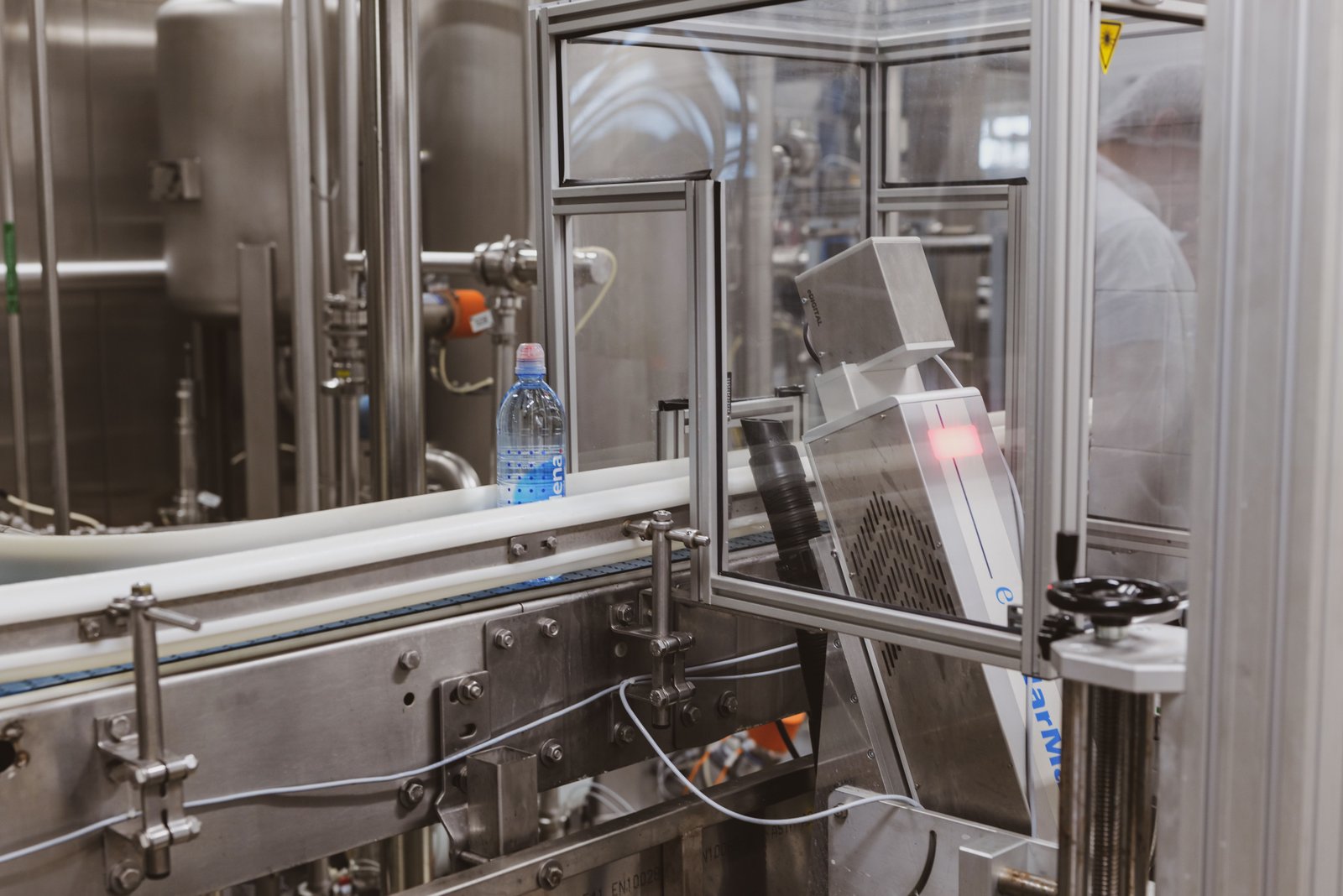
- Automated conveyors
- Robotic transport systems
- Smart storage equipment
- Automated guided vehicles
- Digital inventory movement
Automated transportation reduces processing delays while improving workflow efficiency across production facilities. Efficient movement strengthens manufacturing performance.
Artificial Intelligence Optimizes Production Planning
AI enables manufacturers to improve planning through intelligent analysis of production data.
Artificial intelligence supports:
- Production scheduling
- Capacity planning
- Equipment utilization
- Resource allocation
- Demand forecasting
Machine learning continuously evaluates manufacturing performance to improve operational efficiency and reduce unnecessary downtime. Smart planning enhances production flexibility.
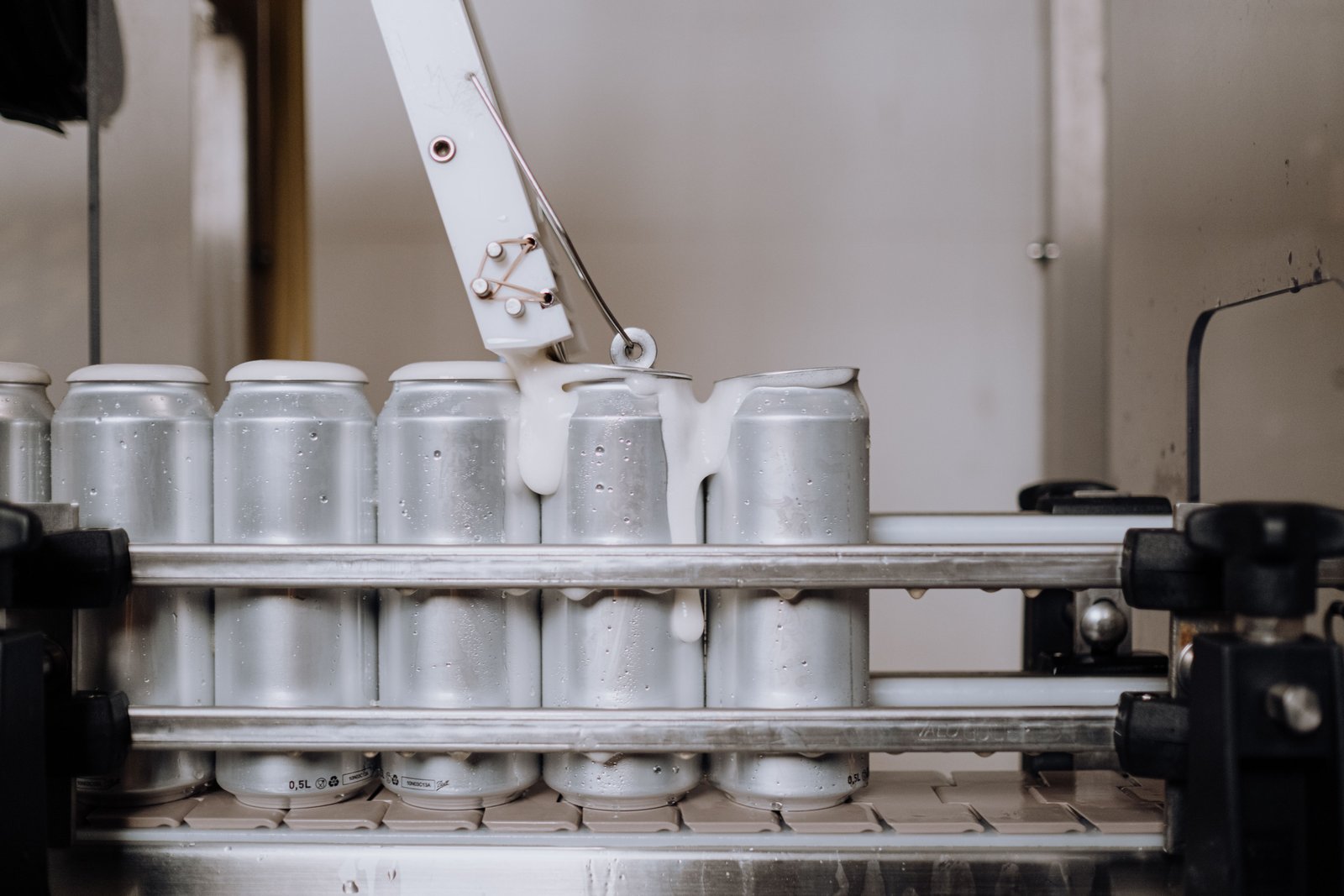
Automated Packaging Improves Product Consistency
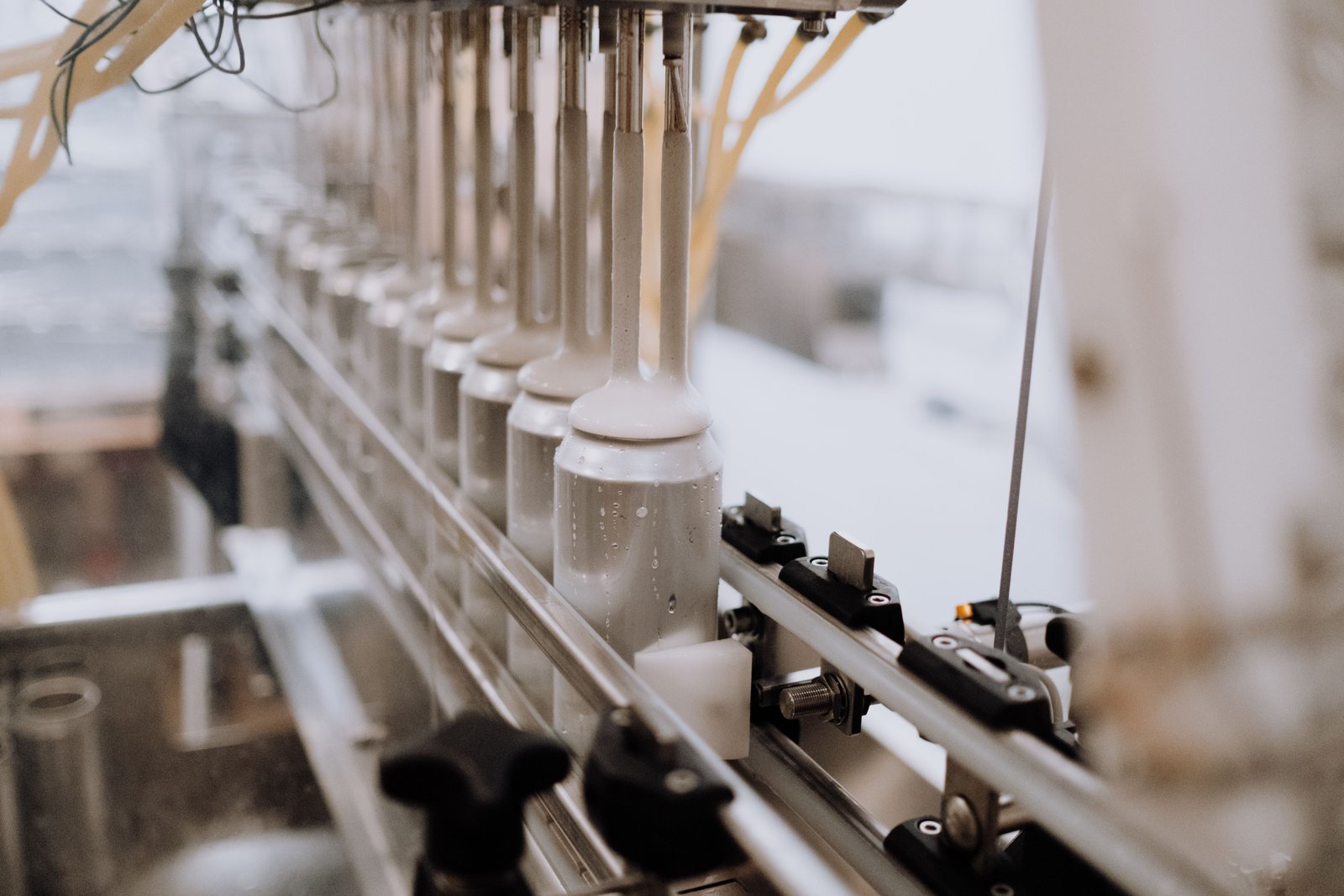
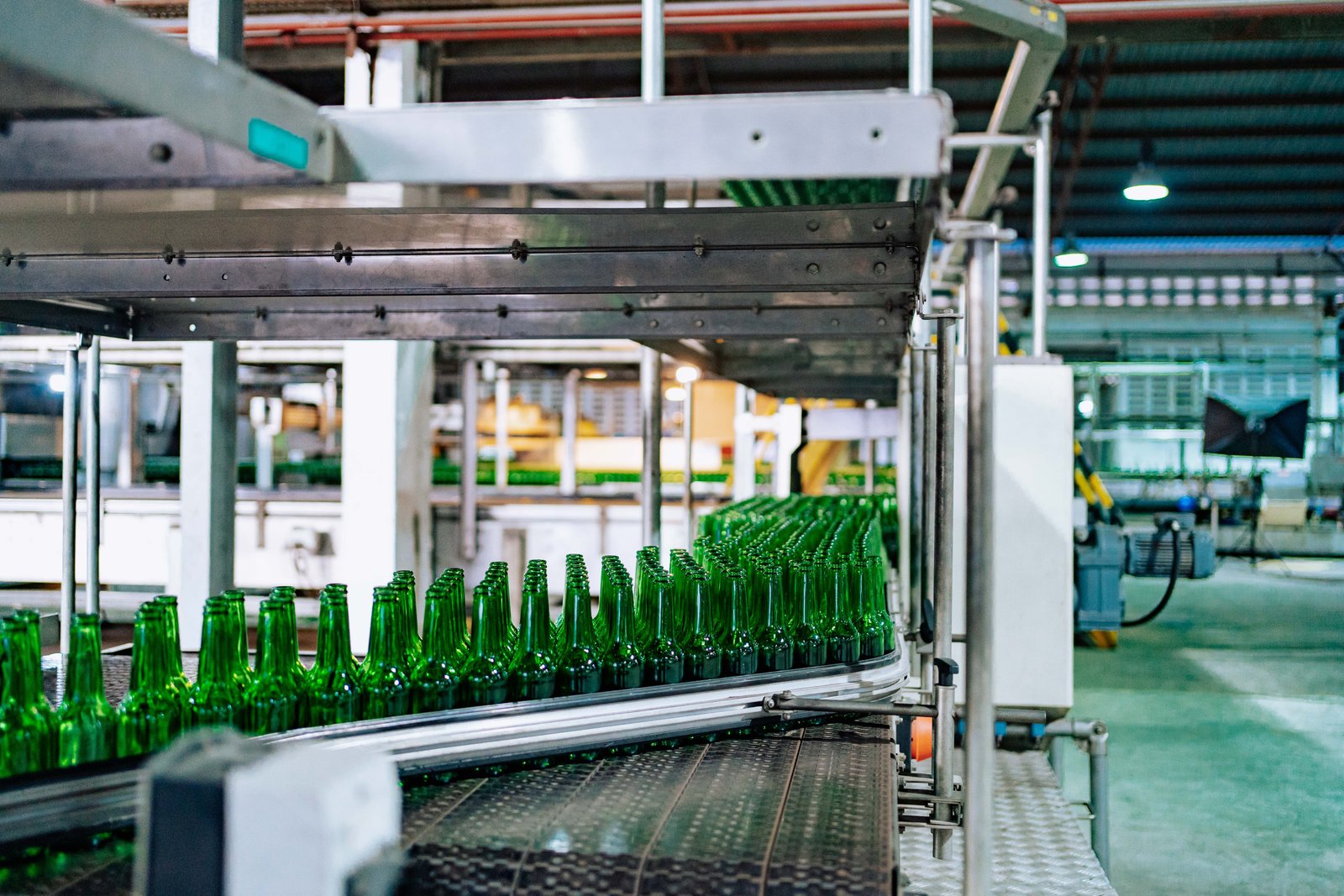
Packaging automation has become an essential component of modern food manufacturing.
Automated packaging systems perform:
- Product filling
- Sealing
- Labeling
- Carton assembly
- Product inspection
Automation improves packaging accuracy while maintaining consistent product presentation and reducing operational errors. Reliable packaging strengthens product quality.
Digital Production Scheduling Improves Manufacturing Flow
Connected production systems coordinate manufacturing activities in real time.
Digital scheduling enables:
- Production sequencing
- Equipment coordination
- Resource planning
- Workflow optimization
- Manufacturing flexibility
Integrated scheduling improves operational efficiency while allowing manufacturers to respond quickly to changing customer demand. Smart scheduling increases manufacturing agility.
Predictive Maintenance Reduces Operational Interruptions
Food manufacturers are increasingly using predictive maintenance to maximize equipment reliability.
Monitoring systems analyze:
- Equipment vibration
- Temperature conditions
- Machine performance
- Maintenance records
- Operating efficiency
Predictive maintenance identifies potential equipment issues before failures occur, reducing unexpected downtime and improving production continuity. Preventive maintenance supports reliable manufacturing.
Real-Time Monitoring Strengthens Process Control
Advanced monitoring technologies provide continuous visibility into production operations.
Manufacturers monitor:
- Equipment status
- Product quality
- Processing conditions
- Energy consumption
- Production output
Real-time operational data enables immediate corrective actions while maintaining consistent manufacturing standards. Continuous monitoring improves production reliability.
Sustainability Supports Automated Manufacturing
Automation contributes to more sustainable food processing by improving resource efficiency.
Organizations focus on:
- Energy optimization
- Water conservation
- Waste reduction
- Efficient material utilization
- Sustainable production practices
Smart manufacturing technologies reduce environmental impact while improving long-term operational performance. Responsible manufacturing supports sustainable growth.
Workforce Development Enables Digital Transformation
Employees continue to play a vital role in highly automated food processing facilities.
Organizations invest in:
- Automation technology training
- Equipment management
- Digital manufacturing skills
- Process improvement
- Workplace safety education
Continuous learning prepares employees to manage advanced manufacturing technologies while supporting innovation across production operations. Skilled professionals remain central to manufacturing success.
Challenges Continue
Despite rapid technological advancement, food processors continue facing several implementation challenges.
These include:
- High automation investment
- Integration with existing production equipment
- Workforce reskilling
- Cybersecurity for connected manufacturing systems
- Maintaining compliance with evolving food safety regulations
Continued investment in robotics, artificial intelligence, automation, digital manufacturing platforms, employee development, and operational innovation will remain essential for maximizing the benefits of food processing automation.
Looking Forward
Food processing automation is transforming manufacturing by combining robotics, intelligent production systems, digital scheduling, predictive maintenance, advanced analytics, and real-time monitoring into highly connected production environments. As consumer demand continues evolving and manufacturers pursue greater efficiency, automation technologies will play an increasingly important role in improving productivity, strengthening food safety, reducing waste, supporting sustainability, and enhancing overall manufacturing performance.
The continued advancement of food processing automation reflects a broader transformation across the food and beverage industry, where intelligent technologies, digital innovation, operational excellence, and sustainable manufacturing practices are creating smarter, more resilient, and future-ready food production systems.