Eco-Friendly Materials, Smart Packaging Technologies, and Circular Economy Practices Are Transforming the Future of Food Packaging
The food and beverage industry is accelerating its transition toward sustainable packaging as manufacturers, retailers, and consumers place greater emphasis on environmental responsibility. Packaging plays a critical role in protecting food quality, extending shelf life, and ensuring safe transportation, but traditional packaging materials have also contributed to growing environmental concerns. In response, companies are investing in innovative packaging solutions that reduce waste while maintaining product integrity and operational efficiency.
Modern sustainable packaging combines recyclable materials, biodegradable alternatives, lightweight designs, reusable containers, and smart packaging technologies to create environmentally responsible solutions without compromising food safety or product performance. These innovations are helping organizations reduce their environmental footprint while meeting evolving consumer expectations and supporting long-term sustainability goals.
Food manufacturers, beverage producers, packaging suppliers, retailers, logistics companies, and research organizations are working together to develop next-generation packaging systems that balance environmental stewardship with commercial performance. Industry experts believe sustainable packaging will remain one of the most influential areas of innovation in the food and beverage industry as businesses continue pursuing responsible growth and circular economy initiatives.
Recyclable Materials Become Industry Standard
Manufacturers are expanding the use of packaging materials that can be recovered and reused after consumption.
Common recyclable materials include:
- Paper-based packaging
- Recyclable plastics
- Aluminum containers
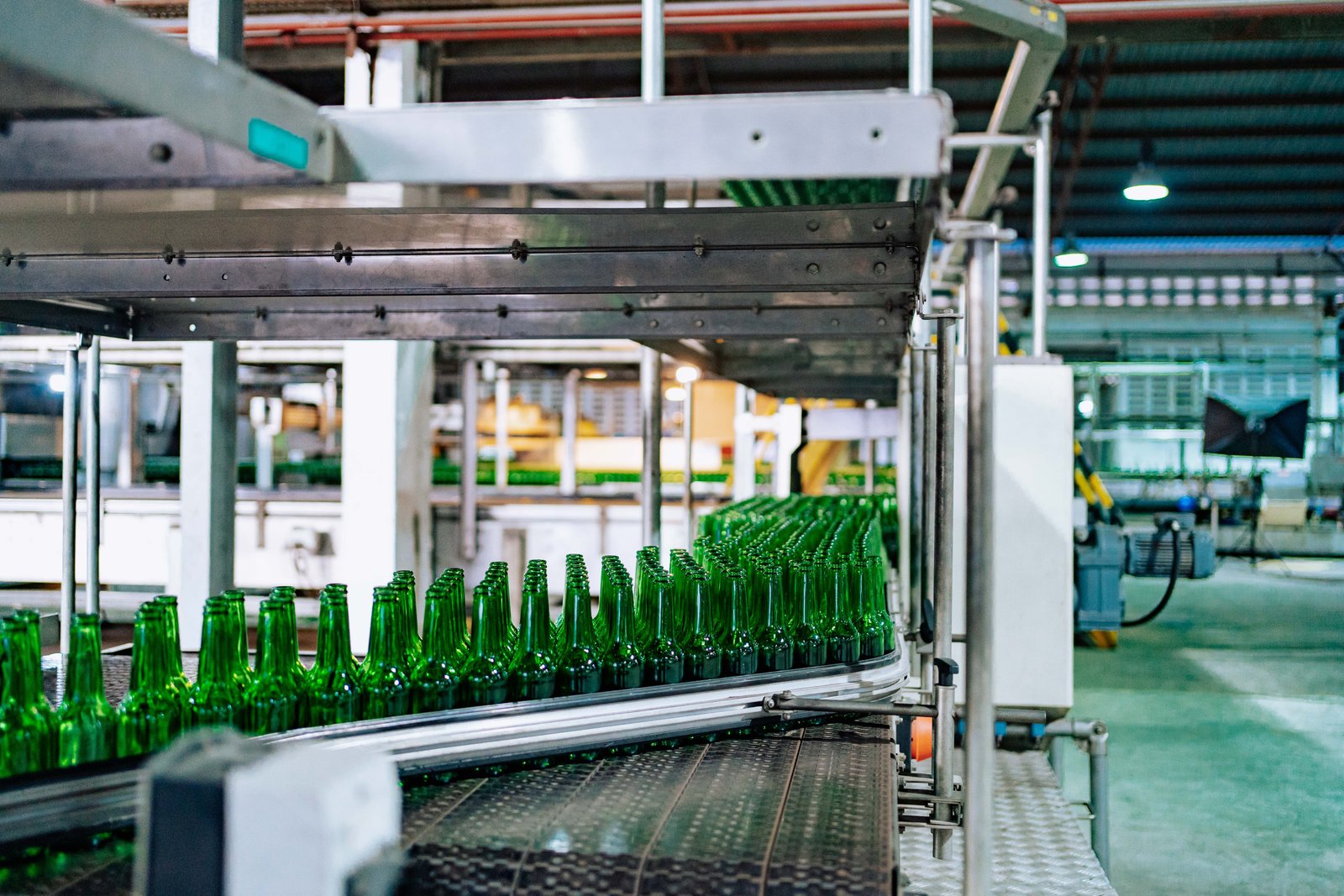
- Glass bottles
- Fiber-based cartons
Recyclable packaging helps reduce landfill waste while supporting more efficient resource utilization. Responsible material choices improve environmental performance.
Biodegradable Packaging Supports Waste Reduction
Companies are increasingly adopting packaging materials that naturally decompose under appropriate environmental conditions.
Biodegradable solutions include:
- Plant-based materials
- Compostable films
- Agricultural fiber packaging
- Bio-based containers
- Natural protective coatings
These alternatives help reduce long-term environmental impact while maintaining product protection. Biodegradable materials support sustainable packaging goals.
Lightweight Packaging Improves Transportation Efficiency
Reducing packaging weight benefits both manufacturers and logistics providers.
Lightweight packaging contributes to:
- Lower material usage
- Reduced transportation weight
- Improved fuel efficiency
- Lower shipping costs
- Reduced carbon emissions
Optimized packaging designs improve supply chain efficiency while minimizing environmental impact. Efficient packaging strengthens logistics performance.
Smart Packaging Enhances Food Safety
Digital technologies are creating more intelligent packaging solutions.
Smart packaging innovations include:
- Freshness indicators
- Temperature monitoring labels
- QR code traceability
- Digital authentication
- Product condition monitoring
Advanced packaging technologies improve transparency while helping protect food quality throughout distribution. Technology strengthens consumer confidence.
Circular Economy Encourages Material Reuse
Food companies are integrating circular economy principles into packaging strategies.
Key initiatives include:
- Reusable containers
- Packaging recovery programs
- Material recycling partnerships
- Closed-loop production systems
- Resource recovery initiatives
Circular approaches reduce waste while extending the lifecycle of packaging materials. Resource efficiency supports long-term sustainability.
Sustainable Design Improves Product Protection
Modern packaging is designed to balance environmental responsibility with product performance.
Packaging improvements focus on:
- Enhanced durability
- Reduced material consumption
- Improved shelf-life protection
- Efficient storage
- Safer transportation
Well-designed packaging minimizes food waste while maintaining product quality. Innovation improves packaging effectiveness.
Consumer Awareness Influences Packaging Innovation
Consumers increasingly prefer brands that demonstrate environmental responsibility.
Organizations respond by providing:
- Clear recycling instructions
- Sustainable packaging labels
- Environmental information
- Responsible sourcing details
- Packaging transparency
Open communication helps consumers make informed purchasing decisions while strengthening brand trust. Consumer engagement supports sustainability initiatives.
Digital Manufacturing Supports Packaging Development
Advanced manufacturing technologies are accelerating packaging innovation.
Digital solutions enable:
- Packaging simulation
- Material testing
- Production optimization
- Quality monitoring
- Design improvement
Technology helps manufacturers develop more efficient packaging while reducing development time. Digital innovation accelerates sustainable progress.
Industry Collaboration Drives Innovation
Developing sustainable packaging requires cooperation across the food and beverage ecosystem.
Organizations collaborate with:
- Packaging manufacturers
- Material suppliers
- Food producers
- Retailers
- Recycling companies
- Research institutions
Collaborative innovation supports the development of practical and environmentally responsible packaging solutions. Partnerships strengthen industry progress.
Challenges Continue
Despite significant advancements, organizations continue facing several implementation challenges.
These include:
- Higher development costs
- Material availability
- Recycling infrastructure limitations
- Regulatory compliance
- Balancing sustainability with product protection
Continued investment in material science, packaging technologies, recycling systems, research, and cross-industry collaboration will remain essential for advancing sustainable food packaging.
Looking Forward
Sustainable food packaging is reshaping the food and beverage industry by integrating recyclable materials, biodegradable alternatives, smart technologies, and circular economy principles into modern packaging strategies. As environmental responsibility continues becoming a core business priority, innovative packaging solutions will play an increasingly important role in reducing waste, protecting food quality, improving supply chain efficiency, and strengthening consumer confidence.
The continued evolution of sustainable food packaging reflects a broader transformation across the food and beverage industry, where innovation, sustainability, responsible manufacturing, and environmental stewardship are creating smarter, safer, and more sustainable packaging solutions for the future.