Plant-Based Foods, Precision Fermentation, and Food Science Are Driving the Next Generation of Sustainable Nutrition
The food and beverage industry is experiencing significant transformation as alternative protein innovation continues to expand across global markets. Growing consumer interest in nutrition, sustainability, food security, and dietary diversity is encouraging manufacturers to develop new protein sources that complement traditional food production while meeting changing lifestyle preferences. Advances in food science, biotechnology, precision fermentation, and ingredient development are enabling companies to create high-quality protein products that deliver taste, texture, and nutritional value through innovative manufacturing processes.
Alternative proteins now extend far beyond traditional plant-based foods. Manufacturers are exploring precision fermentation, algae-derived proteins, insect-based ingredients for specialized applications, microbial proteins, and cultivated food technologies to diversify protein production and improve resource efficiency. These innovations are helping organizations respond to increasing global food demand while supporting more sustainable production practices.
Food manufacturers, ingredient suppliers, research institutions, biotechnology companies, retailers, and nutrition experts are collaborating to accelerate the commercialization of next-generation protein products that address evolving consumer expectations and long-term food system challenges. Industry experts believe alternative protein innovation will continue influencing the future of food manufacturing as technology and scientific research expand opportunities for sustainable nutrition.
Plant-Based Foods Continue Expanding
Plant-based food products remain one of the fastest-growing categories within the food industry.
Manufacturers are developing:
- Plant-based meat alternatives
- Dairy-free beverages
- Plant-based cheeses
- Protein-rich snacks
- Ready-to-eat meals
- High-protein bakery products
Improved product formulations are helping deliver better taste, texture, and nutritional value while attracting a broader consumer base. Plant-based innovation supports dietary diversity.
Precision Fermentation Advances Food Production
Precision fermentation is creating new opportunities for producing high-value food ingredients.
The technology supports the production of:
- Functional proteins
- Natural enzymes
- Flavor ingredients
- Nutritional compounds
- Specialty food ingredients
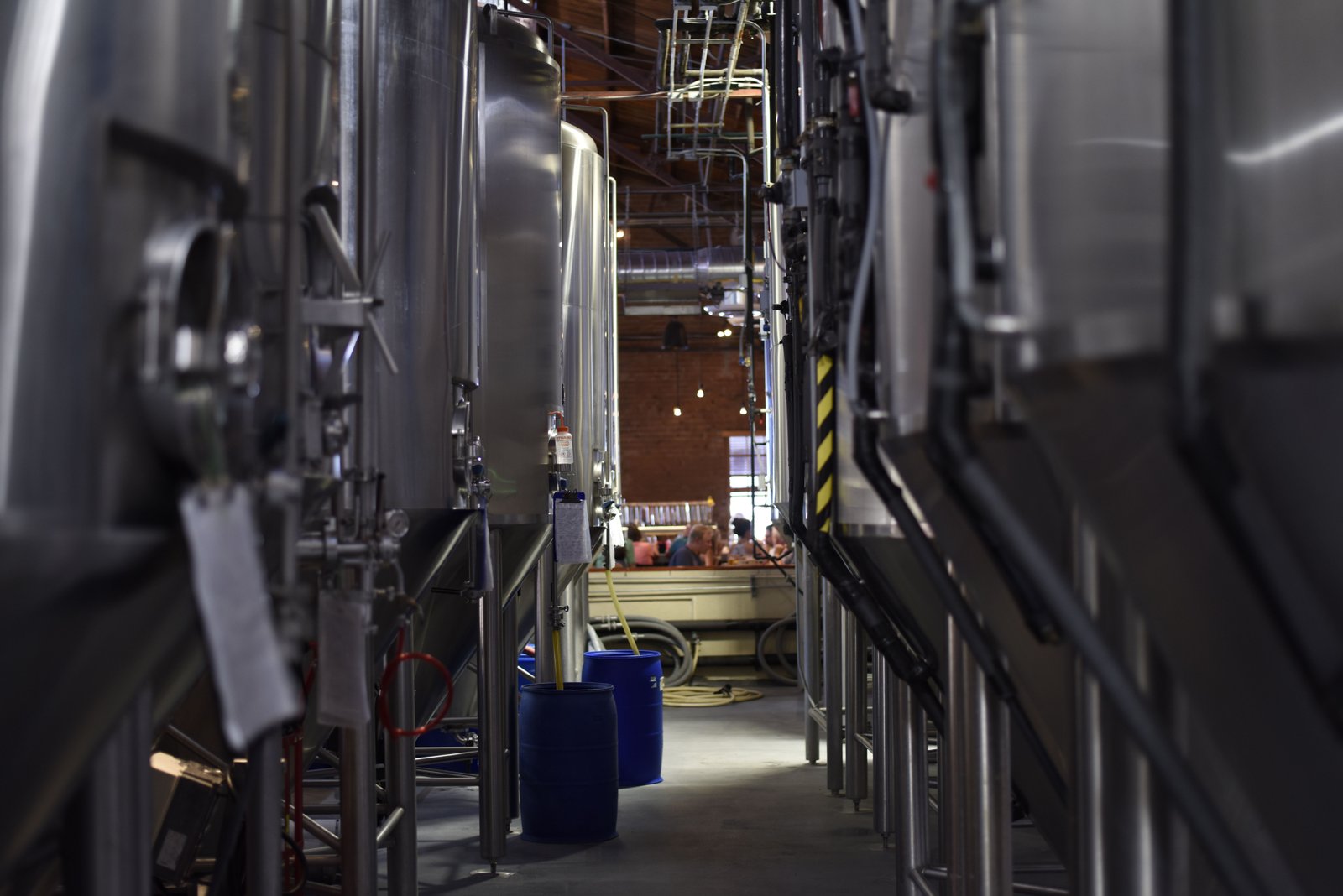
Advanced fermentation processes improve production efficiency while reducing dependence on traditional agricultural resources. Scientific innovation expands food manufacturing possibilities.
Sustainable Protein Production Gains Importance
Food manufacturers are seeking production methods that reduce environmental impact.
Sustainability initiatives include:
- Lower water consumption
- Reduced land requirements
- Improved resource efficiency
- Lower greenhouse gas emissions
- Responsible ingredient sourcing
Efficient production systems contribute to more sustainable food manufacturing while supporting long-term environmental goals. Responsible production strengthens industry resilience.
Research and Development Drive Product Innovation
Continuous investment in research is accelerating advancements across alternative protein technologies.
Research focuses on:
- Ingredient functionality
- Product texture
- Nutritional optimization
- Flavor improvement
- Manufacturing scalability
Scientific collaboration enables companies to introduce innovative protein products while maintaining high quality standards. Research supports long-term industry growth.
Consumer Preferences Shape Product Development
Changing lifestyles continue influencing the direction of food innovation.
Manufacturers are responding to demand for:
- High-protein products
- Convenient meal solutions
- Clean-label ingredients
- Balanced nutrition
- Diverse protein choices
Consumer insights help organizations create products that align with evolving dietary habits and purchasing preferences. Market demand encourages continuous innovation.
Digital Technologies Improve Manufacturing
Advanced digital technologies are improving production efficiency across alternative protein facilities.
Manufacturers utilize:
- Artificial intelligence
- Digital quality monitoring
- Process automation
- Predictive maintenance
- Production analytics
Connected manufacturing systems improve operational consistency while supporting efficient large-scale production. Technology strengthens manufacturing excellence.
Quality Assurance Remains a Priority
Maintaining consistent product quality is essential as new protein technologies expand.
Quality programs include:
- Ingredient verification
- Nutritional analysis
- Production monitoring
- Food safety testing
- Regulatory compliance
Comprehensive quality systems help manufacturers deliver reliable products while strengthening consumer confidence. Quality management supports long-term success.
Retail Availability Continues to Expand
Alternative protein products are becoming increasingly accessible across multiple sales channels.
Distribution continues growing through:
- Supermarkets
- Specialty food retailers
- Online grocery platforms
- Foodservice providers
- Convenience stores
Broader availability allows consumers to explore diverse protein options while supporting market expansion. Expanded distribution improves accessibility.
Collaboration Accelerates Industry Growth
The advancement of alternative proteins depends on collaboration across multiple industries.
Organizations work closely with:
- Food manufacturers
- Biotechnology companies
- Ingredient suppliers
- Research institutions
- Retail partners
- Agricultural organizations
Collaborative innovation encourages faster commercialization while strengthening product development capabilities. Partnerships support sustainable industry growth.
Challenges Continue
Despite rapid technological progress, organizations continue facing several implementation challenges.
These include:
- Scaling production efficiently
- Consumer education
- Regulatory approval processes
- Ingredient sourcing
- Manufacturing investment requirements
Continued investment in food science, biotechnology, digital manufacturing, sustainable production methods, and collaborative research will remain essential for advancing the alternative protein sector.
Looking Forward
Alternative protein innovation is transforming the food and beverage industry by combining scientific research, advanced manufacturing, sustainable production practices, and consumer-focused product development into a rapidly evolving category of modern nutrition. As global food demand continues to increase and consumer preferences become more diverse, alternative proteins will play an increasingly important role in improving food security, supporting environmental sustainability, expanding nutritional choices, and strengthening the resilience of global food systems.
The continued advancement of alternative protein innovation reflects a broader transformation across the food and beverage industry, where biotechnology, digital innovation, sustainability, and scientific collaboration are creating the next generation of efficient, nutritious, and future-ready food production.