b
Integrated Communities, Lifestyle Amenities, and Smart Urban Planning Are Redefining the Future of Real Estate Development
Real estate development is evolving beyond standalone residential towers, office complexes, and shopping centers as developers increasingly embrace experience-driven mixed-use projects that combine multiple property types into dynamic, self-sustaining communities. These integrated developments bring together residential living, commercial offices, retail outlets, hospitality, entertainment, healthcare, education, public spaces, and recreational amenities within a single destination, creating environments where people can live, work, shop, and socialize without traveling long distances.
Changing consumer lifestyles, urbanization, and the growing demand for convenience are encouraging developers to rethink traditional property development models. Rather than focusing solely on physical infrastructure, modern mixed-use developments prioritize experiences, community engagement, walkability, sustainability, and digital connectivity to create destinations that remain active throughout the day.
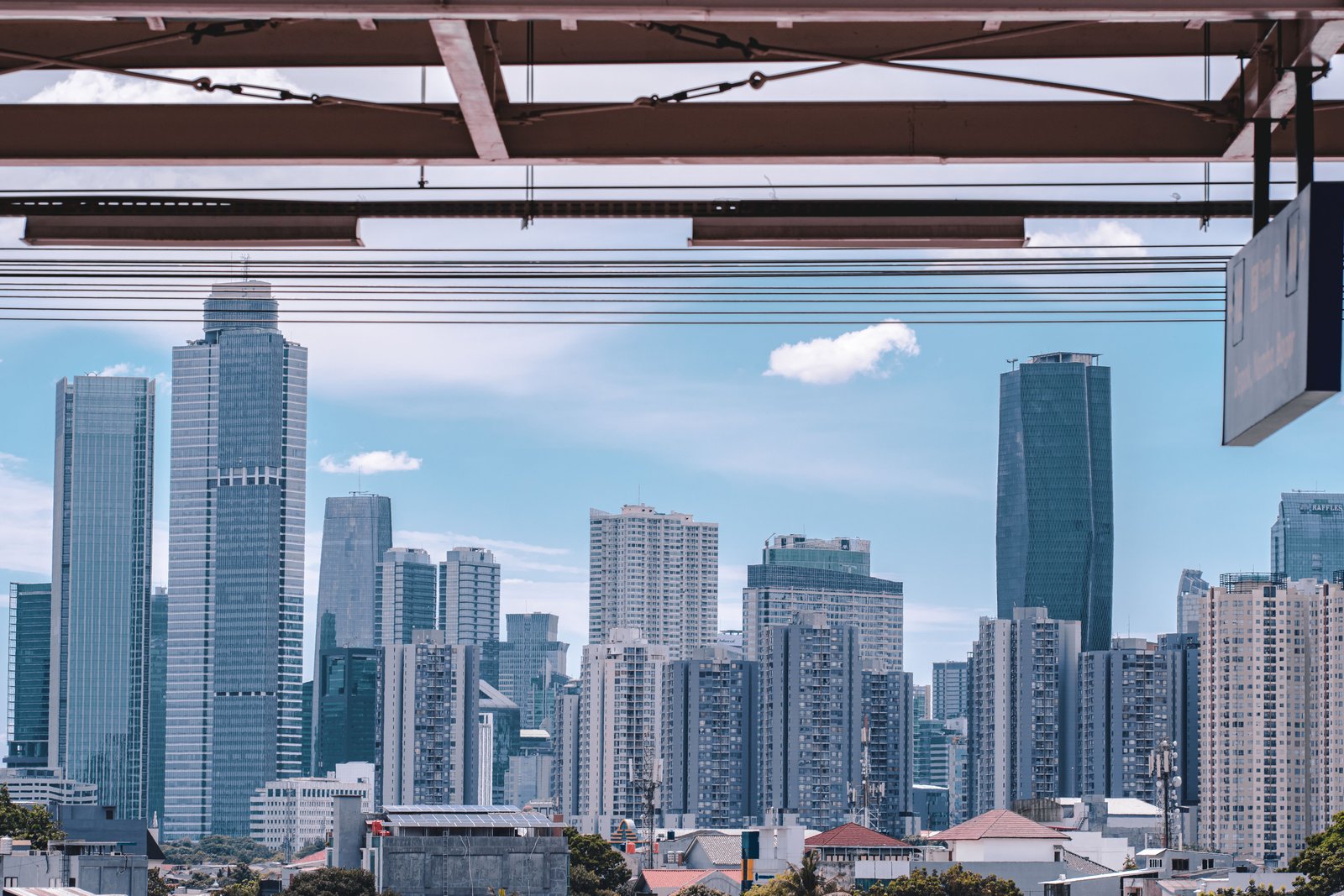
Across major metropolitan areas, developers are transforming underutilized land into integrated urban districts that attract businesses, residents, tourists, and investors while contributing to long-term economic growth and improved quality of life. Industry experts believe experience-driven mixed-use developments will become a defining feature of future cities as integrated planning, technology, and lifestyle-oriented design continue to reshape urban real estate.
Integrated Communities Redefine Urban Living
Modern mixed-use developments combine diverse property functions within a single master-planned environment.
Common components include:
- Residential apartments
- Commercial offices
- Retail stores
- Hotels
- Restaurants and cafés
- Healthcare facilities
- Educational institutions
- Entertainment venues
This integrated approach creates convenient neighborhoods where daily activities can be completed within close proximity. Connected communities improve both accessibility and lifestyle.
Lifestyle Amenities Become a Key Differentiator
Today's residents and businesses increasingly value experiences alongside traditional property features.
Developers are incorporating amenities such as:
- Public parks
- Rooftop gardens
- Walking and cycling trails
- Fitness and wellness centers
- Community event spaces
- Children's recreation areas
These features encourage social interaction while enhancing the overall appeal of mixed-use developments. Lifestyle-focused design strengthens long-term occupancy.
Retail and Entertainment Drive Community Activity
Retail and entertainment play an essential role in creating vibrant mixed-use destinations.
Developments increasingly feature:
- Shopping streets
- Dining districts
- Cinemas
- Cultural venues
- Event spaces
- Family entertainment centers
A diverse mix of attractions encourages continuous visitor activity while supporting local businesses. Active public spaces contribute to stronger economic performance.
Smart Technologies Improve Urban Experiences
Digital innovation is becoming an integral part of mixed-use development.
Smart infrastructure includes:
- Intelligent parking systems
- Digital wayfinding
- Smart lighting
- Building management platforms
- Public Wi-Fi
- Mobile community applications
These technologies improve convenience while enabling more efficient property operations. Technology enhances both resident and visitor experiences.
Sustainability Supports Long-Term Growth
Environmental responsibility is increasingly integrated into mixed-use planning.
Developers prioritize:
- Energy-efficient buildings
- Green open spaces
- Renewable energy systems
- Water conservation
- Sustainable transportation
Responsible development practices improve environmental performance while creating healthier communities. Sustainability strengthens long-term project value.
Flexible Spaces Adapt to Changing Needs
Mixed-use developments increasingly incorporate flexible spaces capable of supporting evolving lifestyles and business requirements.
Adaptable environments include:
- Co-working offices
- Flexible retail spaces
- Multi-purpose event venues
- Shared community facilities
- Hybrid work environments
Flexible design improves long-term usability while allowing developments to respond to changing market demands. Adaptability supports investment resilience.
Public Transportation Strengthens Accessibility
Many mixed-use developments are strategically connected to public transportation networks.
Accessibility improvements include:
- Metro connectivity
- Bus terminals
- Cycling infrastructure
- Pedestrian-friendly streets
- Mobility hubs
Improved transportation encourages sustainable travel while increasing property attractiveness. Connectivity enhances economic activity.
Data Analytics Improve Property Management
Digital platforms provide property managers with valuable operational insights.
Analytics support monitoring of:
- Occupancy rates
- Visitor traffic
- Energy usage
- Facility performance
- Customer engagement
Data-driven management enables continuous operational improvements while enhancing community experiences. Intelligent management improves long-term efficiency.
Collaboration Drives Successful Developments
Experience-driven projects require close coordination among multiple stakeholders.
hSuccessful developments involve:
- Real estate developers
- Architects
- Urban planners
- Government agencies
- Infrastructure providers
- Community organizations
Collaborative planning ensures developments align with both commercial objectives and community needs. Partnerships strengthen project outcomes.
Challenges Continue
Despite increasing popularity, mixed-use developments continue facing several challenges.
These include:
- Complex project planning
- Significant capital investment
- Regulatory approvals
- Long development timelines
- Coordinating multiple property uses
Careful master planning, stakeholder collaboration, and phased development strategies remain essential for successful implementation. Long-term vision supports sustainable growth.
Conclusion
Experience-driven mixed-use developments are transforming the real estate industry by creating integrated communities that combine residential living, commercial activity, entertainment, public amenities, and sustainable infrastructure within a single destination. By incorporating intelligent technologies, flexible spaces, wellness-focused amenities, and environmentally responsible design, developers are delivering projects that improve quality of life while supporting long-term economic development and investment performance.
As urban populations continue to grow and lifestyle expectations evolve, mixed-use developments will play an increasingly important role in shaping more connected, efficient, and resilient cities. The continued expansion of experience-driven mixed-use developments reflects a broader transformation in real estate, where integrated planning, community engagement, sustainability, and digital innovation are redefining how modern urban environments are designed, developed, and experienced.