Remote Monitoring, Virtual Care, and Advanced Medical Technologies Are Bringing High-Quality Healthcare Beyond Traditional Hospital Walls
Healthcare delivery is undergoing a significant transformation as Hospital-at-Home (HaH) programs gain momentum across global healthcare systems. Designed to provide hospital-level care within the comfort of a patient's home, these programs combine advanced remote monitoring technologies, telemedicine, home healthcare services, and multidisciplinary clinical teams to deliver safe, effective, and personalized treatment outside conventional hospital settings.
Growing demand for patient-centered care, rising healthcare costs, aging populations, and advancements in digital health technologies have accelerated the adoption of Hospital-at-Home models. Healthcare providers are increasingly recognizing that many patients with appropriate medical conditions can receive high-quality treatment at home while maintaining close supervision from physicians, nurses, and specialists through connected healthcare platforms.
Hospitals, healthcare networks, insurance providers, medical technology companies, and government healthcare organizations are investing in home-based care programs that improve patient experiences while optimizing healthcare resources. Industry experts believe Hospital-at-Home will become an increasingly important component of modern healthcare by improving accessibility, reducing hospital congestion, and supporting more personalized treatment approaches.
A Shift Toward Patient-Centered Care
Traditional healthcare has long relied on hospitals as the primary setting for acute medical treatment. Hospital-at-Home introduces a different model by delivering many hospital-level services directly to patients in familiar home environments.
This approach focuses on:
- Patient comfort
- Personalized treatment
- Continuous clinical monitoring
- Family involvement
- Improved quality of life
Patients benefit from receiving professional medical care while remaining in surroundings that often contribute to emotional well-being and recovery. Healthcare systems are increasingly adopting care models that prioritize both clinical outcomes and patient experience.
Technology Makes Home-Based Care Possible
Modern digital technologies are central to the success of Hospital-at-Home programs.
Healthcare providers use connected systems including:
- Remote patient monitoring devices
- Telemedicine platforms
- Wearable health sensors
- Electronic health records
- Mobile healthcare applications
These technologies enable clinicians to continuously monitor patient health while maintaining regular communication without requiring extended hospital stays. Real-time information supports faster clinical decisions and improves continuity of care. Digital infrastructure has become a critical foundation for home-based healthcare.
Remote Monitoring Enhances Patient Safety
Continuous patient monitoring helps clinicians detect changes in health conditions before complications become severe.
Healthcare teams can monitor:
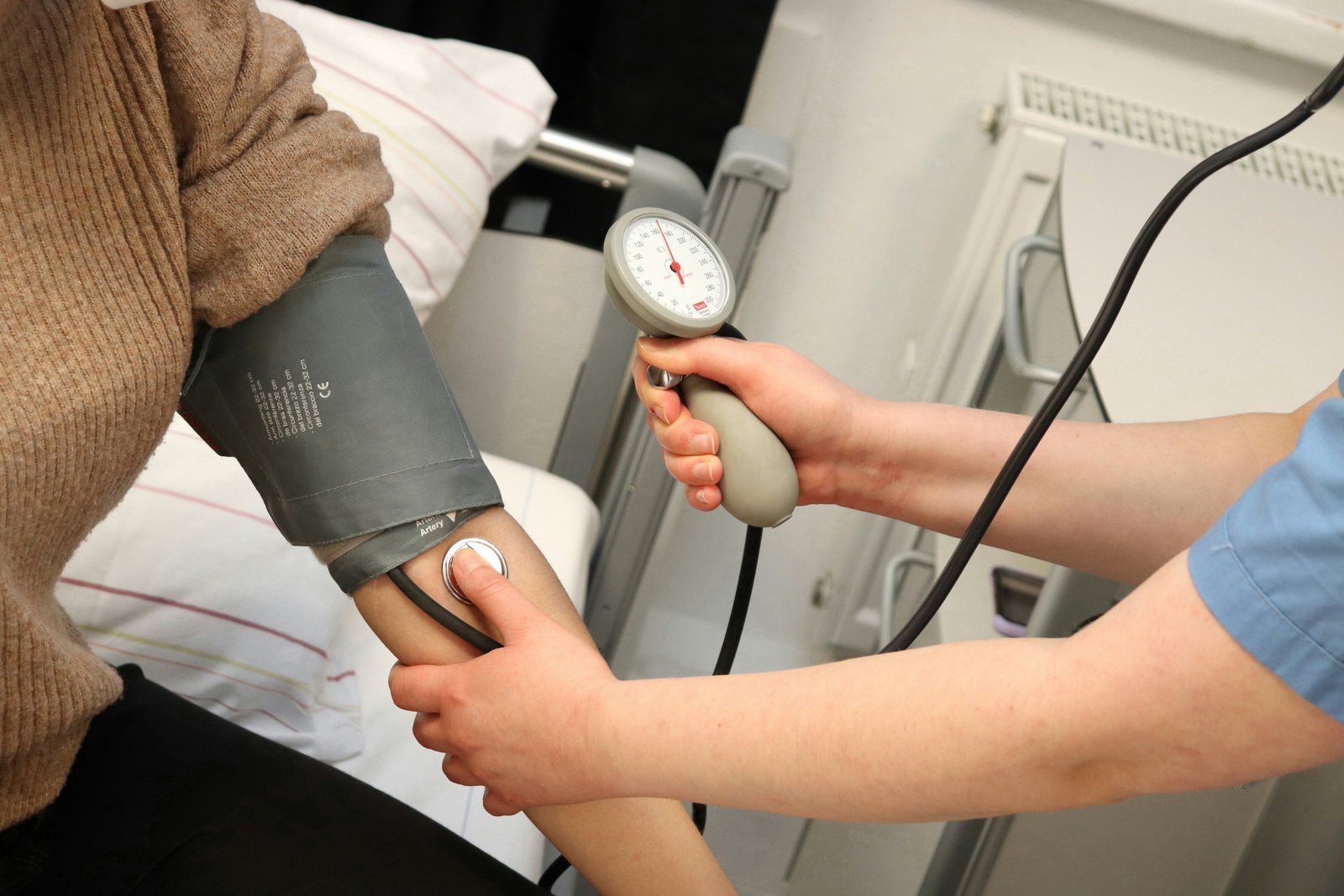
- Blood pressure
- Heart rate
- Oxygen saturation
- Body temperature
- Blood glucose levels
- Respiratory function
Medical professionals receive real-time alerts when patient measurements fall outside expected ranges. Early intervention improves patient safety while reducing the likelihood of emergency hospital readmissions. Remote monitoring has become one of the most valuable components of modern home healthcare.
Telemedicine Expands Clinical Access
Virtual healthcare consultations allow physicians, nurses, and specialists to remain closely connected with patients throughout treatment.
Telemedicine supports:
- Routine medical assessments
- Medication reviews
- Follow-up consultations
- Care coordinationSpecialist referrals
Patients receive timely medical guidance without frequent travel to healthcare facilities. Healthcare providers can also collaborate more efficiently across multidisciplinary teams. Virtual care continues strengthening the accessibility of high-quality healthcare services.
Managing Chronic Conditions at Home
Many patients with chronic illnesses require regular medical supervision rather than continuous hospitalization.
Hospital-at-Home programs support conditions such as:
- Heart failure
- Chronic respiratory diseases
- Diabetes complications
- Kidney disorders
- Certain infectious diseases
Personalized treatment plans combine home visits, remote monitoring, medication management, and virtual consultations. Continuous support helps patients manage long-term conditions while maintaining greater independence. Home-based care also encourages stronger patient engagement in daily health management.
Improving Recovery After Hospital Discharge
Hospital-at-Home programs often serve as an extension of inpatient care following discharge. Patients recovering from surgery or acute illness benefit from continued medical supervision while transitioning back to normal daily life.
Post-discharge care may include:
- Wound management
- Medication administration
- Physical rehabilitation
- Nutritional guidance
- Nursing support
Structured recovery programs reduce complications and support smoother transitions from hospital to home. Continuity of care contributes to improved patient outcomes.
Artificial Intelligence Supports Clinical Decision-Making
Artificial intelligence is enhancing Hospital-at-Home programs by analyzing patient information collected through connected medical devices.
AI assists healthcare professionals by:
- Identifying early warning signs
- Predicting clinical deterioration
- Prioritizing patient care
- Supporting treatment recommendations
- Optimizing resource allocation
Rather than replacing clinical judgment, AI provides healthcare teams with additional decision-support capabilities. Predictive analytics strengthens proactive patient management.
Reducing Pressure on Healthcare Facilities
Hospitals worldwide continue managing increasing patient volumes while facing workforce shortages and rising operational costs.
Hospital-at-Home programs help alleviate these pressures by:
- Reducing inpatient occupancy
- Expanding treatment capacity
- Improving resource utilization
- Lowering operational costs
- Supporting emergency preparedness
Healthcare facilities can reserve hospital beds for patients requiring intensive or specialized treatment. Efficient capacity management strengthens overall healthcare system resilience.
Enhancing the Patient Experience
Receiving treatment at home often provides significant emotional and psychological benefits.
Patients may experience:
- Greater comfort
- Reduced stress
- Improved sleep quality
- Stronger family support
- Increased independence
Healthcare providers also report higher patient satisfaction when home-based care is clinically appropriate. Personalized care environments contribute positively to both physical recovery and emotional well-being. Patient-centered care continues shaping healthcare innovation.
Data Security and Clinical Governance
Hospital-at-Home programs rely on secure digital communication and continuous data exchange.
Healthcare organizations prioritize:
- Patient privacy
- Cybersecurity
- Secure medical records
- Regulatory compliance
- Clinical quality assurance
Strong governance frameworks ensure home-based care maintains the same standards of safety and accountability as traditional hospital settings. Trust remains essential for expanding digital healthcare services.
Challenges to Broader Adoption
Despite growing success, Hospital-at-Home programs continue facing implementation challenges.
These include:
- Technology infrastructure requirements
- Workforce training
- Patient eligibility assessment
- Reimbursement models
- Rural connectivity limitations
Healthcare organizations must carefully evaluate which patients can safely receive hospital-level care at home while maintaining appropriate clinical oversight. Continued investment and policy support will be important for long-term expansion.
Conclusion
Hospital-at-Home programs are redefining healthcare delivery by extending hospital-level services into patients' homes through remote monitoring, telemedicine, wearable technologies, and coordinated clinical care. By improving patient comfort, expanding healthcare accessibility, reducing hospital congestion, and supporting personalized treatment, these programs are creating a more flexible and efficient model of care.
Advances in artificial intelligence, connected medical devices, and digital health platforms are further strengthening the ability of healthcare providers to deliver safe and effective treatment beyond traditional hospital environments. As healthcare systems continue evolving toward more patient-centered models, Hospital-at-Home is expected to become an increasingly valuable component of modern medicine, helping improve clinical outcomes while enhancing both patient experiences and healthcare sustainability.
The continued growth of home-based healthcare reflects a broader transformation in the healthcare industry, where technology, innovation, and personalized care are working together to reshape the future of medical treatment.