Automation, Micro-Fulfillment Centers, and Intelligent Logistics Are Helping Retailers Deliver Faster, Smarter, and More Efficiently
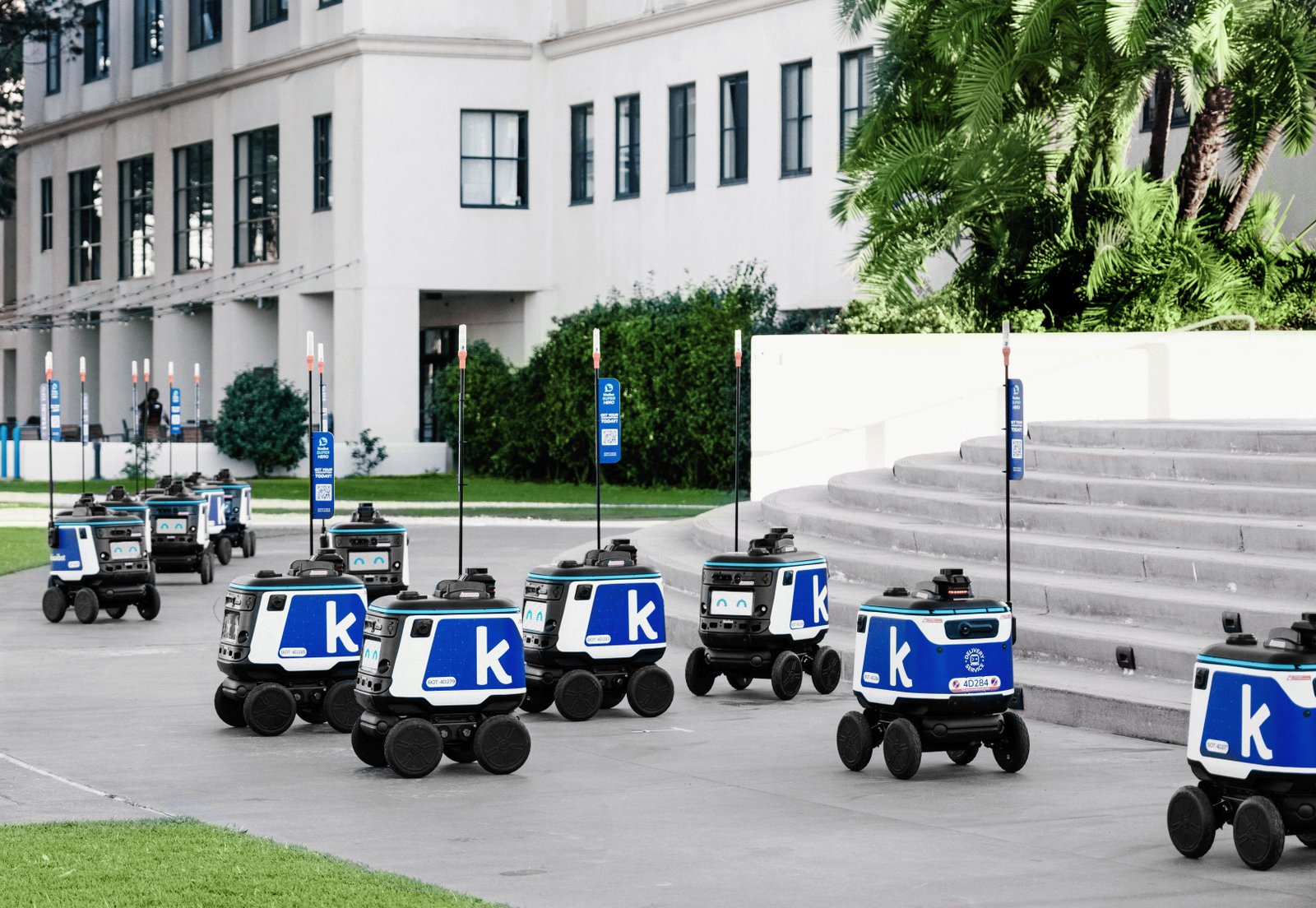
The rapid growth of e-commerce and rising consumer expectations for fast, reliable deliveries have made last-mile fulfillment one of the most important strategic priorities in modern retail. As customers increasingly expect same-day, next-day, and flexible delivery options, retailers are investing in innovative fulfillment technologies that improve speed, reduce operational costs, and enhance the overall shopping experience.
Last-mile fulfillment refers to the final stage of the supply chain, where products are transported from distribution centers or retail stores to customers. Although it represents the shortest segment of the delivery journey, it is often the most complex and expensive. Factors such as urban congestion, fluctuating demand, delivery scheduling, and labor availability continue to challenge retailers seeking to maintain efficiency while meeting customer expectations.
To address these challenges, retailers are adopting artificial intelligence (AI), automation, route optimization software, micro-fulfillment centers, real-time tracking, and advanced warehouse technologies to create faster and more resilient delivery networks. Industry experts believe continued innovation in last-mile fulfillment will play a critical role in strengthening retail competitiveness as businesses strive to balance speed, convenience, sustainability, and profitability.
Consumer Expectations Continue to Rise
Modern shoppers increasingly expect fast and flexible delivery services.
Consumers now value options such as:
- Same-day delivery
- Next-day shipping
- Scheduled delivery windows
- Store pickup
- Contactless delivery
- Real-time order tracking
Meeting these expectations has become essential for maintaining customer satisfaction and brand loyalty. Delivery performance is now a major competitive differentiator.
Artificial Intelligence Optimizes Delivery Operations
Artificial intelligence is improving every stage of last-mile fulfillment.
AI helps retailers optimize:
- Delivery routing
- Order prioritization
- Fleet management
- Demand forecasting
- Capacity planning
Machine learning continuously analyzes operational data to improve delivery efficiency while reducing transportation costs. Intelligent logistics enable faster and more reliable service.
Micro-Fulfillment Centers Improve Delivery Speed
Retailers are establishing smaller fulfillment facilities closer to customers.
Micro-fulfillment centers support:
- Faster order processing
- Reduced transportation distances
- Improved inventory availability
- Localized distribution
- Efficient urban deliveries
Positioning inventory near high-demand areas enables retailers to shorten delivery times while improving operational flexibility. Distributed fulfillment strengthens responsiveness.
Automation Enhances Warehouse Productivity
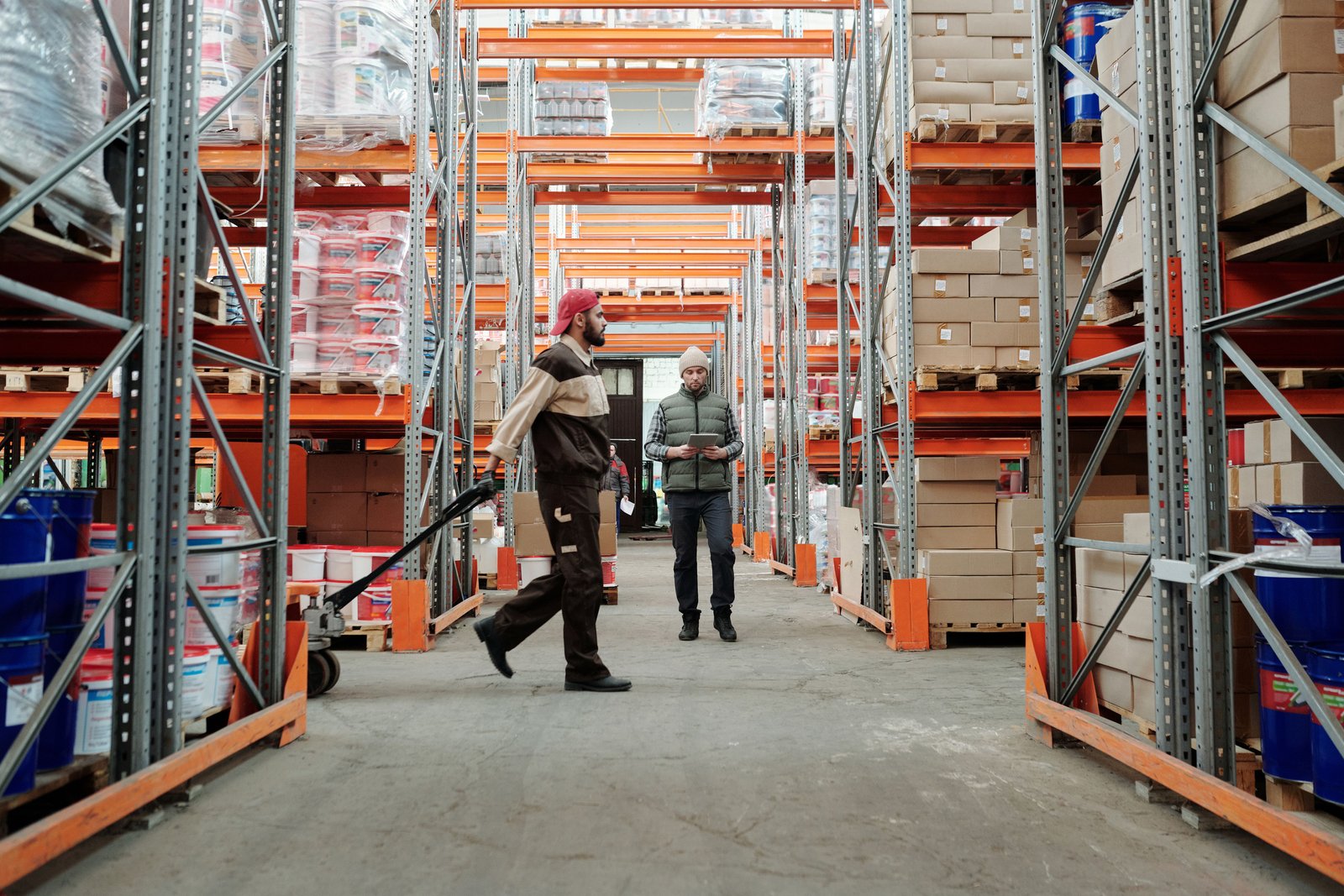
Modern fulfillment centers increasingly utilize automation technologies to improve order processing.
Automated systems include:
- Robotic picking
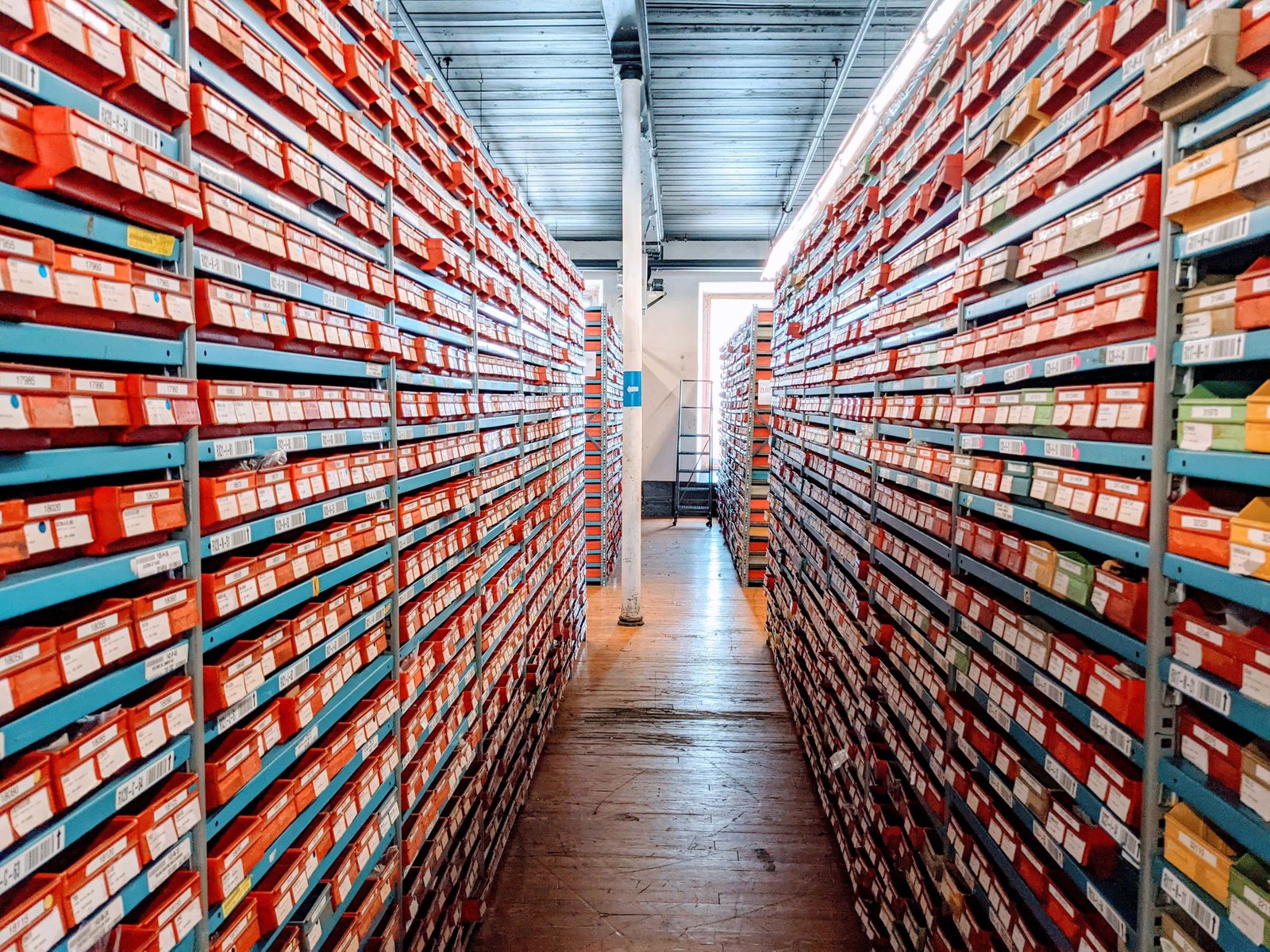
- Automated storage systems
- Conveyor technologies
- Smart sorting equipment
- Warehouse management software
Automation accelerates fulfillment while improving inventory accuracy and reducing manual workloads. Efficient warehouses support faster customer deliveries.
Real-Time Tracking Improves Customer Experience
Visibility has become an important aspect of modern retail delivery.
Retailers provide customers with:
- Live shipment tracking
- Delivery notifications
- Estimated arrival times
- Order status updates
- Digital communication tools
Real-time information increases transparency while reducing customer uncertainty throughout the delivery process. Enhanced visibility strengthens customer confidence.
Sustainable Delivery Practices Gain Momentum
Retailers are incorporating sustainability into last-mile logistics strategies.
Key initiatives include:
- Electric delivery vehicles
- Optimized delivery routes
- Eco-friendly packaging
- Consolidated shipments
- Energy-efficient distribution centers
These practices help reduce environmental impact while improving operational efficiency. Sustainability is becoming an important component of delivery innovation.
Data Analytics Improve Logistics Performance
Advanced analytics enable retailers to continuously improve fulfillment operations.
Organizations monitor:
- Delivery times
- Transportation costs
- Customer satisfaction
- Fleet utilization
- Order accuracy
Comprehensive performance insights help businesses identify operational improvements and optimize resource allocation. Data-driven logistics strengthen business resilience.
Omnichannel Fulfillment Expands Flexibility
Retailers increasingly integrate physical stores into fulfillment networks.
Omnichannel fulfillment includes:
- Ship-from-store
- Buy online, pick up in store
- Store-based inventory allocation
- Local delivery services
- Cross-channel inventory management
Flexible fulfillment models improve product availability while maximizing existing retail infrastructure. Integrated operations support seamless customer experiences.
Collaboration Strengthens Delivery Networks
Successful last-mile fulfillment requires close coordination across multiple stakeholders.
Retailers collaborate with:
- Logistics providers
- Technology companies
- Warehouse operators
- Delivery partners
- Supply chain specialists
Strategic partnerships improve scalability while supporting efficient nationwide and regional distribution. Collaboration accelerates logistics innovation.
Challenges Continue
Despite rapid technological progress, several challenges remain.
These include:
- Rising transportation costs
- Urban congestion
- Labor shortages
- Infrastructure investment
- Seasonal demand fluctuations
Continued investment in technology, automation, and supply chain collaboration will remain essential for overcoming these operational complexities. Long-term planning supports sustainable delivery performance.
Conclusion
Last-mile fulfillment innovation is transforming retail logistics by enabling organizations to deliver products more quickly, efficiently, and sustainably while meeting evolving customer expectations. Through investments in artificial intelligence, automation, micro-fulfillment centers, advanced analytics, and integrated logistics networks, retailers are strengthening operational resilience while improving customer satisfaction and reducing delivery costs.
As e-commerce continues expanding and consumer expectations evolve, last-mile fulfillment will remain a strategic priority for retailers seeking to improve competitiveness and support long-term business growth. The continued evolution of last-mile fulfillment reflects a broader transformation in retail logistics, where intelligent technologies, flexible fulfillment models, and customer-centric innovation are creating faster, more efficient, and more sustainable delivery ecosystems.