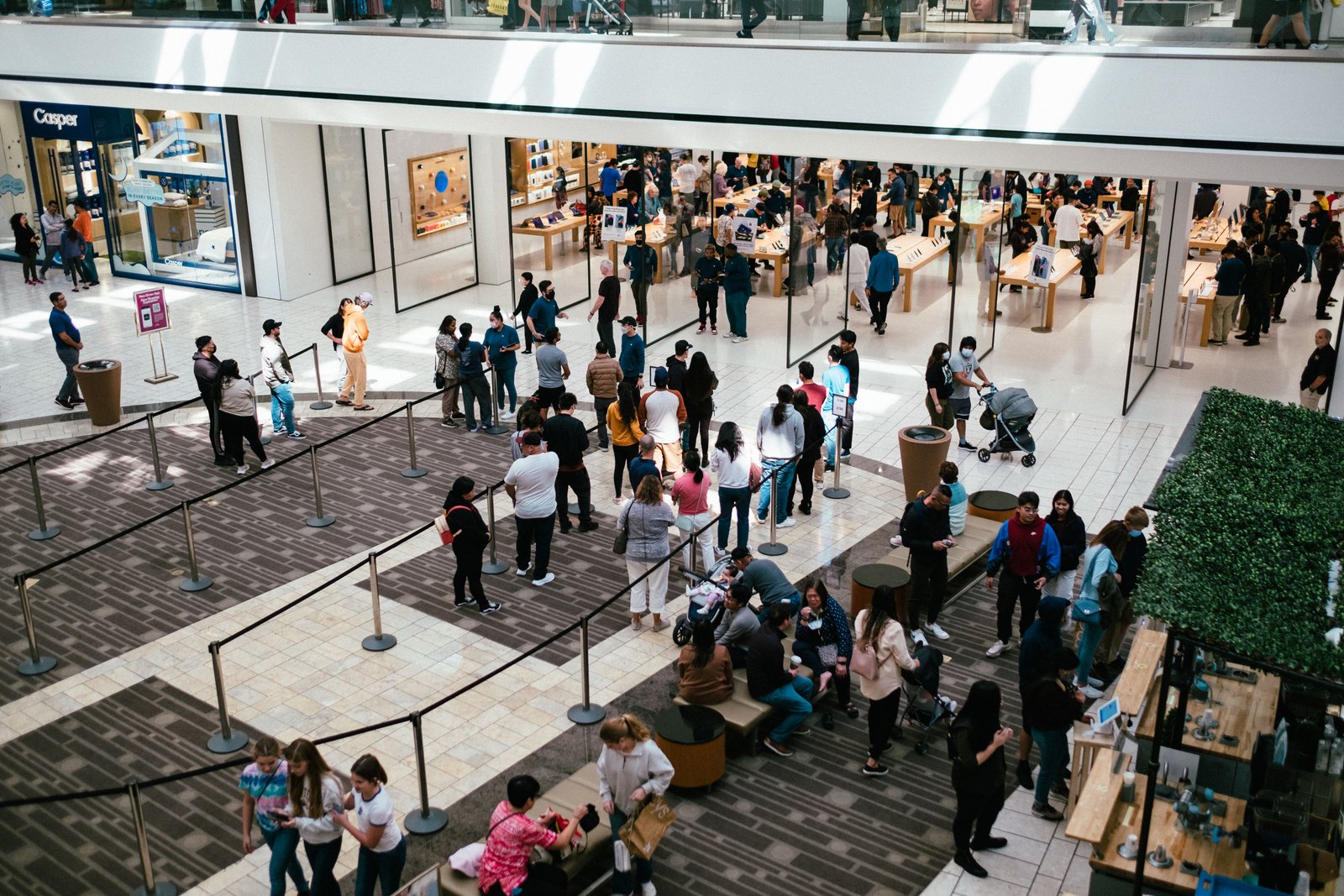
Artificial Intelligence, IoT, Computer Vision, and Digital Retail Technologies Are Redefining the Future of Physical Shopping
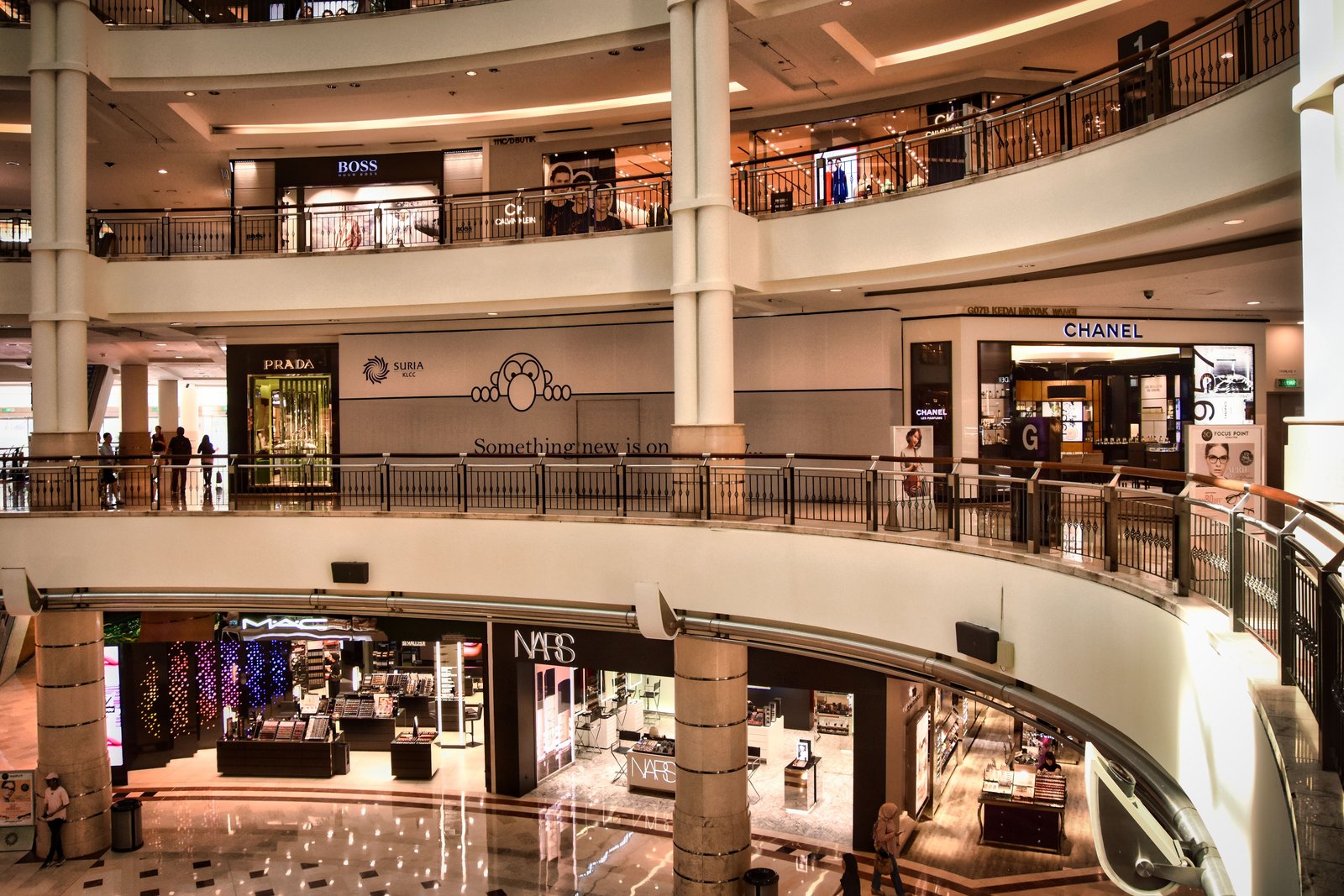
Physical retail stores are undergoing a digital transformation as retailers invest in smart technologies that enhance customer experiences while improving operational efficiency. Although e-commerce continues to grow, brick-and-mortar stores remain an essential part of the retail ecosystem, prompting businesses to modernize in-store environments through artificial intelligence (AI), Internet of Things (IoT) devices, computer vision, smart shelves, digital signage, and automated checkout solutions.
Rather than replacing traditional retail, these technologies are creating connected shopping environments where physical and digital experiences work together seamlessly. Smart stores provide retailers with real-time operational insights while offering customers greater convenience, personalized engagement, and faster service. Retailers across grocery, fashion, electronics, home improvement, luxury goods, and convenience stores are deploying intelligent technologies to optimize inventory management, improve merchandising, reduce operational costs, and strengthen customer loyalty.
Industry experts believe smart stores will become a defining feature of modern retail by combining digital innovation with personalized in-store experiences that meet the evolving expectations of today's consumers.
Physical Stores Embrace Digital Innovation
Retail environments are becoming increasingly connected through advanced digital technologies.
Modern smart stores integrate:
- Artificial intelligence
- IoT sensors
- Computer vision
- Smart shelves
- Digital signage
- Cloud-based analytics
These connected systems provide retailers with greater operational visibility while creating more engaging shopping experiences. Technology is reshaping the role of physical stores.
Smart Shelves Improve Inventory Accuracy
Traditional shelf management often depends on manual inspections.
Smart shelves equipped with sensors and connected devices continuously monitor:
- Product availability
- Shelf stock levels
- Product placement
- Inventory movement
- Pricing accuracy
Real-time information allows employees to replenish products more efficiently while reducing out-of-stock situations. Automated monitoring improves inventory accuracy and operational productivity.
Computer Vision Enhances Retail Operations
Computer vision technologies enable retailers to analyze in-store activity without interrupting the customer experience.
Applications include:
- Customer traffic analysis
- Product interaction monitoring
- Checkout automation
- Store layout optimization
- Loss prevention
Operational insights help retailers improve merchandising strategies and optimize store performance. Advanced imaging technologies support data-driven retail management.
Artificial Intelligence Personalizes Shopping
Artificial intelligence is helping retailers deliver more personalized in-store experiences.
AI supports:
- Product recommendations
- Personalized promotions
- Customer segmentation
- Shopping behavior analysis
- Digital assistance
By understanding customer preferences, retailers can provide more relevant offers and improve engagement throughout the shopping journey. Personalization strengthens customer loyalty.
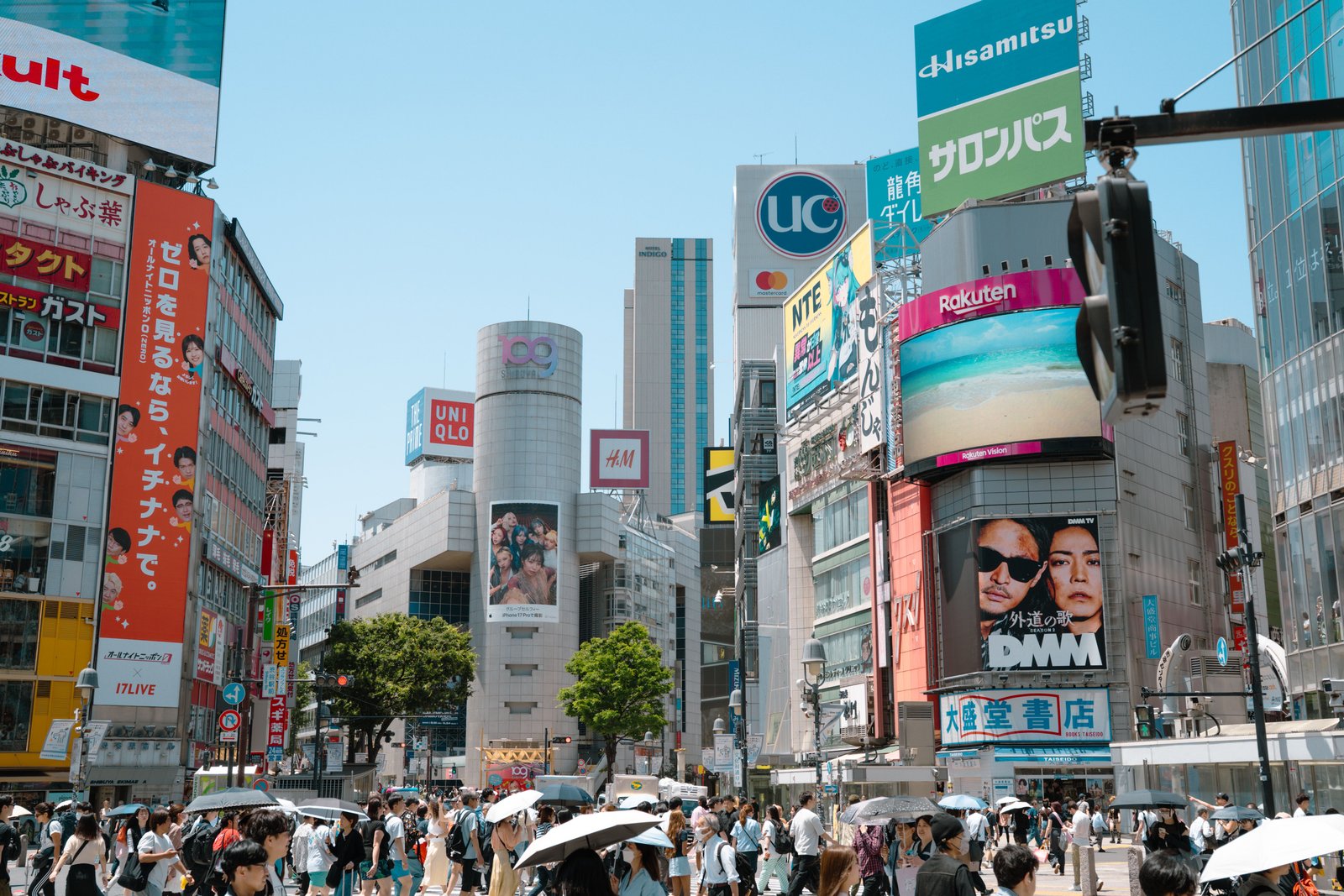
Digital Signage Improves Customer Engagement
Interactive digital displays are replacing traditional static signage in many retail environments.
Digital signage enables retailers to:
- Display dynamic promotions
- Highlight new products
- Share personalized offers
- Provide product information
- Update pricing instantly
Flexible content improves communication while enhancing the overall shopping experience. Digital displays support more responsive retail marketing.
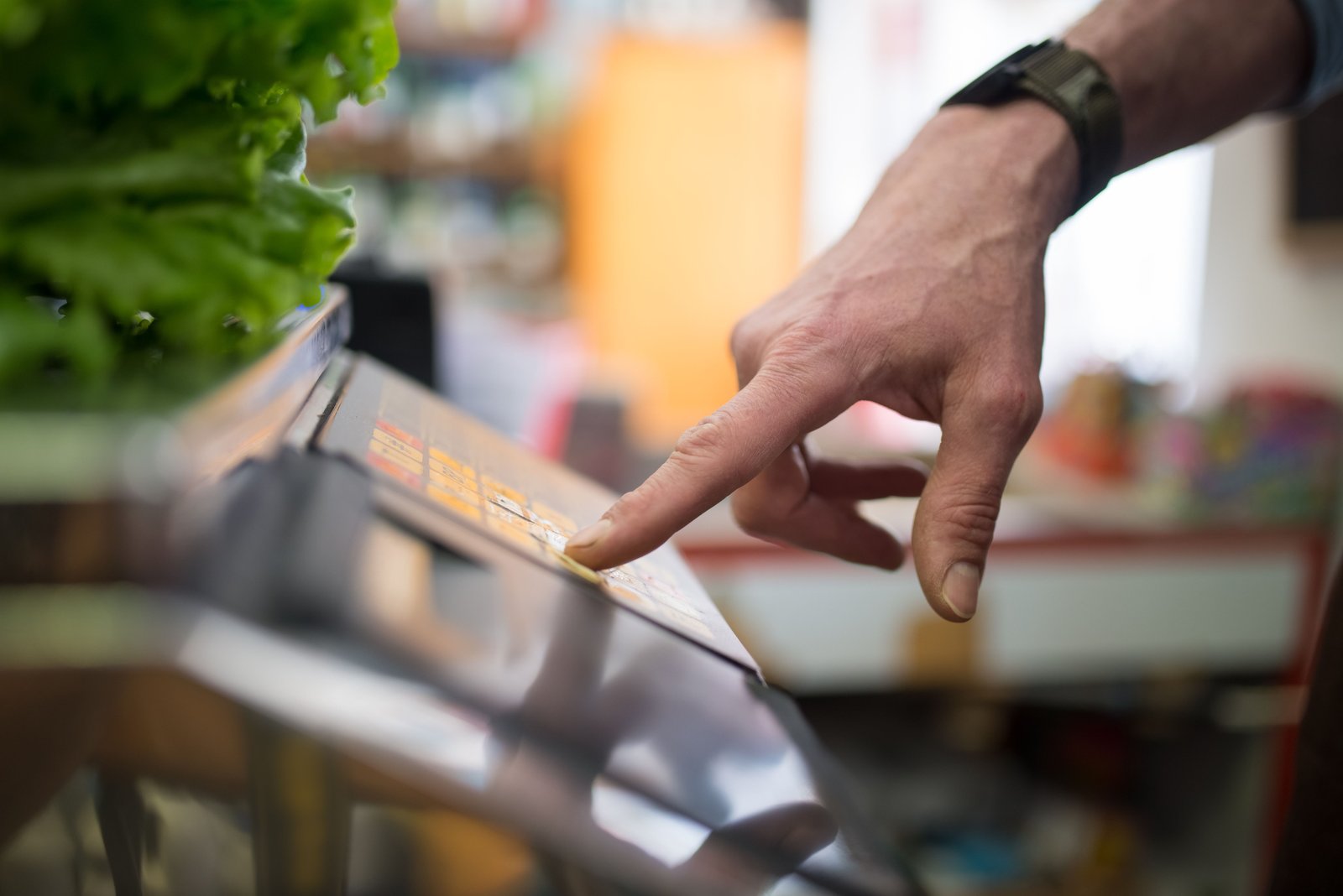
Contactless Checkout Accelerates Convenience
Retailers continue investing in technologies that simplify the payment process.
Modern checkout solutions include:
- Mobile payment systems
- Self-service kiosks
- Contactless payment terminals
- Scan-and-go applications
- Automated checkout technologies
Faster transactions reduce waiting times while improving customer satisfaction. Convenient payment experiences encourage repeat visits.
IoT Sensors Strengthen Store Operations
Connected IoT devices provide retailers with valuable operational information.
Sensors monitor:
- Store traffic
- Environmental conditions
- Equipment performance
- Energy usage
- Security systems
Real-time monitoring enables faster responses to operational issues while supporting more efficient store management. Connected infrastructure improves overall retail performance.
Data Analytics Support Better Decisions
Retailers increasingly rely on advanced analytics to evaluate in-store performance.
Organizations monitor:
- Customer behavior
- Product demand
- Sales trends
- Traffic patterns
- Employee productivity
Comprehensive insights help retailers improve merchandising, staffing, and operational planning. Data-driven decisions strengthen business performance.
Sustainability Becomes Part of Smart Retail
Smart technologies also contribute to more sustainable retail operations.
Retailers utilize connected systems to improve:
- Energy efficiency
- Lighting management
- HVAC optimization
- Waste reduction
- Inventory utilization
Improved resource management supports environmental goals while lowering operating costs. Technology enables both sustainability and efficiency.
Challenges Continue
Despite rapid innovation, retailers continue facing implementation challenges.
These include:
- Technology integration
- Infrastructure investment
- Data privacy
- Employee training
- Cybersecurity requirements
Successful deployment requires long-term digital strategies and collaboration across retail operations, technology teams, and business leadership. Continuous innovation remains essential.
Conclusion
Smart stores are redefining the future of physical retail by combining artificial intelligence, IoT, computer vision, digital signage, smart shelving, and automated checkout into intelligent shopping environments. These technologies enable retailers to improve inventory accuracy, personalize customer experiences, optimize operations, and create more engaging retail spaces while maintaining the convenience consumers increasingly expect.
As retail continues evolving, smart stores will play a vital role in connecting digital innovation with physical shopping, helping businesses strengthen customer relationships, improve operational efficiency, and remain competitive in an increasingly technology-driven marketplace. The continued advancement of connected retail technologies reflects a broader transformation across the industry, where intelligent systems, real-time data, and seamless customer experiences are shaping the next generation of retail excellence.