Exclusive Product Portfolios, Consumer Value, and Strategic Innovation Are Strengthening Retailers' Competitive Position
Private label brands are becoming an increasingly important growth driver for retailers as businesses seek to strengthen customer loyalty, improve profit margins, and differentiate themselves in an increasingly competitive marketplace. Once primarily associated with low-cost alternatives, private label products have evolved into high-quality offerings spanning food and beverages, personal care, apparel, home goods, electronics, health products, and premium lifestyle categories.
Changing consumer preferences, inflationary pressures, and greater demand for value have accelerated the popularity of retailer-owned brands. At the same time, retailers are investing in product innovation, sustainable packaging, quality improvements, and digital marketing to position private labels as trusted alternatives to established national brands.Industry experts believe private label brands will continue playing a strategic role in retail growth by combining affordability, product quality, innovation, and customer trust.
Supermarkets, hypermarkets, convenience stores, specialty retailers, pharmacies, and online marketplaces are expanding exclusive product portfolios to strengthen market positioning while creating unique shopping experiences that cannot be replicated by competitors.Industry experts believe private label brands will continue playing a strategic role in retail growth by combining affordability, product quality, innovation, and customer trust.
Retailers Expand Exclusive Product Strategies
Private label products are becoming central to long-term retail business strategies.
Retailers are introducing exclusive brands across multiple categories, including:
- Food and beverages
- Household essentials
- Personal care
- Health and wellness
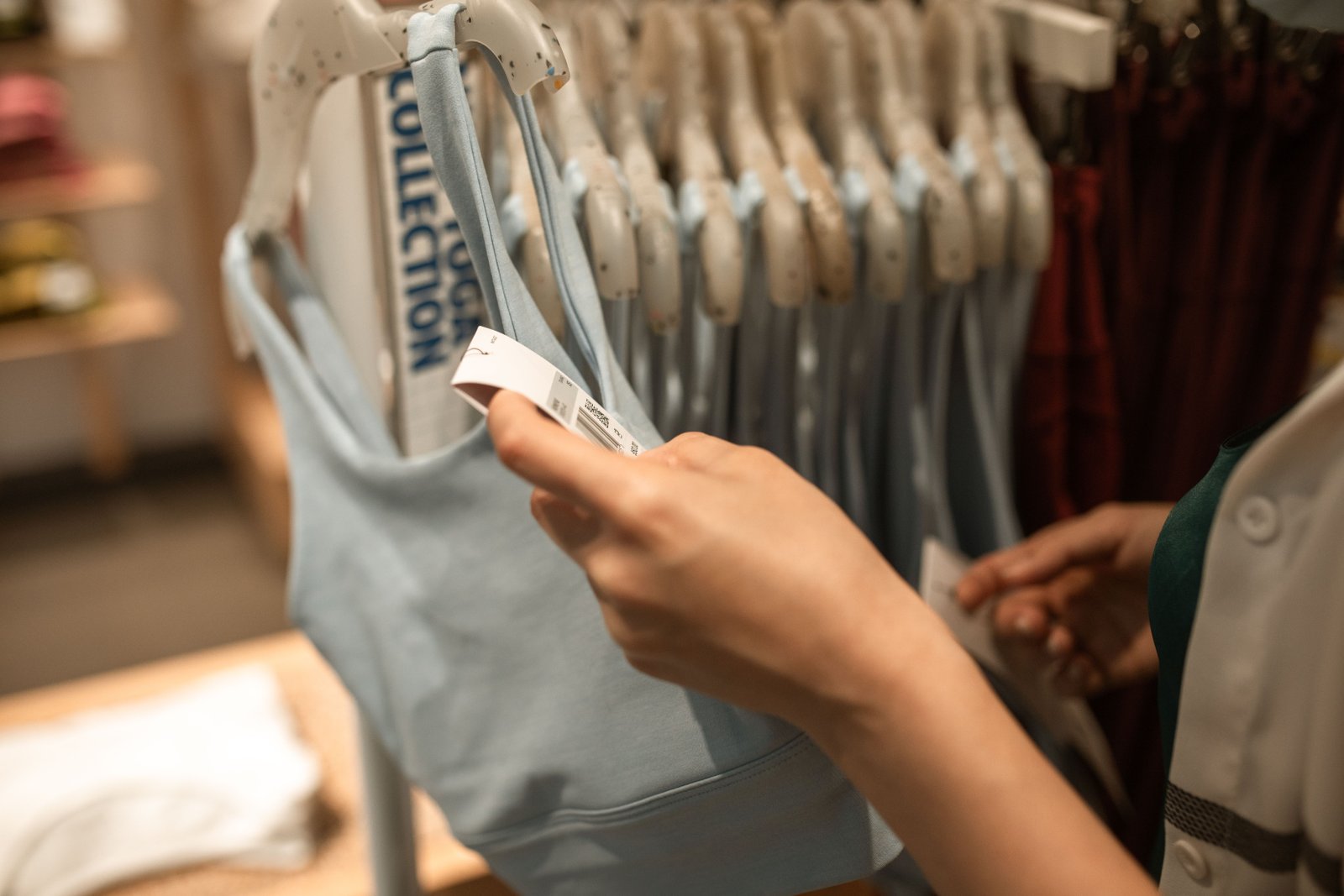
- Fashion
- Home furnishings
Exclusive product offerings help retailers create stronger differentiation while reducing direct price comparisons with competing stores. Brand ownership strengthens long-term competitiveness.
Consumer Demand Drives Private Label Growth
Today's shoppers are increasingly seeking products that deliver both quality and value.
Consumer purchasing decisions are influenced by:
- Product quality
- Competitive pricing
- Brand trust
- Sustainability
- Convenience
- Product innovation
As private label quality continues improving, many consumers are becoming more willing to purchase retailer-owned products alongside established national brands. Changing shopping behavior supports continued market expansion.
Product Innovation Enhances Brand Perception
Retailers are investing significantly in product development to improve the appeal of private label portfolios.
Innovation focuses on:
- Premium product formulations
- Health-conscious options
- Sustainable ingredients
- Modern packaging
- Functional products
Continuous product improvement enables retailers to compete across both value and premium market segments. Innovation strengthens customer confidence.
Artificial Intelligence Supports Product Development
Artificial intelligence is helping retailers better understand evolving consumer preferences.
AI applications include:
- Market trend analysis
- Consumer behavior insights
- Product demand forecasting
- Assortment planning
- Pricing optimization
Advanced analytics enable retailers to develop products that better align with changing customer expectations. Data-driven innovation accelerates product success.
Sustainable Packaging Gains Importance
Environmental responsibility has become a key factor in private label development.
Retailers are increasingly adopting:
- Recyclable packaging
- Reduced plastic usage
- Sustainable materials
- Responsible sourcing
- Environmentally friendly product designs
Sustainability initiatives support both consumer expectations and corporate environmental goals. Responsible packaging strengthens brand reputation.
Digital Commerce Expands Private Label Visibility
E-commerce platforms provide retailers with new opportunities to promote exclusive brands.
Digital channels support:
- Personalized recommendations
- Product education
- Customer reviews
- Targeted promotions
- Loyalty program integration
Enhanced online visibility increases product discovery while strengthening customer engagement. Digital marketing supports brand growth.
Supply Chain Integration Improves Efficiency
Retail-owned brands benefit from closer coordination across sourcing, manufacturing, and distribution.
Retailers optimize:
- Supplier partnerships
- Inventory planning
- Quality assurance
- Logistics operations
- Demand forecasting
Integrated supply chains improve product availability while supporting cost efficiency. Operational excellence enhances overall business performance.
Customer Loyalty Strengthens Long-Term Growth
Exclusive product offerings encourage repeat purchases by providing products available only through a specific retailer.
Private label programs contribute to:
- Higher customer retention
- Increased shopping frequency
- Stronger brand recognition
- Improved customer satisfaction
- Long-term revenue growth
Unique product portfolios strengthen retailer-customer relationships. Customer loyalty remains a strategic advantage.
Data Analytics Improve Category Performance
Retailers increasingly rely on analytics to evaluate private label success.
Organizations monitor:
- Sales performance
- Customer preferences
- Product profitability
- Inventory turnover
- Market trends
Comprehensive reporting supports better product development and merchandising decisions. Analytics enable continuous improvement.
Challenges Continue
Despite strong growth, retailers continue facing several challenges.
These include:
- Maintaining product quality
- Supply chain disruptions
- Consumer perception
- Competitive pricing
- Product innovation requirements
Continued investment in research, supplier collaboration, and customer engagement will remain essential for sustaining private label growth. Strategic brand management supports long-term success.
Conclusion
Private label brands are becoming an increasingly powerful force in the retail industry by enabling businesses to strengthen customer loyalty, improve profitability, differentiate product offerings, and respond more effectively to evolving consumer expectations. Through investments in product innovation, artificial intelligence, sustainable packaging, digital commerce, and integrated supply chain management, retailers are transforming private labels into trusted brands that compete across both value and premium market segments.
As consumer preferences continue evolving, private label strategies will play an increasingly important role in supporting retail growth, operational resilience, and competitive differentiation. The continued expansion of private label brands reflects a broader transformation in retail, where exclusive products, customer-centric innovation, and strategic brand development are helping retailers create lasting value in a highly competitive global marketplace.