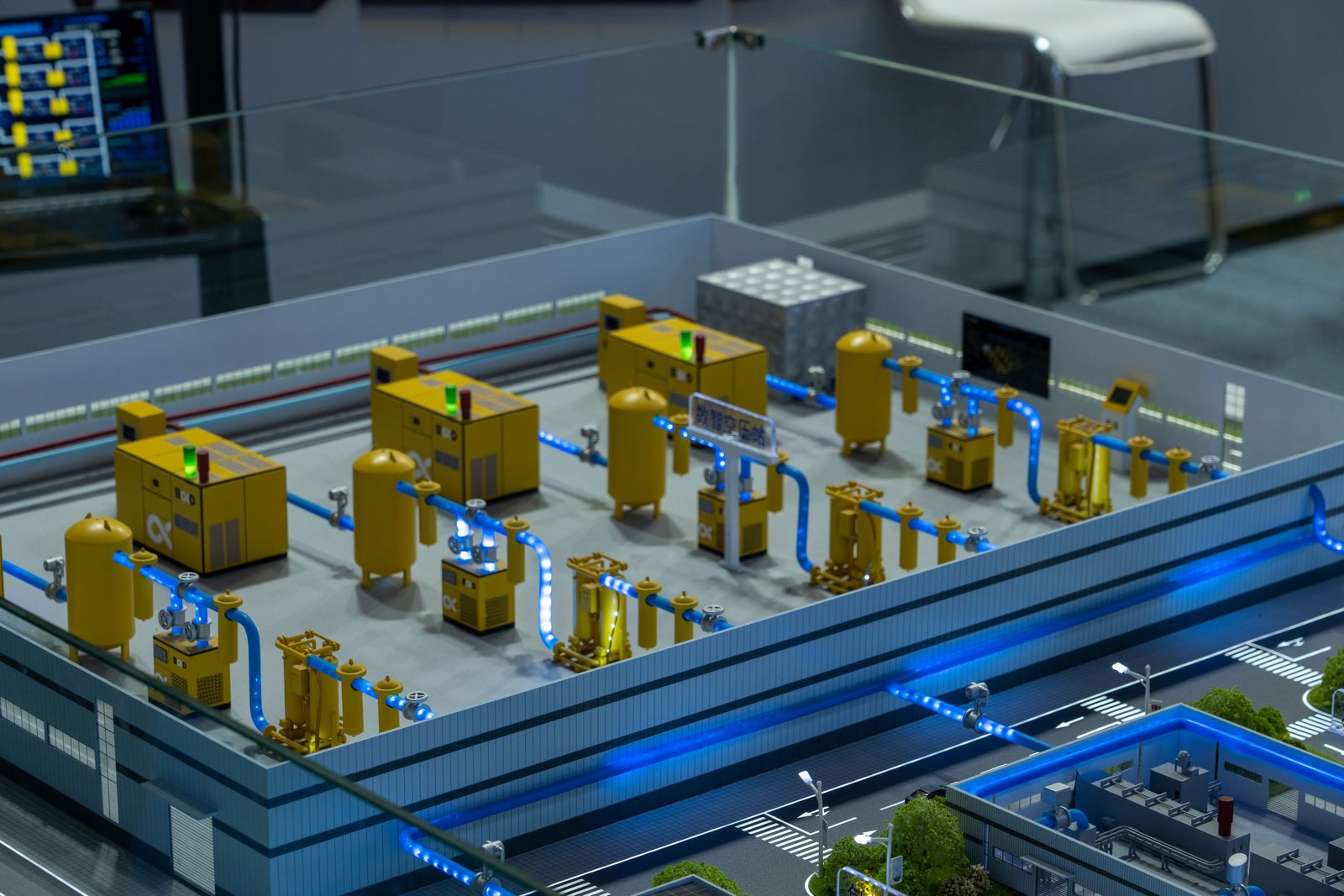
Artificial Intelligence, Connected Machines, and Intelligent Automation Are Transforming Production Efficiency and Industrial Competitiveness
Manufacturing is entering a new era of digital transformation as smart factories redefine how products are designed, produced, monitored, and delivered. Powered by artificial intelligence (AI), the Industrial Internet of Things (IIoT), cloud computing, robotics, advanced analytics, and real-time data, smart factories are enabling manufacturers to improve productivity, reduce operational costs, enhance product quality, and strengthen supply chain resilience.
Unlike traditional manufacturing facilities that rely heavily on manual oversight and isolated production systems, smart factories connect machines, equipment, production lines, and enterprise software into a unified digital ecosystem. Continuous communication between systems allows manufacturers to monitor operations in real time, optimize production schedules, identify inefficiencies, and respond quickly to changing business requirements.
Manufacturers across automotive, aerospace, electronics, pharmaceuticals, consumer goods, food processing, and industrial equipment sectors are investing heavily in smart factory technologies to remain competitive in an increasingly dynamic global marketplace. Industry experts believe smart factories will become the foundation of next-generation manufacturing by combining intelligent automation with data-driven decision-making to create more agile, efficient, and sustainable production environments.
Manufacturing Enters the Digital Age
Manufacturing operations have evolved significantly over the past decade. Digital technologies are replacing fragmented production systems with integrated manufacturing environments that improve operational visibility and efficiency.
Modern smart factories incorporate:
- Artificial intelligence
- Industrial Internet of Things (IIoT)
- Robotics
- Cloud computing
- Advanced analytics
- Automated production systems
These technologies work together to improve coordination across every stage of manufacturing. Digital transformation is reshaping industrial production worldwide.
Connected Machines Enable Real-Time Operations
A defining characteristic of smart factories is the ability of machines and equipment to communicate continuously.
Connected production systems monitor:
- Equipment performance
- Production output
- Machine utilization
- Material flow
- Energy consumption
Real-time information enables manufacturers to identify issues quickly and optimize production processes without unnecessary delays. Improved operational visibility strengthens manufacturing performance.
Artificial Intelligence Optimizes Production
Artificial intelligence is becoming an essential component of modern manufacturing. AI analyzes production data to identify patterns that support operational improvements.
Applications include:
- Production scheduling
- Process optimization
- Quality monitoring
- Demand forecasting
- Resource planning
By processing large volumes of operational data, AI helps manufacturers make faster and more informed decisions. Intelligent automation continues improving production efficiency.
Automation Enhances Productivity
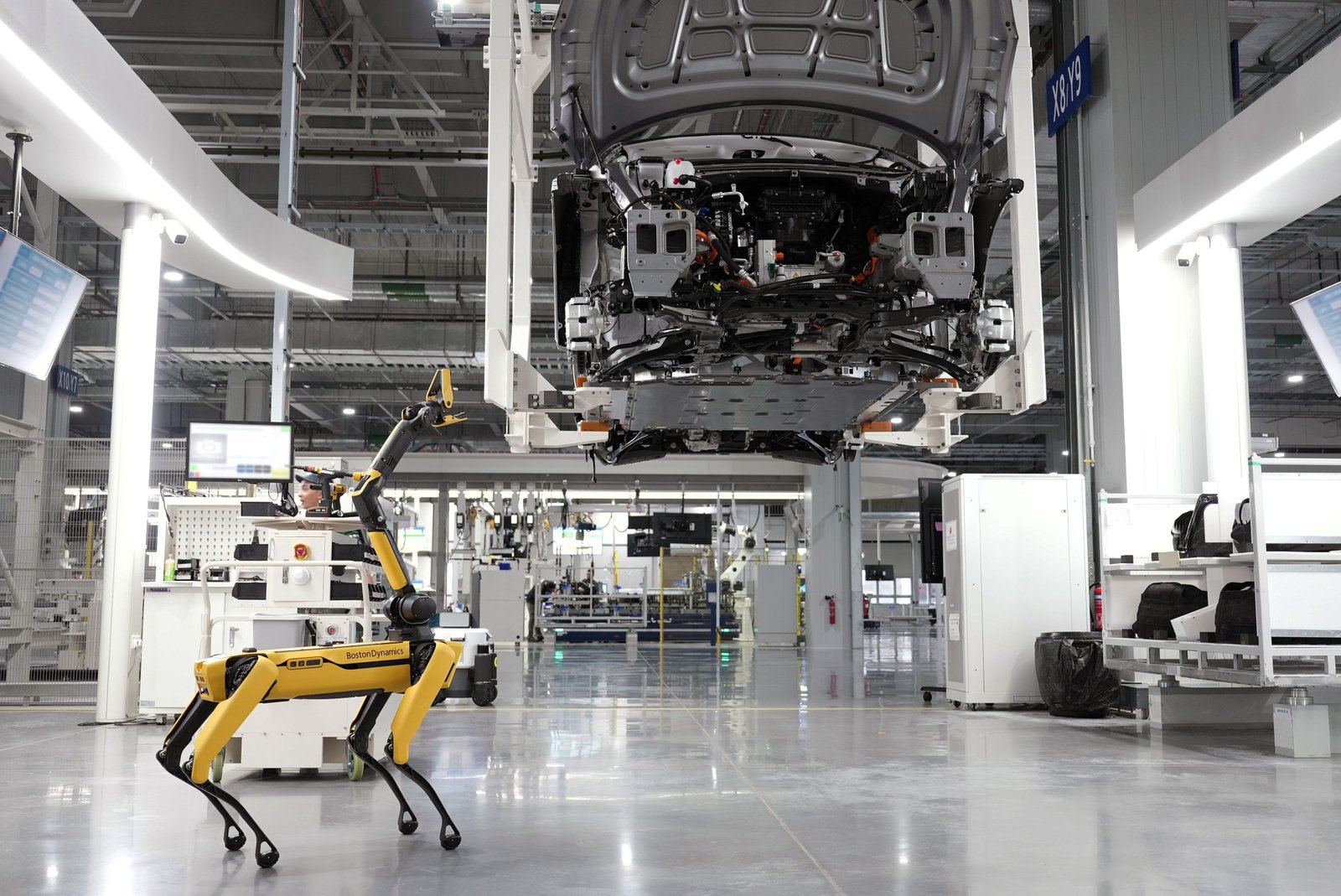
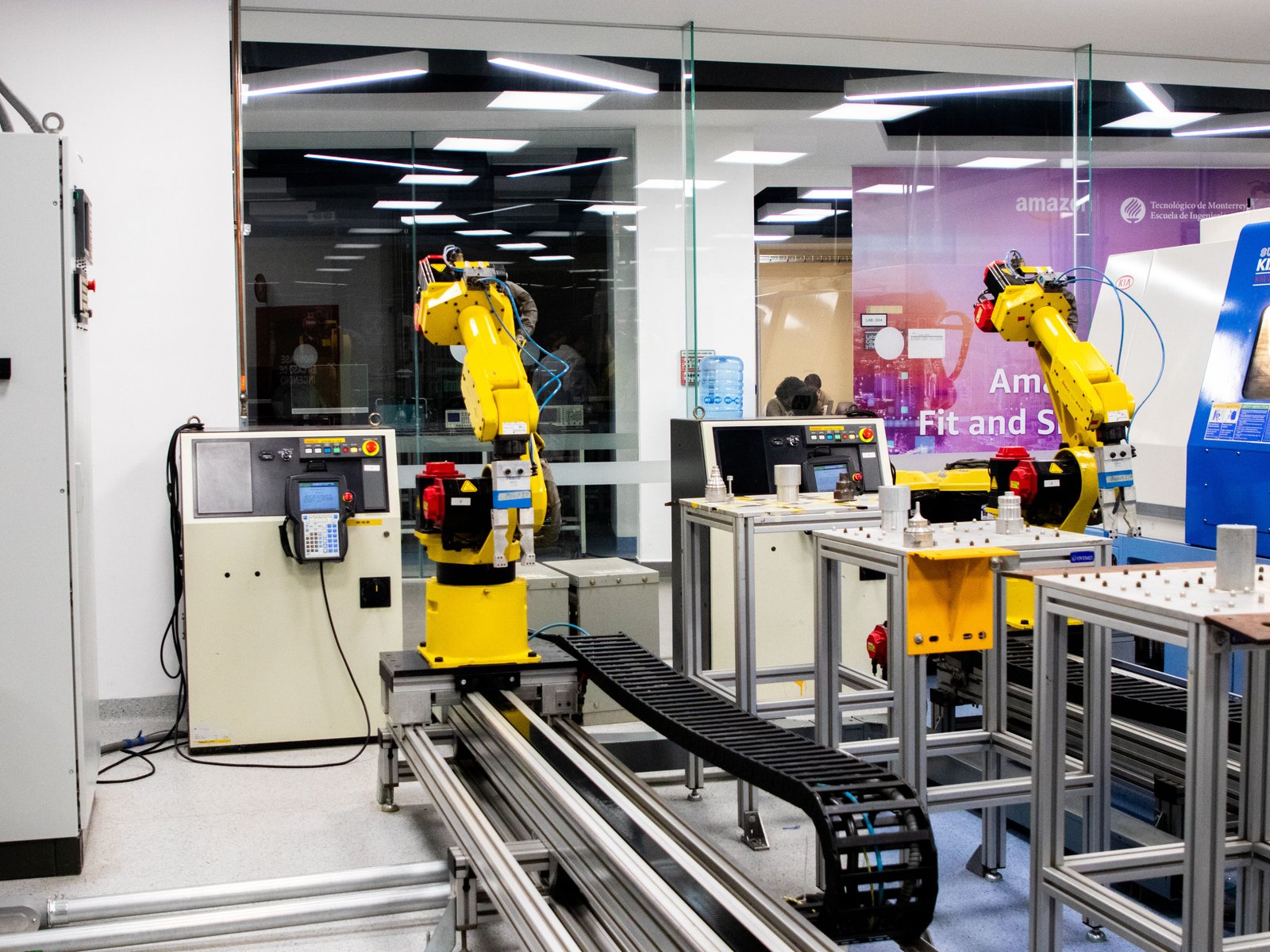
Smart factories increasingly rely on automation to perform repetitive and precision-based manufacturing tasks.
Automated systems support:
- Material handling
- Assembly operations
- Packaging
- Inspection
- Warehouse movement
Automation improves production consistency while reducing manual intervention in routine activities. Employees can focus on higher-value responsibilities such as process optimization and innovation. Operational efficiency continues increasing through intelligent automation.
Data Analytics Improve Decision-Making
Modern manufacturing generates enormous amounts of operational information. Advanced analytics transform this data into actionable business insights.
Manufacturers evaluate:
- Production efficiency
- Equipment utilization
- Product quality
- Operational costs
- Supply chain performance
Real-time dashboards enable managers to monitor key performance indicators and respond quickly to operational changes. Data-driven manufacturing supports continuous improvement.
Smart Quality Control Reduces Defects
Maintaining consistent product quality remains a priority across manufacturing industries.
Smart factories integrate digital inspection technologies that support:
- Automated quality verification
- Process monitoring
- Defect identification
- Performance analysis
- Production traceability
Early detection of quality issues reduces waste while improving customer satisfaction. Digital quality management strengthens manufacturing excellence.
Workforce Collaboration Evolves
Technology is changing the way manufacturing employees interact with production systems. Workers increasingly collaborate with intelligent machines through digital tools that improve productivity and workplace safety.
Modern manufacturing environments support:
- Digital work instructions
- Collaborative robotics
- Mobile production systems
- Real-time operational information
- Skills development
Technology complements human expertise rather than replacing it. Workforce transformation remains central to smart manufacturing.
Energy Efficiency Supports Sustainable Manufacturing
Smart factories help manufacturers optimize resource utilization while reducing environmental impact.
Connected systems monitor:
- Electricity consumption
- Equipment efficiency
- Resource utilization
- Waste generation
- Production performance
Real-time monitoring enables organizations to identify opportunities for greater efficiency. Sustainable manufacturing practices support both environmental and financial objectives.
Supply Chain Integration Strengthens Operations
Manufacturing performance increasingly depends on strong coordination across the supply chain.
Smart factories integrate production systems with:
- Inventory management
- Procurement platforms
- Warehouse operations
- Logistics providers
- Enterprise planning systems
Improved connectivity enables manufacturers to respond more effectively to changes in demand and material availability. Integrated supply chains strengthen operational resilience.
Cybersecurity Protects Digital Manufacturing
As factories become increasingly connected, cybersecurity has become a strategic priority.
Manufacturers invest in:
- Network security
- Access management
- Data protection
- Secure industrial systems
- Continuous monitoring
Protecting digital infrastructure helps ensure production continuity while safeguarding sensitive operational information. Cyber resilience supports reliable manufacturing operations.
Challenges to Smart Factory Adoption
Despite significant progress, manufacturers continue facing challenges during digital transformation.
These include:
- Legacy equipment integration
- Workforce training
- Technology investment
- Cybersecurity requirements
- Data interoperability
Successful implementation requires long-term planning, executive commitment, and collaboration across engineering, operations, and information technology teams. Continuous innovation remains essential for sustained competitiveness.
Conclusion
Smart factories are transforming manufacturing by integrating artificial intelligence, connected machines, automation, cloud technologies, and advanced analytics into highly intelligent production environments. These technologies are enabling manufacturers to improve operational efficiency, strengthen quality management, optimize resource utilization, and build more agile and resilient supply chains.
As industrial organizations continue investing in digital transformation, smart factories will play an increasingly important role in supporting productivity, sustainability, and long-term competitiveness. The continued evolution of intelligent manufacturing reflects a broader shift toward data-driven industrial operations, where technology, connectivity, and human expertise are working together to redefine the future of global manufacturing.