Healthy Buildings, Biophilic Design, and Smart Wellness Technologies Are Transforming Residential and Commercial Real Estate
Health and well-being have become defining priorities in modern real estate development as property owners, developers, architects, and corporate occupiers increasingly recognize the relationship between the built environment and human wellness. Beyond traditional considerations such as location and aesthetics, today's projects are being designed to enhance physical health, mental well-being, comfort, and productivity through wellness-focused architecture and intelligent building technologies.
Wellness-centric real estate integrates natural lighting, superior indoor air quality, energy-efficient ventilation, biophilic design, acoustic comfort, fitness amenities, green spaces, and smart environmental controls into residential, commercial, hospitality, and mixed-use developments. These features not only improve occupant experiences but also contribute to higher property values, stronger tenant retention, and improved long-term asset performance.
Developers across office, residential, healthcare, education, hospitality, and retail sectors are investing in wellness-oriented design principles that create healthier and more sustainable environments while meeting evolving consumer and workplace expectations. Industry experts believe wellness-centric developments will become a standard feature of future real estate projects as demand continues growing for spaces that promote healthier lifestyles and better overall quality of life.
Wellness Becomes a Core Design Principle
Modern real estate projects increasingly prioritize occupant well-being alongside functionality and aesthetics. Developers are integrating wellness features into projects from the earliest planning stages.
Common design priorities include:
- Natural daylight
- Indoor air quality
- Comfortable temperatures
- Noise reduction
- Green spaces
- Active lifestyle amenities
These elements contribute to healthier environments for residents, employees, and visitors. Wellness has become a competitive differentiator.
Biophilic Design Connects Occupants with Nature
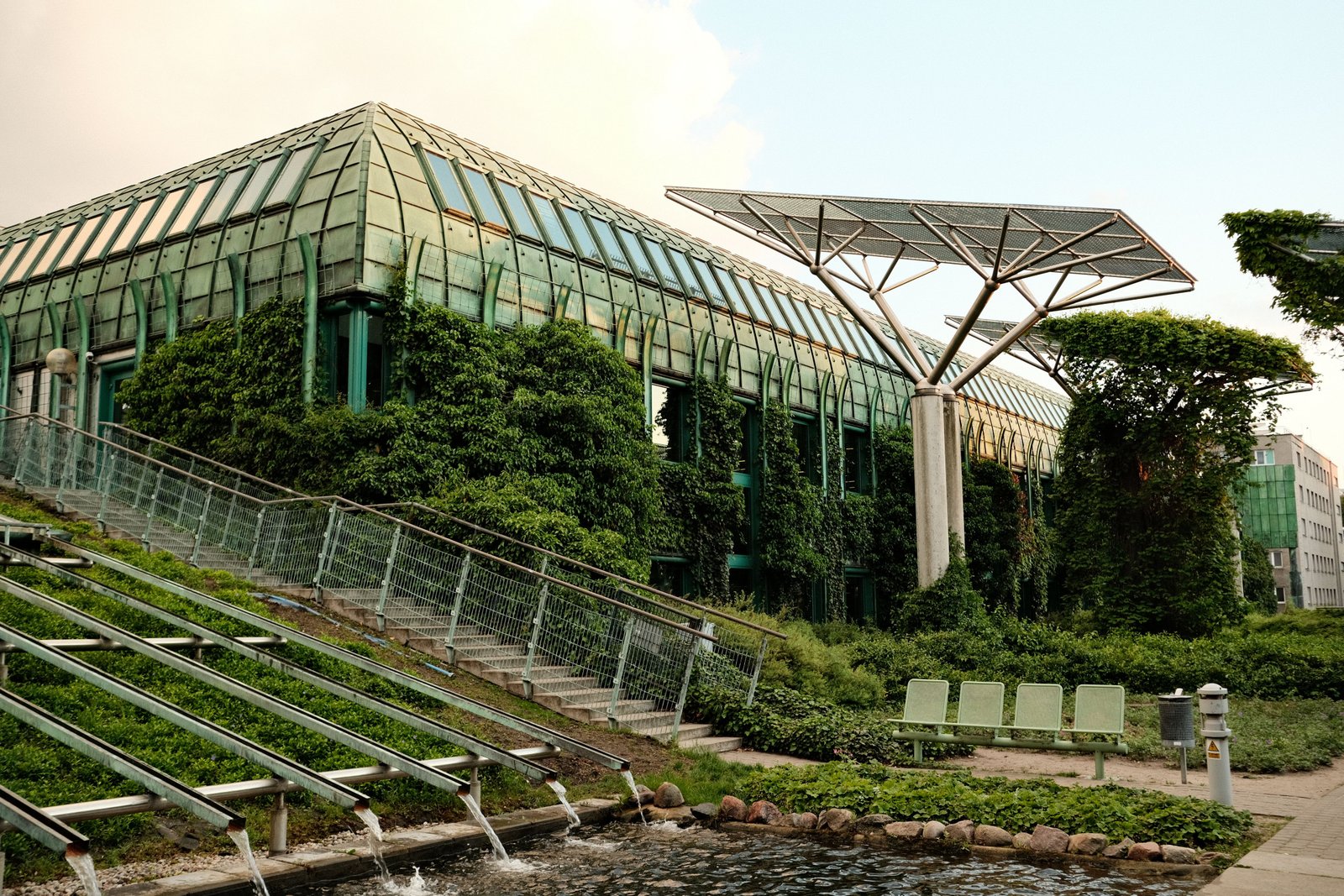
Biophilic design is gaining widespread adoption across residential and commercial developments.
Architects incorporate natural elements through:
- Indoor plants
- Living walls
- Landscaped courtyards
- Water features
- Natural materials
- Outdoor terraces
Connecting people with nature helps create more relaxing, visually appealing, and productive environments. Nature-inspired architecture supports overall well-being.
Indoor Air Quality Receives Greater Attention
Air quality has become one of the most important considerations in building design.
Developers invest in:
- High-efficiency ventilation systems
- Advanced air filtration
- Fresh air circulation
- Air quality monitoring
- Low-emission building materials
Improved indoor environments contribute to occupant comfort while supporting healthier living and working conditions. Healthy buildings begin with clean air.
Smart Building Technologies Enhance Comfort
Digital technologies allow buildings to adapt to occupant needs more effectively.
Smart systems manage:
- Indoor temperature
- Lighting levels
- Ventilation
- Humidity
- Occupancy patterns
- Energy consumption
Automated environmental controls improve comfort while optimizing operational efficiency. Technology supports personalized wellness experiences.
Flexible Spaces Improve Work-Life Balance
Modern developments increasingly include flexible environments that accommodate changing lifestyles and work patterns.
Popular amenities include:
- Shared workspaces
- Wellness lounges
- Fitness centers
- Meditation rooms
- Outdoor collaboration areas
Flexible spaces encourage productivity while supporting physical and mental well-being. Adaptable environments meet evolving user expectations.
Sustainability and Wellness Work Together
Environmental sustainability and wellness increasingly complement one another in modern real estate.
Developers prioritize:
- Energy-efficient systems
- Renewable energy integration
- Water conservation
- Sustainable construction materials
- Waste reduction
Environmentally responsible buildings often provide healthier indoor conditions while lowering long-term operating costs. Sustainable design enhances overall property performance.
Wellness Amenities Increase Property Appeal
Residential and commercial tenants increasingly evaluate wellness features when selecting properties.
Developments now commonly include:
- Walking trails
- Fitness facilities
- Rooftop gardens
- Cycling infrastructure
- Community green spaces
These amenities improve lifestyle experiences while strengthening property competitiveness. Wellness contributes to long-term tenant satisfaction.
Data Analytics Improve Building Performance
Smart buildings generate valuable operational data that helps property managers continuously improve performance.
Analytics monitor:
- Air quality
- Energy efficiency
- Occupancy patterns
- Environmental comfort
- Maintenance requirements
Data-driven management supports healthier buildings while improving operational decision-making. Continuous monitoring enhances building quality.
b
Investors Recognize Long-Term Value
Institutional investors increasingly consider wellness-focused developments attractive long-term assets.
Benefits include:
- Higher tenant retention
- Stronger occupancy rates
- Increased property value
- Improved brand reputation
- Long-term operational efficiency
Healthy buildings contribute to resilient investment portfolios while supporting sustainable urban development. Wellness creates lasting commercial value.
Challenges Continue
Despite growing demand, developers continue facing implementation challenges.
These include:
- Higher initial investment
- Design complexity
- Technology integration
- Performance measurement
- Ongoing maintenance
Continued innovation, collaboration, and research will help expand the adoption of wellness-focused real estate across global markets. Strategic planning remains essential for successful implementation.
Conclusion
Wellness-centric real estate is redefining how buildings are designed, developed, and managed by placing human health, comfort, and well-being at the center of modern architecture. Through investments in biophilic design, intelligent building technologies, improved indoor air quality, flexible amenities, and sustainable infrastructure, developers are creating environments that support healthier lifestyles while improving long-term property performance.
As expectations continue evolving across residential and commercial markets, wellness-oriented developments will play an increasingly important role in shaping the future of real estate. The continued growth of wellness-centric design reflects a broader transformation in the industry, where healthy environments, sustainability, and digital innovation are working together to create buildings that deliver lasting value for occupants, investors, and communities.