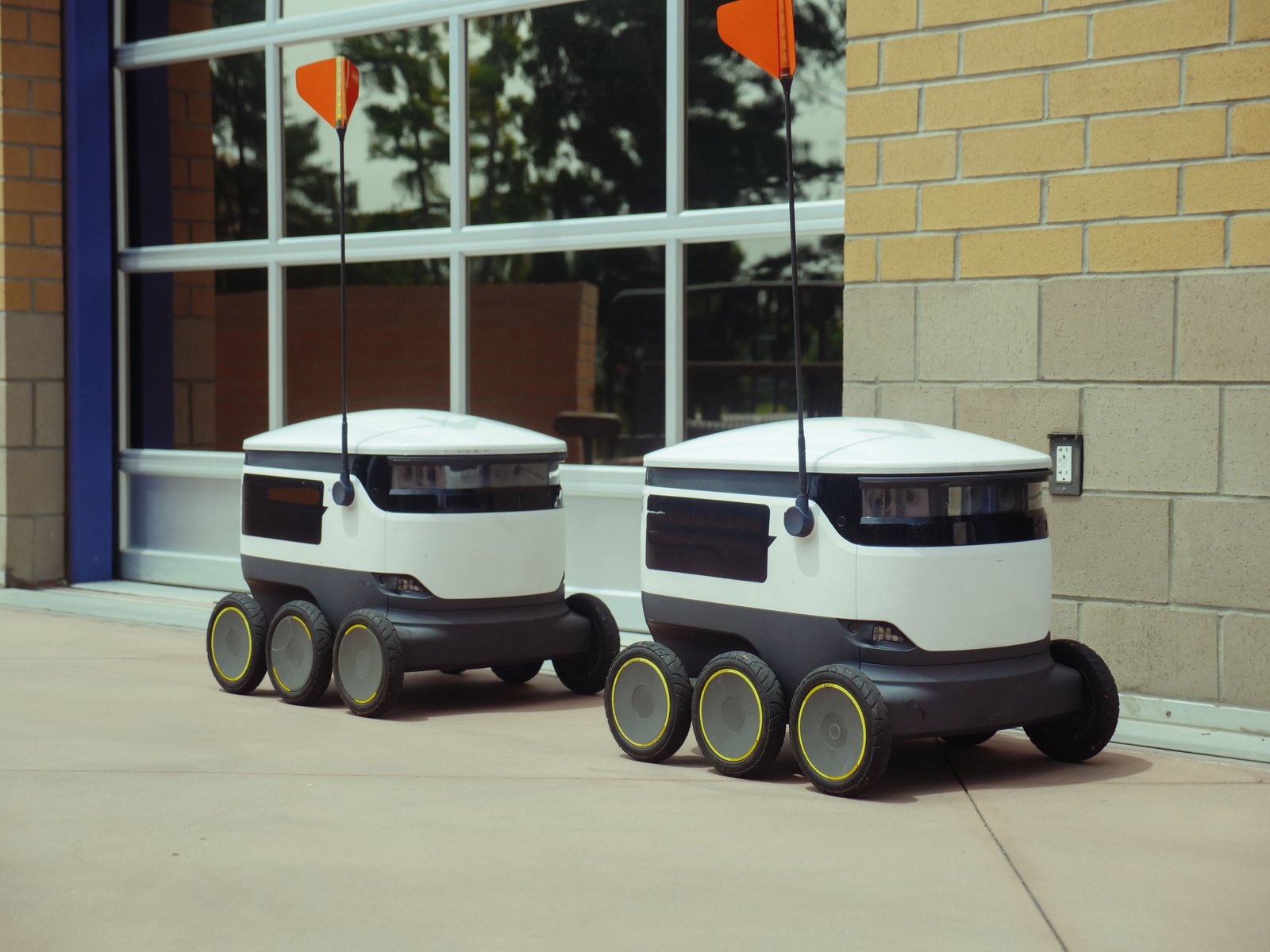
Intelligent Autonomous Systems Are Transforming Business Operations by Automating Complex Workflows and Enhancing Decision-Making
Artificial intelligence is entering a new phase of enterprise adoption as AI agents become one of the most significant innovations reshaping business operations. Unlike traditional AI systems that primarily generate content or answer questions, AI agents are capable of performing complex, multi-step tasks with limited human intervention. By combining reasoning capabilities, workflow automation, data analysis, and integration with enterprise software, AI agents are enabling organizations to improve productivity, accelerate decision-making, and streamline operations across multiple industries.
Businesses worldwide are increasingly deploying AI agents to assist with customer service, software development, financial analysis, supply chain management, marketing, human resources, healthcare administration, and project coordination. These intelligent systems can gather information, analyze multiple data sources, execute predefined actions, and continuously learn from feedback, making them valuable digital collaborators rather than simple automation tools.
Technology companies are investing heavily in agent-based AI platforms, viewing them as the next evolution of enterprise software. Rather than replacing employees, many organizations are using AI agents to reduce repetitive work, improve efficiency, and allow professionals to focus on strategic decision-making and creative problem-solving.Industry analysts believe AI agents will become one of the defining enterprise technologies of the coming decade as businesses continue integrating intelligent automation into daily operations.
AI Evolves Beyond Traditional Automation
Early automation technologies focused on repetitive and rule-based tasks.Modern AI agents operate at a much higher level of intelligence.
They can:
- Understand complex instructions
- Analyze large datasets
- Execute multiple connected tasks
- Communicate with different software systems
- Adapt to changing business requirements
Unlike conventional automation tools, AI agents can make contextual decisions based on available information. This flexibility enables businesses to automate more sophisticated workflows that previously required human supervision. The evolution from task automation to intelligent assistance marks a significant milestone in enterprise technology.
Businesses Adopt AI Agents Across Departments
Organizations are deploying AI agents in nearly every business function.
Common enterprise applications include:
- Customer support
- Sales assistance
- Human resources
- Marketing automation
- Finance operations
- IT management
AI agents help employees complete routine administrative work more efficiently while improving response times and operational consistency. Businesses increasingly view these systems as productivity enhancers rather than workforce replacements. Cross-functional adoption continues expanding as organizations identify new opportunities for intelligent automation.
Customer Service Experiences Improve
Customer support remains one of the fastest-growing use cases for AI agents.
Modern systems can:
- Answer customer inquiries
- Process service requests
- Schedule appointments
- Resolve common issues
- Escalate complex cases
Unlike earlier chatbots, AI agents can maintain more natural conversations while understanding customer intent more accurately. Businesses benefit from faster response times and improved customer satisfaction. Human support teams can focus on complex cases requiring empathy, negotiation, or specialized expertise.
Software Development Gains Speed
Technology companies are increasingly integrating AI agents into software engineering workflows.
These systems assist developers by:
- Writing code
- Identifying software bugs
- Reviewing code quality
- Creating documentation
- Testing applications
Rather than replacing developers, AI agents accelerate repetitive programming tasks while improving productivity. Engineering teams can devote more attention to architecture, innovation, and problem-solving. Software development is becoming one of the most AI-assisted professions.
Intelligent Decision Support Expands
AI agents provide decision support by analyzing large volumes of business information.
Applications include:
- Financial forecasting
- Market analysis
- Supply chain planning
- Risk assessment
- Business reporting
Executives receive faster access to relevant insights that support strategic planning. Data-driven decision-making becomes more accessible as AI systems organize complex information into actionable recommendations. Organizations increasingly rely on AI to improve planning accuracy and operational visibility.
Enterprise Integration Accelerates
Modern AI agents connect with multiple enterprise platforms simultaneously.
These integrations may include:
- Customer relationship management systems
- Enterprise resource planning platforms
- Collaboration software
- Email systems
- Project management tools
By accessing information across multiple business applications, AI agents eliminate manual data transfers and improve workflow efficiency. Integrated enterprise ecosystems enhance collaboration while reducing administrative overhead. Technology interoperability is becoming essential for maximizing AI value.
Artificial Intelligence Supports Knowledge Management
Large organizations generate significant volumes of information every day. AI agents help employees locate and organize knowledge more effectively.
Capabilities include:
- Document search
- Policy retrieval
- Meeting summaries
- Knowledge recommendations
- Information classification
Employees spend less time searching for information and more time applying it.Improved knowledge accessibility contributes to higher productivity throughout organizations.
Security and Governance Remain Critical
As AI agents gain access to enterprise systems, businesses are strengthening governance frameworks.
Key priorities include:
- Data privacy
- Access control
- Regulatory compliance
- Human oversight
- Audit capabilities
Organizations are implementing policies to ensure AI systems operate responsibly and transparently. Maintaining trust remains essential for successful enterprise AI adoption. Responsible governance is becoming a major focus for technology leaders.
Workforce Roles Continue to Evolve
Rather than eliminating jobs, AI agents are reshaping how work is performed. Employees increasingly collaborate with intelligent systems that automate repetitive activities while supporting complex decision-making.
Organizations are investing in workforce development through:
- AI literacy programs
- Digital skills training
- Change management initiatives
- Continuous learning
Professionals who effectively collaborate with AI tools are expected to become increasingly valuable. The future workplace will emphasize human creativity supported by intelligent technology.
Investment Continues Accelerating
Technology providers continue expanding investments in enterprise AI platforms.
Innovation areas include:
- Autonomous reasoning
- Multi-agent collaboration
- Industry-specific AI solutions
- Workflow orchestration
- Enterprise security
Businesses across industries are evaluating how AI agents can improve productivity while supporting long-term digital transformation strategies. Enterprise adoption continues accelerating as technology capabilities mature.
Challenges Remain
Despite rapid progress, organizations face several implementation challenges.
These include:
- Integration complexity
- Data quality
- Employee adoption
- Regulatory compliance
- Cybersecurity risks
Businesses must ensure AI systems complement existing workflows while maintaining transparency and accountability. Careful planning remains essential for successful deployment.
Conclusion
AI agents represent one of the most important developments in enterprise technology, enabling organizations to automate complex workflows, improve productivity, and enhance decision-making across multiple business functions. Unlike earlier automation tools, AI agents combine reasoning, learning, and software integration capabilities to deliver intelligent assistance that supports employees rather than simply replacing repetitive tasks.
As businesses continue investing in digital transformation, AI agents are expected to become standard components of enterprise operations, helping organizations improve efficiency, innovation, and customer experiences. The rapid evolution of agent-based artificial intelligence signals a new era of enterprise computing, where intelligent digital collaborators work alongside human professionals to drive business performance and shape the future of work.