Integrated Communities, Adaptive Spaces, and Smart Urban Planning Are Redefining Modern Property Development
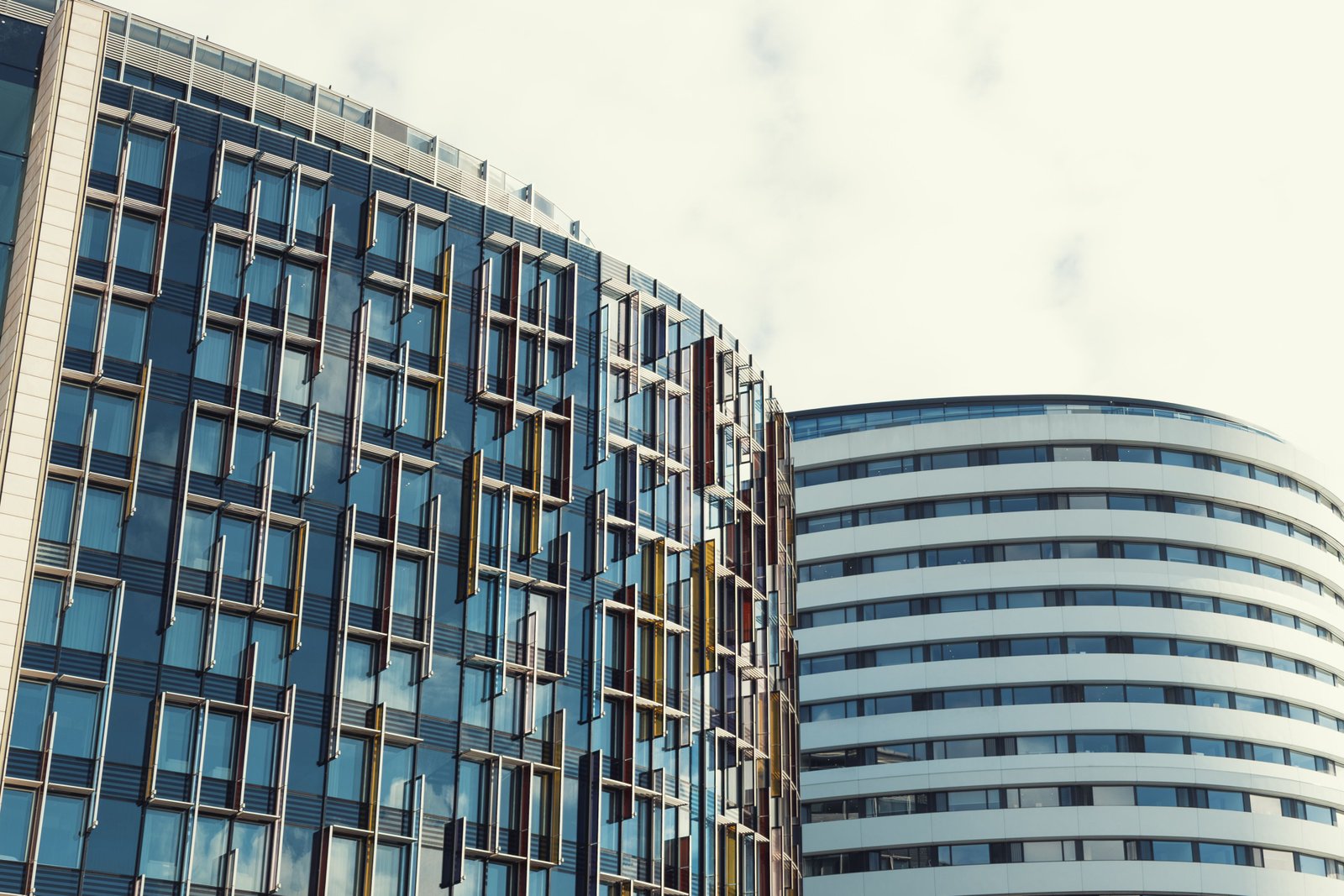
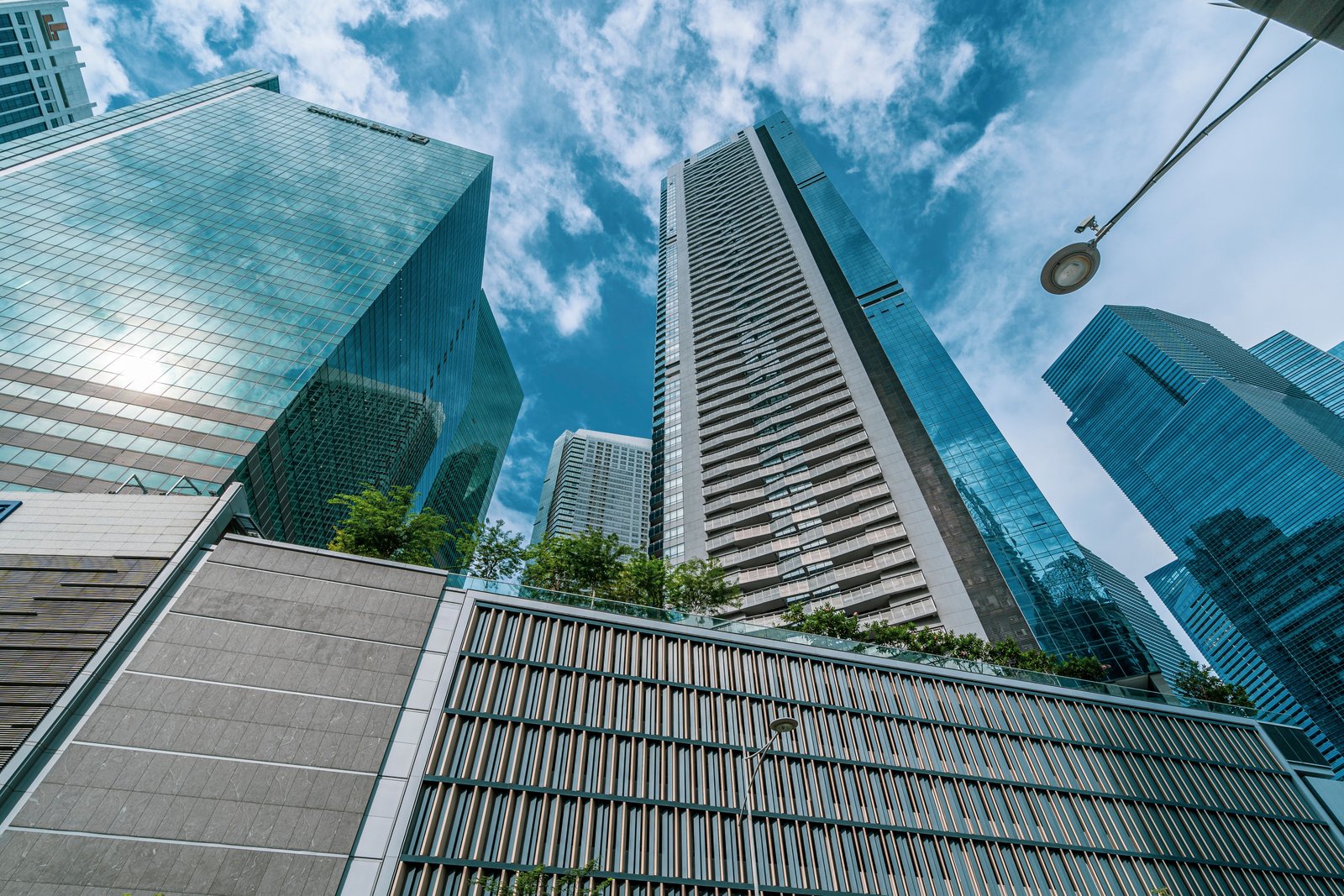
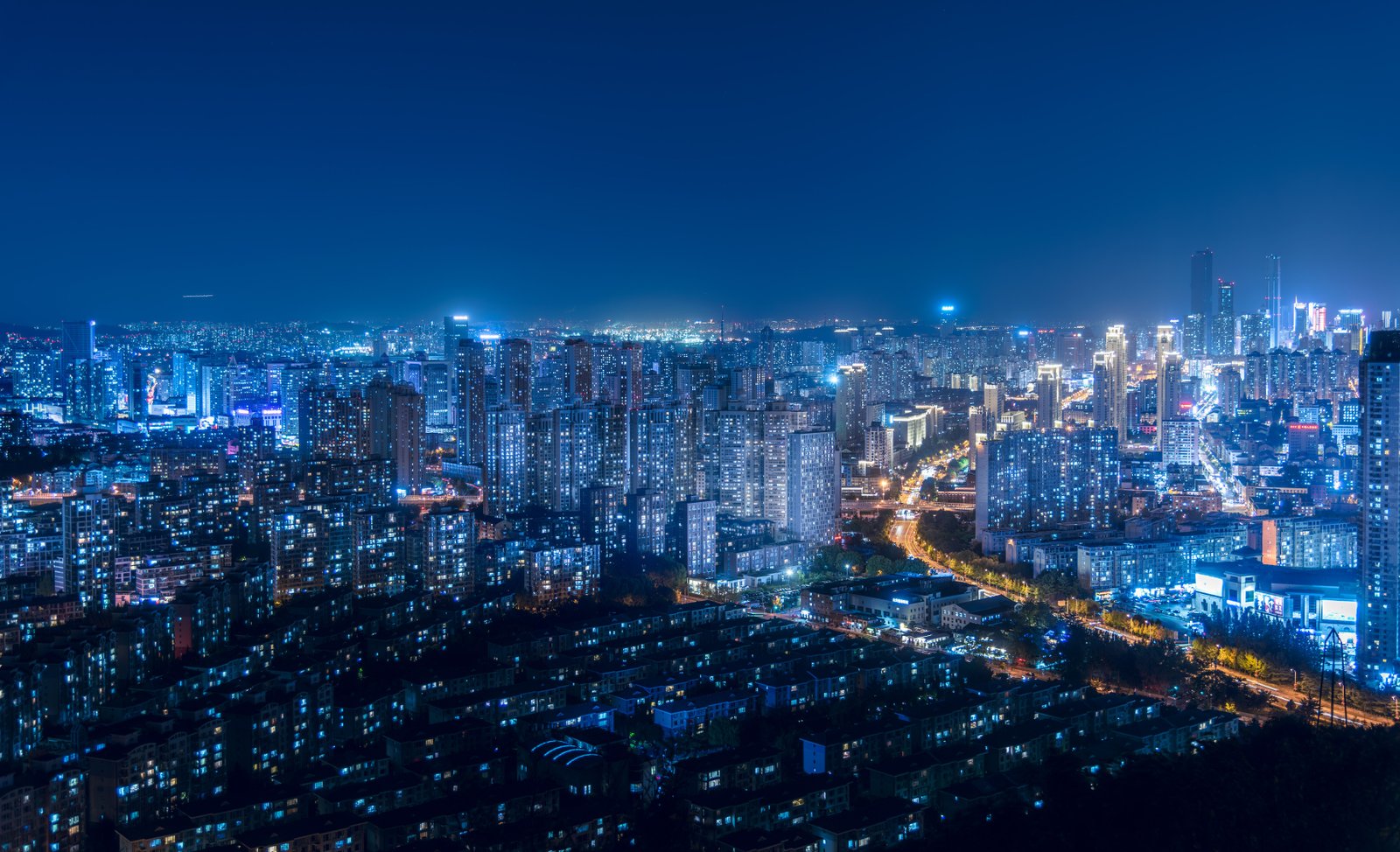
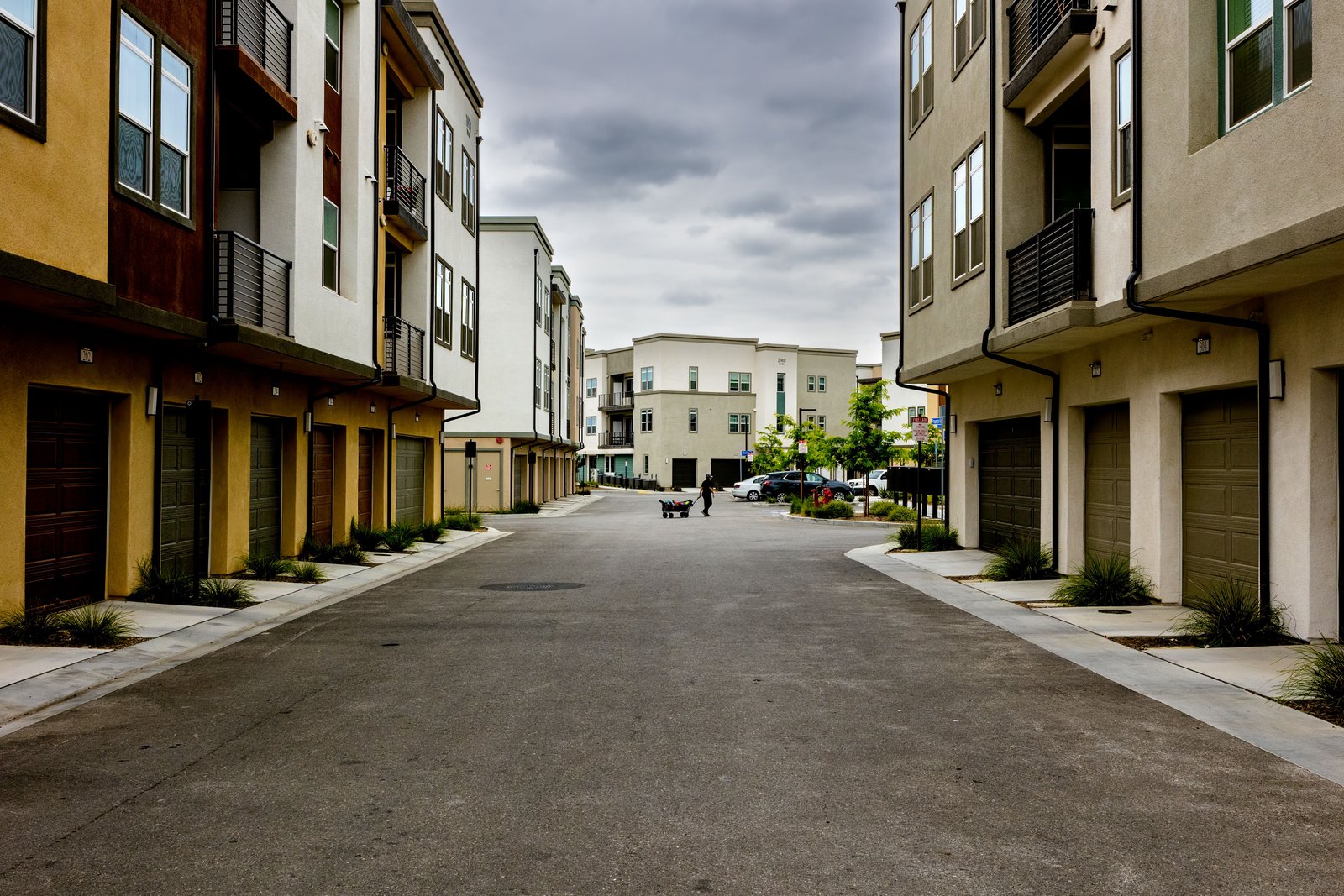
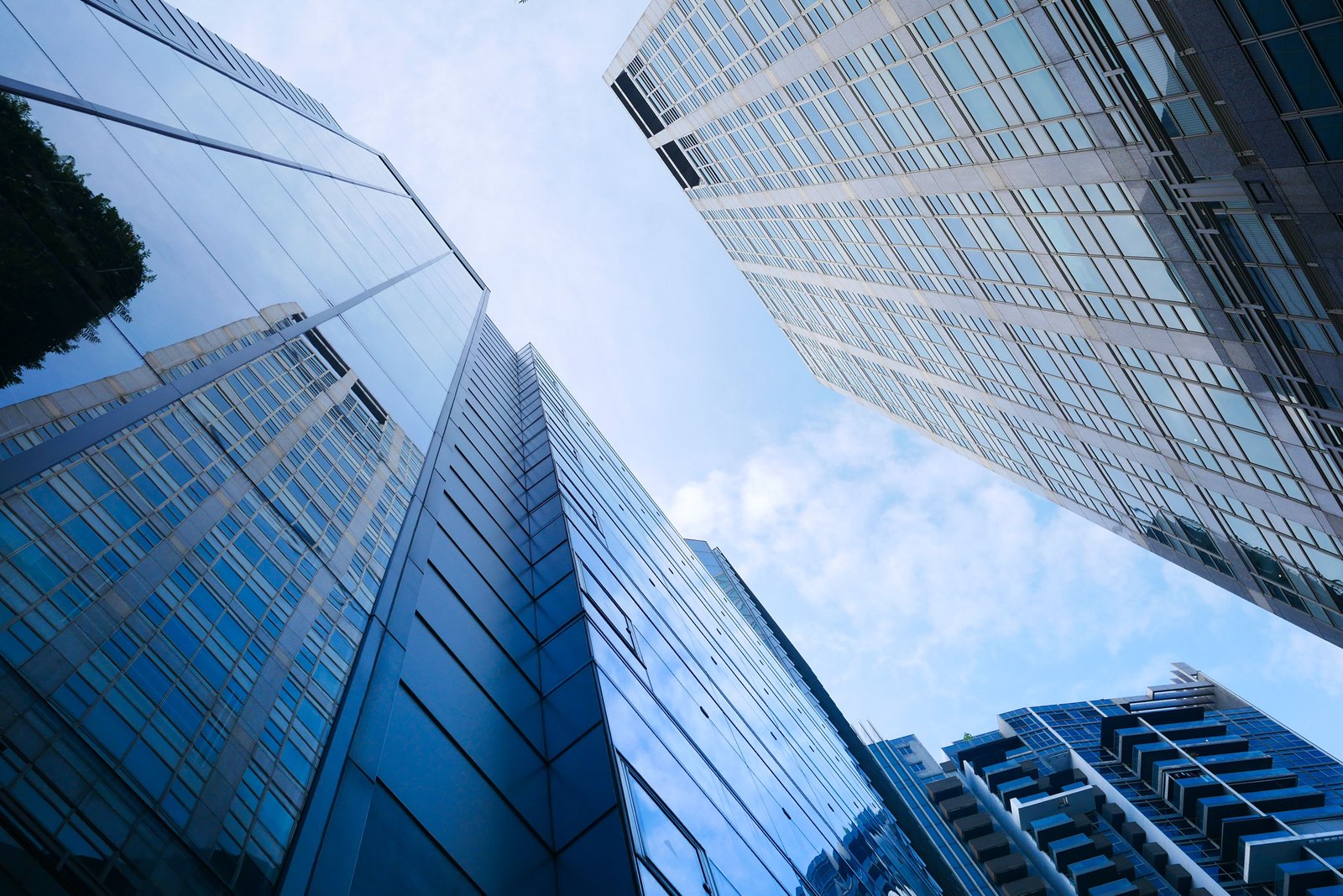
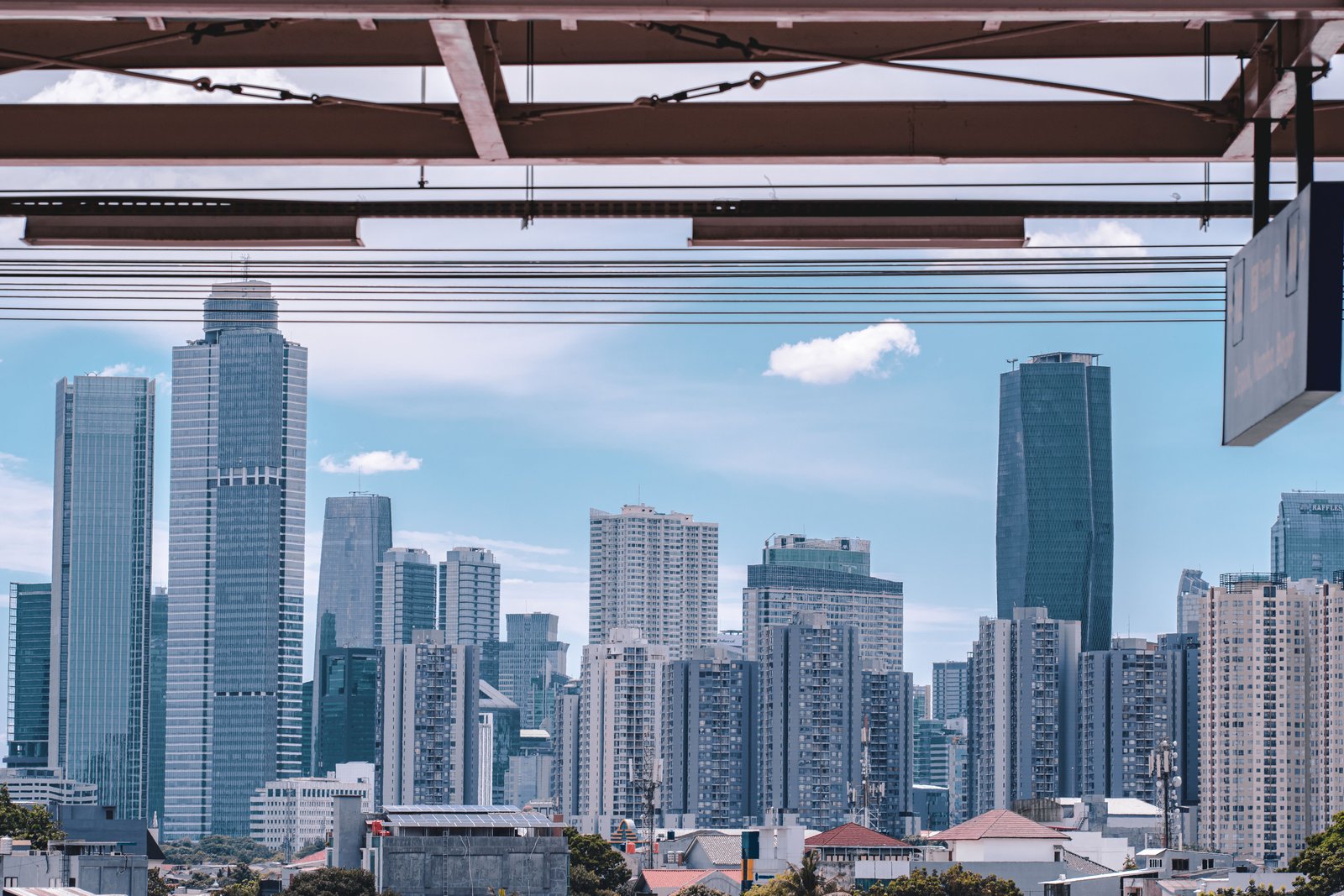
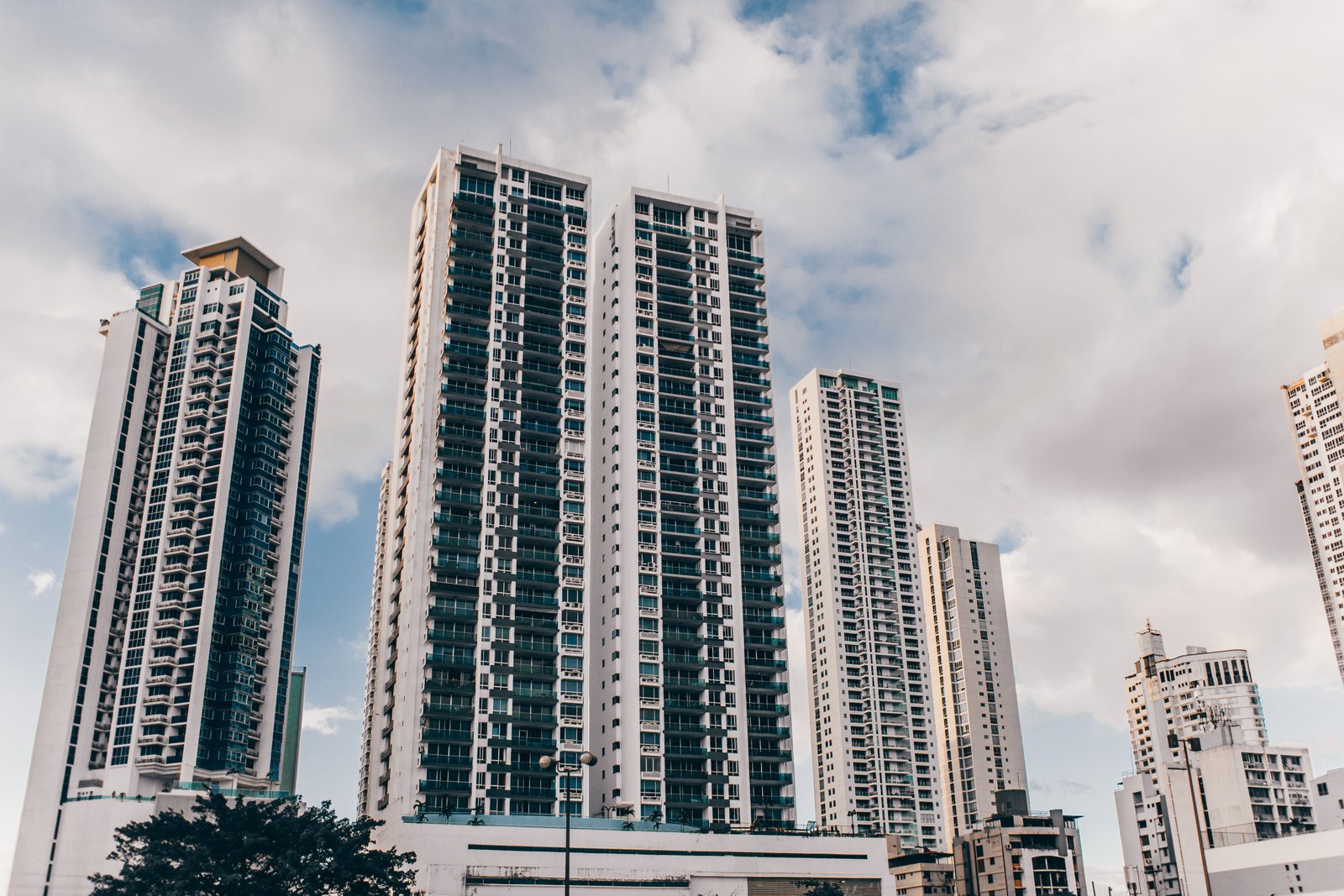
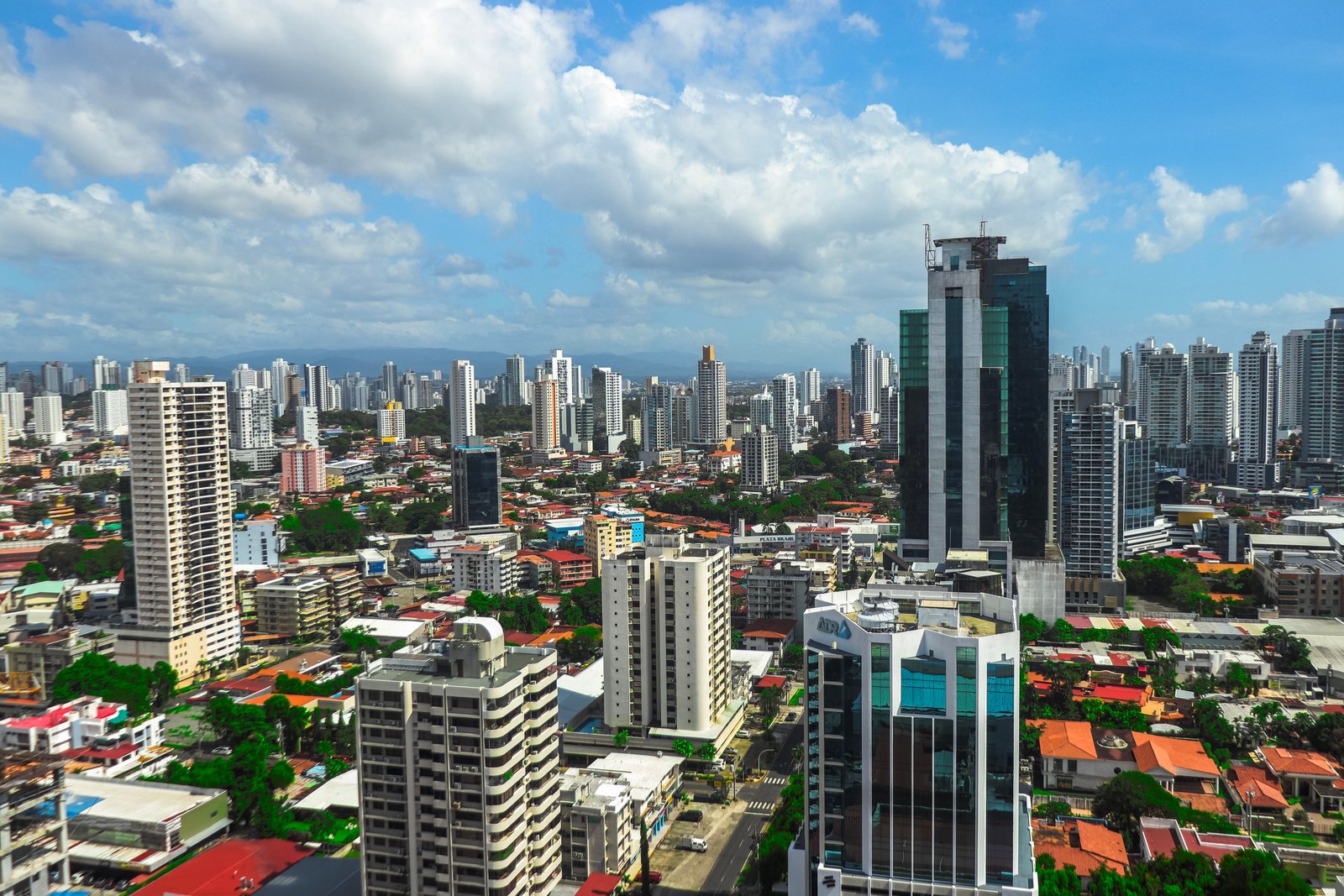
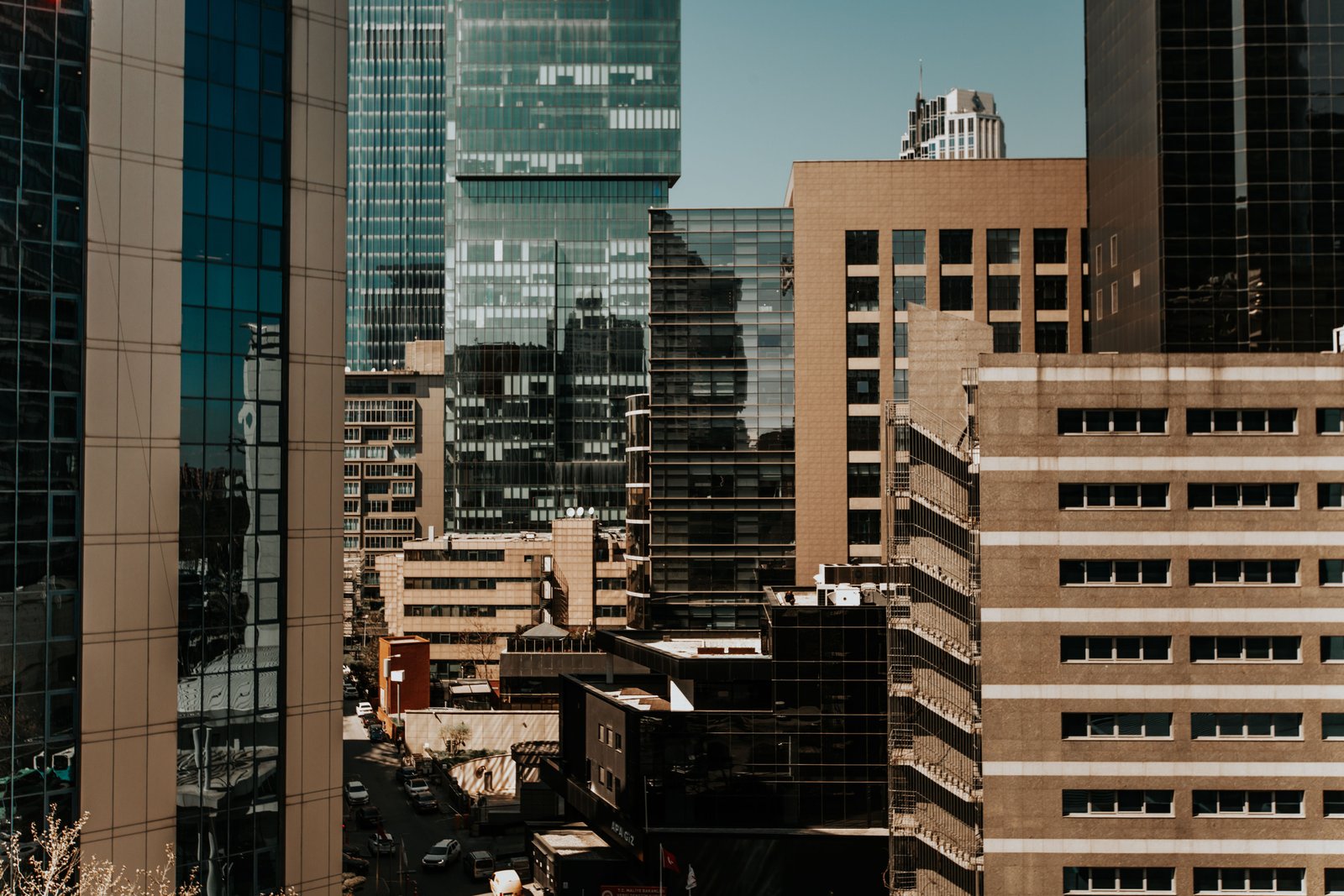
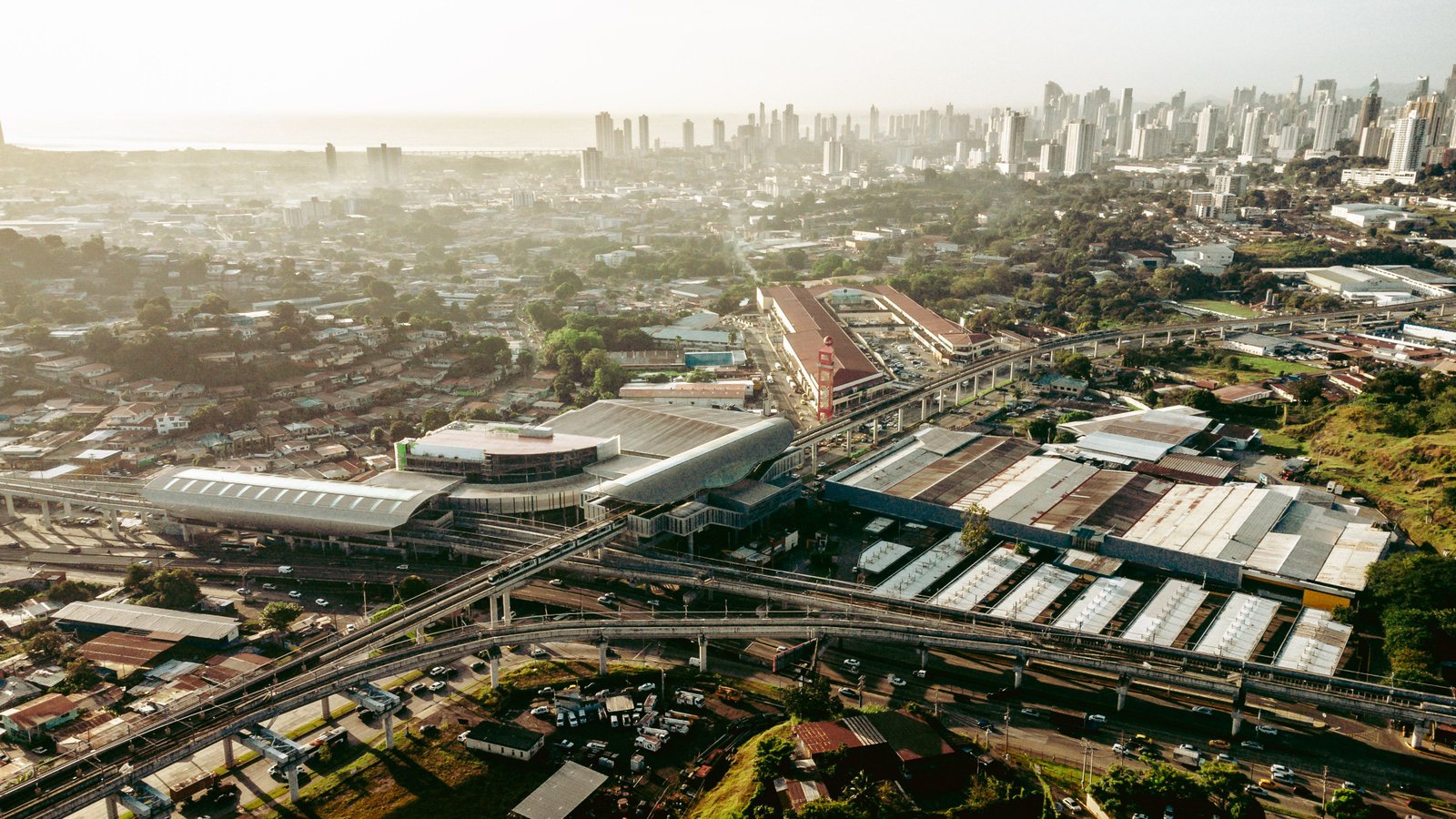
The evolution of modern cities is driving a new generation of mixed-use developments that combine residential, commercial, retail, hospitality, healthcare, entertainment, and public spaces within integrated communities. As urban populations expand and lifestyles continue to evolve, developers are moving beyond single-purpose projects to create flexible environments that accommodate changing business needs, consumer preferences, and future growth.
Mixed-use developments have become a preferred model for maximizing land utilization while fostering vibrant neighborhoods where people can live, work, shop, learn, and socialize within a connected environment. By integrating multiple property types into a single development, these projects improve accessibility, encourage economic activity, and create more resilient urban ecosystems
Governments, urban planners, developers, investors, architects, and infrastructure providers are increasingly supporting mixed-use projects as part of broader city development strategies aimed at promoting sustainability, reducing congestion, and improving the quality of urban life. Industry experts believe flexible mixed-use developments will continue shaping the future of real estate by creating adaptable communities that respond effectively to evolving economic, technological, and demographic trends.
Integrated Communities Improve Urban Living
Modern developments combine diverse property functions within a unified master plan.
Typical mixed-use projects include:
- Residential apartments
- Office spaces
- Retail outlets
- Hotels
- Healthcare facilities
- Recreational amenities
Integrated communities reduce travel time while creating convenient environments for residents, employees, and visitors. Well-connected developments improve everyday living.
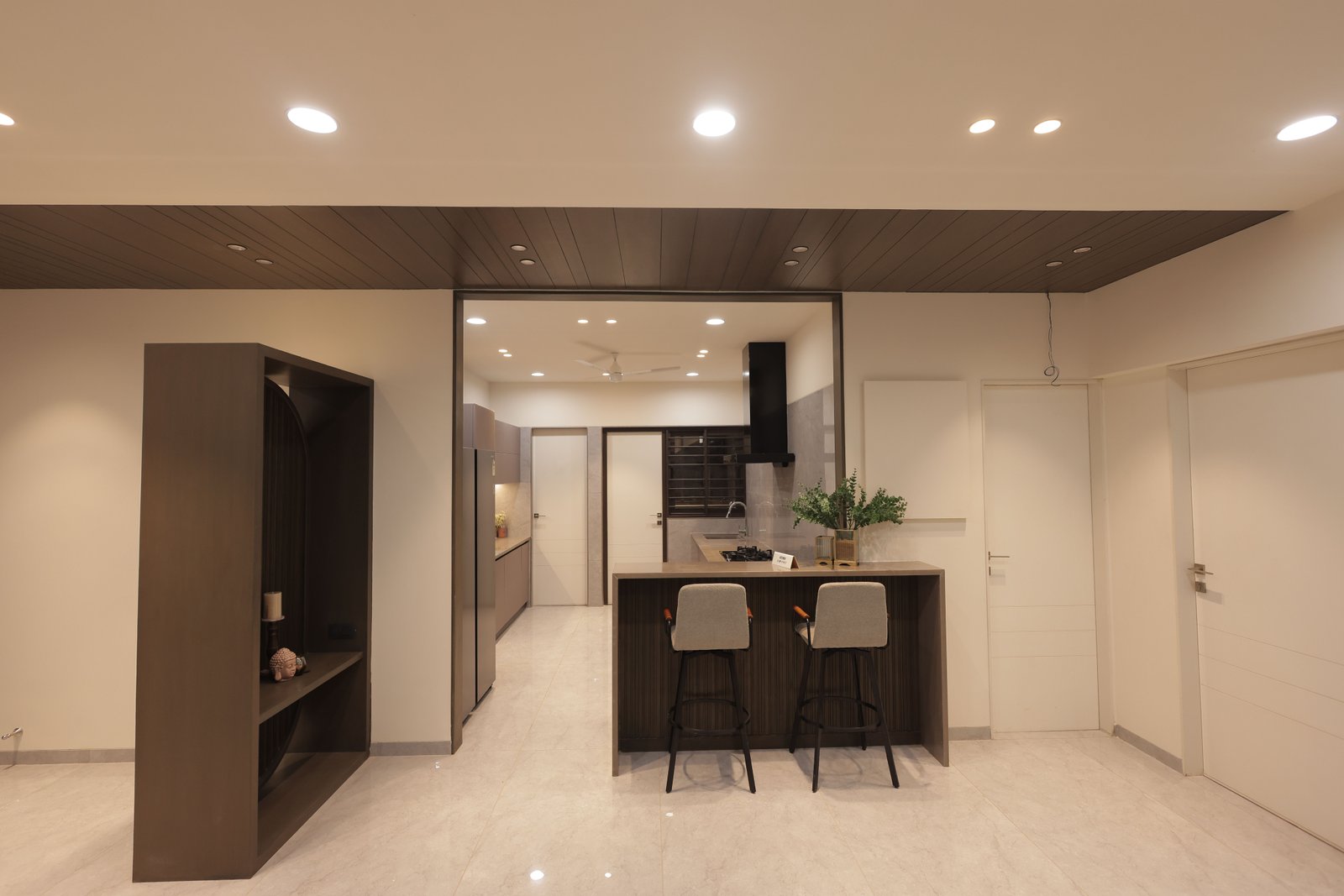
Flexible Building Design Supports Future Needs
Developers are designing buildings that can adapt to changing market demands.
Flexible features include:
- Modular floor layouts
- Convertible commercial spaces
- Multi-purpose community facilities
- Shared amenities
- Expandable infrastructure
Adaptable buildings remain relevant over longer periods while supporting evolving occupancy requirements. Flexibility strengthens long-term investment value.
Smart Infrastructure Enhances Community Operations
Digital technologies improve the efficiency of mixed-use developments.
Smart infrastructure supports:
- Intelligent traffic management
- Smart parking systems
- Digital access control
- Building automation
- Integrated security monitoring
Connected technologies simplify property management while enhancing occupant experiences. Digital infrastructure improves operational performance.
Sustainability Shapes Community Planning
Environmental responsibility has become a core element of mixed-use development.
Developers increasingly incorporate:
- Green building standards
- Renewable energy systems
- Water conservation technologies
- Urban green spaces
- Waste management solutions
Sustainable planning reduces environmental impact while improving long-term operational efficiency. Responsible development benefits future generations.
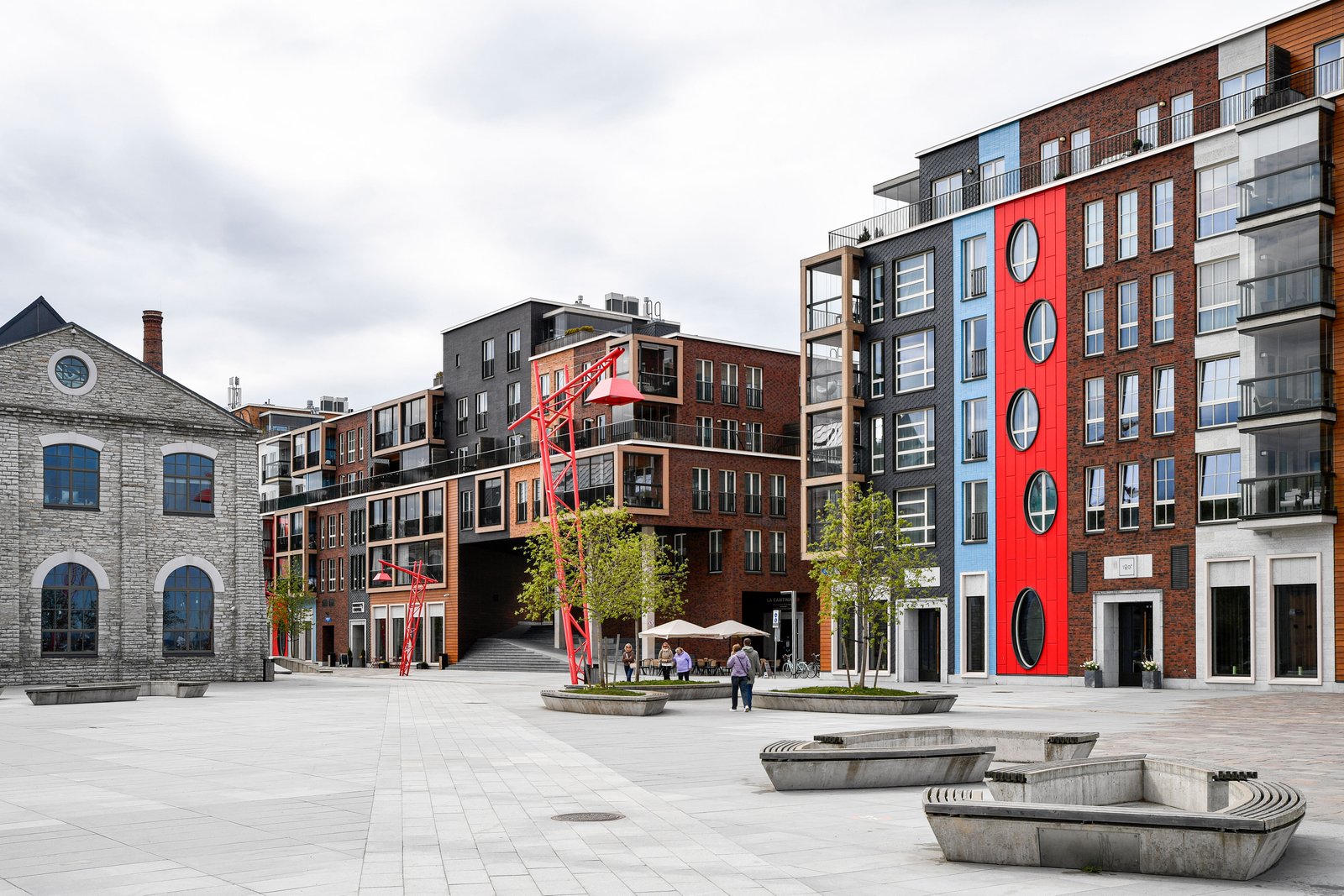
Public Spaces Encourage Social Interaction
Successful mixed-use projects prioritize community engagement through thoughtfully designed public environments.
Developments feature:
- Parks
- Walking paths
- Open plazas
- Community centers
- Outdoor event spaces
Accessible public areas promote social interaction while strengthening neighborhood identity. Shared spaces create vibrant communities.
Digital Property Management Simplifies Operations
Managing diverse property types requires integrated digital solutions.
Property management platforms enable:
- Centralized facility operations
- Lease administration
- Maintenance scheduling
- Utility monitoring
- Tenant communication
Unified management systems improve efficiency while supporting seamless operations across multiple property categories. Technology strengthens operational coordination.
Commercial Opportunities Expand Within Mixed-Use Projects
Businesses benefit from consistent customer activity generated by integrated developments.
Commercial advantages include:
- Increased foot traffic
- Diverse customer demographics
- Extended operating hours
- Stronger local economies
- Long-term business stability
Mixed-use environments create sustainable opportunities for retailers, service providers, and hospitality operators. Economic diversity supports commercial success.
Mobility and Accessibility Improve Urban Connectivity
Modern mixed-use developments emphasize convenient transportation options.
Accessibility features include:
- Public transit connectivity
- Pedestrian-friendly streets
- Cycling infrastructure
- Electric vehicle charging stations
- Smart mobility solutions
Efficient transportation networks improve accessibility while reducing dependence on private vehicles. Connected mobility supports sustainable cities.
Investment Demand Continues to Increase
Institutional investors increasingly view mixed-use developments as resilient long-term assets.
Investment advantages include:
- Diversified income streams
- Reduced vacancy risk
- Higher asset utilization
- Strong community demand
- Long-term appreciation potential
Balanced property portfolios contribute to greater financial stability while improving investment performance. Diversification strengthens long-term returns.
Challenges Continue
Despite strong market interest, flexible mixed-use developments continue to present several implementation challenges.
These include:
- Complex project planning
- Infrastructure investment requirements
- Regulatory approvals
- Coordinating multiple stakeholders
- Managing diverse operational needs
Continued collaboration among developers, architects, governments, technology providers, investors, and urban planners will remain essential for delivering successful mixed-use communities that support long-term urban development.
Looking Forward
Flexible mixed-use developments are transforming urban real estate by integrating residential, commercial, retail, healthcare, hospitality, and recreational spaces into dynamic communities designed for long-term adaptability and sustainable growth. As cities continue expanding and urban lifestyles evolve, mixed-use projects will play an increasingly important role in improving accessibility, supporting local economies, optimizing land use, and enhancing the overall quality of urban living.
The continued growth of mixed-use developments reflects a broader transformation across the real estate industry, where smart planning, sustainability, digital innovation, and community-focused design are creating resilient urban environments prepared for the future.