Innovative Property Redevelopment, Sustainable Construction, and Mixed-Use Communities Are Reshaping the Future of Urban Growth
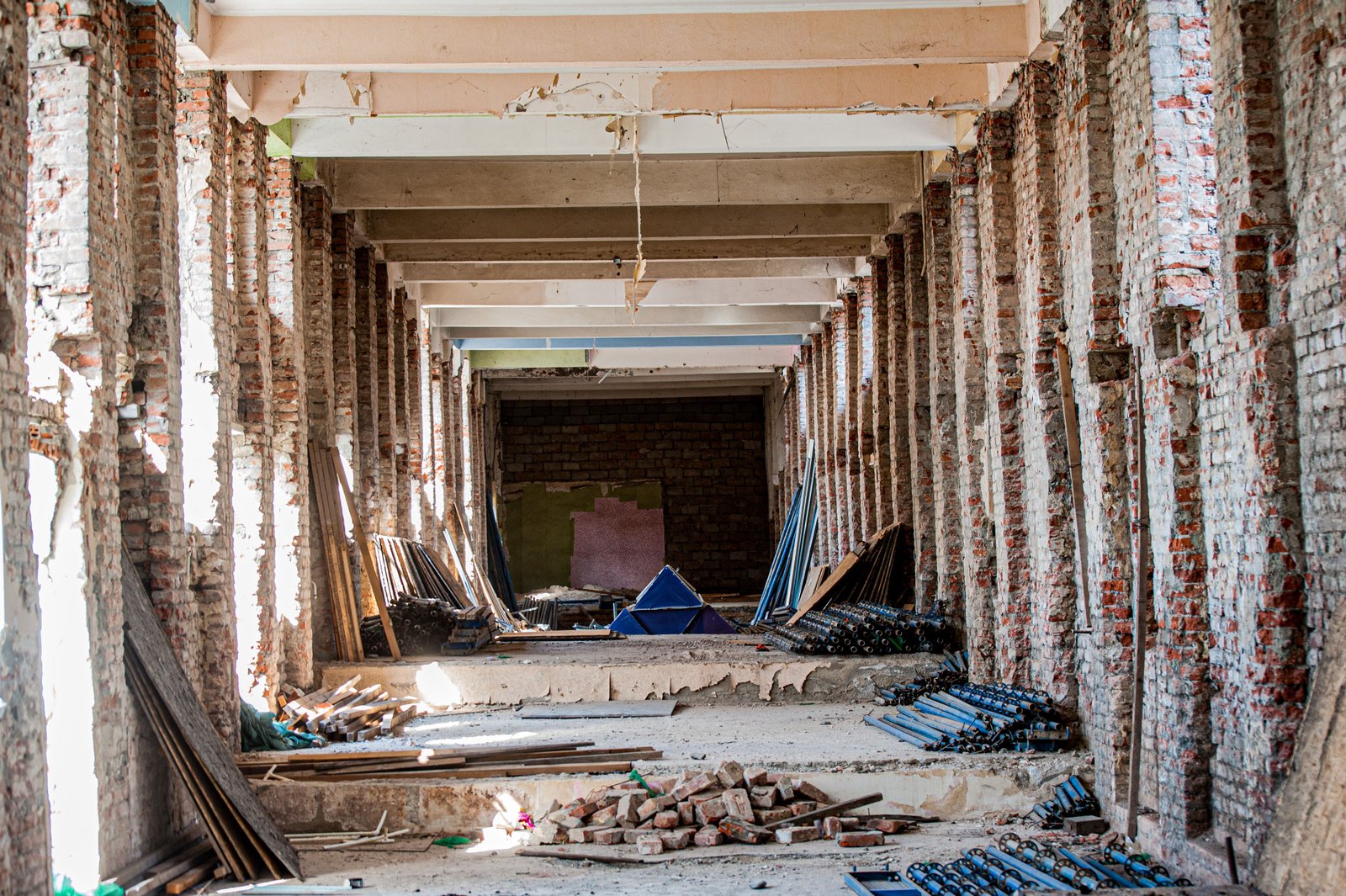
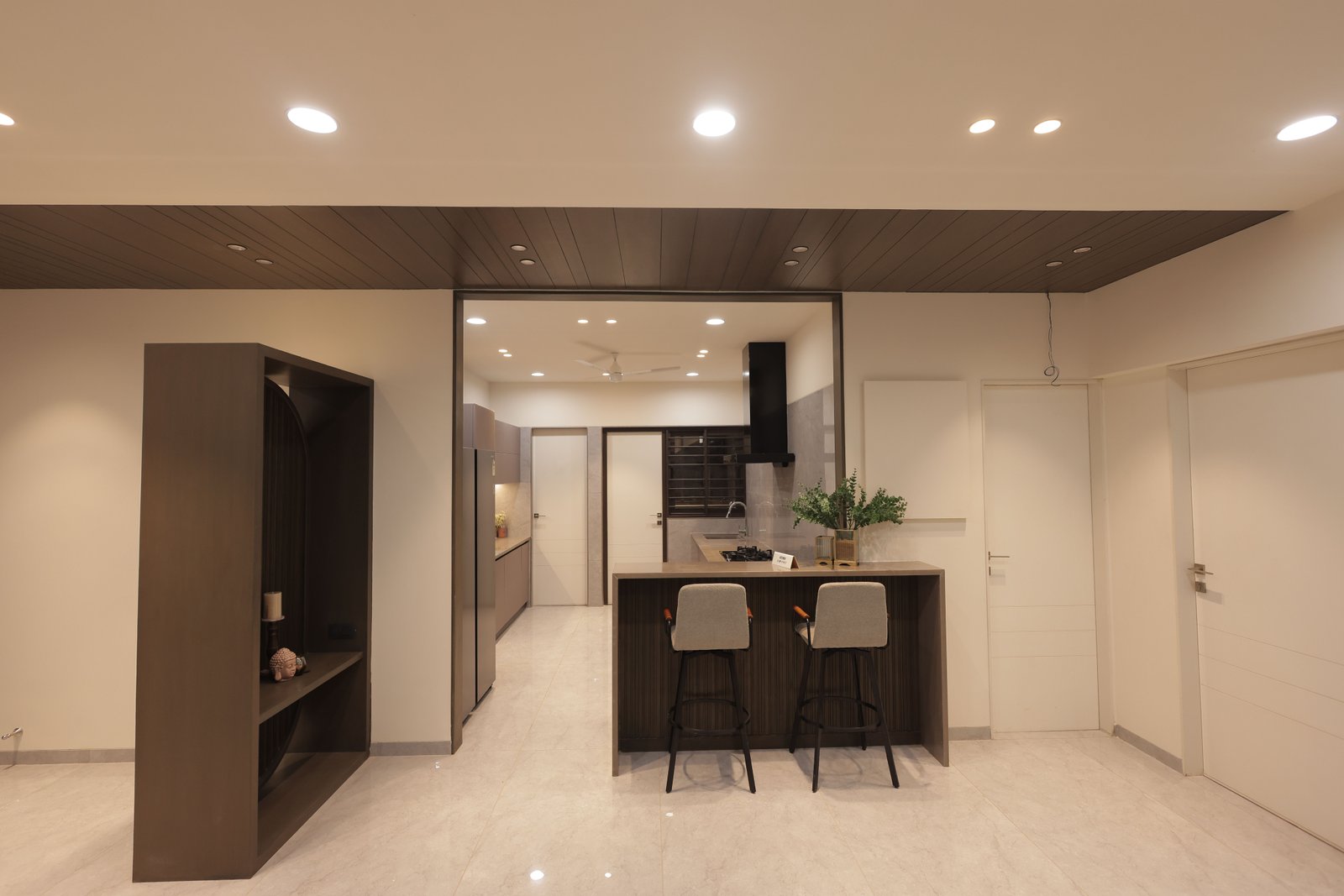
Urban landscapes around the world are experiencing a significant transformation as developers increasingly turn to adaptive reuse projects to meet changing market demands. Rather than demolishing aging or underutilized buildings, real estate companies are repurposing offices, warehouses, factories, hotels, shopping centers, and historic properties into modern residential communities, mixed-use developments, healthcare facilities, educational campuses, hospitality destinations, and innovation hubs.
Adaptive reuse has become an important strategy for extending the economic value of existing properties while reducing construction waste, preserving architectural heritage, and supporting sustainable urban development. As cities continue evolving, developers are recognizing that repurposing existing structures often provides greater flexibility, faster project timelines, and stronger environmental benefits compared to entirely new construction.
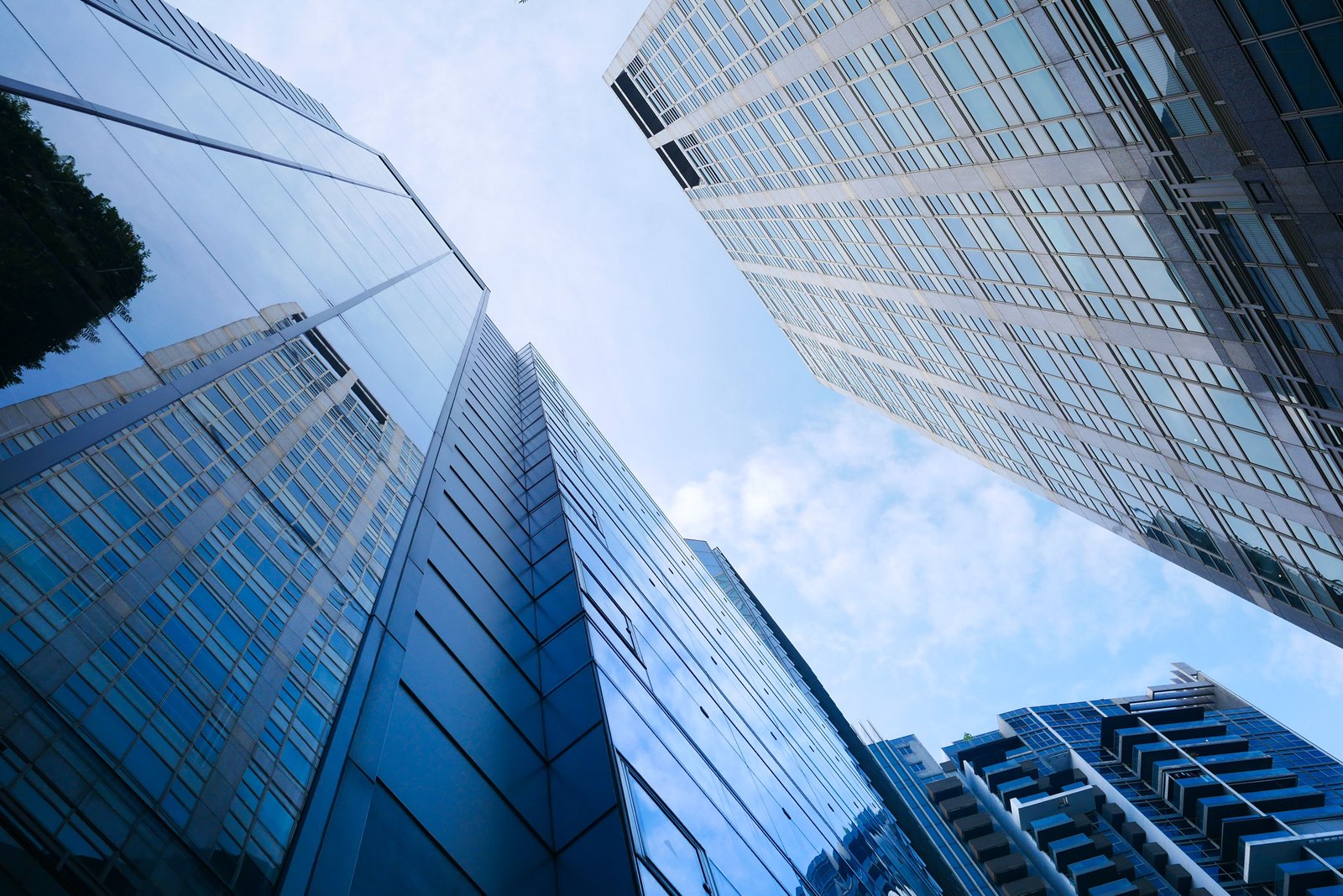
Governments, investors, architects, developers, urban planners, and property owners are collaborating to unlock the potential of existing real estate assets through innovative redevelopment strategies that balance commercial viability with community development. Industry experts believe adaptive reuse will become an increasingly influential segment of the global real estate industry as organizations seek sustainable solutions for urban expansion and long-term asset optimization.
Existing Buildings Gain New Economic Value
Many commercial and industrial properties are being repositioned for entirely new purposes.
Common adaptive reuse projects include:
- Office-to-residential conversions
- Warehouse redevelopment
- Factory revitalization
- Historic building restoration
- Hotel repositioningRetail space transformation
Repurposing existing buildings allows developers to maximize asset value while responding to changing market needs. Property transformation supports sustainable investment.
Developers are integrating multiple property functions within single redevelopment projects.
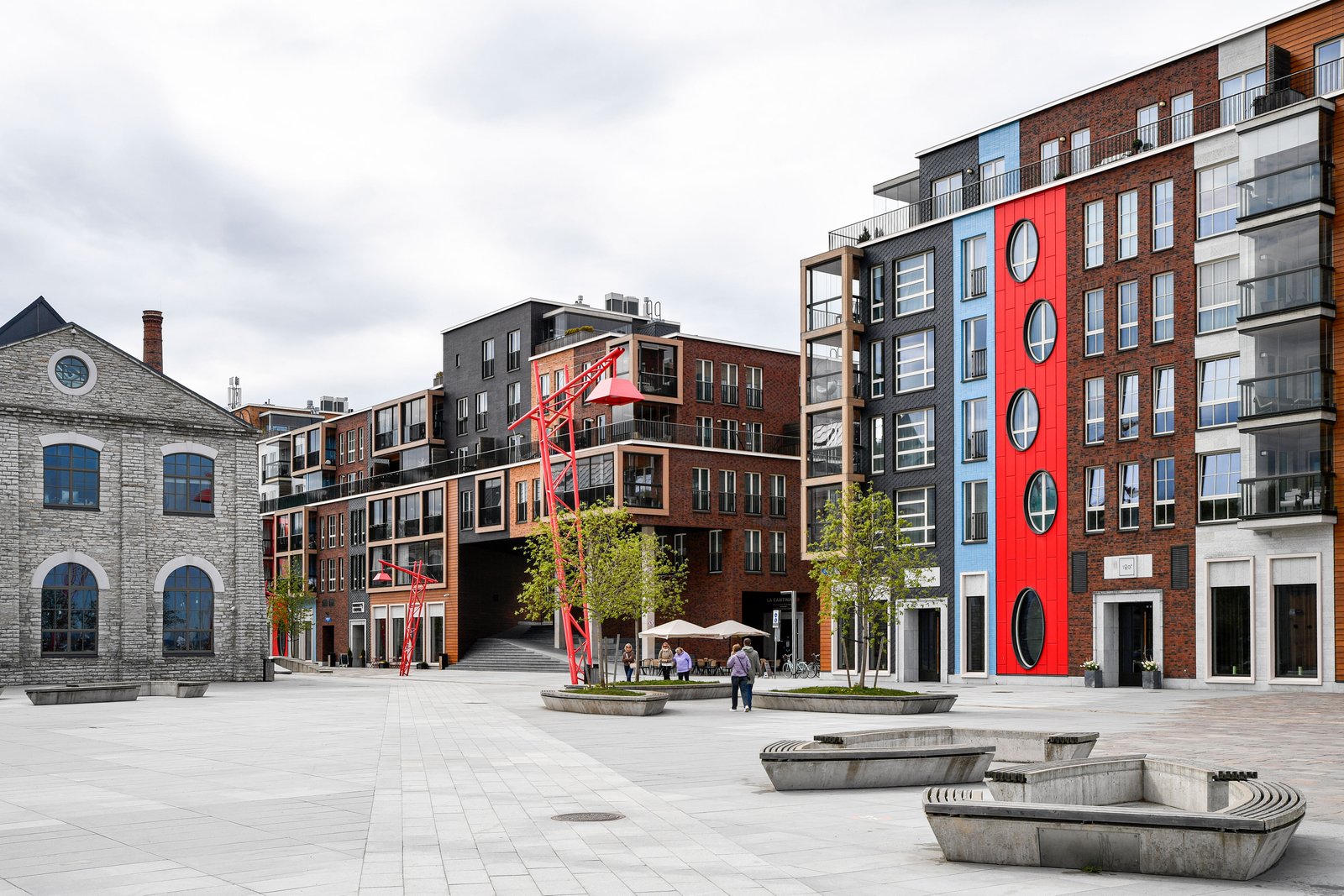
Mixed-use developments often combine:
- Residential housing
- Office spaces
- Retail outlets
- Restaurants
- Healthcare facilities
- Public gathering areas
Integrated communities improve convenience while encouraging vibrant urban environments. Mixed-use planning strengthens neighborhood development.
Sustainability Drives Redevelopment Strategies
Adaptive reuse significantly reduces the environmental impact associated with new construction.
Sustainability initiatives include:
- Reusing structural materials
- Reducing demolition waste
- Improving energy efficiency
- Conserving natural resources
- Lowering carbon emissions
Environmentally responsible redevelopment supports long-term urban sustainability while preserving valuable infrastructure. Sustainable construction creates lasting benefits.
Smart Building Technologies Modernize Older Properties
Developers are upgrading existing buildings with modern digital infrastructure.
Technology enhancements include:
- Smart building management systems
- Intelligent lighting
- Automated climate control
- Digital security systems
- Energy monitoring platforms
Technology integration improves operational performance while increasing property attractiveness for occupants. Modernization enhances long-term asset value.
Historic Preservation Supports Community Identity
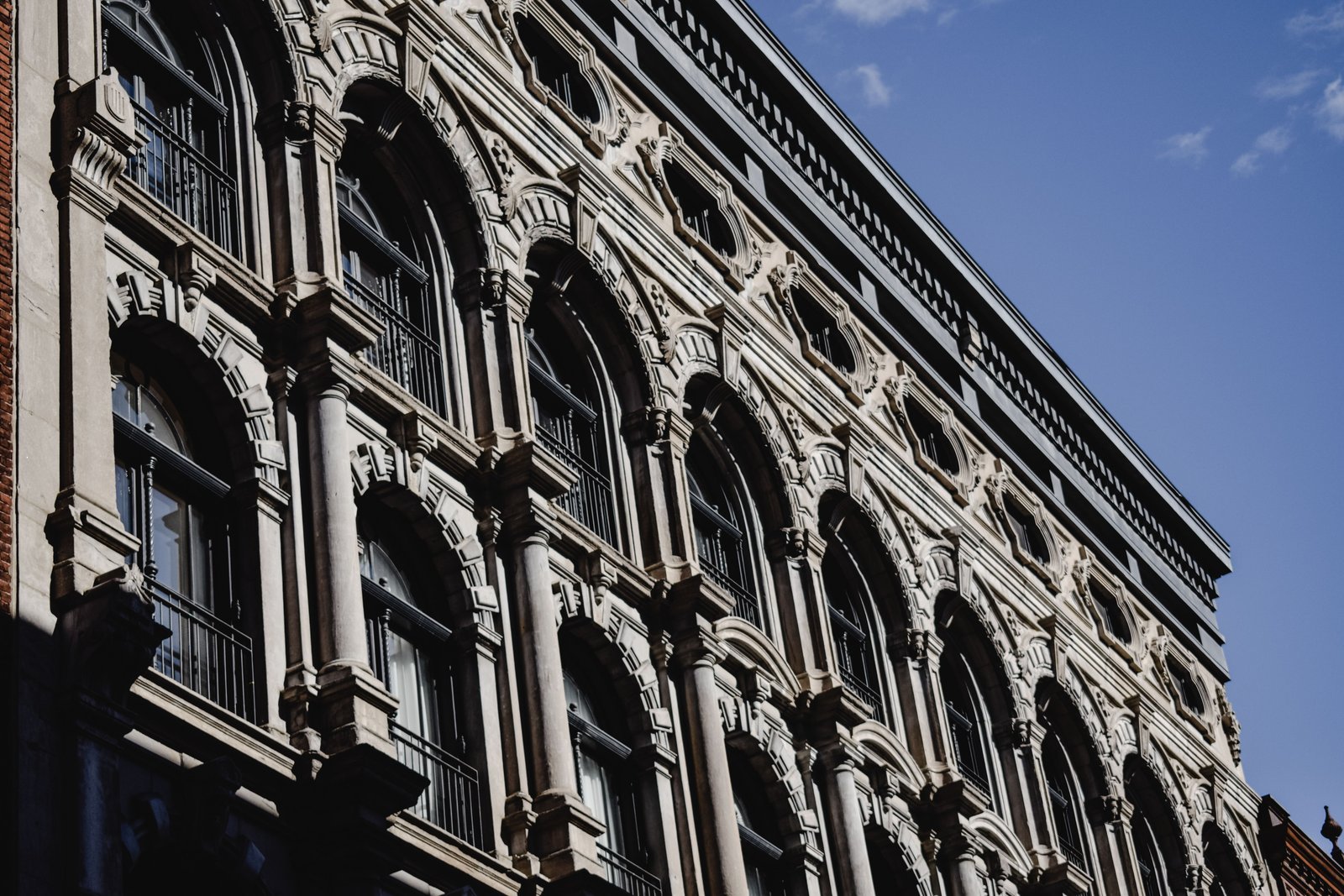
Many redevelopment projects preserve buildings with historical and cultural significance.
Preservation efforts focus on:
- Architectural restoration
- Structural reinforcement
- Cultural heritage conservation
- Public space enhancement
- Adaptive interior redesign
Maintaining historic character strengthens local identity while supporting modern urban development. Heritage preservation enriches communities.
Flexible Design Meets Changing Market Demands
Modern adaptive reuse projects emphasize flexibility and long-term functionality.
Developers create spaces that support:
- Hybrid workplaces
- Residential living
- Collaborative offices
- Educational facilities
- Healthcare services
Flexible property designs allow buildings to adapt more easily to future market changes. Adaptability improves investment resilience.
Public-Private Collaboration Accelerates Redevelopment
Successful adaptive reuse projects often involve cooperation between multiple stakeholders.
Key participants include:
- Municipal governments
- Real estate developers
- Financial institutions
- Urban planners
- Architects
- Community organizations
Collaborative planning helps streamline redevelopment while aligning projects with local economic and social priorities. Partnerships strengthen urban revitalization.
Investment Interest Continues to Grow
Investors increasingly recognize adaptive reuse as an attractive long-term opportunity.
Investment benefits include:
- Lower redevelopment costs
- Faster project completion
- Stronger sustainability performance
- Diversified revenue opportunities
- Long-term property appreciation
Strategic redevelopment creates value for both investors and surrounding communities. Responsible investment supports sustainable growth.
Challenges Continue
Despite growing momentum, adaptive reuse projects continue to present several implementation challenges.
These include:
- Structural limitations
- Regulatory approvals
- Heritage preservation requirements
- Construction complexity
- Financing considerations
Continued collaboration among developers, governments, architects, financial institutions, and technology providers will remain essential for expanding adaptive reuse initiatives and maximizing the value of existing urban infrastructure.
Looking Forward
Adaptive reuse is redefining modern real estate development by transforming underutilized properties into dynamic spaces that meet evolving residential, commercial, and community needs. Through sustainable construction practices, smart building technologies, flexible design, and collaborative urban planning, developers are creating projects that extend asset lifecycles while strengthening economic and environmental resilience.
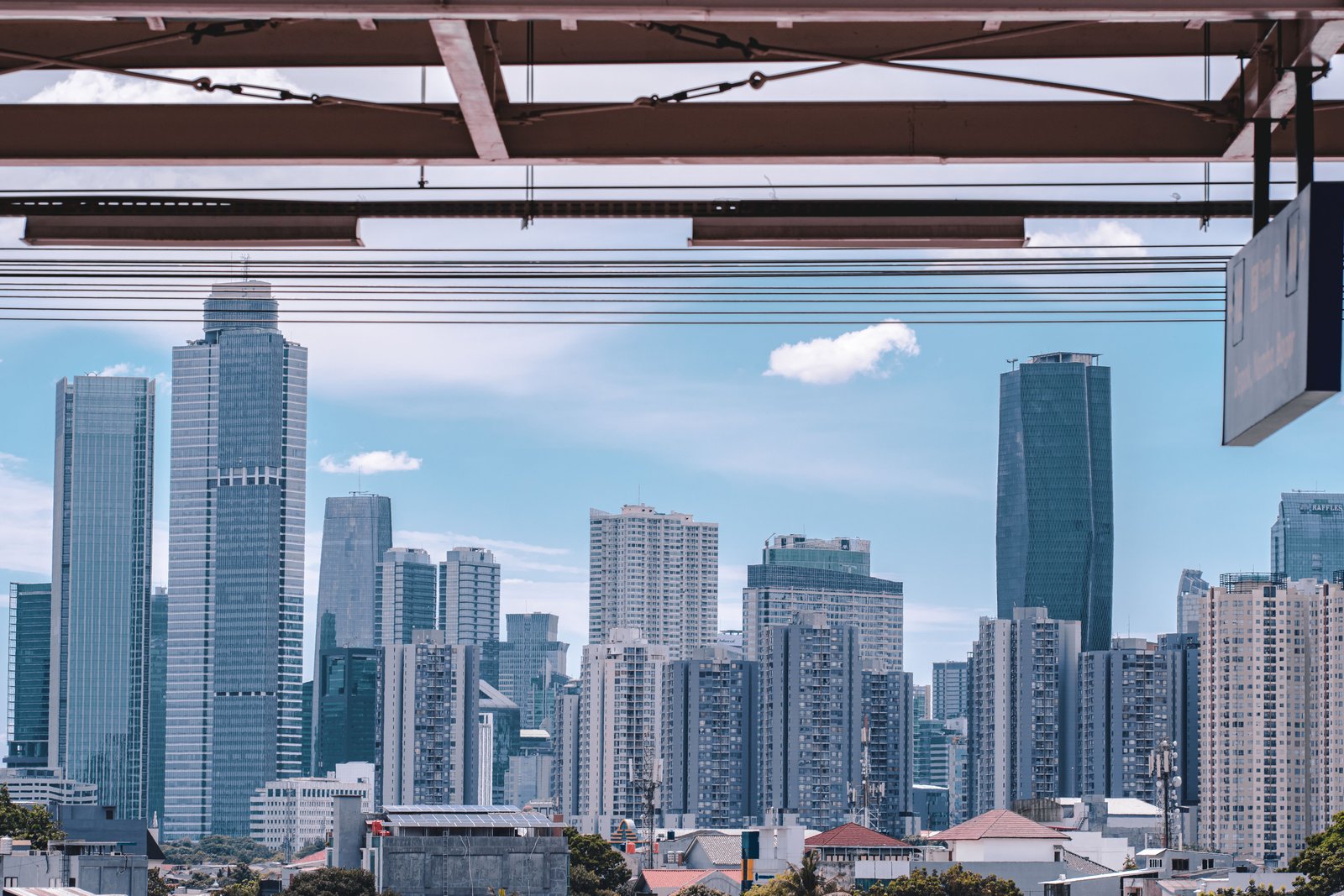
As cities continue evolving and land availability becomes increasingly limited, adaptive reuse will play an even greater role in supporting responsible urban growth, preserving architectural heritage, attracting investment, and creating more vibrant communities. The continued expansion of adaptive reuse reflects a broader transformation across the real estate industry, where innovation, sustainability, strategic redevelopment, and long-term value creation are reshaping the future of urban development.