Smart Devices, Continuous Monitoring, and Artificial Intelligence Are Empowering Individuals to Take a More Proactive Approach to Health Management
Wearable health technology has evolved from simple fitness trackers into sophisticated medical devices capable of continuously monitoring a wide range of health indicators. As preventive healthcare becomes a growing priority worldwide, wearable technologies are helping individuals, healthcare providers, and researchers gain real-time insights into personal health, enabling earlier intervention, improved disease management, and more personalized medical care.
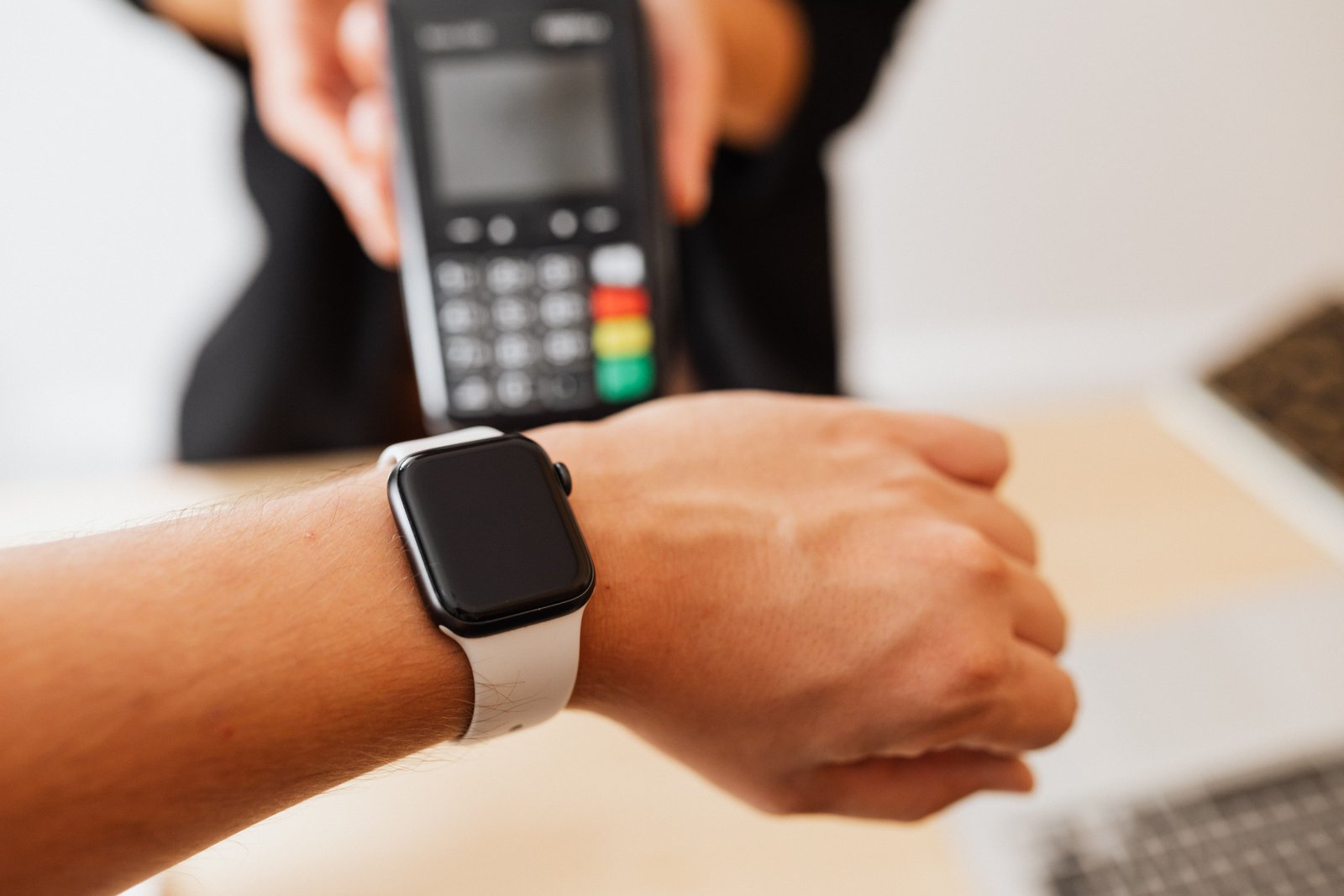
Smartwatches, fitness bands, wearable ECG monitors, smart rings, biosensors, and connected medical devices are now capable of tracking heart rate, sleep quality, physical activity, blood oxygen levels, stress indicators, and other physiological data throughout the day. Combined with artificial intelligence, cloud computing, and mobile health platforms, these devices are transforming how healthcare is delivered by shifting the focus from treating illness to maintaining wellness and preventing disease.
Healthcare providers, technology companies, insurance organizations, research institutions, and pharmaceutical firms are increasingly integrating wearable technologies into clinical care, remote patient monitoring, wellness programs, and medical research. Industry experts believe wearable health technology will play a central role in the future of preventive healthcare by promoting continuous monitoring, encouraging healthier lifestyles, and supporting more personalized treatment strategies.
Wearables Support a Preventive Healthcare Model
Traditional healthcare has often focused on diagnosing and treating illnesses after symptoms appear. Wearable health devices support a preventive approach by continuously collecting health information before serious medical conditions develop.
These devices enable users to monitor:
- Heart rate
- Physical activity
- Sleep patterns
- Blood oxygen levels
- Stress levels
- Daily movement
Continuous health tracking helps individuals recognize changes that may require medical attention. Preventive healthcare encourages earlier intervention and supports long-term wellness.
Continuous Monitoring Improves Health Awareness
One of the greatest advantages of wearable technology is its ability to provide continuous health monitoring. Instead of relying only on periodic medical examinations, users receive ongoing information about their health throughout daily activities.
Continuous monitoring supports:
- Lifestyle improvement
- Health goal tracking
- Early risk identification
- Long-term wellness management
Individuals become more actively involved in managing their own health. Greater awareness often encourages healthier habits and informed healthcare decisions.
Artificial Intelligence Delivers Personalized Insights
Artificial intelligence is making wearable health devices increasingly intelligent. AI analyzes large volumes of physiological data to identify trends, detect abnormalities, and generate personalized recommendations.
Examples include:
- Activity suggestions
- Sleep improvement guidance
- Heart health monitoring
- Recovery recommendations
- Wellness coaching
Rather than presenting only raw data, AI helps users understand what their health information means. Personalized insights improve engagement and encourage long-term behavioral change.
Cardiovascular Health Receives Greater Attention
Heart disease remains one of the leading global health concerns.
Wearable devices increasingly support cardiovascular health through continuous monitoring of:
- Heart rate
- Heart rhythm
- Exercise performance
- Recovery trends
- Resting heart activity
Some advanced devices can identify irregular heart rhythms that may require further medical evaluation. While wearable technology does not replace professional diagnosis, it provides valuable information that can support clinical assessments. Continuous monitoring contributes to earlier recognition of potential cardiovascular issues.
Remote Patient Monitoring Expands Healthcare Access
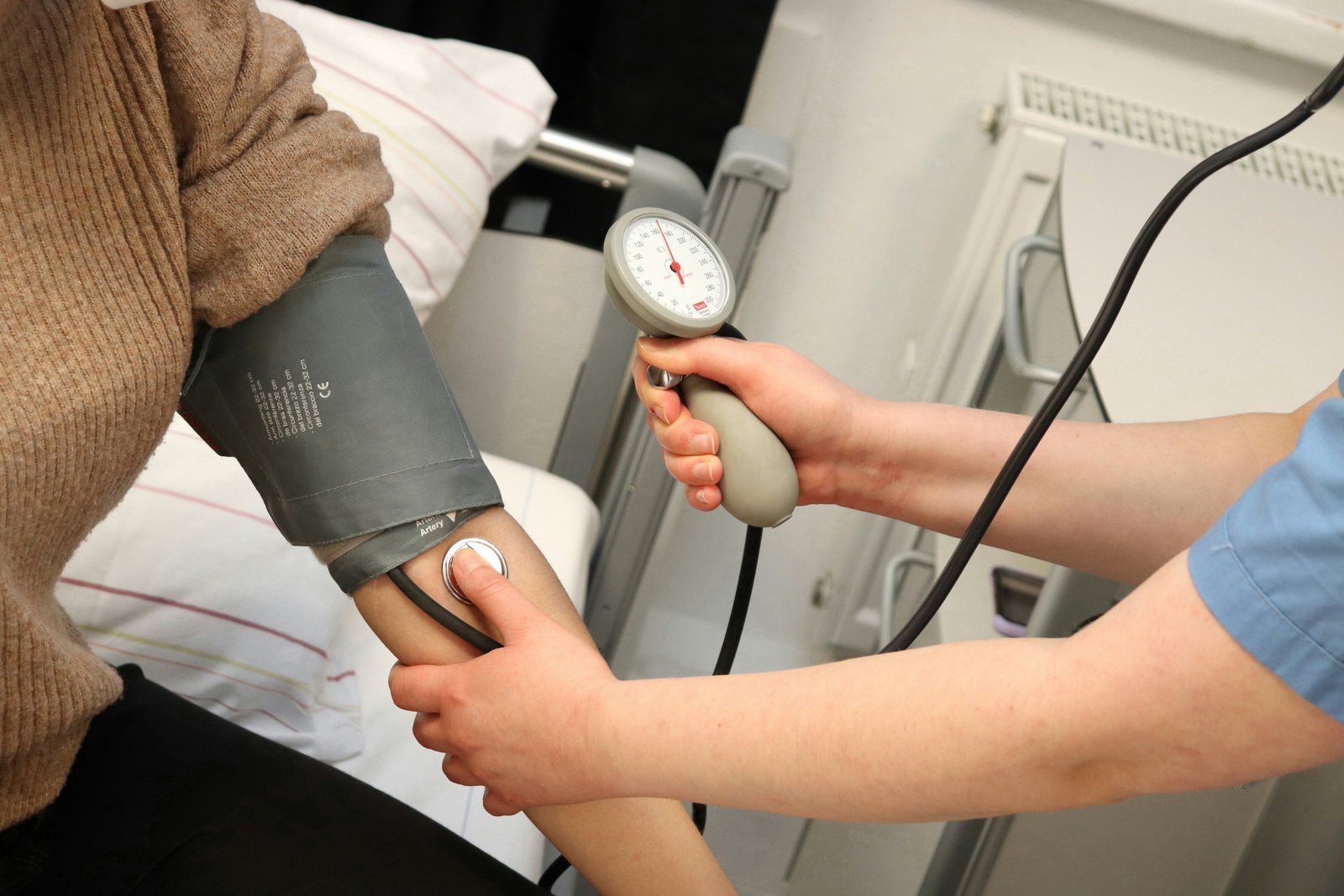
Healthcare providers are integrating wearable devices into remote patient monitoring programs. Patients with chronic conditions can share health information with clinicians without frequent hospital visits.
Applications include monitoring:
- Blood pressure
- Cardiac recovery
- Diabetes management
- Respiratory conditions
- Post-surgical rehabilitation
Remote monitoring enables healthcare teams to identify changes more quickly while improving continuity of care. Patients benefit from greater convenience and more personalized clinical support.
Fitness and Wellness Continue to Evolve
Wearable technology has become an important tool for promoting healthier lifestyles.
Common wellness features include:
- Daily activity tracking
- Exercise monitoring
- Step counting
- Calorie estimation
- Hydration reminders
Users receive real-time feedback that encourages consistent physical activity and healthier daily habits. Many organizations also incorporate wearable technology into corporate wellness initiatives to promote employee health and well-being. Lifestyle management remains a major area of wearable technology adoption.
Sleep Monitoring Supports Overall Health
Quality sleep plays a vital role in physical and mental health.
Modern wearable devices provide detailed information regarding:
- Sleep duration
- Sleep stages
- Nighttime movement
- Recovery quality
- Sleep consistency
Users can identify patterns that affect rest and make informed adjustments to improve sleep quality. Healthcare professionals increasingly recognize sleep monitoring as an important component of preventive health management. Improved sleep contributes to better long-term wellness.
Medical Research Benefits from Real-World Data
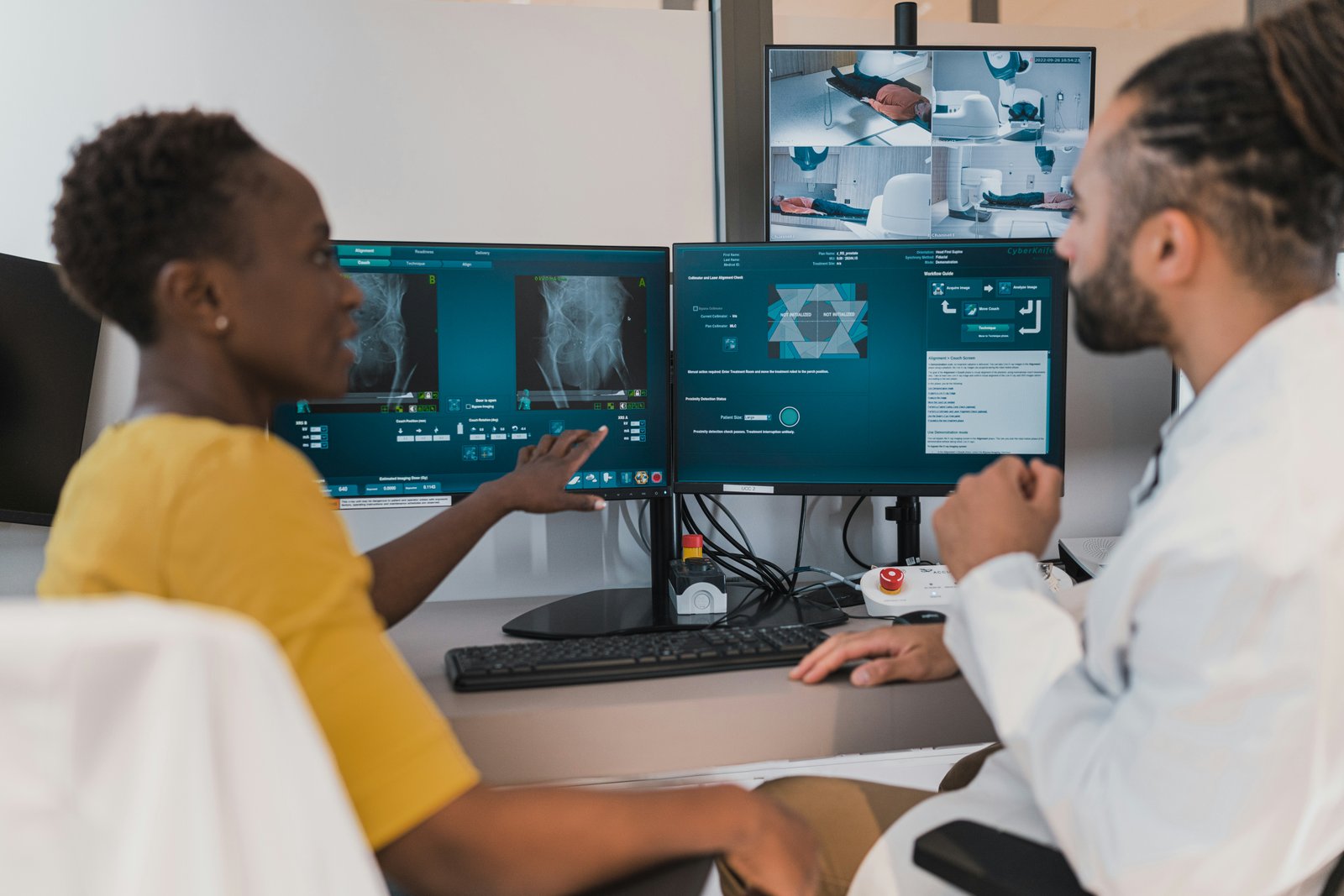
Wearable devices generate large volumes of real-world health information that supports clinical research.
Researchers use anonymized data to study:
- Population health trends
- Disease progression
- Treatment effectiveness
- Lifestyle behaviors
- Public health outcomes
Continuous data collection enables researchers to better understand how health changes over time. These insights contribute to medical innovation while supporting evidence-based healthcare strategies. Digital health research continues expanding rapidly.
Integration with Digital Health Ecosystems
Wearable technology increasingly connects with broader digital healthcare platforms.
Integrated systems include:
- Electronic health records
- Mobile healthcare applications
- Telemedicine platforms
- Hospital information systems
- Remote monitoring services
This connectivity improves communication between patients and healthcare providers while supporting more coordinated care. Digital integration strengthens continuity throughout the patient journey. Connected healthcare ecosystems continue improving efficiency.
Data Privacy and Security Remain Priorities
Wearable devices collect sensitive personal health information that requires strong protection.
Organizations prioritize:
- Secure data storage
- User privacy
- Encrypted communications
- Regulatory compliance
- Transparent data management
Maintaining public trust remains essential for long-term adoption. Healthcare providers and technology companies continue strengthening cybersecurity measures to protect digital health information. Responsible governance supports continued innovation.
Challenges to Wider Adoption
Despite significant progress, wearable health technology faces several challenges.
These include:
- Device affordability
- Data accuracy
- Battery performance
- Digital literacy
- Integration with healthcare systems
Organizations continue improving technology while expanding access through innovation and collaboration. Successful adoption depends on balancing convenience, reliability, and clinical value.
Conclusion
Wearable health technology is transforming preventive healthcare by enabling continuous monitoring, personalized wellness insights, and stronger collaboration between individuals and healthcare providers. Through advances in artificial intelligence, remote monitoring, digital health platforms, and connected medical devices, wearables are helping shift healthcare from reactive treatment toward proactive health management.
As technology continues evolving, wearable devices will play an increasingly important role in disease prevention, chronic condition management, clinical research, and personalized medicine. The growing adoption of wearable health technology reflects a broader transformation in healthcare, where continuous data, intelligent analytics, and patient engagement are creating more connected, efficient, and preventive healthcare systems.
By empowering individuals to better understand and manage their health, wearable technologies are helping shape a future in which prevention, early intervention, and personalized care become central pillars of modern medicine.