Intelligent Energy Systems, Water Management, and Building Automation Are Creating More Efficient and Sustainable Properties
The real estate industry is increasingly embracing smart utility technologies to improve operational efficiency, reduce environmental impact, and create more sustainable buildings. As energy costs rise and sustainability expectations continue to grow, developers and property owners are investing in intelligent utility systems that optimize electricity consumption, water usage, waste management, and overall building performance through advanced digital technologies.
Modern smart utility solutions integrate artificial intelligence (AI), Internet of Things (IoT) sensors, cloud-based monitoring platforms, building automation systems, and predictive analytics to provide real-time visibility into resource consumption. These technologies enable property managers to identify inefficiencies, automate utility operations, reduce maintenance costs, and improve the environmental performance of residential, commercial, industrial, and mixed-use developments.
Governments, developers, investors, facility managers, and technology providers are working together to accelerate the adoption of smart utility infrastructure as part of broader sustainability and smart city initiatives. Industry experts believe intelligent utility management will become a standard feature of future-ready real estate developments as organizations prioritize operational resilience, environmental responsibility, and long-term asset value.
Smart Energy Systems Improve Building Efficiency
Energy management has become a central focus of sustainable real estate.
Modern buildings increasingly utilize:
- Smart electrical grids
- Automated lighting controls
- Occupancy-based energy management
- Intelligent HVAC optimization
- Renewable energy integration
- Energy storage systems
These technologies reduce unnecessary energy consumption while maintaining occupant comfort. Efficient energy management lowers operating costs.
Intelligent Water Management Conserves Resources
Digital technologies are helping property owners optimize water consumption.
Smart water systems support:
- Leak detection
- Consumption monitoring
- Automated irrigation
- Water quality management
- Rainwater harvesting integration
Continuous monitoring enables organizations to reduce water waste while improving resource efficiency. Responsible water management supports sustainability.
Building Automation Enhances Operational Performance
Automation systems coordinate multiple building functions through centralized digital platforms.
Integrated controls manage:
- Heating and cooling
- Ventilation
- Lighting
- Security systems
- Utility scheduling
Automated operations improve efficiency while reducing manual intervention across property portfolios. Connected systems simplify facility management.
Artificial Intelligence Optimizes Utility Operations
Artificial intelligence enables more intelligent resource management across modern buildings.
AI applications include:
- Energy demand forecasting
- Equipment optimization
- Utility performance analysis
- Predictive maintenance
- Resource allocation
Machine learning continuously evaluates operational data to improve efficiency and reduce waste. Data-driven optimization strengthens sustainability.
Renewable Energy Integration Gains Momentum
Real estate developers are expanding the use of renewable energy technologies.
Common solutions include:
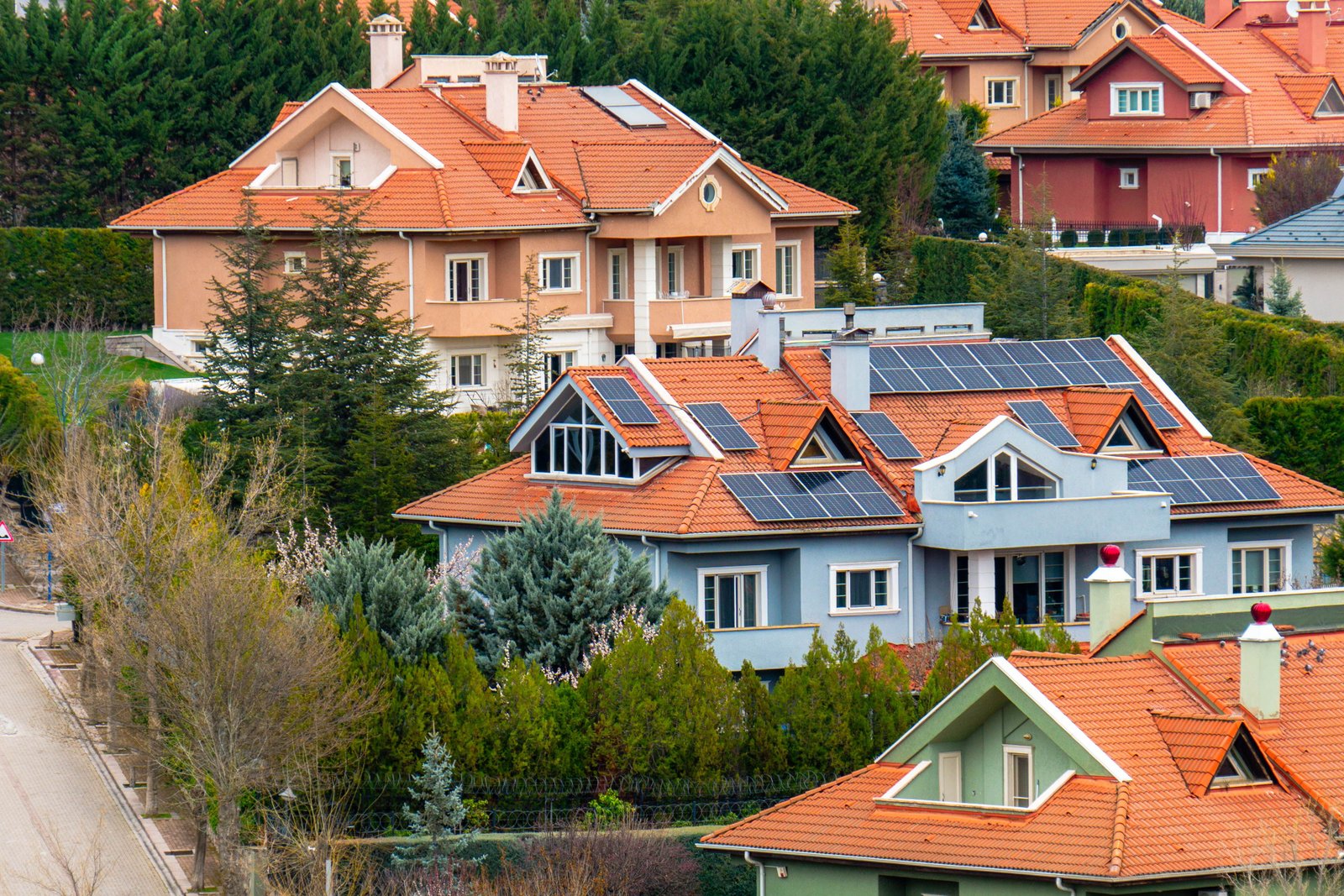
- Solar power systems
- Battery storage
- Smart inverters
- Energy monitoring platforms
- Hybrid power systems
Renewable energy investments improve energy resilience while supporting long-term environmental objectives. Clean energy strengthens property value.
Occupant Engagement Supports Resource Efficiency
Smart utility platforms encourage occupants to participate in sustainability efforts.
Digital engagement tools provide:
- Energy usage dashboards
- Water consumption reports
- Sustainability recommendations
- Mobile utility monitoring
- Personalized conservation insights
Greater awareness encourages responsible resource consumption across residential and commercial properties. Informed occupants contribute to sustainable operations.
Data Analytics Improve Utility Planning
Real estate organizations increasingly rely on analytics to optimize utility infrastructure.
Performance monitoring focuses on:
- Energy efficiency
- Water utilization
- Utility costs
- Carbon emissions
- Equipment performance
- Resource consumption trends
Continuous analysis supports better investment decisions while improving long-term building performance. Analytics enable smarter property management.
Smart Utilities Strengthen Asset Performance
Efficient utility management contributes directly to stronger real estate performance.
Benefits include:
- Lower operating expenses
- Extended equipment lifespan
- Improved building reliability
- Enhanced tenant satisfaction
- Increased property competitiveness
Well-managed utility systems support stronger financial returns over the lifecycle of a property. Operational efficiency increases investment value.
Collaboration Accelerates Sustainable Innovation
Successful smart utility implementation requires coordination among multiple stakeholders.
Key participants include:
- Property developers
- Utility providers
- Technology companies
- Facility managers
- Sustainability consultants
- Government agencies
Collaborative partnerships encourage innovation while supporting the development of more resilient and efficient buildings. Shared expertise drives long-term success.
Challenges Continue
Despite growing adoption, organizations continue facing several implementation challenges.
These include:
- High upfront technology investments
- Integration with existing infrastructure
- Cybersecurity considerations
- Workforce training
- Evolving regulatory standards
Continued investment in digital infrastructure, intelligent building technologies, renewable energy systems, and workforce development will remain essential for maximizing the benefits of smart utility management.
Looking Forward
Smart utilities are transforming modern real estate by integrating intelligent energy systems, automated building operations, advanced analytics, and sustainable resource management into connected property ecosystems. As developers continue modernizing residential, commercial, and mixed-use projects, smart utility technologies will play an increasingly important role in reducing operating costs, improving environmental performance, strengthening occupant experiences, and enhancing long-term asset value.
The continued advancement of smart utilities reflects a broader transformation across the real estate industry, where digital innovation, sustainability, operational intelligence, and responsible resource management are shaping the next generation of high-performing buildings.