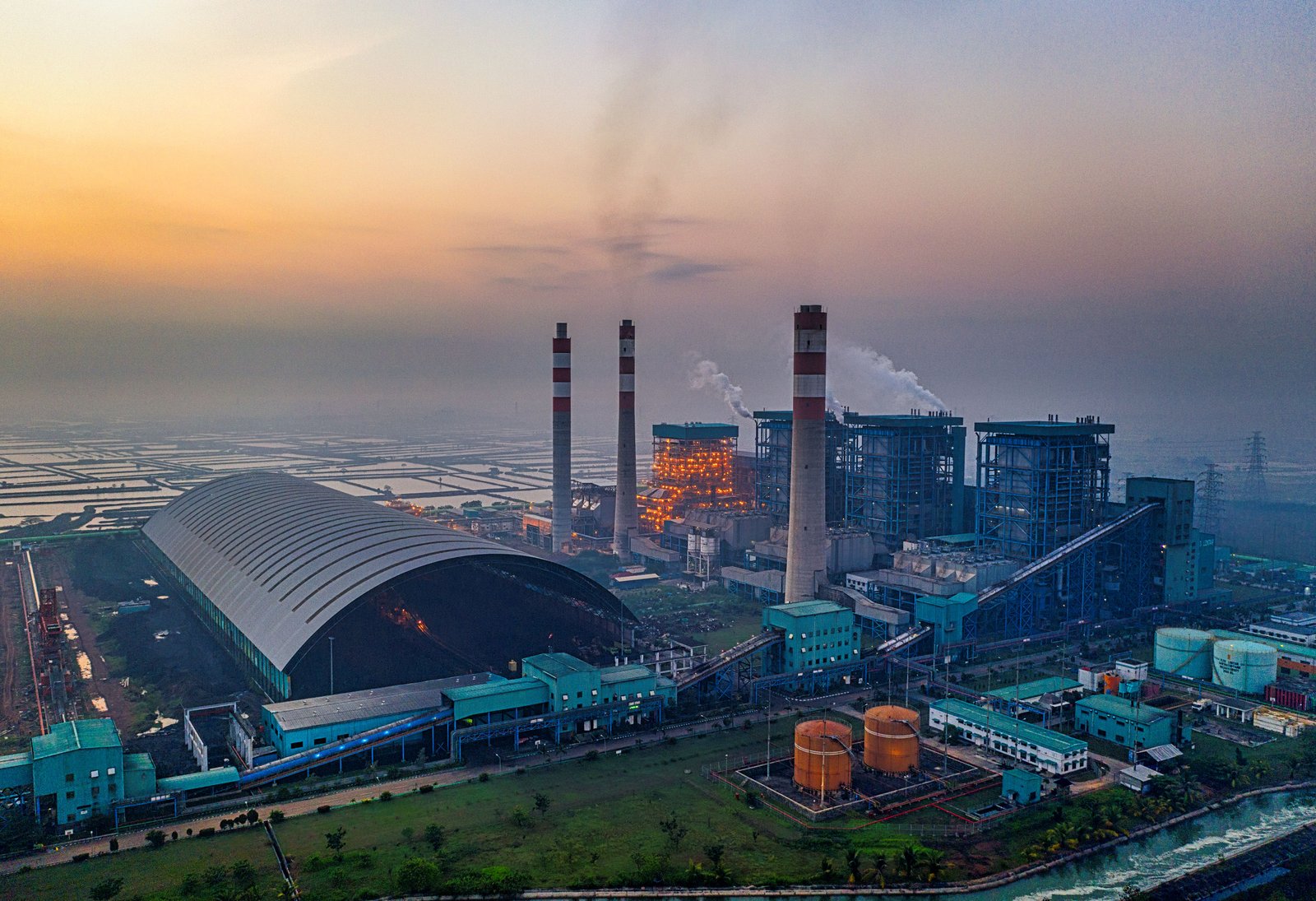
Industries Worldwide Invest in Carbon Capture Solutions to Reduce Emissions and Accelerate the Transition Toward a Low-Carbon Economy
As governments and businesses intensify efforts to combat climate change, carbon capture technologies are emerging as a critical tool in the global decarbonization strategy. While renewable energy, energy efficiency, and electrification remain central to reducing greenhouse gas emissions, many industrial sectors continue to face significant challenges in eliminating carbon emissions entirely. For these industries, carbon capture offers a promising pathway to achieve meaningful emissions reductions while maintaining operational productivity.
Carbon capture technologies are designed to capture carbon dioxide (CO₂) emissions before they are released into the atmosphere. The captured carbon can then be stored underground, utilized in industrial processes, or converted into valuable products. As climate targets become more ambitious and pressure mounts on industries to reduce their environmental footprint, investment in carbon capture projects is accelerating across the globe.
From cement and steel manufacturing to chemicals, power generation, and oil and gas operations, organizations are increasingly exploring carbon capture as a practical solution for addressing emissions that are difficult to eliminate through other means. Industry analysts believe carbon capture will play an essential role in achieving global net-zero goals and supporting long-term climate resilience.
Why Carbon Capture Matters
Global efforts to reduce carbon emissions have focused heavily on expanding renewable energy and improving energy efficiency. However, certain industries generate emissions as an inherent part of their production processes.
For example:
- Cement production releases CO₂ during chemical reactions.
- Steel manufacturing often relies on carbon-intensive processes.
- Chemical production requires high-temperature industrial operations.
- Refineries and heavy industrial facilities generate substantial emissions.
In many of these sectors, replacing existing technologies with zero-emission alternatives remains technically complex and economically challenging. Carbon capture provides an alternative approach by preventing emissions from entering the atmosphere. This capability makes the technology particularly valuable for industries that are difficult to decarbonize through conventional methods. As nations pursue net-zero targets, carbon capture is increasingly viewed as a necessary complement to renewable energy and other sustainability initiatives.
How Carbon Capture Technology Works
Carbon capture systems generally involve three key stages:
1. Capture
Carbon dioxide is separated from industrial exhaust gases before being released into the atmosphere.
Several capture methods are commonly used:
- Post-combustion capture
- Pre-combustion capture
- Oxy-fuel combustion systems
- Direct air capture technologies
Each approach is designed to suit different industrial applications and operating conditions.
2. Transportation
Once captured, CO₂ is compressed and transported through pipelines, ships, or other infrastructure systems. Efficient transportation networks are essential for supporting large-scale carbon capture deployment.
3. Storage or Utilization
Captured carbon can be permanently stored underground in geological formations or utilized in industrial processes.
Potential applications include:
- Enhanced industrial manufacturing
- Synthetic fuel production
- Construction materials
- Chemical production
- Agricultural applications
The combination of capture, transport, and storage forms the foundation of modern carbon management systems.
Industrial Sectors Drive Adoption
Heavy industry is currently one of the largest markets for carbon capture technologies. Industries facing significant decarbonization challenges are actively evaluating carbon capture as part of long-term sustainability strategies.
Major adopters include:
Cement Industry
Cement production accounts for a substantial share of global industrial emissions. Because emissions result from both fuel consumption and chemical reactions, carbon capture offers one of the most viable pathways for significant emissions reductions.
Steel Manufacturing
Steel producers are exploring carbon capture alongside hydrogen-based production methods to reduce environmental impacts.
Chemical Production
Chemical manufacturers are using carbon capture technologies to lower emissions while maintaining production efficiency.
Energy and Power Generation
Power plants continue to evaluate carbon capture as a means of reducing emissions while supporting electricity reliability. Industrial demand is expected to remain a major driver of market growth.
Direct Air Capture Gains Attention
One of the most innovative developments within the carbon capture sector is Direct Air Capture (DAC). Unlike traditional systems that capture emissions at industrial facilities, DAC technologies remove carbon dioxide directly from the atmosphere. Large fans draw air through specialized filters that capture CO₂ molecules. The captured carbon can then be stored or utilized in various applications.
Potential benefits include:
- Removal of historical emissions
- Support for net-zero goals
- Greater flexibility in carbon management
- Long-term climate mitigation opportunities
Although direct air capture remains relatively expensive, ongoing technological advancements are improving efficiency and reducing costs. Many experts view DAC as an important component of future climate strategies.
Governments Increase Support
Public-sector support is playing a major role in accelerating carbon capture deployment. Governments worldwide are introducing policies designed to encourage investment in carbon management infrastructure.
Support mechanisms include:
- Tax incentives
- Research grants
- Infrastructure funding
- Regulatory frameworks
- Carbon pricing mechanisms
National climate strategies increasingly recognize the role carbon capture may play in achieving emissions reduction targets. Several countries have established dedicated programs aimed at scaling carbon capture projects and attracting private-sector investment. Government support is helping reduce financial risks and encourage technology commercialization.
Investment Activity Expands Rapidly
Investor interest in carbon capture technologies continues growing as climate-related concerns become more prominent. Energy companies, infrastructure funds, venture capital firms, and industrial organizations are directing substantial resources toward carbon management projects.
hInvestment areas include:
- Carbon capture facilities
- Direct air capture systems
- Transportation infrastructure
- Geological storage projects
- Carbon utilization technologies
- Advanced research initiatives
Many investors view carbon capture as a long-term growth opportunity aligned with global sustainability trends. The sector is attracting increasing levels of capital as technologies mature and policy support strengthens.
Carbon Utilization Creates New Economic Opportunities
Beyond storage, captured carbon can also serve as a valuable industrial resource. Carbon utilization technologies seek to convert captured CO₂ into useful products, creating additional economic value.
Applications include:
- Sustainable aviation fuels
- Synthetic chemicals
- Carbon-based construction materials
- Industrial manufacturing inputs
- Advanced fuels
These innovations are helping create new markets for captured carbon while supporting circular economy principles. The ability to transform emissions into commercially valuable products is attracting growing interest from businesses and researchers alike. Carbon utilization could become an important component of future low-carbon industrial ecosystems.
Challenges Facing Carbon Capture
Despite growing momentum, carbon capture technologies face several challenges.
Key barriers include:
- High implementation costs
- Significant energy requirements
- Infrastructure limitations
- Regulatory complexity
- Public perception concerns
- Technology scaling challenges
Developing transportation and storage infrastructure remains one of the industry's most significant hurdles. Many projects require substantial upfront investment and long-term policy certainty. Addressing these challenges will be critical for achieving widespread adoption. Continued innovation and collaboration among stakeholders will play an important role in overcoming obstacles.
Carbon Capture and Net-Zero Strategies
As organizations pursue net-zero commitments, carbon capture is becoming an increasingly important tool for managing residual emissions.
Many climate experts believe achieving global net-zero targets will require a combination of:
- Renewable energy expansion
- Energy efficiency improvements
- Electrification initiatives
- Sustainable fuels
- Carbon capture technologies
No single solution is likely to achieve deep decarbonization on its own. Carbon capture complements broader sustainability efforts by addressing emissions that are difficult to eliminate through other methods. This integrated approach is becoming central to long-term climate planning.
Future Outlook
The future of carbon capture appears increasingly promising as governments, businesses, and investors seek practical solutions for achieving ambitious climate goals. Advancements in capture technologies, storage methods, and carbon utilization applications are improving the economic viability of projects worldwide. As carbon pricing mechanisms expand and sustainability expectations continue rising, demand for carbon management solutions is expected to grow significantly. Heavy industry, power generation, and emerging direct air capture projects will likely remain key drivers of adoption.
While challenges related to cost and infrastructure persist, continued innovation and investment are helping move the industry toward broader commercialization. Carbon capture is no longer viewed as a distant or experimental technology. It is becoming an increasingly important component of global decarbonization strategies and a critical tool for industries striving to balance economic growth with environmental responsibility. As the world works toward a lower-carbon future, carbon capture technologies are poised to play a central role in helping industries reduce emissions, support sustainability goals, and contribute to long-term climate resilience.