Advanced Energy Storage Technologies Are Transforming Power Systems and Accelerating the Global Clean Energy Transition
As renewable energy deployment continues to expand worldwide, battery storage technology is emerging as one of the most critical components of the modern energy ecosystem. Governments, utilities, businesses, and investors are increasingly recognizing that the future success of renewable energy depends not only on generating clean electricity but also on storing it efficiently for use when and where it is needed
Over the past decade, significant advancements in battery technology have dramatically improved performance while reducing costs. These developments are enabling energy storage systems to play a larger role in supporting grid reliability, integrating renewable power, enhancing energy security, and accelerating the transition toward a more sustainable energy future. From large-scale utility installations and commercial facilities to residential energy systems and electric vehicles, battery storage is reshaping how electricity is generated, managed, and consumed.
Industry experts believe energy storage will become one of the fastest-growing segments of the global energy market as nations pursue ambitious decarbonization and electrification goals.
The Growing Importance of Energy Storage
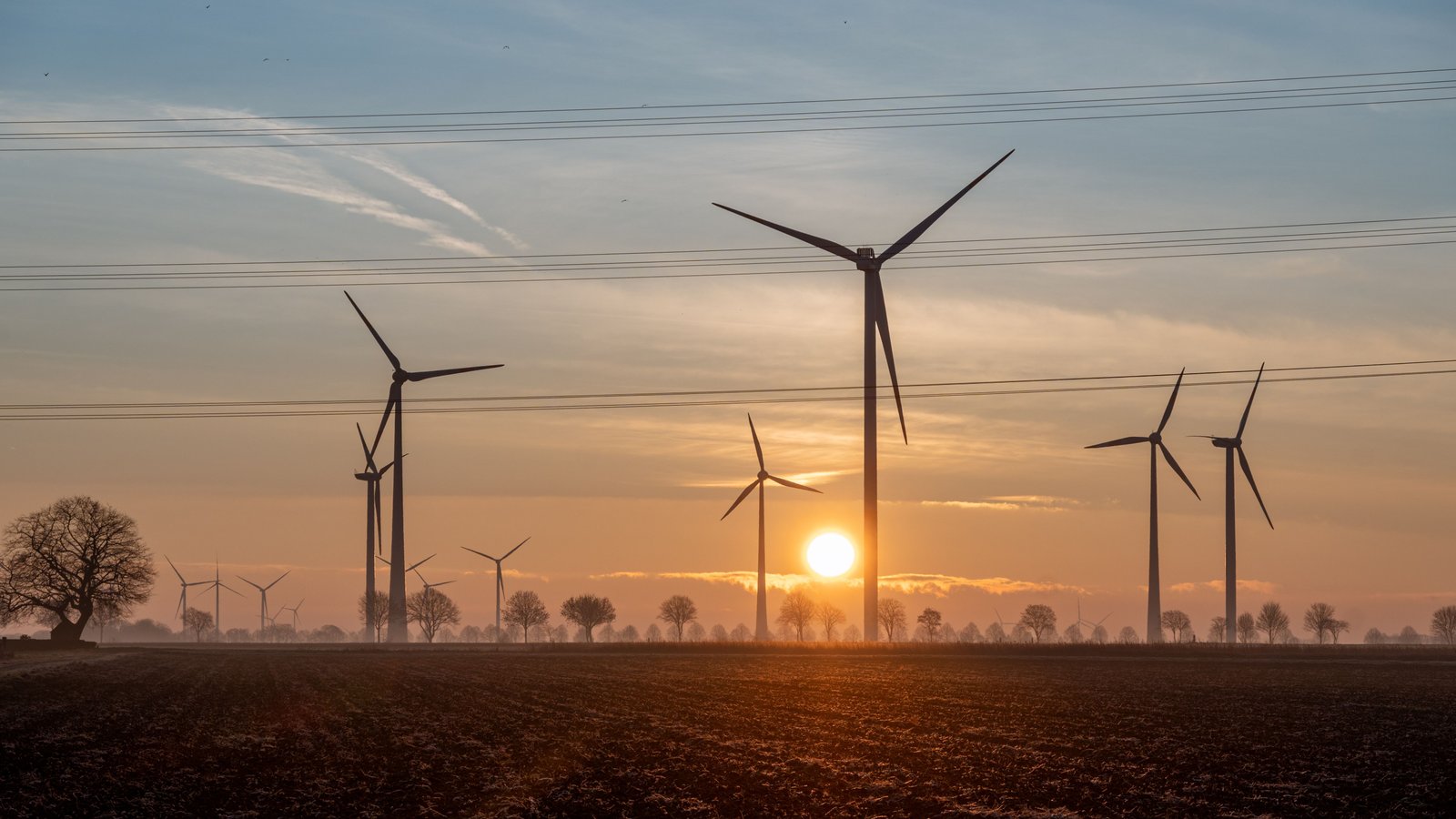
Renewable energy sources such as solar and wind power have become increasingly cost-effective and widely adopted. However, unlike traditional power plants, renewable energy generation depends on weather conditions and natural resource availability. Solar panels generate electricity only when sunlight is available, while wind turbines depend on wind speeds to produce power. This variability creates challenges for power systems that must continuously balance electricity supply and demand.
Battery storage addresses this issue by capturing excess electricity generated during periods of high renewable output and storing it for later use. When demand increases or renewable generation declines, stored energy can be released back into the grid. This capability helps ensure a more stable and reliable energy supply. As renewable energy penetration increases, battery storage is becoming an essential tool for maintaining grid performance and operational flexibility.
Technological Advancements Drive Market Growth
The rapid growth of battery storage has been fueled by significant technological innovation. Lithium-ion batteries currently dominate the market due to their high energy density, reliability, and declining costs.
Continuous improvements in battery chemistry, manufacturing processes, and system design have enhanced performance while reducing production expenses.
Key advancements include:
- Higher energy density
- Faster charging capabilities
- Longer operational lifespans
- Improved safety features
- Greater efficiency
- Lower manufacturing costs
Researchers are also developing next-generation battery technologies aimed at further improving performance and sustainability. Emerging solutions such as solid-state batteries, sodium-ion batteries, and advanced flow batteries have the potential to expand storage capabilities and diversify energy storage options. Innovation remains a major driver of industry growth and investment.
Utility-Scale Storage Expands Rapidly
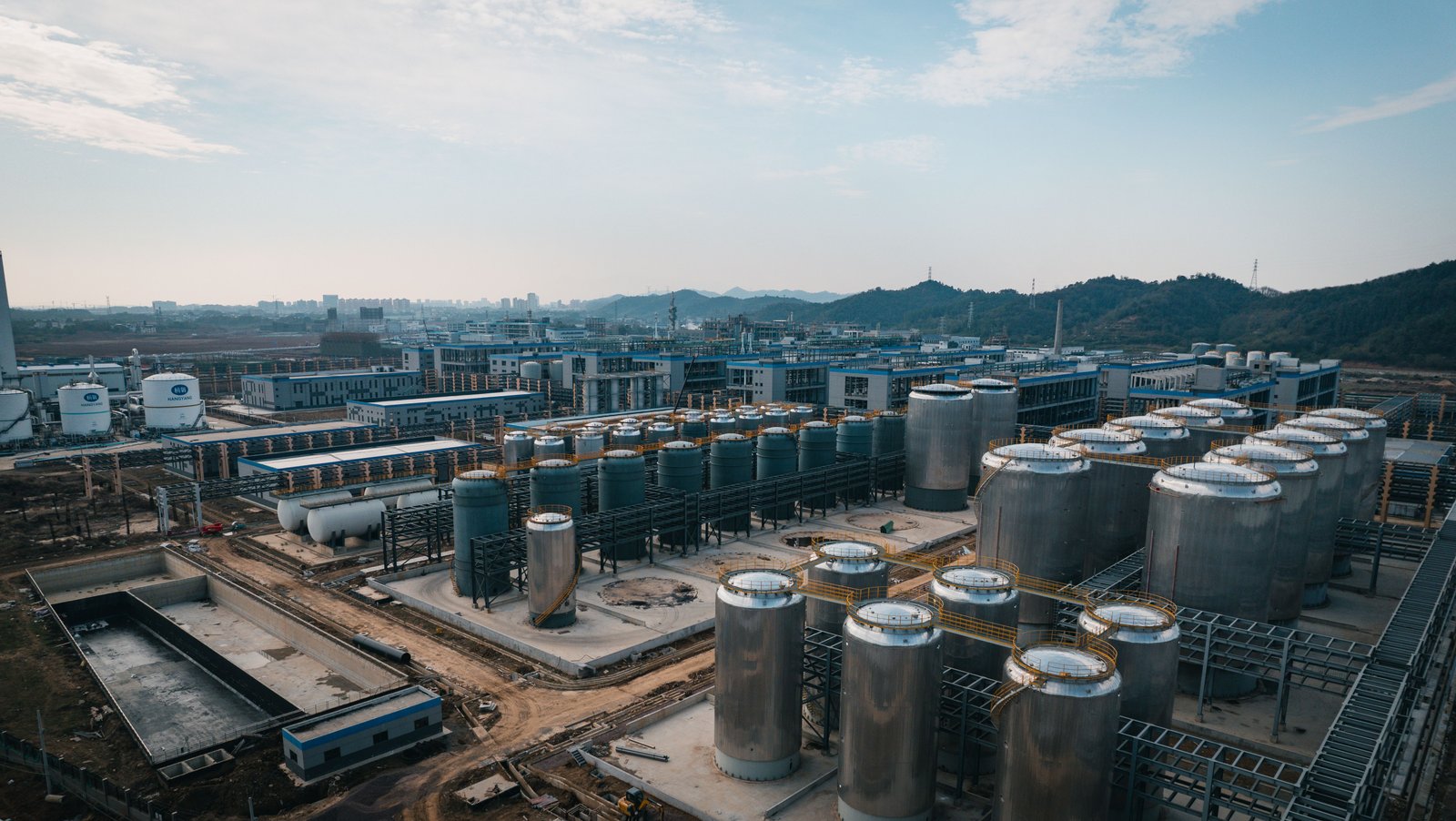
One of the most significant trends within the energy sector is the growth of utility-scale battery storage projects. Electric utilities are increasingly deploying large storage facilities to support renewable energy integration and enhance grid reliability.
These projects allow utilities to:
- Store excess renewable generation
- Reduce reliance on fossil fuel peaker plants
- Improve grid stability
- Manage electricity demand fluctuations
- Enhance emergency response capabilities
Battery storage systems can respond to changing grid conditions within seconds, making them highly effective tools for balancing electricity supply and demand. Utilities view storage as a strategic investment capable of improving both operational efficiency and environmental performance. As deployment costs continue declining, utility-scale storage installations are expected to expand significantly worldwide.
Supporting Renewable Energy Integration
Renewable energy adoption is one of the primary drivers of battery storage demand. Without adequate storage solutions, excess renewable electricity may be wasted during periods of high generation and low demand. Battery systems help maximize renewable energy utilization by capturing surplus electricity and making it available when needed.
This capability provides several important benefits:
- Increased renewable energy penetration
- Reduced energy curtailment
- Improved grid flexibility
- Enhanced reliability
- Lower carbon emissions
Many energy planners now consider storage a critical component of future renewable energy infrastructure. The ability to integrate larger amounts of solar and wind power into electricity systems is helping accelerate global decarbonization efforts.
Commercial and Industrial Applications Grow
Businesses are increasingly investing in battery storage to improve energy management and reduce operating costs.
Commercial and industrial organizations use storage systems to:
- Lower peak electricity demand charges
- Improve energy resilience
- Support sustainability goals
- Manage renewable energy generation
- Reduce dependence on grid electricity
Facilities with on-site solar installations often combine renewable generation with battery storage to maximize self-consumption of clean energy. This approach can improve financial returns while enhancing energy independence. As electricity prices fluctuate and sustainability expectations rise, battery storage is becoming an attractive investment for many organizations. The commercial market is expected to remain a significant contributor to industry growth.
Residential Energy Storage Gains Popularity
Homeowners are also embracing battery storage solutions at increasing rates. Residential storage systems allow consumers to store electricity generated from rooftop solar panels and use it during evening hours or grid outages.
Benefits include:
- Greater energy independence
- Backup power capabilities
- Reduced electricity bills
- Improved renewable energy utilization
- Enhanced resilience during emergencies
Advancements in user-friendly energy management technologies are making residential storage more accessible and practical. As awareness grows and system costs continue declining, residential adoption is expected to increase across many markets. Consumers increasingly view energy storage as an important component of sustainable home energy solutions.
Electric Vehicle Growth Supports Battery Innovation
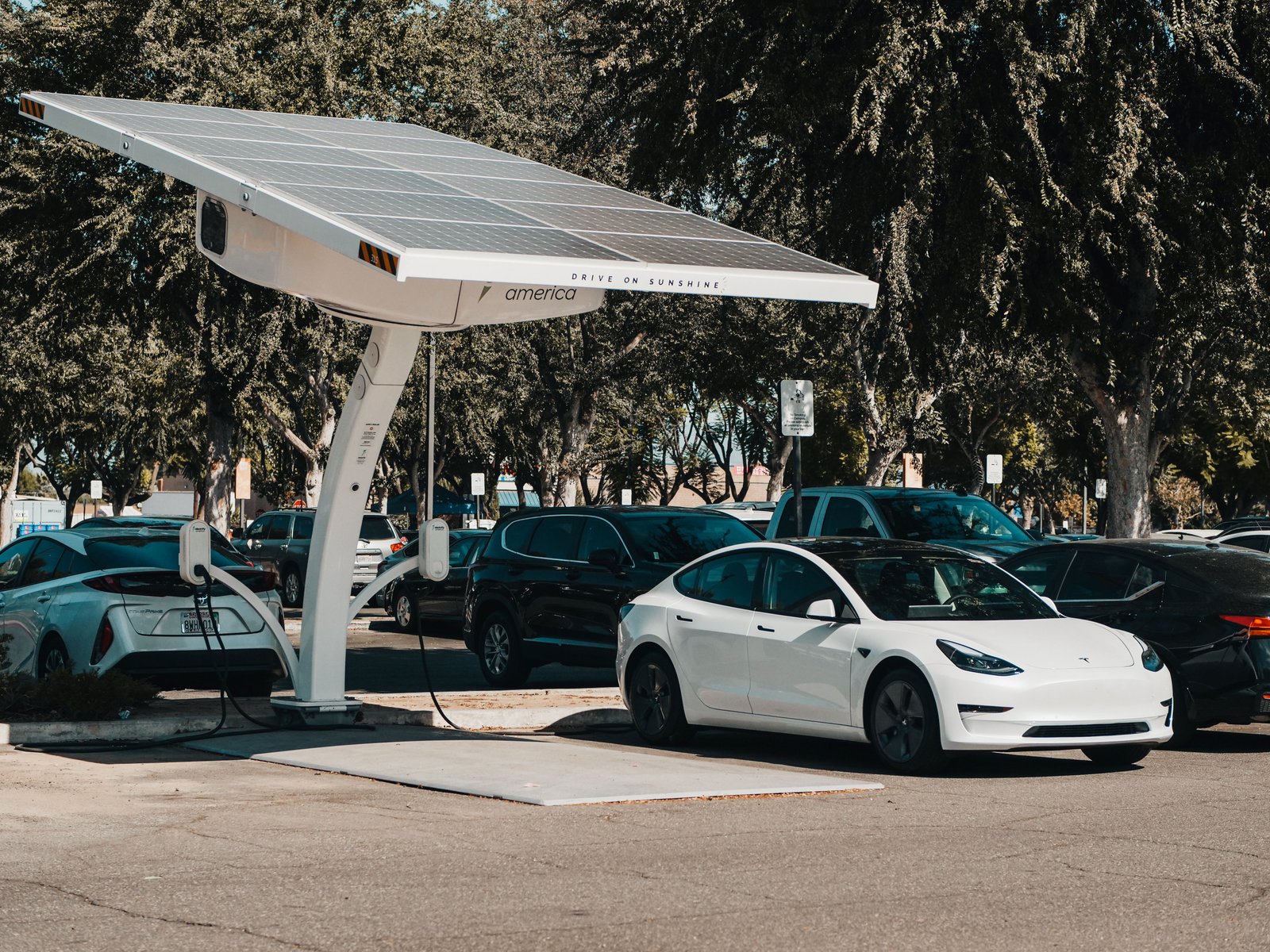
The rapid expansion of the electric vehicle industry is closely linked to advancements in battery technology. Growing demand for EV batteries has encouraged significant investment in manufacturing capacity, research, and supply chain development. These investments are benefiting the broader energy storage sector.
Improvements achieved through electric vehicle battery development often translate into enhanced performance and reduced costs for stationary storage applications. The relationship between transportation electrification and energy storage innovation is creating powerful synergies across both industries. As EV adoption continues growing, battery technology is expected to advance even more rapidly. This trend will likely accelerate the deployment of energy storage solutions across multiple sectors.
Energy Security and Grid Resilience
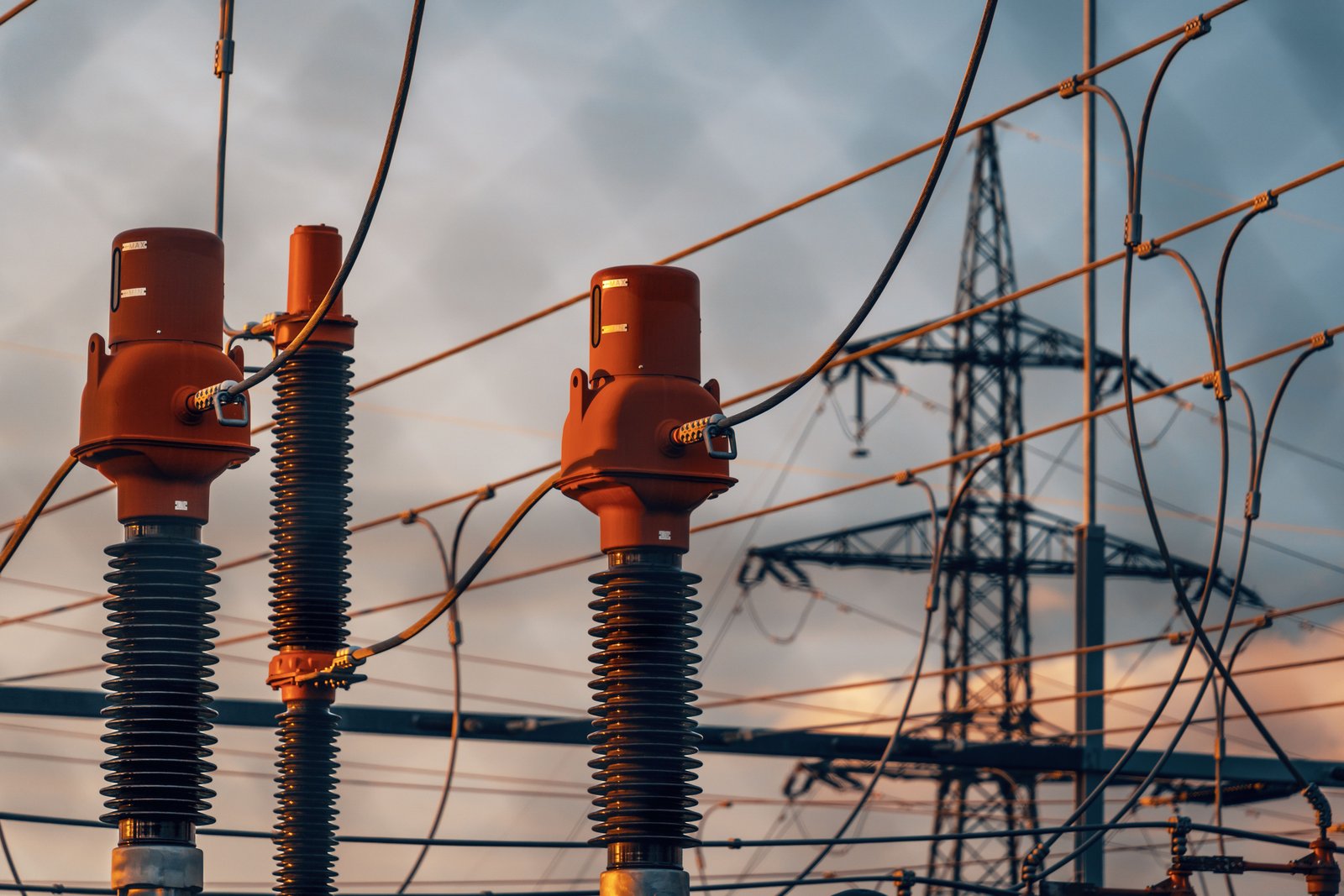
Energy security has become a major priority for governments and utilities worldwide. Extreme weather events, infrastructure challenges, and geopolitical uncertainties have highlighted the importance of resilient energy systems. Battery storage contributes to energy security by improving grid flexibility and reducing dependence on centralized power generation sources. Storage systems can provide backup power during emergencies and support critical infrastructure during disruptions.
Benefits include:
- Enhanced reliability
- Faster recovery from outages
- Improved disaster preparedness
- Greater operational flexibility
- Reduced vulnerability to fuel supply disruptions
As resilience becomes an increasingly important consideration, battery storage is playing a growing role in energy planning and infrastructure development.
Sustainability Benefits Extend Beyond Renewable Energy
Battery storage supports sustainability objectives in several ways. In addition to facilitating renewable energy integration, storage systems can help reduce greenhouse gas emissions by decreasing reliance on fossil fuel-based generation.
Energy storage also contributes to:
- Improved energy efficiency
- Reduced transmission losses
- Lower air pollution
- Enhanced resource utilization
- More sustainable electricity systems
Manufacturers are also working to improve battery recycling and circular economy practices to minimize environmental impacts associated with battery production and disposal. Sustainability considerations are becoming increasingly important throughout the battery value chain.
Challenges Facing the Industry
Despite strong growth, the battery storage industry faces several challenges.
Key issues include:
- Raw material supply constraints
- Manufacturing capacity requirements
- Recycling infrastructure development
- Grid integration complexities
- Regulatory uncertainty
- Initial investment costs
Critical minerals such as lithium, nickel, cobalt, and graphite remain important components of many battery technologies. Ensuring sustainable and reliable supply chains will be essential for supporting long-term industry growth. Governments and industry stakeholders are actively working to address these challenges through innovation and strategic investment.
Investment Activity Continues to Accelerate
Energy storage is attracting substantial investment from utilities, technology companies, infrastructure funds, and institutional investors.
Major areas of investment include:
- Battery manufacturing facilities
- Utility-scale storage projects
- Research and development
- Recycling technologies
- Grid modernization initiatives
- Advanced energy management platforms
Industry analysts forecast continued expansion as storage becomes increasingly central to modern energy systems. Investor confidence remains strong due to growing demand and favorable long-term market trends.
Future Outlook
The future of energy storage appears exceptionally promising. As renewable energy deployment accelerates and electricity systems become more decentralized, battery storage will play an increasingly important role in ensuring reliability, flexibility, and sustainability. Advancements in battery technology, manufacturing efficiency, and energy management systems will continue driving industry growth. Governments, utilities, businesses, and consumers are all expected to increase investments in storage solutions as they pursue cleaner and more resilient energy strategies.
The battery storage revolution is no longer simply supporting renewable energy adoption—it is fundamentally transforming the way electricity is produced, stored, and consumed. As the global energy transition progresses, battery storage is poised to become one of the most influential technologies shaping the future of sustainable energy systems.