Organizations Across Industries Embrace Resource Efficiency, Waste Reduction, and Product Lifecycle Innovation to Build a More Sustainable Future
As sustainability becomes a central business priority, companies around the world are increasingly adopting circular economy strategies to reduce environmental impact while creating long-term economic value. Moving away from the traditional "take, make, and dispose" model, organizations are embracing approaches that prioritize resource efficiency, product longevity, recycling, reuse, and regeneration.
The circular economy is rapidly gaining momentum across industries including manufacturing, retail, technology, automotive, consumer goods, construction, food and beverage, and energy. Businesses are recognizing that sustainable growth is no longer solely about reducing emissions or improving energy efficiency. It also involves rethinking how products are designed, produced, used, and recovered throughout their lifecycle.
Driven by evolving consumer expectations, regulatory requirements, resource constraints, and investor interest in sustainability, circular economy initiatives are becoming a major component of corporate environmental strategies. Industry experts believe that circular business models could significantly reduce global waste generation, improve resource productivity, and unlock substantial economic opportunities over the coming decades.
Understanding the Circular Economy
The traditional linear economy follows a straightforward process: raw materials are extracted, transformed into products, consumed, and eventually discarded as waste. While this model has supported industrial growth for decades, it places significant pressure on natural resources and generates large volumes of waste. The circular economy offers an alternative approach. Its core objective is to keep materials, products, and resources in use for as long as possible while minimizing waste generation.
Key principles include:
- Designing out waste and pollution
- Extending product lifecycles
- Reusing materials and components
- Recycling valuable resources
- Regenerating natural systems
Rather than viewing waste as an inevitable byproduct, circular economy strategies treat waste as a potential resource that can be reintegrated into economic activity. This shift is transforming how organizations think about sustainability and value creation.
Businesses Reevaluate Product Design
Product design plays a critical role in circular economy implementation. Many products have traditionally been designed primarily for performance, cost efficiency, and mass production. Today, organizations are increasingly incorporating circular principles into product development processes.
Design priorities now often include:
- Durability
- Repairability
- Recyclability
- Modular construction
- Material efficiency
By creating products that last longer and are easier to repair or recycle, companies can reduce environmental impacts while improving resource utilization. Manufacturers are also exploring innovative materials that support sustainability objectives without compromising product quality or performance. Design innovation is becoming a foundational element of circular business strategies.
Resource Scarcity Drives Change
Growing concerns regarding resource availability are encouraging organizations to adopt circular approaches. Global demand for raw materials continues increasing as populations grow and economies expand. At the same time, many industries face challenges related to resource scarcity, supply chain disruptions, and rising material costs. Circular economy practices help address these concerns by reducing dependence on virgin resources.
Organizations can recover value from existing materials through:
- Recycling programs
- Product refurbishment
- Remanufacturing initiatives
- Material recovery systems
These strategies improve resource security while helping companies manage long-term supply risks. As resource pressures intensify, circular solutions are becoming increasingly attractive from both environmental and economic perspectives.
Consumer Expectations Influence Corporate Strategies
Consumers are becoming more environmentally conscious and increasingly expect companies to demonstrate sustainable business practices.
Many customers now evaluate brands based on factors such as:
- Product sustainability
- Packaging waste reduction
- Recycling initiatives
- Ethical sourcing
- Environmental transparency
In response, organizations are integrating circular economy principles into product offerings and customer engagement strategies. Companies that successfully align sustainability initiatives with consumer expectations often strengthen brand reputation and customer loyalty. Circular economy programs are increasingly viewed as important differentiators in competitive markets. As environmental awareness continues growing, consumer influence is expected to remain a major driver of adoption.
Technology Enables Circular Innovation
Digital technologies are playing an important role in supporting circular economy initiatives. Organizations are leveraging advanced tools to improve visibility across product lifecycles and optimize resource management.
Key technologies include:
- Artificial Intelligence
- Internet of Things (IoT)
- Blockchain
- Data Analytics
- Digital Twins
- Cloud-Based Platforms
These solutions help businesses track materials, monitor product performance, and identify opportunities for reuse or recycling. For example, connected products can provide information regarding usage patterns and maintenance needs, extending operational lifespans. Technology is helping companies move from theoretical sustainability concepts to measurable operational improvements.
Recycling and Material Recovery Expand
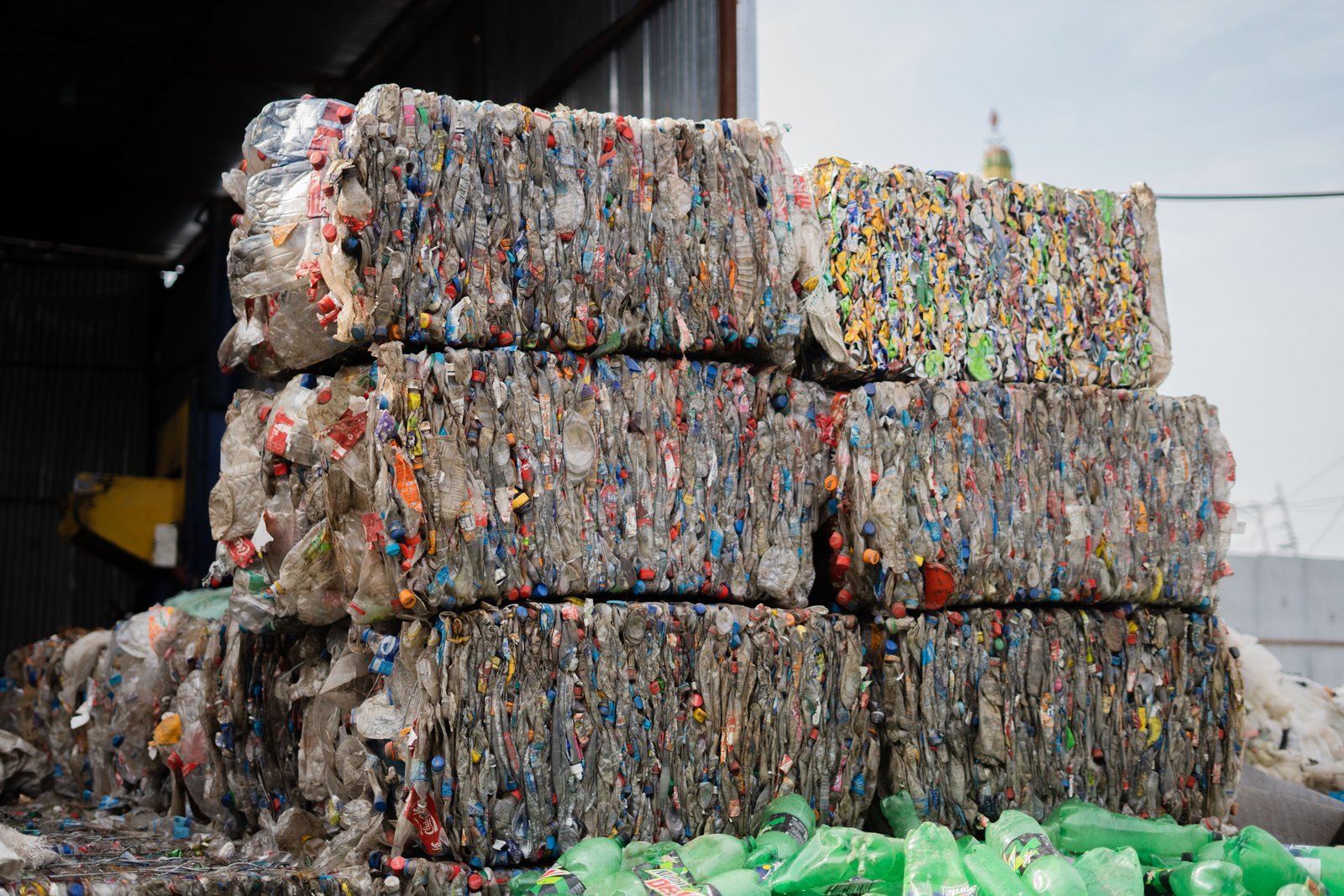
Recycling remains one of the most visible components of the circular economy. Organizations across industries are investing in systems designed to recover valuable materials from products at the end of their useful life. Advancements in recycling technologies are improving the ability to process complex materials and recover higher-quality resources.
Examples include:
- Plastic recycling innovations
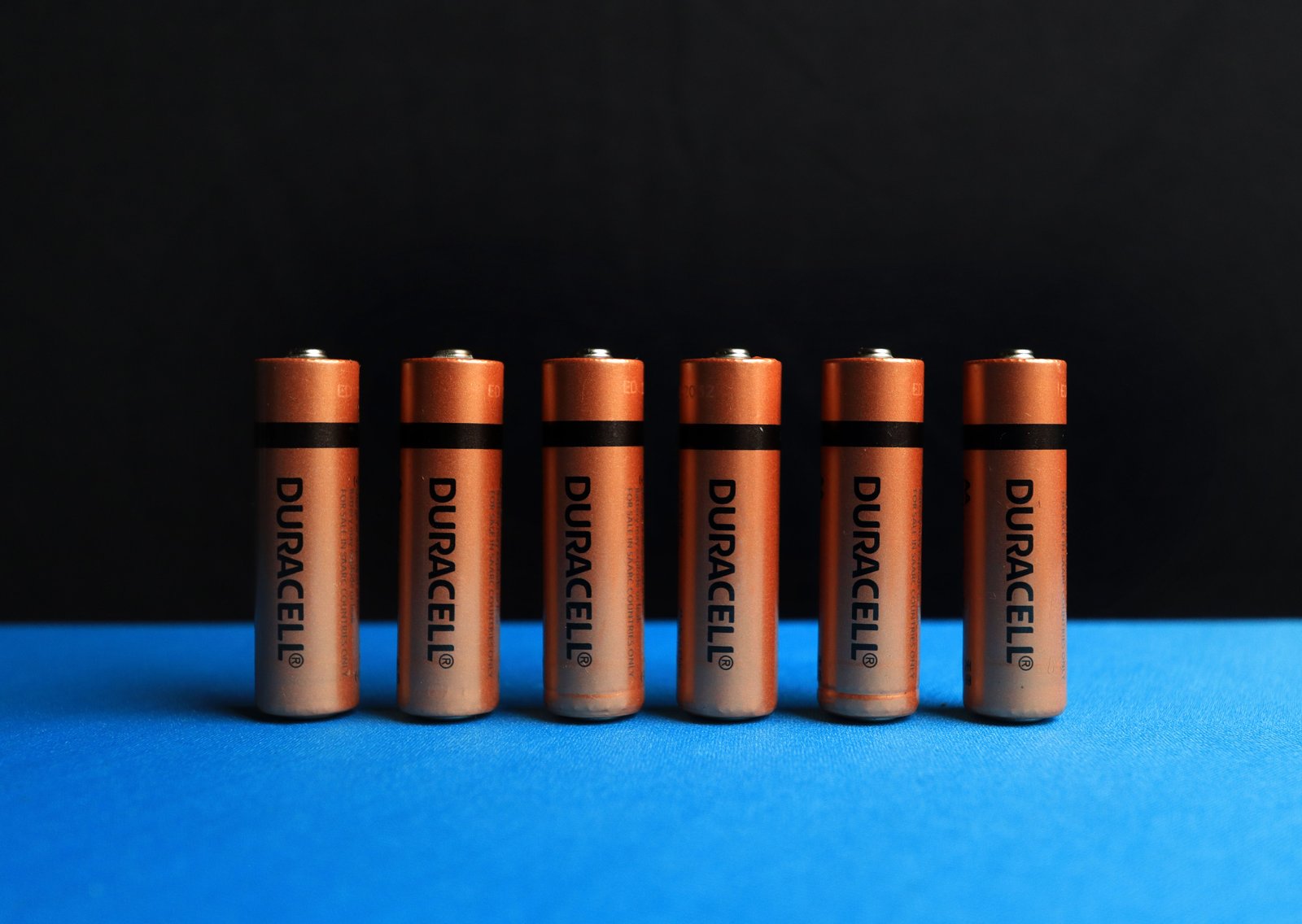
- Battery recycling facilities
- Electronic waste recovery programs
- Construction material reclamation
- Industrial byproduct utilization
By keeping materials within economic circulation, companies can reduce waste while lowering demand for new resource extraction. The expansion of advanced recycling infrastructure is supporting broader circular economy objectives worldwide.
Product-as-a-Service Models Gain Popularity
Many organizations are rethinking traditional ownership models and exploring service-based business approaches. Product-as-a-Service (PaaS) models allow customers to access products through subscription or leasing arrangements rather than outright purchases.
Examples include:
- Equipment leasing
- Shared mobility services
- Subscription-based consumer products
- Managed technology solutions
Because companies retain ownership of products, they have greater incentives to design durable, repairable, and reusable systems. This approach aligns economic incentives with sustainability objectives while creating recurring revenue opportunities. Service-based business models are becoming an increasingly important component of circular economy innovation.
Supply Chains Become More Sustainable
Circular economy principles are also influencing supply chain management. Organizations are working closely with suppliers, logistics providers, and recycling partners to create more sustainable value chains.
Key initiatives include:
- Responsible sourcing programs
- Closed-loop manufacturing systems
- Material recovery partnerships
- Waste reduction efforts
- Sustainable packaging strategies
Supply chain collaboration helps organizations identify opportunities to improve efficiency and reduce environmental impacts throughout product lifecycles. As sustainability reporting requirements expand, supply chain transparency is becoming increasingly important. Circular supply chains are helping businesses strengthen resilience while supporting environmental goals.
Financial Benefits Support Adoption
While sustainability remains a primary motivation, circular economy strategies also offer compelling financial advantages.
Potential benefits include:
- Reduced material costs
- Lower waste disposal expenses
- Improved operational efficiency
- New revenue streams
- Enhanced resource productivity
- Greater supply chain resilience
Many organizations find that sustainability initiatives can generate measurable business value alongside environmental improvements. This combination of economic and environmental benefits is helping accelerate adoption across industries. Circular economy investments are increasingly viewed as strategic opportunities rather than purely compliance-driven activities.
Policy and Regulation Encourage Progress
Governments worldwide are introducing policies designed to promote circular economy adoption.
Regulatory initiatives often focus on:
- Waste reduction targets
- Recycling requirements
- Extended producer responsibility programs
- Sustainable product standards
- Resource efficiency objectives
These measures encourage organizations to adopt more sustainable practices and invest in circular business models. Public-sector support is helping create favorable conditions for innovation and investment. As environmental regulations continue evolving, circular economy strategies are expected to become increasingly important.
Challenges to Implementation
Despite growing momentum, organizations face several challenges when implementing circular economy initiatives.
Common obstacles include:
- Infrastructure limitations
- Product redesign requirements
- Supply chain complexity
- Consumer behavior considerations
- Measurement and reporting challenges
- Initial investment costs
Successfully transitioning from linear to circular business models often requires significant organizational change and cross-functional collaboration. However, many companies view these challenges as manageable given the long-term benefits associated with sustainability and resource efficiency.
Future Outlook
The circular economy is expected to play a central role in the future of sustainable business and economic development. As environmental concerns, resource pressures, and stakeholder expectations continue increasing, organizations will likely place greater emphasis on circular strategies. Advancements in technology, recycling systems, product design, and supply chain collaboration will support continued growth and innovation.
Businesses that successfully embrace circular economy principles will be better positioned to improve sustainability performance, reduce costs, strengthen resilience, and create new sources of value. The transition toward circularity represents more than an environmental initiative—it is a fundamental shift in how organizations approach production, consumption, and long-term growth. As industries continue adapting to a more resource-conscious future, circular economy strategies are poised to become a defining feature of sustainable business success and global environmental progress.